

You sit down at the consult with a sore back tooth, your dentist takes an X-ray, and a moment later you are weighing up four very different words: filling, inlay, onlay, crown. The fees range from about $200 to well over $2,500. The lifespan ranges from five years to thirty. The number of appointments ranges from one to three. And to most patients, the differences are a blur.
The good news is that the choice is not random. There is a clear decision rule based on how much of your natural tooth is left and where the damage sits. This guide walks through how Sydney dentists pick between fillings, inlays, onlays and crowns in 2026, what each option costs at current Australian Dental Association schedule levels, how long each one tends to last, and the small handful of grey zones where two options could both work.
Key takeaways
- A dental filling is direct, done in one appointment, and best for small to moderate decay where most of the tooth wall is still intact. Sydney fees in 2026 typically sit between $180 and $450 depending on size and material.
- An inlay is a lab-made restoration that fits inside the cusps of a back tooth. It is the right step up when a filling would be too weak but the cusps are still strong. Sydney fees typically sit between $850 and $1,500.
- An onlay is a lab-made restoration that covers one or more cusps. It is the right step up when a cusp has cracked or been undermined by decay, yet the tooth still has plenty of solid structure underneath. Sydney fees typically sit between $1,100 and $1,800.
- A crown wraps the whole tooth and is the right call when the outer walls are cracked, broken, or extensively decayed, or when a tooth has had root canal treatment. Sydney fees typically sit between $1,600 and $2,500.
- The deciding factor is usually how much healthy tooth remains, not the patient's preference. The less natural tooth that survives, the more coverage the restoration needs.
The one rule that sits behind every option
Australian dentists are taught a principle called minimally invasive dentistry. In plain language, that means removing as little natural tooth as possible while still solving the problem. Natural enamel and dentine are stronger than any restoration ever placed, so the goal is to keep more of yours, not less.
From this single rule, a ladder falls out. A filling removes the least amount of tooth. An inlay removes a bit more so the lab piece can sit accurately. An onlay removes more again so a cusp can be capped and protected. A crown removes the most because the whole tooth is reshaped to receive a cap. Each rung up the ladder buys more strength and protection at the cost of more natural tooth structure.
The corollary is just as important. Going too small for the damage means the restoration fails early. Going too big means losing tooth structure that did not need to go. A good dentist sits on the exact rung the tooth needs, and no higher.
Cost comparison for Sydney in 2026
The numbers below reflect general ranges across Sydney metropolitan clinics at current ADA schedule levels. Actual fees vary by clinic, by the size and complexity of the restoration, by the material chosen, and by whether any preparation work like a pulp cap is needed at the same appointment.
| Restoration | ADA item code (typical) | Sydney fee range | Appointments |
|---|---|---|---|
| Composite filling (one surface) | 531 | $180 to $260 | 1 |
| Composite filling (two surface) | 532 | $240 to $360 | 1 |
| Composite filling (three surface) | 533 | $320 to $450 | 1 |
| Ceramic inlay | 575 | $850 to $1,500 | 2 |
| Ceramic onlay | 578 | $1,100 to $1,800 | 2 |
| Gold inlay or onlay | 576 / 577 | $1,200 to $2,200 (plus gold price) | 2 |
| Full porcelain or ceramic crown | 613 / 615 | $1,600 to $2,500 | 2 to 3 |
| Zirconia full crown | 615 | $1,800 to $2,600 | 2 to 3 |
The ADA item codes are useful to know because every Australian health fund uses the same numbers when calculating rebates. If you are ringing around for quotes, asking for the item code is a quick way to compare like for like.
When a filling is the right choice
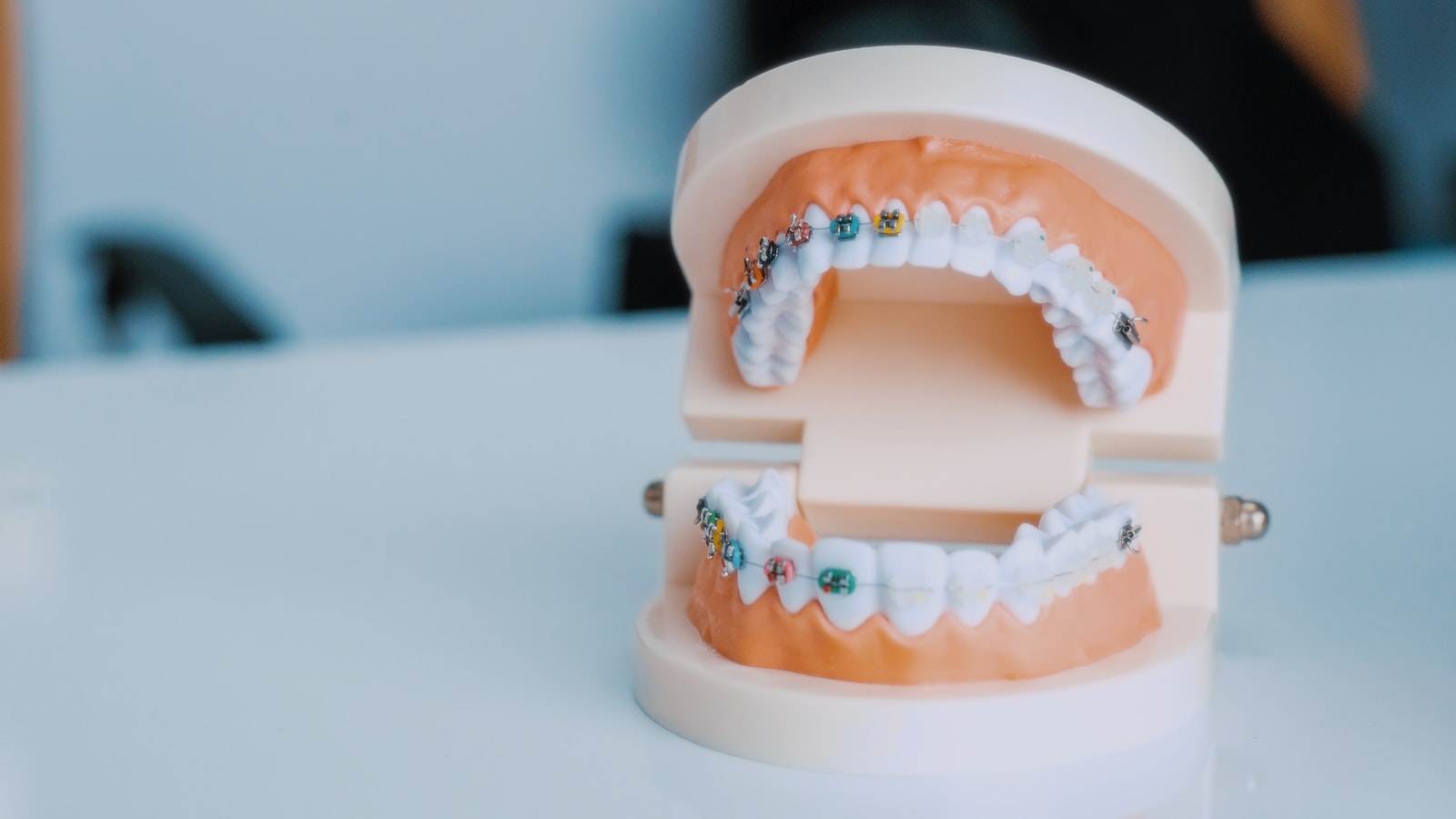
A direct composite filling is the right answer when the decay or fracture is small, the surrounding tooth walls are still intact, and a single appointment can reach the affected area. In practice, that covers the vast majority of cavities picked up at a routine check.
The defining feature of a filling is that the material goes in soft and is shaped, cured and polished while it sits in your mouth. That is faster, cheaper and removes less tooth than any lab-made restoration. The trade-off is that composite shrinks slightly as it sets, so larger fillings carry more risk of marginal leakage and recurrent decay over time.
The rough threshold most dentists use is the one third rule. If less than about one third of the tooth's width is being replaced, a filling holds up well. Past that point, the restoration starts flexing under chewing forces and the longevity drops sharply. A two-surface composite on a molar can easily last ten years. A four-surface composite that covers most of the chewing surface may not see five.
If your dentist recommends a filling and the cavity is small, that is almost always the right answer. Saving the rebate dollars for prevention, like a six-month clean and a fluoride application, is a better long-term play than escalating to an inlay just because the lab piece sounds stronger.
When an inlay is the right choice
An inlay sits between the cusps of a back tooth and replaces the missing chewing surface inside that boundary. It is made in a lab from porcelain, ceramic, gold or composite, cemented in place at the second appointment, and is significantly stronger than a filling of the same size because the material is fully cured before it enters the mouth.
Inlays come into their own when the decay is too large for a filling but the cusps, the four corners that crown the tooth, are still solid. Around half the time a tooth meets that description it is because an older silver amalgam has been removed and the cavity underneath is broader than expected. The other half it is because a deep cavity has spread sideways while leaving the walls untouched.
Because the lab piece is shaped on a model rather than freehand in your mouth, the contact point against the next tooth tends to be more accurate. That matters for flossing, food packing and gum health on the side of the restoration. Patients who have lived through a tight contact filling that traps every shred of food know exactly what this difference feels like.
The downside of an inlay is the extra appointment, the extra cost, and the small amount of additional tooth removed to give the lab a clean cavity to work into. None of these are dramatic, but they are the reason a dentist will not jump to an inlay if a filling will hold for ten years.
When an onlay is the right choice
An onlay is like an inlay that has grown a cap over one or more cusps. Whenever a cusp has cracked, has been undermined by deep decay, or is at high risk of fracturing the next time you bite into a hard nut, capping that cusp with an onlay buys decades of extra service.
The classic onlay case is a tooth with a large older filling that has fractured one of the corners. The body of the tooth is fine. The root is fine. But one corner is missing or wobbling on a hairline crack. A filling alone cannot rebuild a load-bearing cusp reliably. A crown would mean removing all four cusps even though only one has failed. The onlay sits exactly in the middle, replacing what is gone, protecting the cusp that is at risk, and leaving the healthy structure alone.
An onlay can also be the right choice after a root canal on a back tooth when the rest of the tooth is well preserved. Older protocols routinely escalated root-canalled molars to full crowns. Newer evidence, particularly the use of bonded ceramic onlays after endodontic treatment, shows that conservative cuspal coverage often works just as well in the right anatomy, while preserving more dentine.

When a crown is the right choice
A crown wraps the entire visible tooth in a cap. The outer walls of the tooth are reshaped to give the cap an even thickness all the way around, the cap is fitted onto a model in the lab, and it is cemented in place at the second or third appointment.
Crowns are indicated when the outer walls are themselves the problem. If multiple cusps are missing, if a vertical crack runs through one of the walls, or if so much tooth has been lost that there is not enough left to bond an onlay to, a crown is usually the safest call. The same is true after a root canal on a tooth that has very thin remaining walls, because endodontically treated teeth become more brittle and need cuspal coverage to avoid catastrophic fracture down the line.
A well-made crown lasts longer than any other restoration on the ladder. Ceramic and zirconia crowns regularly clear fifteen years and many run beyond twenty. Gold crowns can run thirty plus. The cost of getting there reflects the lab work, the materials, and the additional chair time. It is also the most invasive option in the ladder, which is why dentists try not to recommend a crown when an onlay would have done the job.
The grey zone where two options could work
About one in three back-tooth restorations sits in a clinical grey zone where either an onlay or a crown could be the right answer. In these cases the dentist is weighing four things: how much healthy enamel rims the cavity, how high the bite forces on that tooth are, whether the patient grinds at night, and how visible the restoration will be.
Cases that tip toward an onlay generally have at least one solid cusp left untouched, light to moderate bite forces, no documented bruxism, and the patient values keeping more natural tooth. Cases that tip toward a crown generally have very thin walls left, heavy occlusion or a posterior crossbite, a history of grinding, or a previously fractured restoration that needs maximum protection.
Some clinical situations do not sit in the grey zone at all and should default to one or the other. A small two-surface cavity on a premolar is a filling. A tooth that has had root canal therapy and lost most of its enamel rim is a crown. A cracked cusp on an otherwise healthy molar is an onlay. The grey zone shrinks faster than most patients expect once the X-ray and the clinical exam are both in front of the dentist.
If your dentist offers both as options and asks what you prefer, ask which one preserves more natural tooth. The answer is almost always the onlay, which is the conservative call when the clinical picture allows it.
Materials compared
The choice of material affects cost, longevity, aesthetics, and how the restoration feels under your bite. Here is how the common Australian options stack up.
| Material | Used for | Typical lifespan | Aesthetics | Notes |
|---|---|---|---|---|
| Composite resin | Fillings (and budget inlays) | 5 to 10 years | Tooth-coloured, very good for fillings | Direct placement, most affordable, slight shrinkage |
| Ceramic / lithium disilicate | Inlays, onlays, crowns | 10 to 20 years | Excellent, hard to spot | Strong, bonds well to enamel, ideal for visible back teeth |
| Porcelain fused to metal | Crowns | 10 to 15 years | Good, can show metal margin at gum line | Older technology, still common, may chip |
| Zirconia | Crowns, occasionally onlays | 15 to 25 years | Very good, slightly more opaque | Extremely strong, ideal for heavy bites and grinders |
| Gold | Inlays, onlays, crowns | 20 to 30 plus years | Yellow gold, low aesthetic appeal | Gentlest material against opposing teeth, exceptional longevity |
Gold is the longest serving option in the mouth and remains the gold standard, literally, for back teeth with heavy occlusion. Most modern patients still choose ceramic or zirconia because the aesthetic gap is now small and even back molars are visible when laughing. Gold is making a quiet comeback among patients who value durability over appearance, particularly for second molars.
How long each option lasts
Longevity is the question that drives most cost-versus-benefit thinking. A more expensive restoration that lasts three times longer is often the cheaper option per year of service.
| Restoration | Typical lifespan | Average annual cost (mid-range fee) |
|---|---|---|
| Composite filling (2-surface) | 7 to 10 years | $30 to $50 per year |
| Ceramic inlay | 15 to 20 years | $60 to $80 per year |
| Ceramic onlay | 15 to 20 years | $70 to $100 per year |
| Porcelain crown | 15 to 20 years | $90 to $130 per year |
| Zirconia crown | 20 to 25 years | $80 to $115 per year |
| Gold crown or onlay | 25 to 30 plus years | $50 to $80 per year |
On a per-year basis, a well-placed onlay is often cheaper than the filling it replaced, because it tends to last twice as long. That is the maths behind why dentists step up from a filling to an inlay or onlay when the size of the restoration crosses the one-third threshold.
How a Sydney appointment actually runs
The clinical workflow for each option is different, and knowing what to expect helps when comparing quotes.
A filling is one appointment, usually 30 to 45 minutes. The decay is removed, the cavity is shaped, the composite is layered and cured, and the bite is checked. Most patients walk out chewing on it the same day, although a numb lip lasts another hour or two.
An inlay or onlay is two appointments, around two to three weeks apart. At the first visit the cavity is prepared, a digital or putty impression is taken, and a temporary filling goes in. The impression is sent to a dental lab that mills or layers the ceramic piece. At the second visit the temporary comes out, the lab piece is tried in for fit and shade, then bonded permanently and polished.
A crown is similar to an inlay or onlay in structure but takes more chair time at the first appointment because the whole tooth is reshaped. Many Sydney clinics now offer same-day crowns using chairside milling, which collapses both visits into one longer appointment. A traditional lab crown still takes two visits, with a temporary in between.
Cost of waiting versus cost of acting now
One of the strongest reasons to address moderate decay early is that the restoration ladder gets dramatically more expensive at each rung. A small cavity treated today as a filling rarely escalates if it is caught at the right time. The same cavity left for two years can grow through the dentine, reach the pulp, and force a root canal plus crown that costs ten times more.
| Scenario | Treatment needed | Typical cost | Multiple of acting now |
|---|---|---|---|
| Small decay caught at six-month check | Composite filling | $180 to $360 | 1 x baseline |
| Cavity broader than expected on X-ray | Ceramic inlay or onlay | $850 to $1,800 | 3 to 5 x |
| Decay reaches the nerve | Root canal + crown | $3,500 to $5,500 | 10 to 15 x |
| Tooth fractures below the gum | Extraction + implant + crown | $6,000 to $9,000 | 15 to 25 x |
None of this is meant to be alarming. The point is that the cheapest restoration is the smallest one that actually solves the problem. Routine six-monthly check-ups are the reason most Australian patients never see the bottom of this table.
Common mistakes patients make
Choosing a filling for a tooth that needs an onlay. The most common reason a tooth ends up needing a root canal a few years later is that the restoration was undersized for the damage. If your dentist recommends an onlay and the filling estimate is half the price, the gap reflects the protection you are not buying.
Asking for a crown when an onlay would do. The opposite mistake. A crown removes far more tooth structure than an onlay. Choosing a crown for cosmetic reasons on a back tooth that nobody sees is a poor trade.
Comparing quotes by total dollar amount rather than per-year cost. A $1,500 ceramic inlay that lasts twenty years is cheaper than a $400 filling that fails in five and needs replacing four times. Always ask the dentist for the expected lifespan when comparing options.
Skipping the night guard after a large restoration. Patients who grind their teeth at night are at high risk of fracturing any restoration, especially onlays and crowns. A custom night guard pays for itself the first time it prevents a $2,500 crown from cracking.
Waiting to see if the tooth will settle. A tooth that needs a restoration does not heal itself. Enamel cannot regrow. Waiting almost always means escalating up the ladder, paying more, and losing more natural tooth structure.
Frequently asked questions
Are inlays and onlays covered by health insurance in Australia?
Most extras policies that cover major dental will rebate part of the inlay or onlay fee. The ADA item codes 575 to 578 are recognised by all major Australian funds, so a typical mid-tier extras policy covers between 40 and 80 percent of the cost up to an annual limit. Always ring your fund with the item code before booking to confirm your specific rebate.
Does Medicare cover any of these restorations?
Medicare does not cover restorative dentistry for adults. The Child Dental Benefits Schedule covers fillings for eligible children up to age 17, but does not extend to inlays, onlays or crowns. NSW Health public dental clinics provide free or low-cost fillings and extractions for eligible concession card holders, although waiting lists vary by district.
Are inlays stronger than fillings?
Yes, materially. A lab-cured ceramic or composite inlay is denser and more wear resistant than a direct composite filling because the material cures under controlled lab conditions rather than chairside. For small cavities the strength difference does not matter clinically, but once the restoration covers more than a third of the tooth, the lab-cured option holds up significantly better.
Can you whiten a tooth with an inlay or crown?
The natural tooth structure around the restoration will whiten, but the inlay, onlay or crown itself stays the colour it was made. This is why most Sydney dentists recommend whitening before any cosmetic restoration is placed on a visible tooth, so the new lab piece can be colour-matched to the whitened shade.
How long does a crown last on a root-canal tooth?
About the same as a crown on a vital tooth, provided the root canal itself was completed well. Australian studies on long-term outcomes report a fifteen-year survival rate of around 85 percent for crowns placed on properly treated root canal teeth. The biggest risk factors are an inadequate seal at the apex of the root and grinding habits at night.
Can an old filling be upgraded to an inlay later if it fails?
Yes, and this is one of the common paths to an inlay or onlay. When an older filling cracks, leaks, or develops decay underneath, the dentist removes it and reassesses what is left. If enough tooth structure remains, a stepped-up ceramic inlay or onlay is often the next restoration. If not enough remains, the next step is a crown.
Why do some Sydney clinics offer same-day crowns and others do not?
Same-day crowns use a chairside scanner and a small in-house milling machine. The technology is excellent for single-tooth crowns and selected onlays, particularly in straightforward back-tooth cases. Traditional lab crowns offer a wider material range, more colour adjustment, and are often preferred for front teeth or complex cosmetic cases. Both are valid in 2026, and the choice often comes down to clinical complexity and patient preference.
What happens when my restoration eventually needs replacing?
Restorations have natural lifespans, and when they fail your dentist removes the old material, assesses what is left of the tooth, and steps up the ladder if needed. A filling can usually be replaced with another filling once or twice before the cavity has grown large enough to need an inlay or onlay. An onlay or crown can usually be replaced like for like the first time, provided the underlying tooth is still healthy.
How Lumi Dental thinks about restorations
At Lumi Dental in Melrose Park, the starting point for any restoration is the same minimally invasive principle that runs through this guide. Dr James Tran will sit on the rung your tooth needs, and no higher, even when a flashier option could be charged. The aim is to keep your natural tooth structure for as long as possible and to spend your time and rebate dollars on prevention so that escalating up the ladder is never necessary.
If you are weighing up a quote you have been given elsewhere, or you have been told you need a crown and want a second opinion on whether an onlay would do the job, a thirty-minute consult is the right place to start. The clinic opens 1 July 2026 at 24 Wharf Road, Melrose Park. To register interest or claim the new patient offer, visit lumidental.au/new-patient-offer.
For related reading on individual restorations, see our cost guides for dental fillings, dental crowns, and crowns versus veneers. If you are concerned about an early cavity, our cavities and prevention guide covers what catches them early and what slows them down once they have started.







