The most useful rule about bariatric surgery and your teeth is a short one: keep stomach acid off your enamel. Weight loss surgery is common here. The Australia and New Zealand Bariatric Surgery Registry counted 19,599 procedures in a reporting year, 15,985 of them primary operations and 3,614 revisions, with about 95 percent of the primary operations privately funded. Sleeve gastrectomy accounts for roughly 70 percent of the total. The surgery happens in the abdomen, but the mouth sits at the top of the same tube, and that is where the dental part starts.
This page is about surgical weight loss. If you are taking a weight loss medicine instead, the oral effects overlap but the drivers differ, and we cover those in our guide to weight loss injections and your mouth.
Key takeaways
- Reflux is the main dental risk. Enamel begins to dissolve below a pH of 5.5, and stomach acid sits well below that.
- A systematic review found every included study reported a high association between reflux and tooth wear after bariatric surgery, most evident from about six months post-operatively.
- Nausea and vomiting are common early, reported at roughly 58 to 75 percent after sleeve gastrectomy, with about 23 percent describing vomiting as a persistent longer term symptom.
- Grazing and frequent small meals keep the mouth acidic for longer. A review concluded bariatric patients carry a greater caries risk than non-surgical controls.
- Salivary flow tends to fall and salivary pH to drop, which strips away some of the mouth's natural buffering.
- The evidence is thin and mostly non-Australian, and none of it cleanly separates the operation from the oral health people already had.
Why the mouth is involved at all
Enamel is the hardest tissue in the body, but it is a mineral, and minerals dissolve in acid. The number that matters is 5.5. Below that pH, calcium and phosphate start to leave the tooth surface. Stomach contents are far more acidic than that, which is why reflux and vomiting cause a very particular pattern of wear.
Saliva is the counterweight. It dilutes acid, buffers it towards neutral, and carries the calcium and phosphate that put minerals back into softened enamel. Anything that reduces saliva, or keeps acid in the mouth longer, tips the balance. Weight loss surgery has a habit of doing both.
Wear from stomach acid shows up on the inner surfaces of the upper front teeth first, then on the biting surfaces of the back teeth. Teeth look shorter and more see-through at the edges, and often more yellow as the darker dentine starts to show. Sensitivity to cold and sweet things follows. Our article on tooth enamel erosion goes through the process in detail.
Reflux is the main pathway
Reflux does most of the damage. A systematic review of bariatric patients found that all included studies reported a high association between gastro-oesophageal reflux and tooth wear after surgery, most evident from around six months after the operation. That timing matters. The erosion pattern tends to emerge once reflux settles into a routine, not in the first few weeks.
Sleeve gastrectomy has the strongest reflux reputation of the common operations, because it changes the shape and pressure of the stomach without altering the valve at the top of it. The numbers here get messy. One cross-sectional study reported 91.7 percent prevalence of reflux after sleeve gastrectomy, with 82.2 percent new onset. That is a single-centre result at the very top of the published range, and other cohorts report far lower rates. Anyone quoting 91.7 percent as the general risk is quoting the outlier.
The honest version is that reflux after sleeve gastrectomy is common enough to plan for, and that reported prevalence swings widely depending on whether it was defined by symptoms, by medication use or by pH testing. Our page on acid reflux and your teeth covers the dental side of managing it.
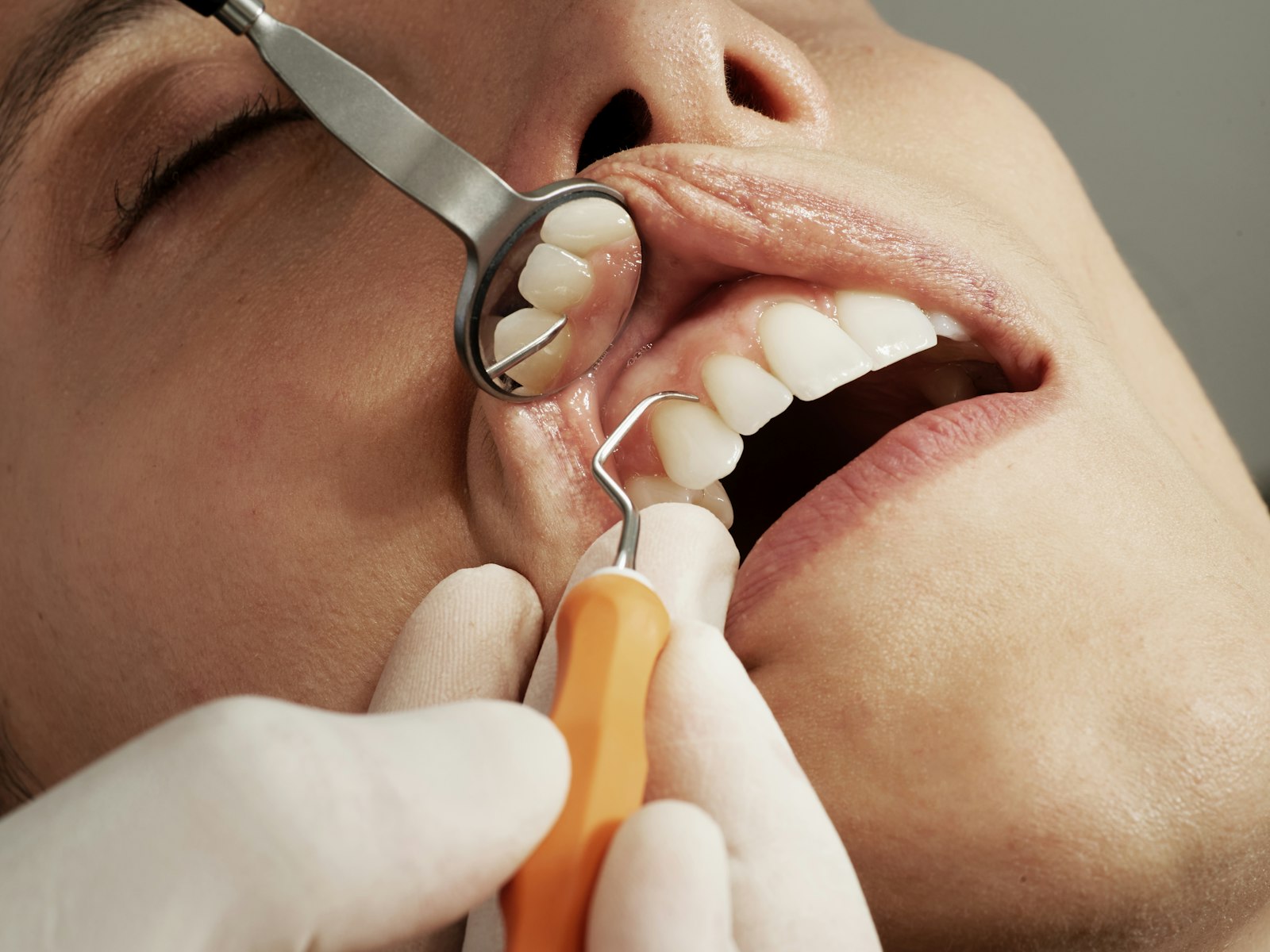
Vomiting, and what to do straight afterwards
Nausea and vomiting after laparoscopic sleeve gastrectomy is reported at roughly 58 to 75 percent early on. Most of that settles. About 23 percent of people, though, report vomiting as a persistent symptom, usually triggered by eating too fast, too much, or something the new stomach will not tolerate.
The instinct after vomiting is to brush immediately. That is the one thing not to do. Acid leaves enamel softened, and a brush on softened enamel scrubs away mineral that would otherwise have been replaced. Rinse instead, with water or with a teaspoon of bicarbonate of soda stirred into a glass of water, and leave brushing for half an hour to an hour. Sugar free gum in that window helps too, since it lifts saliva flow and clears acid faster.
In my experience the people who lose the most enamel are the ones who vomited regularly for months and never mentioned it, because they assumed it was a stomach issue rather than a dental one. Say it out loud at your check-up. A history of purging matters here too, and our article on eating disorders and oral health covers the same protective steps.
Grazing, sipping and decay risk
After surgery the stomach holds very little, so eating becomes small and frequent by necessity. Fluids get sipped through the day rather than drunk in one go, and protein shakes often fill the gaps.
All of that is sound nutritional advice and terrible plaque control. Every time something enters the mouth, plaque produces acid and pH drops for twenty to forty minutes. Six eating occasions become six acid drops, and constant sipping can mean the mouth barely returns to neutral at all. A systematic review concluded bariatric patients carry a greater risk of dental caries than non-surgical controls, and named grazing and regurgitation frequency as the drivers.
The fix is not to eat less often. It is to make the acid exposures shorter and fewer: water between meals, sugar free supplement options, and drinking a shake within a set window instead of nursing it for an hour. With decay, how often sugar reaches the teeth matters more than how much of it there is.
| What changes after surgery | Why it matters for teeth | What helps |
|---|---|---|
| Reflux | Acid reaches the mouth well below the pH 5.5 erosion threshold, hitting the inner surfaces of the upper front teeth first | Treat the reflux medically, avoid lying down within three hours of eating, use a high fluoride toothpaste |
| Grazing and frequent small meals | Each eating occasion drops plaque pH for twenty to forty minutes | Group snacks into set times, keep water as the between-meal drink, chew sugar free gum after eating |
| Vomiting or regurgitation | Direct acid contact plus softened enamel that is easy to abrade | Rinse with water or bicarbonate of soda, wait thirty to sixty minutes before brushing, tell your dentist how often it happens |
| Reduced saliva flow and lower pH | Less buffering, less mineral to repair softened enamel, less natural cleansing | Sip water often, ask about saliva substitutes, review medicines that dry the mouth |
| Reduced nutrient absorption | Iron and B12 deficiency can show as a sore tongue, ulcers or cracks at the corners of the mouth | Stay on the supplement plan your surgical team sets and get blood levels checked |
| Sugar free liquid supplements | Sugar free does not mean acid free, and slow sipping extends contact time | Drink within a set window, follow with plain water, use a straw if the drink is acidic |
Saliva changes after surgery
Reduced salivary flow with a lower salivary pH has been reported after bariatric surgery, and is proposed as a co-factor working alongside reflux rather than a separate problem. The contributors are straightforward. Fluid intake is restricted early on, weight loss changes body water, and several medicines used around surgery have drying effects.
A dry mouth is uncomfortable, but the dental consequence is what matters. Without enough saliva, acid sits longer, plaque sticks more readily and remineralisation slows. It is also why some people see a sudden run of decay after years of stable teeth. If your mouth feels dry most days, our guide to dry mouth and xerostomia runs through the practical options.

Nutrient absorption and the mouth
The mouth is a reasonable early window on nutritional status. After sleeve gastrectomy, vitamin B12 deficiency has been reported at a median of about 11.7 percent and iron deficiency at roughly 14 to 18 percent. The ten year analysis of the SLEEVEPASS randomised trial reported 5 percent B12 deficiency and 14 percent iron deficiency by ferritin. The range across studies is wide, and long term follow up does not necessarily show it worsening.
What a dentist may notice is a smooth, sore or unusually red tongue, recurrent ulcers, cracking at the corners of the mouth, or a burning sensation with no obvious local cause. None of those findings are diagnostic on their own. But if they appear after weight loss surgery, it is a sensible prompt to check your supplement routine and ask about blood levels.
How good is the evidence, honestly
Not very. This is a small field carried by small studies. A scoping review found bariatric surgery negatively associated with DMFT scores, tooth wear and oral radiographic findings, which sounds decisive until you look underneath. Most primary studies are cross-sectional, so they photograph one moment rather than following people over time. Sample sizes are modest, almost none are Australian, and different groups use different erosion indices.
The bigger problem is confounding. People who have bariatric surgery are not a random sample. Obesity is itself associated with higher rates of gum disease and decay, and with conditions such as diabetes that have oral effects of their own. When a study finds worse teeth after surgery, some of that difference was almost certainly there beforehand. The mechanism for acid erosion is obvious. The size of the surgical contribution is not settled.
The sensible reading is that weight loss surgery adds several plausible dental risks at once, and that protecting enamel costs far less than restoring it later.
Planning dental care around the operation
No professional body publishes a guideline on when dental clearance should happen before bariatric surgery, or how soon a check-up should follow it. Anyone quoting a fixed number of weeks is describing a local habit, not a standard. Timing is clinical judgement, and it belongs in a conversation with your dentist and your surgical team.
What is reasonable to say is this. If you know surgery is coming, the period beforehand is the easiest time to deal with anything active, because fillings, extractions and gum treatment are simpler when you are eating normally. Afterwards, the useful things are a review once your diet has settled, an honest account of any reflux or vomiting, and a discussion about whether more frequent check-ups make sense for a while. A high fluoride toothpaste is often worth asking about.
Tell your dentist about the surgery. It changes what we look for, how we read sensitivity, and how often we want to see you.
Common questions
Does bariatric surgery cause tooth decay?
Not directly, but it changes several things that raise the risk. A systematic review found bariatric patients had a greater risk of caries than non-surgical controls, with grazing and regurgitation named as the drivers. Frequent eating, reduced saliva and acid exposure are the mechanisms, and all three can be managed.
How soon after weight loss surgery should I see a dentist?
There is no official interval, so this is a judgement call. Most people find a review once their eating has settled is more useful than one in the first few weeks, because it reflects how they will actually be living. If you are vomiting often or have new sensitivity, do not wait for a routine appointment.
Should I brush straight after vomiting?
No. Enamel is softened for a period after acid contact, and brushing then removes mineral that saliva would otherwise have replaced. Rinse with water, or with bicarbonate of soda dissolved in water, and wait about thirty to sixty minutes before brushing.
Do weight loss injections affect the teeth in the same way?
There is overlap, particularly around reflux, nausea and dry mouth, but the pattern and the evidence base are different. The oral effects of the medicines are covered in the separate article linked earlier on this page.
Booking a check-up
If you have surgery coming up and want your teeth sorted beforehand, the team at Lumi Dental sees patients Monday to Saturday at Melrose Park, with Sunday appointments by arrangement. There is a new patient special for first visits, and the details are on the current deals page. A check-up and clean is the appointment where erosion gets picked up while it is still shallow.
This article is general information only and is not a substitute for personal dental or medical advice. Please talk to a dentist and to your treating medical team about your own situation.