
Biodentine is a bioactive calcium silicate dental material that dentists use to protect a tooth's nerve and to replace lost dentine in deep restorations. At Lumi Dental, we use Biodentine for vital pulp therapy, such as pulp capping and pulpotomy, and as a dentine substitute in deep restorations where it is appropriate. This article explains what the material is, how it works in plain terms, when it may be suggested and what to expect if it is used on your tooth.
Key Takeaways
- Biodentine is a calcium silicate cement, a family of materials designed to sit next to living tooth tissue.
- It is used mainly to help a tooth keep its nerve alive (pulp capping, pulpotomy) and as a dentine replacement under fillings and crowns.
- Bioactive means the material interacts with the tooth and may encourage the pulp to form a protective layer of new dentine.
- It is placed in one visit, then covered with a permanent filling or crown, so you usually leave with a finished restoration.
- How long it lasts depends on the tooth, the size of the cavity, your bite and your home care, so no dentist can promise a fixed lifespan.
- Whether it suits you depends on your symptoms and the dentist's tests, which is why the first step is an examination.
What Are Calcium Silicate Materials?
Calcium silicate materials are cements made mostly from calcium and silicon compounds. When they are mixed with water or a liquid, they harden through a chemical reaction rather than by being cured with a light. The set material is dense and fairly hard, and it is very well tolerated by the soft tissue inside a tooth.
Biodentine is one product in this family. MTA is another calcium silicate material that is used elsewhere in the profession. Each product has its own handling and setting characteristics, and clinicians choose the material they are trained and equipped to use well. Lumi Dental uses Biodentine for pulp therapy.
Why the inside of a tooth is delicate
Under the hard enamel is dentine, and under the dentine is the pulp, which holds the nerve and blood supply. A deep cavity or a crack can bring bacteria very close to the pulp. If the pulp is still healthy enough to recover, protecting it with a material that it tolerates well can give the tooth a real chance of staying alive and functioning normally.
How Does Biodentine Work?
Biodentine is supplied as a powder and a liquid that are mixed together in a small capsule. The mixed material is placed straight onto the prepared area and it sets in the tooth without a curing light. The set material is a solid, tooth-compatible base.
Bioactivity in plain terms
A bioactive material does more than fill a space. In the presence of moisture, calcium silicate materials release calcium and create an alkaline environment at the surface. Research has found that this may support the pulp to lay down a thin bridge of new hard tissue beneath the material, and it also helps seal the area against bacteria. The exact response varies from tooth to tooth, and it depends heavily on how healthy the pulp was to begin with.
A material that acts like dentine
Biodentine is also valued for its mechanical behaviour. Once set, it has a stiffness that is closer to natural dentine than many other base materials. That makes it useful as a replacement for the dentine layer, with enamel or a filling or crown built over the top of it. It contains a radiopaque component, which means it shows up on an X-ray, so your dentist can check it at later visits.

When Is Biodentine Used?
Biodentine has several roles in a dental practice. Which one applies to you depends on what your dentist finds during the examination and testing.
| Use | What it means | Typical situation |
|---|---|---|
| Indirect pulp cap | Placed over a thin layer of remaining dentine near the nerve | A deep cavity where the nerve has not been exposed |
| Direct pulp cap | Placed directly on a small exposure of healthy pulp | A tiny exposure that appears while removing decay or after an injury |
| Pulpotomy | Part of the inflamed pulp is removed and the remaining healthy pulp is covered | A larger exposure where the remaining pulp can still be healthy |
| Perforation repair | Seals an accidental or decay-related opening in the tooth | A tooth needing an internal repair |
| Dentine replacement | Replaces missing dentine under a filling or crown | A deep restoration needing a strong, sealed base |
For a deeper look at the pulp therapy side, see our guides to pulp capping and saving a tooth's nerve and vital pulp therapy explained.
What to Expect as a Patient
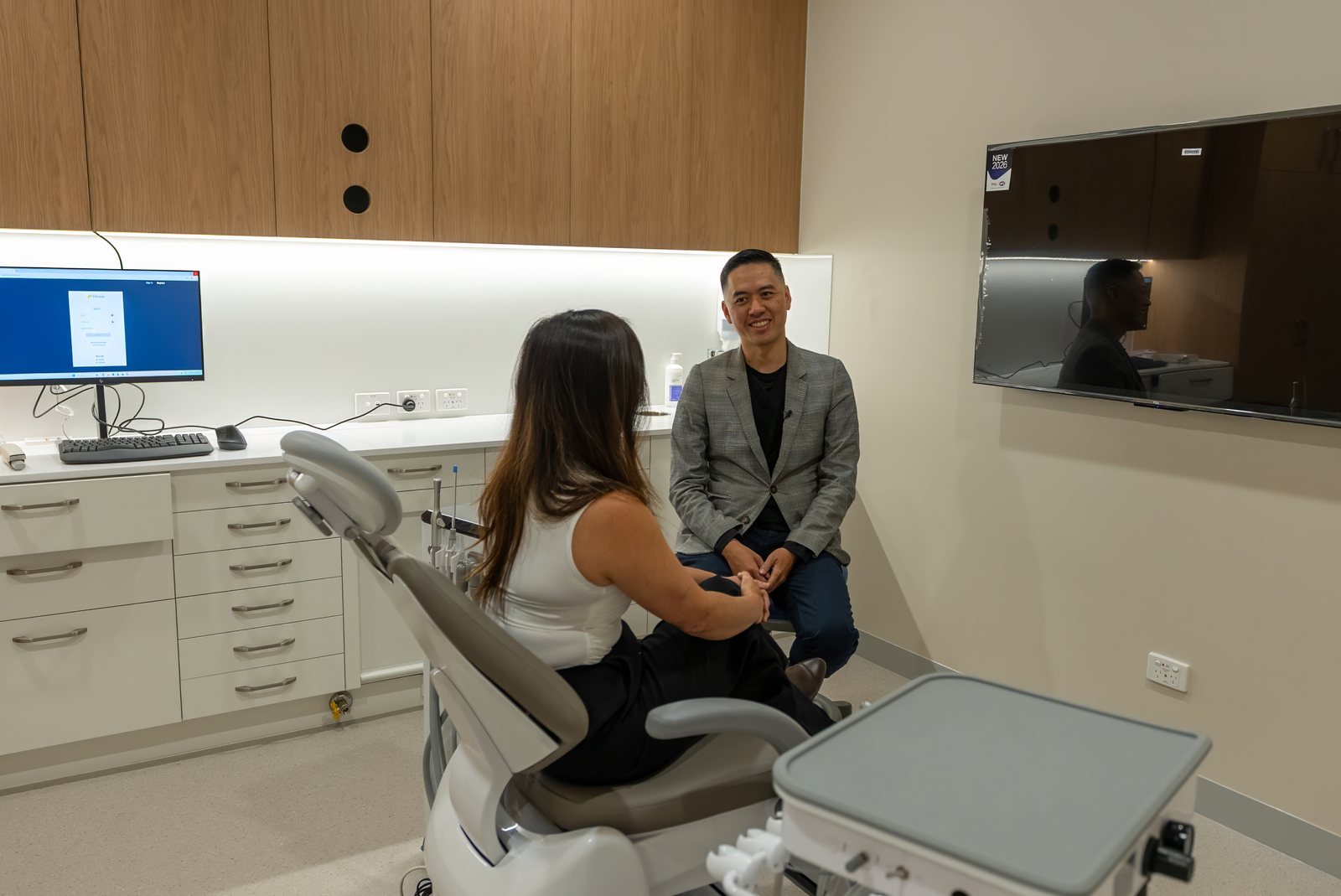
Your dentist will start with a conversation about your symptoms, a clinical examination and usually an X-ray. Tests such as cold testing help show whether the nerve is healthy. If pulp therapy or a dentine substitute is suitable, the visit typically looks like this.
- Local anaesthetic is given so the tooth is numb.
- The tooth is isolated to keep it clean and dry, and the decay is removed carefully.
- Biodentine is mixed and placed over the area, and it sets within the visit.
- A permanent filling or a temporary restoration is placed over it, depending on the plan.
- You are given aftercare advice and a review is arranged.
Some patients notice mild tenderness when biting or a little sensitivity to temperature for a short time afterwards. Please contact us if pain lingers, becomes worse, wakes you at night or if you notice swelling. Those signs can mean the nerve needs further assessment.
How Long Does It Last?
There is no single answer, and I would be wary of anyone who gives one. Longevity depends on the condition of the pulp when treated, how much tooth structure remains, the quality of the seal of the final restoration, your bite forces and how well the tooth is cleaned at home. Research has reported good outcomes for calcium silicate materials in suitable cases, but individual teeth differ and some teeth eventually need root canal treatment even after a careful attempt to preserve the nerve.
Regular check-ups and periodic X-rays let your dentist monitor the tooth. A crown is sometimes recommended over a heavily restored tooth to protect it from fracture.
Biodentine, Glass Ionomer and Composite in a Deep Cavity
Dentists also use other materials in deep cavities. This qualitative comparison is a general guide only. The right choice depends on the tooth and the case.
| Feature | Biodentine | Glass ionomer | Composite resin |
|---|---|---|---|
| Chemistry | Calcium silicate, sets by reaction with water | Glass and acid, sets by acid base reaction | Resin, hardened with a curing light |
| Bioactive behaviour | Yes, calcium releasing | Limited, releases fluoride | No |
| Used directly on the pulp | Yes, in suitable cases | Not usually | Not usually |
| Role as dentine substitute | Strong | Moderate | Usually used as the final filling layer |
| Moisture sensitivity during placement | Tolerates moisture well | Moderate | High, needs a dry field |
| Appearance | Needs a filling or crown over it in visible areas | Can be tooth coloured but less polished | Closely matches tooth colour |
These materials are often combined. For example, Biodentine can act as the base with a composite filling bonded over the top. If you would like to compare fillings more generally, our guide to bonding versus filling may help.
Common Questions
What is Biodentine made of?
Biodentine is made mainly of tricalcium silicate, with calcium carbonate and a radiopaque component so it shows on X-rays. It is mixed with a water based liquid and sets by a chemical reaction.
Is Biodentine safe?
Biodentine has been used in dentistry for many years and is generally well tolerated by tooth tissue. As with any dental material, your dentist will check your medical history and any allergies before treatment.
Is Biodentine the same as a filling?
No, Biodentine is usually used underneath a filling or crown rather than as the visible surface. It protects the pulp or replaces dentine, and a permanent restoration is placed over it.
Does Biodentine save the nerve of a tooth?
It may help, but it cannot guarantee it. Biodentine gives a healthy pulp the best environment to recover, and success depends on how inflamed the pulp already was.
Will I feel pain after Biodentine is placed?
Most people have only mild tenderness or sensitivity for a short time. Ongoing or worsening pain, night pain or swelling should be assessed promptly.
How much does treatment with Biodentine cost?
The cost depends on the tooth and the final restoration, so it is best quoted after an examination. We can provide a written quote, and you can see current new patient offers on our deals page.
Book a Check-Up and a Written Quote
If you have a deep cavity, a sensitive tooth or a question about pulp therapy, the team at Lumi Dental would be happy to look at it with you. New patients can see our latest everyday offer on the current deals page, and you can read about our general dentistry at Melrose Park. We offer a free consult and a written quote, so you can understand your options before deciding anything.