
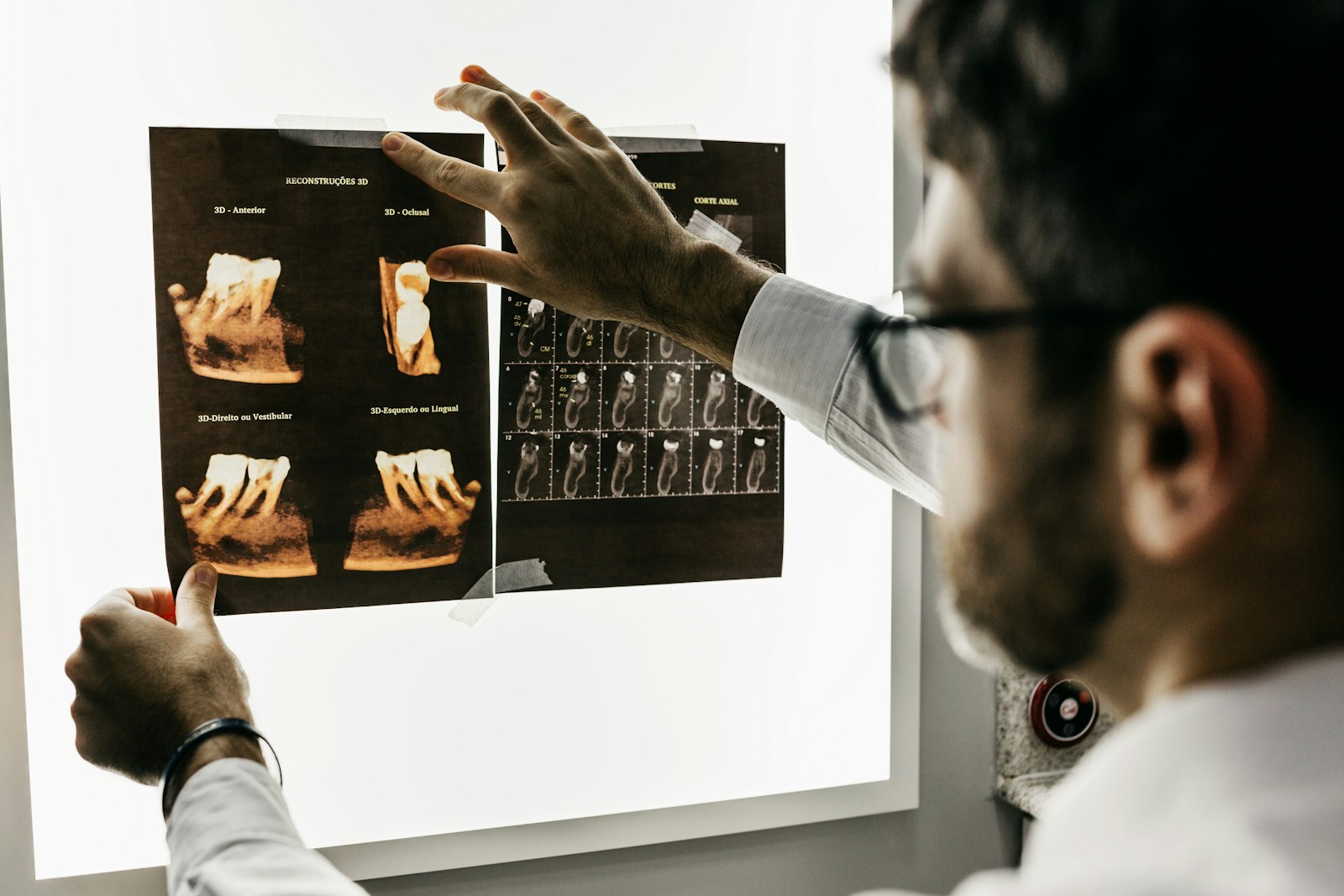

Vital pulp therapy (VPT) is a group of treatments that aims to keep the living nerve tissue inside a tooth healthy, so the tooth may be saved without a full root canal. It includes indirect and direct pulp capping and partial or full pulpotomy, and in carefully selected mature adult teeth it can be a conservative alternative to removing the whole nerve. This guide explains what VPT is, how a dentist decides whether it suits a tooth, what happens on the day and how it compares with a root canal.
Key Takeaways
- Vital pulp therapy is the umbrella term for treatments that protect or partly remove the pulp while leaving healthy nerve tissue in place.
- Pulp capping (indirect or direct) and pulpotomy (partial or full) sit on a spectrum, from a tiny exposure to removing only the inflamed part of the pulp.
- A root canal (pulpectomy) removes all of the pulp from the canals, which is a bigger step and is sometimes the better choice.
- Research has found that pulpotomy in mature teeth can succeed in a large majority of carefully selected cases, but results vary between studies and no outcome is guaranteed.
- Rubber dam isolation and a bioactive material such as Biodentine are central to the procedure, and a well-sealed final restoration matters just as much.
- VPT is not suitable for every tooth, and your dentist will assess symptoms, tests and X-rays before recommending it.
What Is Vital Pulp Therapy?
The pulp is the soft tissue in the centre of a tooth that holds its nerves and blood supply. "Vital" simply means the pulp is still alive and able to heal. VPT is the modern umbrella term for treatments that try to preserve that living tissue when decay or a crack has come close to it, or has reached it.
The main options, from least to most involved, are:
- Indirect pulp capping: deep decay is removed but a thin layer is left over the pulp, and a protective material is placed on it.
- Direct pulp capping: a small exposure of the pulp is covered directly with a bioactive material.
- Partial pulpotomy: a small portion of inflamed pulp beneath the exposure is removed, and the remaining healthy pulp is covered.
- Full pulpotomy: the pulp in the crown of the tooth is removed, and the healthy pulp in the root canals is covered and left in place.
If you would like a closer look at the first two options, see our article on pulp capping and saving the tooth nerve. This article focuses on the wider picture, including pulpotomy.
How VPT Differs From a Root Canal
A root canal, technically a pulpectomy, removes all of the pulp from the crown and the root canals, then cleans, shapes and fills the space. VPT keeps some or all of the root pulp alive. The tooth generally keeps more of its natural biology, and the procedure is often shorter and less invasive.
That does not make VPT better in every case. A root canal is more predictable when the pulp is badly damaged or infected, and it remains a well-established way of keeping a tooth. Our guides on root canal versus extraction and whether a root canal hurts cover that option in more detail.
| Feature | Pulp capping | Pulpotomy | Root canal (pulpectomy) |
|---|---|---|---|
| Pulp removed | None | Part or all of the crown pulp | All pulp, including the root canals |
| Typical use | Deep decay, small exposure | Larger exposure, some inflammation | Irreversible damage or infection |
| Invasiveness | Lowest | Moderate | Highest |
| Tooth stays vital | Yes | Root pulp usually yes | No |
Reversible vs Irreversible Pulpitis
Pulpitis means inflammation of the pulp. Dentists traditionally divide it into two types.
Reversible pulpitis
The pulp is irritated but can settle once the cause is removed. Typical signs are a short, sharp twinge to cold or sweet foods that fades within seconds. Treating the decay or crack and sealing the tooth may be enough.
Irreversible pulpitis
The pulp is inflamed to the point where it is not expected to recover on its own. Signs can include lingering pain after hot or cold, spontaneous aching, or pain that wakes you at night. Traditionally this meant a root canal. More recent research has explored whether pulpotomy can work in selected mature teeth with these symptoms, because the inflammation may be limited to the upper part of the pulp. This is an area where clinical opinion is still developing, so your dentist will explain the trade-offs for your tooth.
If you are unsure what your symptoms mean, our articles on sensitive teeth and teeth that hurt with sweets may help, though only an examination can tell what is going on.
What the Dentist Assesses First
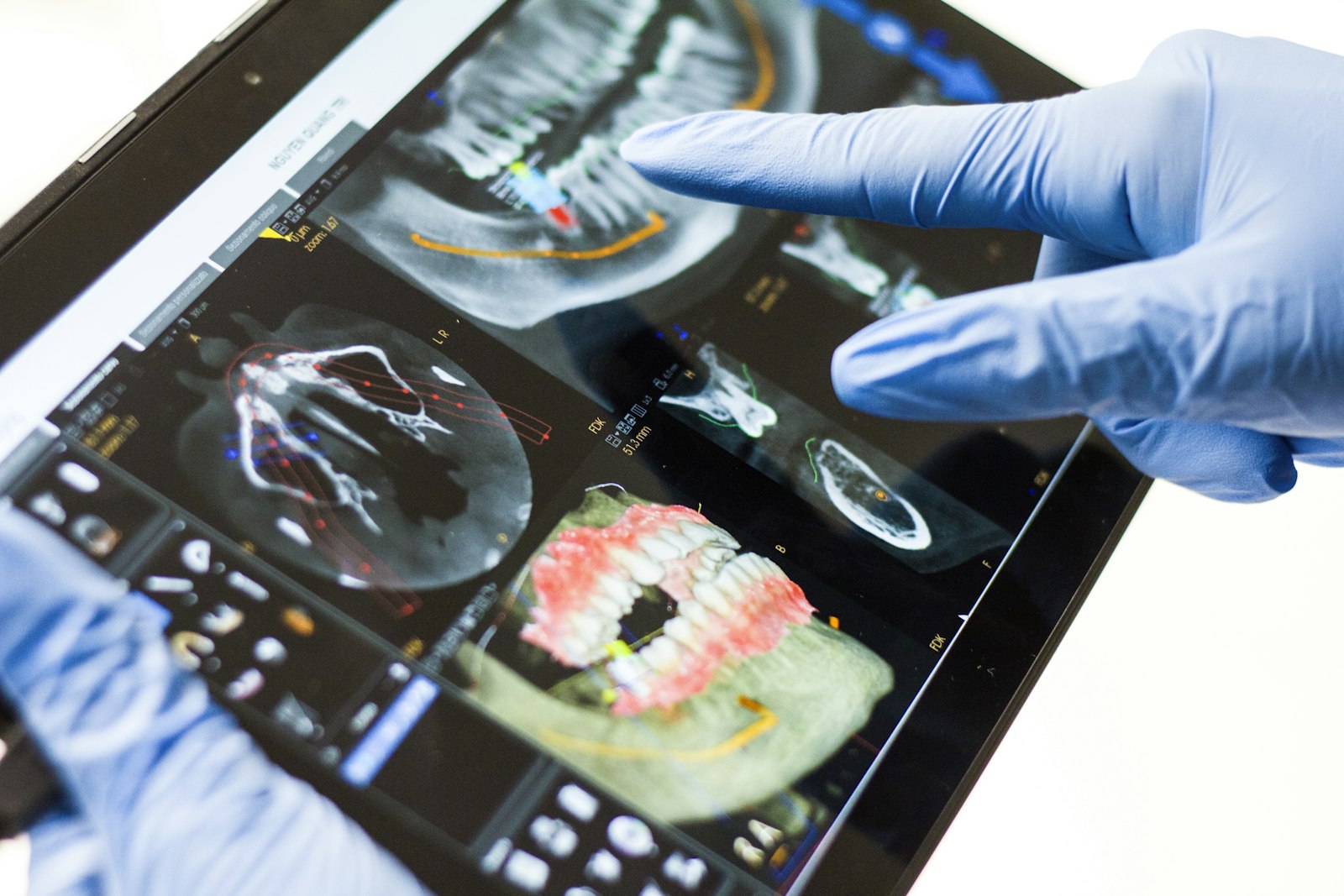
Choosing between capping, pulpotomy, a root canal or extraction depends on careful assessment. In my experience, three steps matter most.
- Symptom history: what triggers the pain, how long it lasts and whether it happens without a trigger.
- Cold test and tapping: a cold stimulus shows how the nerve responds and whether the response is brief or lingering. Tapping and bite tests help check the tissue around the root.
- X-ray: a radiograph shows the depth of decay, the root shape, and whether there are signs of infection around the root tip.
A further clue comes during treatment itself. Once the pulp is exposed, the dentist observes the bleeding. Bright red bleeding that stops with gentle pressure from a mild disinfectant on a small cotton pellet generally suggests healthy tissue. Bleeding that is dark, heavy or will not stop suggests deeper inflammation, and the plan may change to a deeper pulpotomy or a root canal.
What Happens on the Day
Every case is different, but a typical appointment for vital pulp therapy runs as follows.
- Local anaesthetic so the tooth is comfortable.
- Rubber dam isolation: a thin sheet of latex-free rubber is placed around the tooth so that saliva and bacteria stay out. This is one of the most important steps for success.
- Decay removal with careful control of the exposure area.
- Pulp assessment and bleeding control as described above, then removal of the inflamed portion if a pulpotomy is planned.
- Placing the bioactive material. The team at Lumi Dental uses Biodentine, a bioactive calcium silicate material, over the healthy pulp. It is designed to seal the area and encourage the pulp to form a protective layer of repair tissue. Other calcium silicate materials, including MTA, are also used in the profession.
- Sealing the tooth with a filling, or planning a crown if the tooth is heavily broken down.

How Well Does VPT Work?
Success depends on the tooth, the diagnosis and the technique, so figures should be read with caution. One systematic review and meta-analysis of pulpotomy in permanent teeth with irreversible pulpitis reported a pooled success rate of around 86 per cent overall, and around 83 per cent when only mature teeth with closed root tips were considered, with wide variation between the included studies. Other reviews have reported broadly encouraging results, but follow-up periods are often short and study quality varies.
This does not mean 83 out of every 100 teeth will do well, and it cannot predict your own tooth. It suggests that in carefully selected cases, VPT is a reasonable option to discuss, with a root canal remaining available if it does not settle.
When VPT Is Not Suitable
VPT may not be recommended when:
- the tooth has a swelling, pus or a sinus tract, which points to infection;
- the pulp bleeding cannot be controlled after exposure;
- an X-ray shows an established infection at the root tip;
- the tooth is so broken down that it cannot be sealed reliably;
- the tooth is very loose or has severe gum disease;
- the tooth is cracked deep into the root (see cracked tooth syndrome).
In these cases a root canal or, sometimes, extraction may be more appropriate.
Aftercare and the Final Restoration
Mild tenderness to biting or temperature for a few days is common after VPT. Gentle chewing on the other side and standard oral hygiene are usually enough. Contact the practice if pain worsens, lingers, or you notice swelling.
The final restoration matters as much as the pulp treatment. Research on pulp therapy consistently highlights that a bacteria-tight seal is critical, because leakage can let bacteria back to the pulp. Your dentist may recommend a bonded filling or, for a heavily restored tooth, a crown. Regular reviews and X-rays help check that the tooth continues to respond normally.
Cost Framing: General Market Ranges
Costs vary with the tooth, complexity and the restoration needed. The table below shows approximate general Australian market ranges only. They are not Lumi Dental prices and can vary widely between practices.
| Option | Approximate general market range | Notes |
|---|---|---|
| Vital pulp therapy with filling | $500 to $1,500 | Crown may be extra |
| Root canal with crown | $2,000 to $4,500 | Depends on the tooth and number of canals |
| Extraction | $200 to $700 | Excludes replacing the tooth |
Extraction can look cheaper, but replacing a missing tooth adds cost. See what happens if you do not replace a missing tooth and our root canal cost guide for more.
Common Questions
Is vital pulp therapy the same as a root canal?
No. Vital pulp therapy keeps some or all of the living pulp, while a root canal removes all of it from the canals.
Can a tooth with irreversible pulpitis be saved without a root canal?
In some carefully selected mature teeth, research suggests pulpotomy may be an option, but a root canal remains the more established treatment, and your dentist will advise which suits your tooth.
What is the difference between a pulpotomy and pulp capping?
Pulp capping covers the pulp without removing it, while a pulpotomy removes the inflamed part of the pulp before covering what remains.
What material is used in vital pulp therapy?
Bioactive calcium silicate materials are typically used, and the team at Lumi Dental uses Biodentine.
Is vital pulp therapy painful?
The procedure is done under local anaesthetic, so it is typically comfortable, and mild tenderness afterwards usually settles within a few days.
What happens if VPT does not work?
If symptoms return or an X-ray shows a problem, a root canal or, in some cases, extraction can still be considered.
Talk to Lumi Dental About Your Tooth
If a deep filling, a toothache or an X-ray finding has left you wondering whether your tooth can be saved, the team at Lumi Dental in Melrose Park can assess it. Check current deals for our new patient offer, or read about general dentistry in Melrose Park. We offer a free consult and a written quote so you know your options before deciding.


