
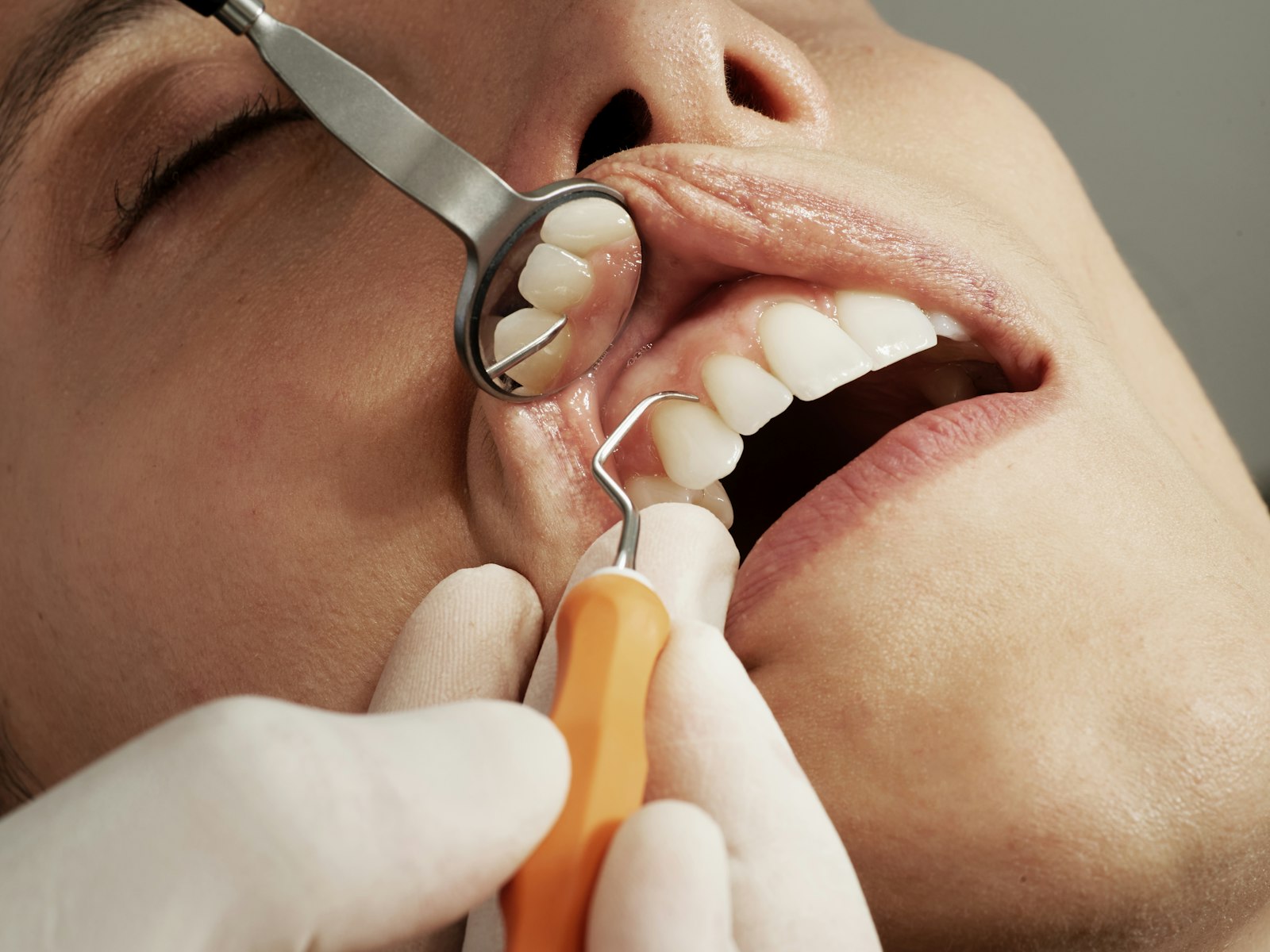

Botulinum toxin, better known by the brand name Botox, can reduce the force of jaw clenching and ease TMJ-related muscle pain for roughly three to four months per treatment, and a growing body of research backs that up, but it's generally used as an add-on to established treatments rather than a stand-alone or first-line fix for teeth grinding. If you're dealing with jaw pain, clenching, or grinding (bruxism), it's worth understanding where Botox actually fits before it becomes the first thing you consider.
Key takeaways
- Botox is injected into the masseter (the main jaw-clenching muscle) to weaken its force, which can reduce grinding intensity and muscle-related jaw pain.
- Research, including a 2023 systematic review and meta-analysis of randomised trials, shows measurable reductions in biting force, pain, and even headache frequency.
- The effect typically lasts three to four months before the muscle returns to its usual strength and treatment needs repeating.
- Occlusal splints (night guards), physiotherapy, and stress management remain the established first-line approaches for bruxism and TMJ pain.
- Botox for jaw clenching is generally considered an adjunct or off-label use rather than a guaranteed or stand-alone cure.
- It isn't suitable for everyone, including people with certain neuromuscular conditions or those who are pregnant or breastfeeding.
How Botox is used for jaw clenching and TMJ pain
The masseter is the thick muscle at the back of the jaw that does most of the work when you clench or grind. Botulinum toxin works by blocking the nerve signals that tell a muscle to contract, so when it's injected into the masseter in small doses, the muscle can't generate as much force. Less force means less wear on the teeth, less strain on the jaw joint, and for a lot of people, noticeably less pain and tension. It doesn't stop the nervous system trigger that causes clenching in the first place, it just reduces how hard the muscle can respond.
What the research actually shows
A 2023 systematic review and meta-analysis of randomised controlled trials, published in Aesthetic Plastic Surgery, found botulinum toxin injections produced a significant reduction in maximum bite force and pain severity compared with both oral splints and saline placebo injections at one month, and the effect was still measurable at three months. Other reviews looking specifically at temporomandibular disorder (TMD) pain have found similar improvements in pain scores, jaw opening range, and associated symptoms like headache and neck stiffness. The research is genuinely encouraging, but most of the studies are still relatively small, and reviewers consistently note that Botox for bruxism and TMJ pain remains an off-label use in most places, meaning it hasn't gone through the same regulatory approval process as it has for conditions like chronic migraine or excessive sweating. That doesn't mean it doesn't work, it means the evidence base, while growing, isn't yet at the level of a first-line, universally recommended treatment.
How it compares to established first-line options
Before Botox comes up in a treatment conversation, most dentists will start with the options that have decades of evidence behind them.
- Occlusal splints (night guards): a custom or fitted device worn over the teeth, usually at night, that protects enamel from grinding and can reduce muscle tension. See our night guard cost guide for what's involved.
- Physiotherapy and jaw exercises: targeted stretches and muscle release techniques that can ease tension and improve jaw movement. Our guide to TMJ jaw exercises covers some of these.
- Stress and habit management: since a lot of daytime clenching is linked to stress or concentration habits, addressing the trigger can reduce the clenching itself rather than just the downstream force.
- Bite adjustment or dental correction: where a misaligned bite is contributing to the problem, correcting it can address the underlying cause rather than managing the symptom.
Botox tends to be considered when these approaches haven't given enough relief on their own, or alongside them, rather than instead of them. For a broader look at what's driving your symptoms, our overview of TMJ jaw pain causes and treatment and bruxism in adults are good starting points.
How long does it last, and what's the process like?
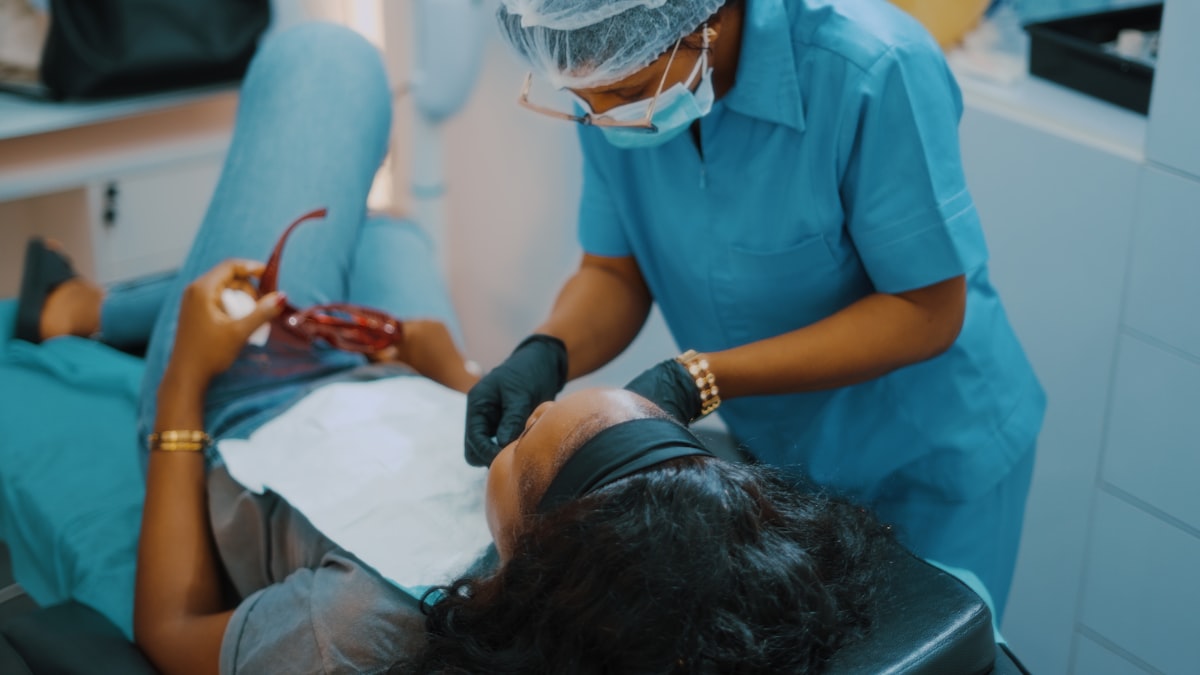
Most people notice the effect starting within one to three days, with the full effect settling in over one to two weeks. The muscle-weakening effect typically lasts around three to four months, after which muscle strength and grinding force gradually return to normal, meaning treatment needs to be repeated to maintain the effect. This is worth factoring into any decision, since it's an ongoing commitment rather than a one-off fix, unlike a night guard, which is a one-time cost that keeps working for years with normal care.
Who isn't a good candidate
Botox for jaw clenching isn't suitable for everyone. It's generally avoided during pregnancy and breastfeeding, and people with certain neuromuscular conditions (such as myasthenia gravis) need to avoid it altogether. It's also not the right starting point for someone who hasn't yet tried a night guard or addressed an obvious contributing factor like an uneven bite, since those are lower-cost, reversible, evidence-backed first steps. And because the masseter is also a chewing muscle, some people notice a temporary change in bite strength or jaw fatigue while chewing firmer foods, which is worth discussing before going ahead.
Where this leaves you
If jaw pain, clenching, or grinding is affecting your sleep, your teeth, or your day-to-day comfort, the sensible next step is a proper assessment rather than jumping to any one treatment. A dentist can check for signs of wear, assess your bite, and talk through whether a night guard, physiotherapy, or a referral for something like Botox makes sense for your situation. It's also worth reading up on the difference between jaw clenching and teeth grinding, since the two aren't quite the same thing and can call for slightly different approaches.
Frequently asked questions
Does Botox stop teeth grinding completely?
Not usually. It reduces how much force the jaw muscle can generate, which lessens the impact of grinding, but it doesn't stop the underlying clenching reflex. Many people still combine it with a night guard.
Is Botox for TMJ painful?
The injections themselves involve a brief pinch, similar to any small injection. Most people don't need numbing cream, and there's no downtime afterwards.
How long before I notice a difference?
Initial changes are often noticeable within a few days, with the full effect developing over one to two weeks.
Does it change my face shape?
Because the masseter is a chewing muscle, repeated treatment over time can lead to some softening of a squared jawline in people with a naturally prominent masseter, which some people see as a bonus and others don't. This is a separate consideration from the pain-relief effect.
Is Botox for jaw clenching covered by Medicare or private health insurance?
Coverage varies and it's often not covered when used specifically for bruxism, since this is generally an off-label use. Check directly with your insurer.
What should I try first if my jaw hurts from clenching?
A dental check-up to assess wear and bite, alongside a properly fitted night guard, is the standard starting point before considering anything else.
Can children or teenagers have Botox for grinding?
No. It isn't used in children, and grinding in younger patients is managed differently. See our guide on night-time tooth grinding in children for that age group.
This article is general information only and isn't a substitute for individual advice from a dentist about your jaw pain or grinding.
If clenching, grinding, or jaw pain is bothering you, the team at Lumi Dental can check your bite and talk through night guard and management options. Have a look at the current offers, or get in touch with the team at Lumi Dental to book a check-up.


