You can decide to stop dental treatment at any point, and no practice can make you continue. What stopping cannot do is return a tooth to the state it was in before work began. A tooth that has been shaped for a crown or opened for a root canal still needs something done to it, so changing your mind is really a decision about which smaller next step makes sense. Money already paid is a separate question, and it depends on what has been done so far.
This article is about that middle point, after treatment has started. Getting a written quote before you begin is covered in our guide to informed financial consent, and a problem with finished work is a different conversation again.
Some steps cannot be undone
Much of dentistry removes tooth structure before rebuilding it. Preparing a tooth for a crown takes off a layer of enamel, and sometimes dentine, to make room. Root canal treatment opens into the pulp chamber. Removing decay for a filling takes away the softened tooth. None of these can be reversed.
So if you decide after a crown preparation that you do not want the crown, the tooth still needs protection. Depending on the tooth, that might be a sturdier temporary crown, a different and simpler permanent restoration, or, if the tooth is already badly broken down, a conversation about whether it can be kept at all.
A half-finished tooth is vulnerable
A tooth partway through treatment is more exposed than either the untouched tooth or the finished result. Temporary crowns and fillings are designed to last weeks, not years, and can wear, leak or come loose. A tooth with root canal treatment under way relies on a temporary seal to keep bacteria out. Left too long, a prepared tooth may become sensitive, decay further or crack.
That is why your dentist will usually want to talk about what the tooth needs to be made safe, even if you are not continuing with the original plan. Simply walking away with nothing more done is rarely a safe option for the tooth, and a good practice will explain that rather than just closing the file.
What to ask before you decide
- What state is each tooth in right now, in plain language?
- What is likely to happen if nothing further is done, and how soon?
- What is the smallest step that would make the tooth stable?
- Does stopping affect any other teeth or later stages of the plan?
- What would the revised path cost, in writing?
The answers let you compare options on equal terms, rather than choosing between finishing everything and walking away.
Deposits and money already paid
Practices handle payments for staged treatment in different ways, so there is no single rule. The practical question is usually what has been provided for the money paid so far, such as completed appointments, clinical time and laboratory work already made, compared with any amount paid in advance for work not yet started.
In the background, the Australian Consumer Law sets consumer guarantees for services, including that they are carried out with due care and skill, are fit for a stated purpose and are provided within a reasonable time. How those guarantees apply to a particular dental case is a legal question, but they are part of the general framework for paid services.
The best time to ask how deposits work if a plan changes is before treatment starts. A good written estimate often sets this out, and our guide to written quotes explains what to look for.
Three situations that are easy to mix up
| Situation | What it means | First step |
|---|---|---|
| Before treatment starts | Agreeing on the plan and cost before any clinical work | Ask for a written estimate |
| Partway through treatment | Deciding not to continue after work has begun | Ask what the tooth needs to be made safe, and for a revised estimate |
| After treatment is finished | Completed work has failed or is causing a problem | Raise it with the treating practice |
Longer plans usually have pause points
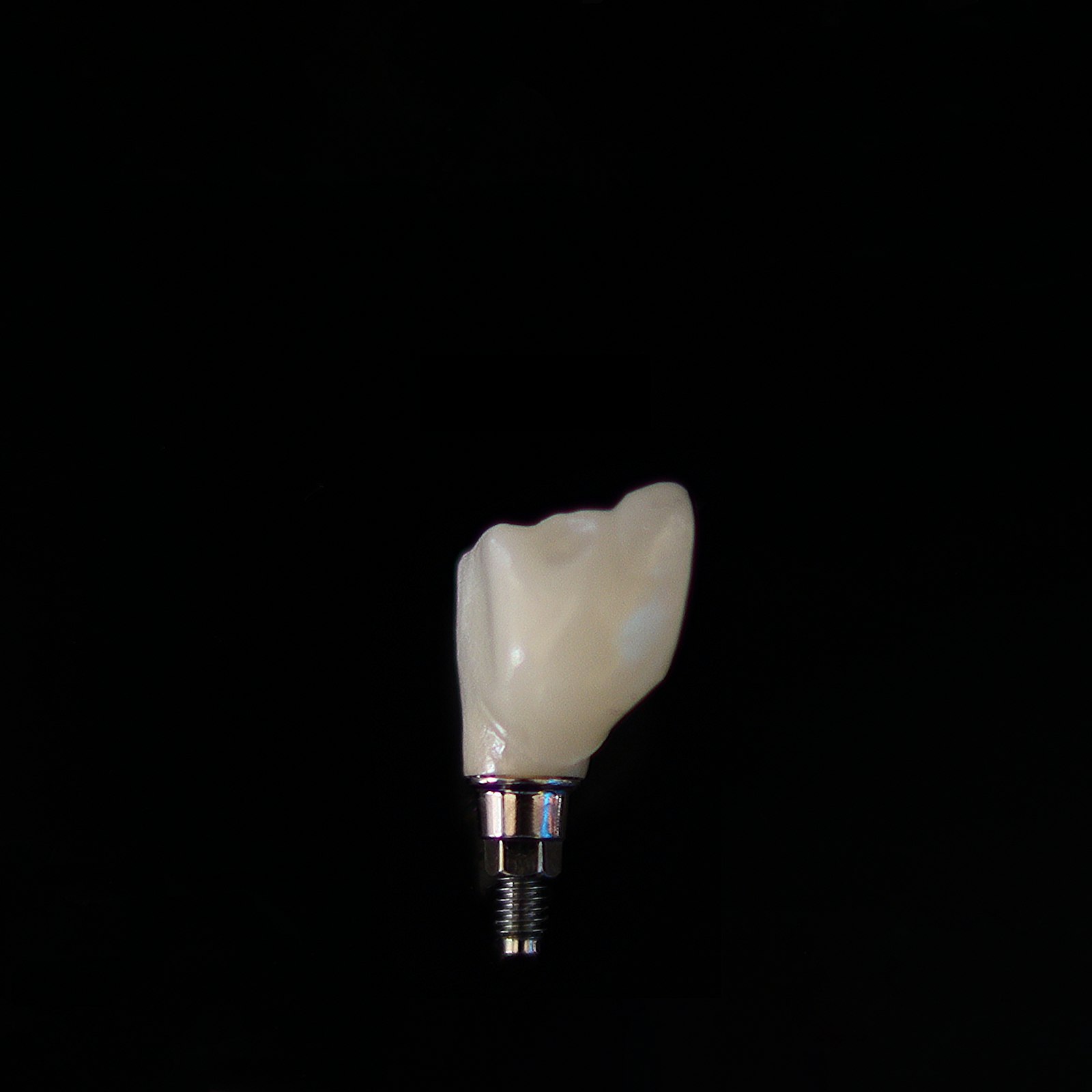
Orthodontic treatment, implants and plans with several linked restorations tend to run over months, and they usually have natural stopping points between stages. If your circumstances have changed, ask what state things are in at the current stage and what the realistic options are from there. Stopping one part of a staged plan does not always mean abandoning the rest. Our guide to understanding your treatment plan explains how staged plans are usually set out.
If cost is the reason you are reconsidering, there may be options between continuing as planned and stopping altogether, such as changing the order of treatment or spreading payments. Dental payment plans covers some of these, and the cost of avoiding the dentist looks at what can happen when needed treatment is left unfinished for a long time.
Common questions
Is it unusual to change my mind?
No. Finances, health and priorities change, particularly over a long plan. Raising it early gives you and your dentist more options.
Will I get a refund?
It depends on the practice and on what has already been done and paid for, including any laboratory work. Ask the practice directly, ideally before treatment starts.
What happens to a tooth prepared for a crown if I stop?
It cannot go back to how it was. Your dentist will explain what temporary or alternative restoration it needs to stay protected.
Who should I speak to first?
Your treating dentist. They can explain the clinical situation and give you a revised plan and estimate before anything else happens.
If you are reconsidering a plan that is already under way, a frank conversation about where things stand is the most useful next step. Our team at Lumi Dental is happy to talk through options at any stage. New patient offers are on our current deals page.
This article is general information about dental treatment plans in Australia and is not legal advice or a substitute for discussing your specific situation with your treating practice.