


Dental health for chefs and hospitality workers comes down to a single rule: frequency is the problem, not the portion. A chef who tastes forty or fifty times across a service has consumed almost nothing by volume, yet has restarted the acid attack in the mouth forty or fifty times. Each exposure typically takes saliva around twenty to thirty minutes to neutralise, so a busy service can keep the mouth acidic for most of the shift.
Key Takeaways
- Tiny tastes still trigger a full acid response. The damage driver is how often, not how much.
- Saliva typically needs around twenty to thirty minutes to bring mouth pH back to safe, and constant tasting never allows that window.
- Different hospitality roles carry different dominant exposures: pastry and barista work skews sugary, line cooking skews acidic.
- Split shifts and late finishes push brushing to odd hours or out of the day entirely.
- Service pressure and long standing shifts raise clenching and grinding, which shows up as jaw tightness and worn teeth.
- Heat, movement and poor hydration reduce saliva, which is the mouth's main acid buffer, at exactly the wrong moment.
Why Kitchen Work Counts as an Exposure
Hospitality does not usually appear on lists of jobs with occupational health risks to the mouth, but it should. The combination of frequent small acidic and sugary exposures, reduced saliva, disrupted hygiene timing and high stress is a fairly complete set of risk factors arriving at once.
Tasting is not optional. A cook who does not taste is not doing the job. Vinaigrettes, citrus, tomato reductions, wine and stock reductions, pickles and brines are all well below the pH at which enamel starts to dissolve. On the sweet side, sauces, glazes, pastry fillings, ice cream bases and syrups deliver sugar to plaque bacteria, which produce their own acid within minutes.
In the patients I see who work in kitchens, the thing that often surprises them is that the diet outside work is genuinely good. It makes no difference. The exposure at work is the one that counts, because it is the one that repeats.
The acid attack cycle
It is worth understanding the mechanism, because it explains why the advice is what it is.
When sugar reaches plaque, bacteria metabolise it and produce acid within a few minutes. Mouth pH drops below the critical point of around 5.5 and enamel begins to lose minerals. Saliva then goes to work, diluting and buffering the acid and returning calcium and phosphate to the enamel surface. That recovery typically takes somewhere around twenty to thirty minutes.
Acidic foods do the same thing more directly, lowering pH on contact without needing bacteria involved at all. Either way, the tooth spends that recovery window in a vulnerable state.
A person who eats three meals and one snack gives their mouth four of these cycles a day, with long neutral stretches between them. A chef tasting through a service might trigger dozens, back to back, with no neutral stretch at all. That is the entire difference, and it has nothing to do with willpower or diet quality.
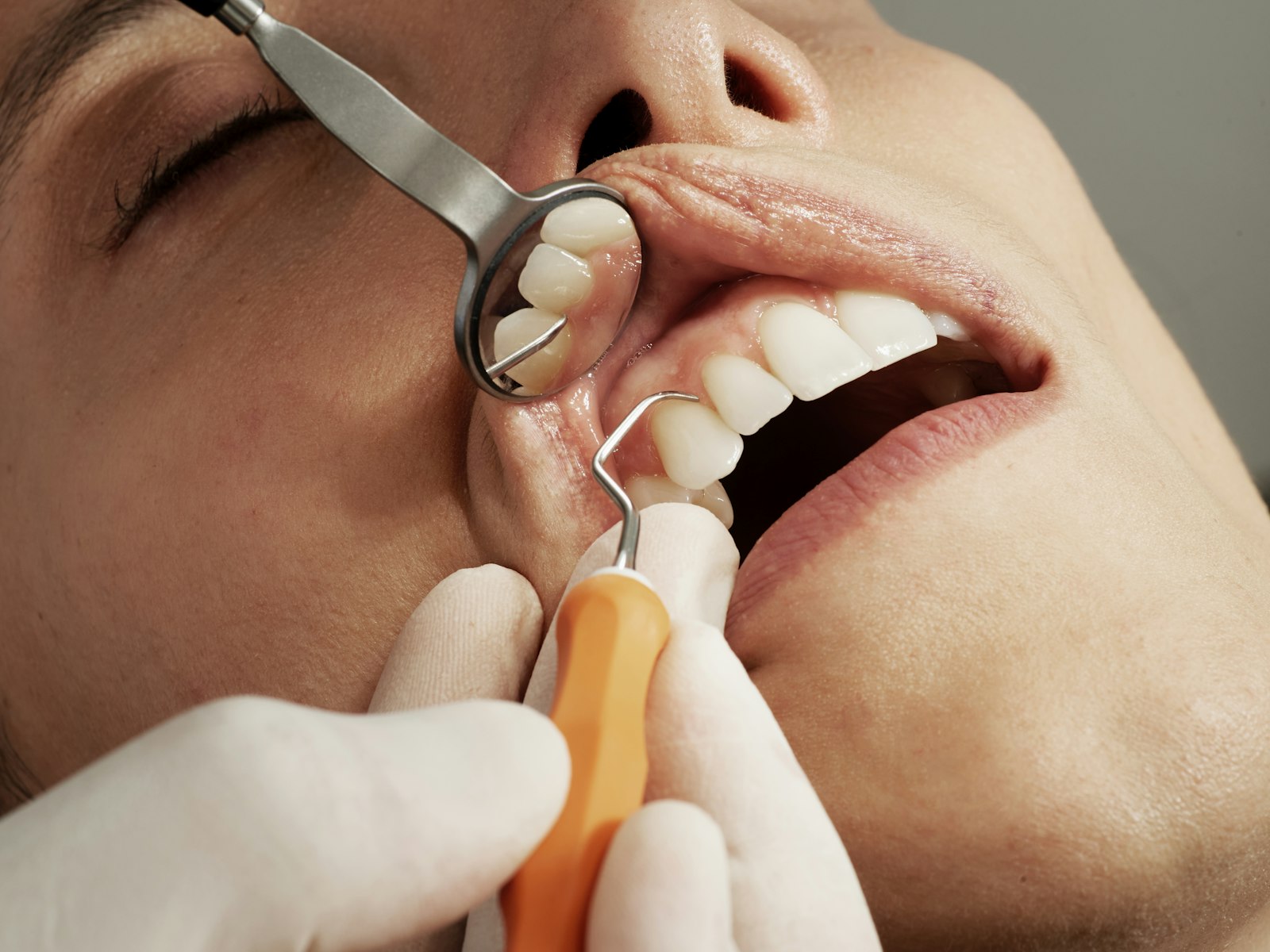
Roles Carry Different Risks
Hospitality is not one job, and the dominant exposure shifts depending on what you actually do all day.
| Role | Dominant exposure | What helps most |
|---|---|---|
| Line cook, saucier | Acid. Vinaigrettes, citrus, tomato, wine and vinegar reductions tasted repeatedly | Water rinse between tastes, and never brushing straight after service |
| Pastry chef | Sugar. Batters, fillings, glazes, ice cream bases, chocolate work | Clustering tasting into fewer sessions, sugar-free gum at breaks, fluoride toothpaste twice daily |
| Barista | Combined. Acidic coffee, milk sugars, repeated cupping and calibration shots | Water after each shot, and not sipping a sweetened drink across a shift |
| Bar staff | Acid and sugar. Citrus, mixers, syrups, wine tasting for service | Rinsing, and being aware that sparkling and sugar-free mixers are still acidic |
| Front of house | Dryness and grazing. Talking constantly, snatched snacks, energy drinks between sittings | Water bottle kept on station, eating at defined breaks rather than grazing |
| Kitchen hand, prep | Lower tasting load, higher dehydration and disrupted routine | Steady hydration and a workable brushing routine around the shift pattern |
Most people in a kitchen sit across several of these, especially in smaller venues. The point of the table is to identify which exposure dominates your week so the effort goes where it counts.
Mid-Service Tactics That Actually Work
Advice that assumes you can stop and brush after every taste is useless in a working kitchen. These are the things that fit.
- Keep water on your station and sip between tastes. This is the single highest value habit available to a cook. It dilutes acid, clears residue and supports saliva flow. Plain water, not sparkling, not cordial.
- Use one spoon and rinse the palate rather than eating the taste. Some of the exposure is unavoidable, but swallowing less means less contact time with the back teeth.
- Cluster tasting where the dish allows. Checking seasoning three times in a row is fewer separate acid events than checking it at nine points across a service.
- Sugar-free gum at breaks. Chewing stimulates saliva flow, which helps restore pH faster. Xylitol gum may offer additional benefit.
- Do not brush immediately after acidic tasting. Enamel is softened for a period after acid exposure, and brushing then can abrade it away. Rinse with water, wait around thirty minutes to an hour, then brush.
- Deal with the post-shift meal deliberately. A heavy late feed followed by sleep is a decay and reflux risk. If it is going to happen, brushing afterwards is worth the two minutes.
- Watch the staff drinks. Beer, wine, spirits with mixers and soft drinks after a shift are all acidic, and they land on a mouth that has already had a difficult night.
Dryness, Heat and Saliva
Saliva is the whole defence. It buffers acid, clears debris and carries minerals back into enamel. A hot kitchen works against all three.
Standing over heat for eight to twelve hours, moving constantly and drinking too little produces a reliably dry mouth by the end of service. Alcohol after work adds to it. Some medications do too. The unfortunate timing is that saliva is at its lowest exactly when the exposure load has been at its highest.
If you wake with a sticky mouth, need water to get dry food down, get bad breath that brushing does not fix, or have started getting new decay without any change in habits, it is worth reading about dry mouth causes and treatment and raising it at your next appointment. The fix is usually simple once it is identified.
The mechanism behind acid erosion is the same one that affects people exposed to acidic water, described in the article on saltwater and chlorine tooth erosion. It is worth a look if you want to understand what erosion actually does to a tooth surface as distinct from decay.
Clenching Under Service Pressure
The second half of the hospitality picture has nothing to do with food. Clenching and grinding are common in high-pressure, time-critical work, and kitchens are about as time-critical as work gets.
Most people who clench during the day have no idea they are doing it. The jaw simply holds tension while attention is elsewhere, which in a kitchen is constantly. Signs worth noticing include:
- Jaw tightness or ache on waking, or by the end of a shift
- Headaches at the temples
- Teeth that are flattening, chipping at the edges, or looking shorter
- Increased sensitivity, particularly at the gum line
- Scalloped indentations along the edges of the tongue
- A clicking or tired jaw when eating
The management is usually conservative. Becoming aware of the habit, deliberately parting the teeth when you notice, and addressing the sleep component where present. A custom night guard is often discussed where grinding is happening overnight, and while it does not stop the habit, it may protect the teeth from the wear. The same pattern shows up in other high-focus settings, which is covered in the articles on gaming and esports jaw clenching and weightlifting and teeth clenching.
Fitting Appointments Around a Hospitality Roster
Split shifts, late finishes and weekend work make standard business hours difficult, which is a large part of why hospitality workers often present late with problems that used to be small.
A few practical things help. Book the next appointment before you leave the practice rather than planning to call. Ask specifically about early morning slots, which often suit a split shift better than anything else. Combine a checkup and clean into one longer visit where possible. And if something starts hurting mid-week, do not plan to ride it out until a quiet Monday, because seeing a dentist without an appointment is often possible and a lot cheaper than what the problem turns into.
On cost, general Australian market ranges run roughly two hundred to four hundred dollars for a checkup, clean and x-rays, and around one hundred fifty to three hundred dollars for a simple filling, with wide variation between practices. A root canal and crown on a back tooth can exceed two and a half thousand dollars, which is the arithmetic that makes early attention worthwhile on a hospitality wage. The team at Lumi Dental can provide a written quote before any treatment starts.
Common Questions
I only taste tiny amounts. Does that really matter?
Yes, and this is the most common misunderstanding. The acid response is triggered by exposure, not by volume. A quarter teaspoon of vinaigrette drops mouth pH much the same as a mouthful would. It is the repetition that does the damage.
Can I just rinse with mouthwash during service?
Plain water is better in the moment. Many mouthwashes are acidic themselves, and alcohol-based ones dry the mouth, which is counterproductive during a hot shift. A fluoride mouthwash at a separate time from brushing can be useful, but it is not a mid-service tool.
Why should I not brush straight after a shift?
If the shift involved acidic tasting, enamel will be temporarily softened. Brushing then can wear away the softened surface. Rinse with water when you finish, wait around thirty to sixty minutes, then brush.
Does chewing gum really help?
It helps by stimulating saliva flow, which speeds the return to a neutral pH. It is not a substitute for brushing, but at a break in the middle of a service it is a genuinely useful option when brushing is not possible.
How do I know if I am clenching at work?
Set a mental check. Several times a shift, notice where your teeth are. They should be slightly apart at rest with the lips together. If they are touching or pressed, you are clenching. Morning jaw tightness and temple headaches are the other common clues.
How often should someone in hospitality get checked?
Six to twelve monthly is the general guidance, and many hospitality workers sit toward the shorter end because of the exposure pattern. It is worth telling your dentist what you do for work, since it changes the preventive advice that makes sense.
Where to From Here
Kitchen work stacks several dental pressures on top of each other, and none of them are a reflection of how well anyone looks after themselves. Water on the station, a bit of clustering where the dish allows, gum at breaks, not brushing straight after acid, and paying attention to the jaw will cover most of it. If it has been a while between checkups, a short visit now usually finds things while they are still small and cheap to deal with. Have a look at current offers or read more about general dental care at Lumi Dental, and the team can work around a split shift.
This article is general information only and is not a substitute for individual dental or medical advice. Please speak with a qualified health practitioner about your own circumstances.

