


You can turn up at a dental practice without a booking, but being seen straight away is never certain. Dental appointments are long and planned in advance, so an unbooked patient has to fit into gaps in the day. A phone call before you leave home, even five minutes before, is usually the quickest way to find out whether a dentist can see you and when.
How a practice handles an unbooked visit depends mostly on one thing: are you in pain or injured, or would you simply like a check-up sooner?
Pain and injuries are seen first
Practices that take same-day patients sort them by urgency. A broken tooth with a sharp edge, a knocked-out tooth, swelling around a tooth or toothache that is keeping you awake will usually be squeezed in ahead of anything routine. Dental appointments for these problems may be short at first, aimed at relieving pain and making things safe, with a longer visit booked later to finish the treatment.
A request for a check-up and clean without a booking is a different matter. Practices may offer you a cancellation later that day or the next available booked time. That is not the practice being unhelpful. A check-up needs a full appointment, and a dentist cannot easily make one appear in a booked day.
What usually happens when you arrive unbooked
The order of events is similar at most practices, although the details vary:
- Reception asks what the problem is and how long it has been going on.
- Someone decides how urgent it is, based on pain, swelling, bleeding or injury.
- You are offered a time, which might be a short wait, a slot later in the day or a booking on another day.
- The dentist examines the tooth, usually takes an X-ray, and then treats the problem, provides temporary care with a follow-up booked, or refers you if specialist care is needed.
Arriving with your Medicare or health fund card, a list of your medicines and any allergies helps the dentist assess you faster, particularly if you take blood thinners or have a heart condition.
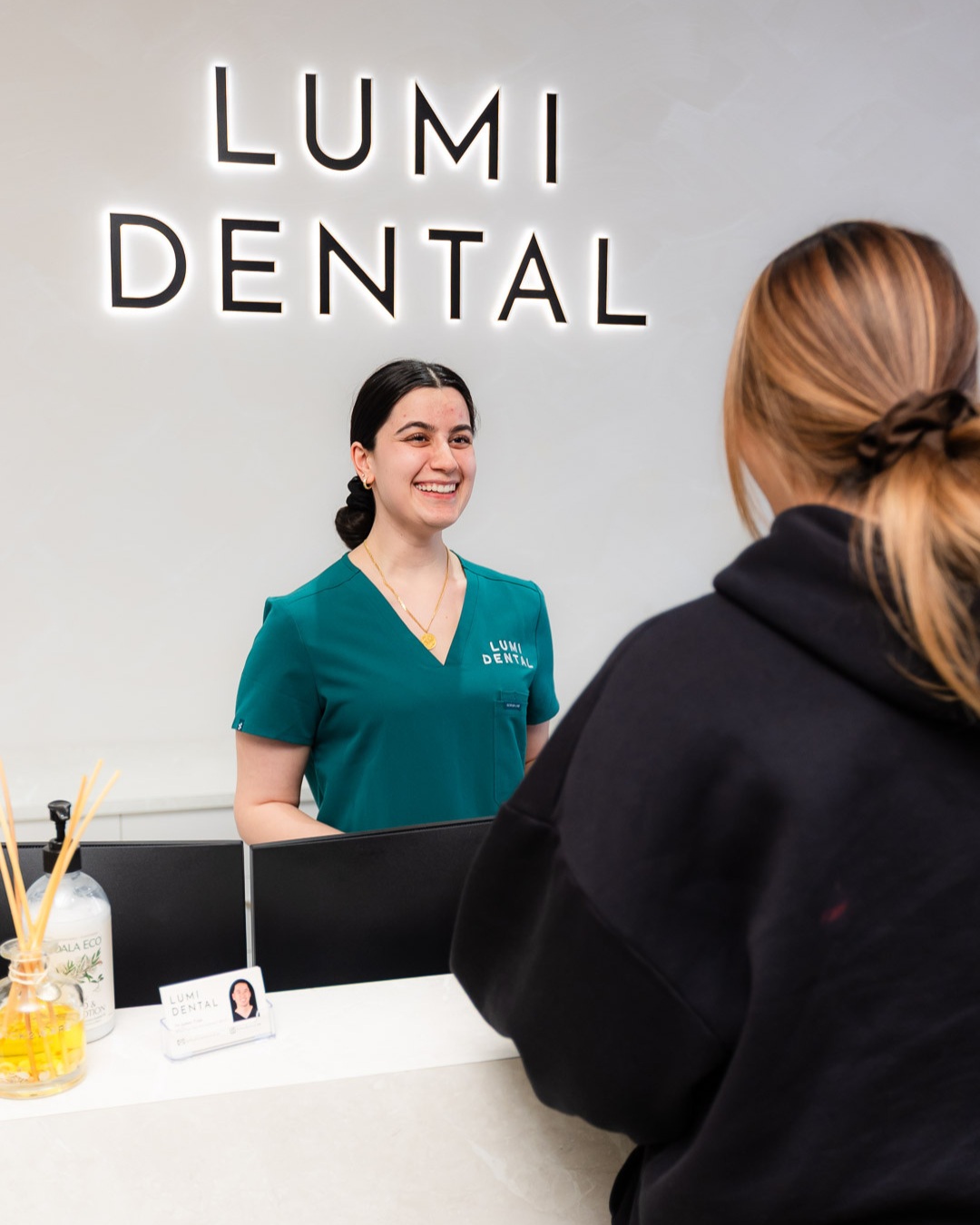
Calling first saves a wasted trip
A quick phone call tells the practice you are on your way and gives them the chance to tell you if the day is already full. They can also check whether the dentist on duty can manage your problem, for example a child with a knocked-out tooth or a denture that has broken. If the answer is no, you can try somewhere else straight away rather than after a drive and a wait.
Calling also lets reception give you first aid advice while you travel, such as how to store a knocked-out adult tooth in milk or saline, which can make a real difference to the result.
If no one can see you today
On a busy day, the practice you call may not have a gap. A few steps can still help:
- Ask to go on the cancellation list. Same-day cancellations do happen, and urgent patients are often offered them first.
- Ask whether the dentist can see you briefly to relieve pain, with the full treatment booked for another day.
- Try another practice that offers emergency appointments, and mention your symptoms when you call.
- If you hold an eligible concession card, contact your local public dental service, which prioritises urgent problems.
- Use over-the-counter pain relief only as directed on the pack, and tell the dentist what you have taken and when.
Pain that eases does not always mean the problem has gone. An infected tooth can stop hurting while the infection continues, so keep the appointment even if you feel better.
Different places for different problems
| Where | Best suited to |
|---|---|
| A practice that offers emergency or same-day appointments | Toothache, broken or knocked-out teeth, lost fillings or crowns, dental swelling without breathing problems |
| A practice that works by booking only | Routine and planned care; you will usually be asked to call and book even for an urgent problem |
| Public dental services | Eligible concession card holders and children; urgent care is prioritised, and access varies by local health district |
| Hospital emergency department or triple zero (000) | Swelling that affects breathing, speaking, the eye or the neck, uncontrolled bleeding, or a serious facial injury |
When to skip the dentist and go to hospital
Healthdirect advises emergency care if toothache or gum swelling causes problems with breathing or speaking, or swelling around your eye or neck, and to call triple zero (000) if you need urgent medical help. Heavy bleeding that does not stop with firm pressure, or a suspected broken jaw after an accident, also belongs in a hospital emergency department rather than a dental chair.
For everything else, including severe toothache, a dentist is usually the right person to see. Hospitals generally manage pain and infection but do not repair teeth.
Paying for an unplanned visit
An emergency visit is usually charged as an examination plus any X-rays and treatment needed on the day. Our guide to emergency dentist costs explains typical market ranges for common same-day problems. If you have extras cover, it is worth knowing what your policy includes, and our article on how dental cover works in Australia explains waiting periods and limits.
Questions about seeing a dentist without a booking
Will I be seen the same day with a toothache?
Often, yes, because pain is prioritised. It still depends on how full the day is, which is why calling first helps.
Can I walk in for a check-up?
You can ask, but a check-up needs a full appointment. Expect to be offered a booking rather than an immediate visit.
What should I bring?
Your Medicare card, any health fund card, a list of current medicines and details of any medical conditions or allergies.
Need to be seen soon?
Lumi Dental offers emergency appointments at Melrose Central in Melrose Park, and we are open Monday to Saturday, until 9pm on Thursdays, with Sundays by appointment. Health fund claims can be made on the spot with HICAPS, and there is free undercover parking. Please call ahead so we can tell you the earliest time available. Find out more on our emergency dentist page, see our current offers or read about our general dental care.








