

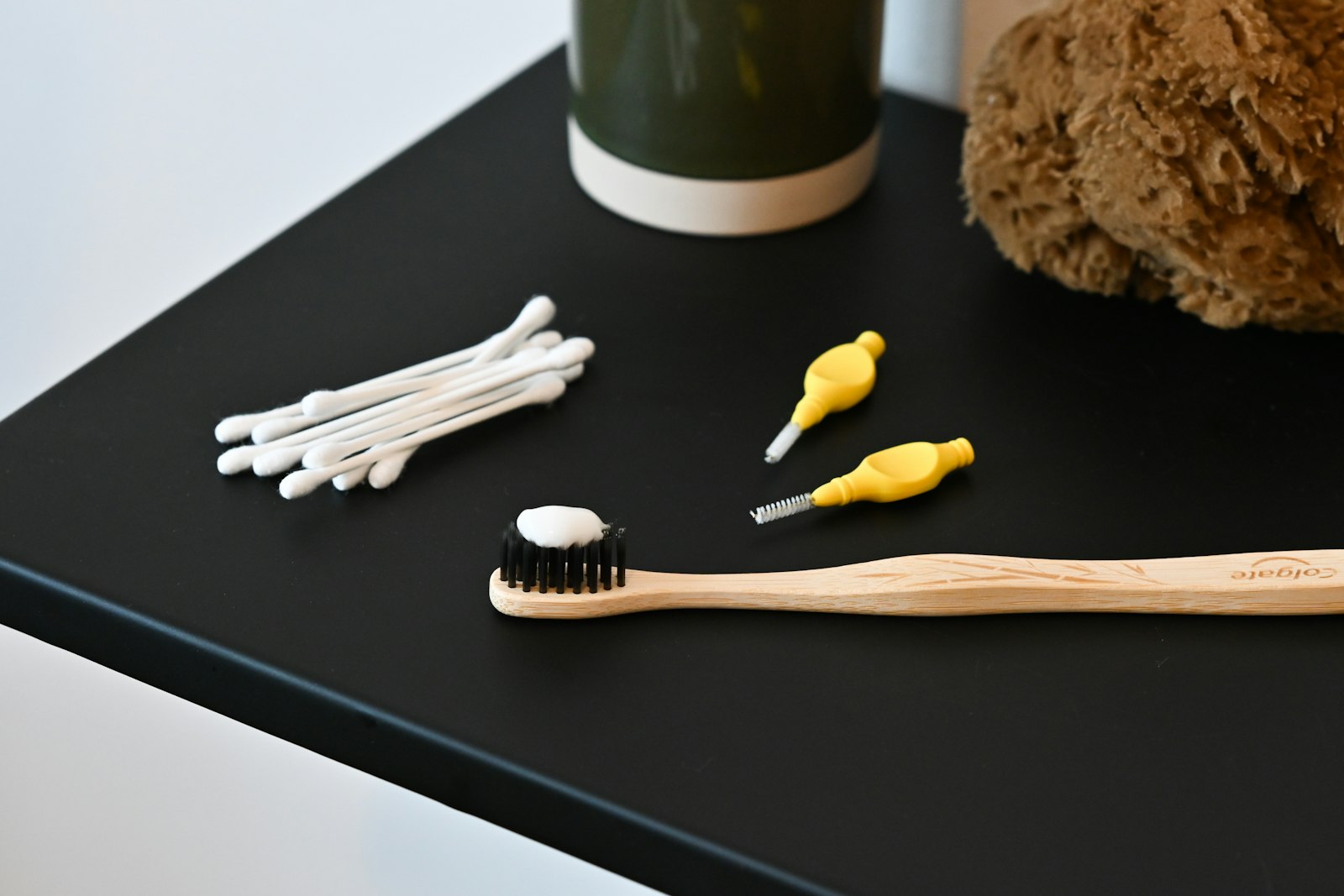

The simplest rule for children and fluoride toothpaste is to match both the amount and the strength to your child's age. Under current Australian recommendations, that means water only until 18 months, a pea-sized amount of low-fluoride toothpaste from 18 months to 6 years, and a pea-sized amount of standard toothpaste from 6 years onward. Getting the amount right gives strong protection against decay while keeping swallowed fluoride low.
Key takeaways
- Under 18 months: brush with water and a soft brush, no toothpaste, unless advised otherwise by your dentist.
- 18 months to 6 years: a pea-sized amount of low-fluoride toothpaste (around 500 ppm), twice a day.
- 6 years and over: a pea-sized amount of standard fluoride toothpaste (at least 1000 ppm).
- Encourage spitting out, not rinsing, and supervise brushing until around age 7 to 8.
- These are general guidelines; your dentist may adjust them based on your child's decay risk.
Why the amount matters
Fluoride is one of the most effective tools for preventing tooth decay because it strengthens enamel and helps reverse the earliest stages of damage. The catch with young children is that they tend to swallow toothpaste rather than spit it out. Swallowing small amounts of fluoride toothpaste is not harmful, but too much fluoride during the years when adult teeth are forming can cause faint white marks on the teeth, known as fluorosis. The age-based amounts exist to give the benefit of fluoride while keeping the swallowed dose low. Our article on whether fluoride is safe for teeth covers this balance in more detail.
An age-by-age guide
Birth to 18 months
Start cleaning as soon as the first tooth appears, usually around 6 months. Use a soft, small toothbrush or a clean damp cloth with water only, twice a day. No toothpaste is needed yet for most children. Our guide to cleaning baby and toddler teeth walks through the routine.
18 months to 6 years
Introduce a low-fluoride children's toothpaste, around 500 ppm fluoride, using a pea-sized amount. Brush twice a day, in the morning and before bed. At this age children cannot clean effectively on their own, so an adult should do or closely guide the brushing.
6 years and over
Move to a standard family fluoride toothpaste of at least 1000 ppm, still using a pea-sized amount. By now most children can spit reliably. Keep supervising until you are confident they brush thoroughly, usually around age 7 to 8.

Quick reference table
| Age | Toothpaste | Amount |
|---|---|---|
| Under 18 months | None (water only) | Soft brush, no paste |
| 18 months to 6 years | Low-fluoride (around 500 ppm) | Pea-sized |
| 6 years and over | Standard (at least 1000 ppm) | Pea-sized |
These reflect general Australian guidance. Children at higher risk of decay may be advised to start standard toothpaste earlier or use extra fluoride measures, which is a decision for your dentist.
Spit, do not rinse
One small habit makes a big difference: teach your child to spit out the toothpaste after brushing and not to rinse with water. Rinsing washes away the fluoride before it can keep working on the teeth. Leaving a little behind lets the fluoride continue strengthening the enamel. This applies to adults too. Pair this with brushing last thing at night, after which only water should pass the lips.
Other ways to protect young teeth
Toothpaste is one part of prevention. Limiting how often sugary food and drink appear in the day matters just as much, since frequency of sugar is a major driver of decay. Our companion article on tooth-friendly snacks for children covers the diet side. Professionally applied fluoride varnish and sealants add further protection for higher-risk teeth, explained in our guides to fluoride varnish for children and overall cavity prevention. Regular checks let small problems be caught early, as our piece on the first dental visit describes.
Frequently asked questions
Is it safe for my child to swallow a little toothpaste?
Swallowing the small, recommended amount of toothpaste is not harmful. The age-based amounts are designed precisely so that any swallowed fluoride stays within a safe range while still protecting the teeth.
When can my child start using adult toothpaste?
From around 6 years, children can use a standard family fluoride toothpaste of at least 1000 ppm, still in a pea-sized amount. Before that, a lower-fluoride children's paste is recommended.
What if my child will not spit it out?
That is normal for toddlers, which is exactly why the amount is kept small. Use only a pea-sized amount, encourage spitting as they get older, and avoid letting them eat toothpaste from the tube.
My child has white marks on their teeth. Is that from toothpaste?
White marks can have several causes, including mild fluorosis, early decay or developmental changes. It is worth having a dentist look, as the cause guides whether anything needs doing. Our article on white spots covers the possibilities.
The bottom line
Matching the amount and strength of fluoride toothpaste to your child's age gives strong decay protection while keeping swallowed fluoride low. Water only under 18 months, a pea-sized low-fluoride paste to age 6, then a pea-sized standard paste after that, with spitting not rinsing. The team at Lumi Dental can tailor advice to your child's needs. To plan a visit, see our current offers and pricing or book with a family dentist in Melrose Park.

