

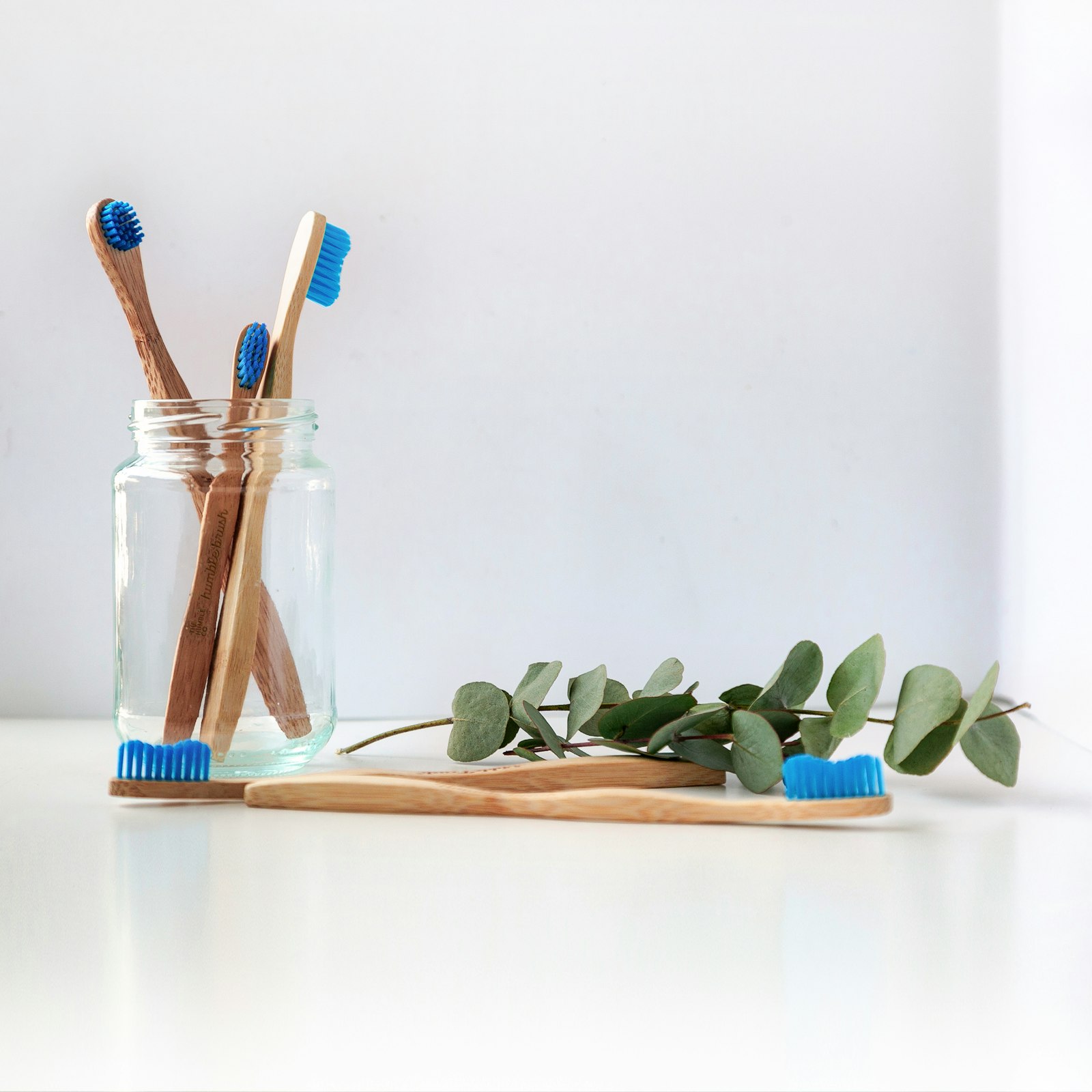

Clear aligners need cleaning at least twice a day, not just when they start looking cloudy, because plaque begins forming on the plastic within hours of wearing a tray. Whether you are wearing Invisalign, Angel Aligners, Spark or another brand, the trays sit against your teeth and gums for 20 to 22 hours a day. Anything left on the plastic, saliva, bacteria, sugar from a drink, stays in close contact with your enamel for almost the entire day. Good aligner hygiene is one of the simplest habits that protects your teeth during treatment, and it is also one of the most commonly overlooked parts of the process.
Key Takeaways
- Clean your aligners every morning and night, ideally each time you brush your own teeth.
- Use cool or lukewarm water only. Hot water can warp the plastic and change the fit of the tray.
- A soft toothbrush and clear, unscented antibacterial soap work better than toothpaste, which is mildly abrasive and can scratch and dull the plastic.
- Avoid eating or drinking anything except water while your aligners are in.
- Cloudy, sticky or smelly trays are a sign your routine needs adjusting, not something to wait out until your next tray change.
Why aligner hygiene matters more than people expect
Aligners cover almost the entire visible surface of your teeth, including areas your toothbrush would normally clean on its own throughout the day. When a tray is not cleaned properly, plaque and bacteria get trapped between the plastic and the tooth surface rather than being washed away by saliva and normal chewing. Over weeks of treatment, this trapped plaque is what leads to the white, chalky marks of early decay or gum inflammation along the gumline, exactly where the tray sits. It is a completely preventable problem, and the fix takes less than two minutes twice a day.
The daily cleaning routine that works
- Rinse on removal. Every time you take your aligners out, rinse them under cool running water to remove saliva and loose debris before it dries onto the plastic.
- Brush gently, twice a day. Use a separate soft toothbrush (not the one you use on your teeth) with a small amount of clear antibacterial soap or a denture-cleaning brush. Brush all surfaces, inside and out, then rinse thoroughly.
- Soak weekly. A weekly soak in a retainer or aligner cleaning solution, or a diluted denture-cleaning tablet, helps reach bacteria that brushing alone can miss. Follow the product's instructions on strength and soak time.
- Clean your teeth before you put trays back in. Brushing and flossing before reinserting your aligners is just as important as cleaning the trays themselves, since anything left on your teeth ends up sealed against them for hours.
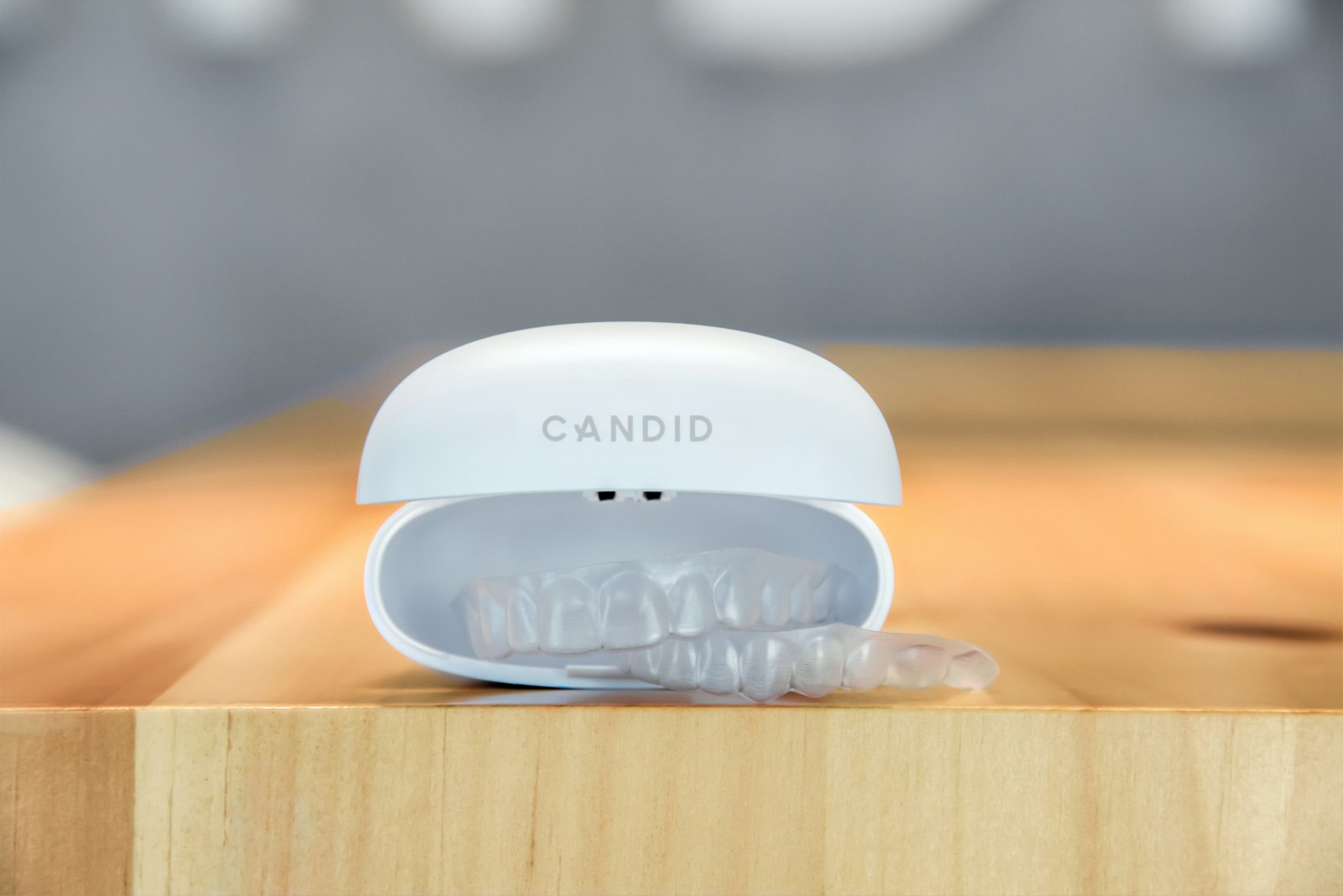
- Store them properly. Always use the hard case provided when trays are out of your mouth. A tray wrapped in a napkin is one of the most common ways aligners get thrown out by accident or picked up by a pet.
What damages aligners and should be avoided
| Habit | Why it causes problems | What to do instead |
|---|---|---|
| Hot water or dishwasher cleaning | Warps the plastic, which changes the fit and can slow tooth movement | Use cool or lukewarm water only |
| Toothpaste for cleaning trays | Mildly abrasive ingredients scratch the plastic, creating microscopic grooves that trap bacteria and look cloudy | Use clear antibacterial soap or a dedicated aligner cleaner |
| Coloured or scented mouthwash for soaking | Can stain the clear plastic and leave a strong taste | Use a clear, alcohol-free rinse or a purpose-made soak |
| Drinking coffee, tea, juice or soft drink with trays in | Sugar and acid sit against the teeth for hours and can stain the aligner | Remove trays for anything except plain water |
| Skipping the case | Loose trays get lost, bent or contaminated | Always store in the hard case when not worn |
Signs your aligner needs more than a rinse
A tray that has gone cloudy, feels rough to the tongue, or has an odour even right after cleaning usually means bacteria or mineral deposits have built up faster than your current routine can handle. This is common in the first week or two of a new hygiene habit while you find your rhythm. Stepping up to a daily soak rather than a weekly one, and double checking you are rinsing your mouth and the tray immediately after any drink other than water, usually resolves it within a few days. If a tray develops a crack, a sharp edge, or no longer seats flush against your teeth, that is a fit issue rather than a hygiene one and is worth mentioning at your next visit, similar to the checks covered in our guide on what to do about a lost or damaged aligner tray.
A quick note on speech and comfort
A clean, well-fitted aligner should not affect how it feels in your mouth beyond the normal pressure of tooth movement. If you are also noticing a temporary lisp in the first few days of a new tray, that is a separate and entirely normal adjustment, covered in more detail in our article on why braces and aligners can affect speech. Attachments, the small tooth-coloured bumps some plans use to help the tray grip certain teeth, need a little extra attention when brushing since plaque likes to collect around their edges. Our guide to aligner attachments and IPR explains what these are and why most plans include them.
Common Questions
Can I use mouthwash to clean my aligners?
A clear, alcohol-free mouthwash can be used as an occasional soak, but it is not a substitute for brushing the trays. Coloured or strongly flavoured mouthwash can stain the plastic over time.
Is it normal for aligners to smell after a few days?
A very faint smell after removal is common, but a strong or persistent odour usually means bacteria have built up and the cleaning routine needs to step up, typically with a daily soak rather than an occasional one.
Can I clean my aligners with baking soda?
Baking soda is mildly abrasive, similar to toothpaste, and can scratch the plastic with regular use. An occasional gentle scrub is unlikely to cause harm, but it is not recommended as a daily method.
How often should I replace my toothbrush for cleaning aligners?
Treat it like any toothbrush and replace it every two to three months, or sooner if the bristles fray, since a worn brush cleans less effectively.
What if I forget to clean my aligners for a day?
One missed clean will not undo your treatment. Rinse and brush the trays as soon as you remember, and get back to your normal routine. It is a habit that compounds over months, not a single mistake that causes lasting damage.
If your aligners are not fitting the way they should, or you have questions about keeping them clean through treatment, the team at Lumi Dental is happy to help at your next check-in. See current offers or find out more about general dental care at Lumi Dental.
This article is general information and does not replace individual orthodontic advice.

