

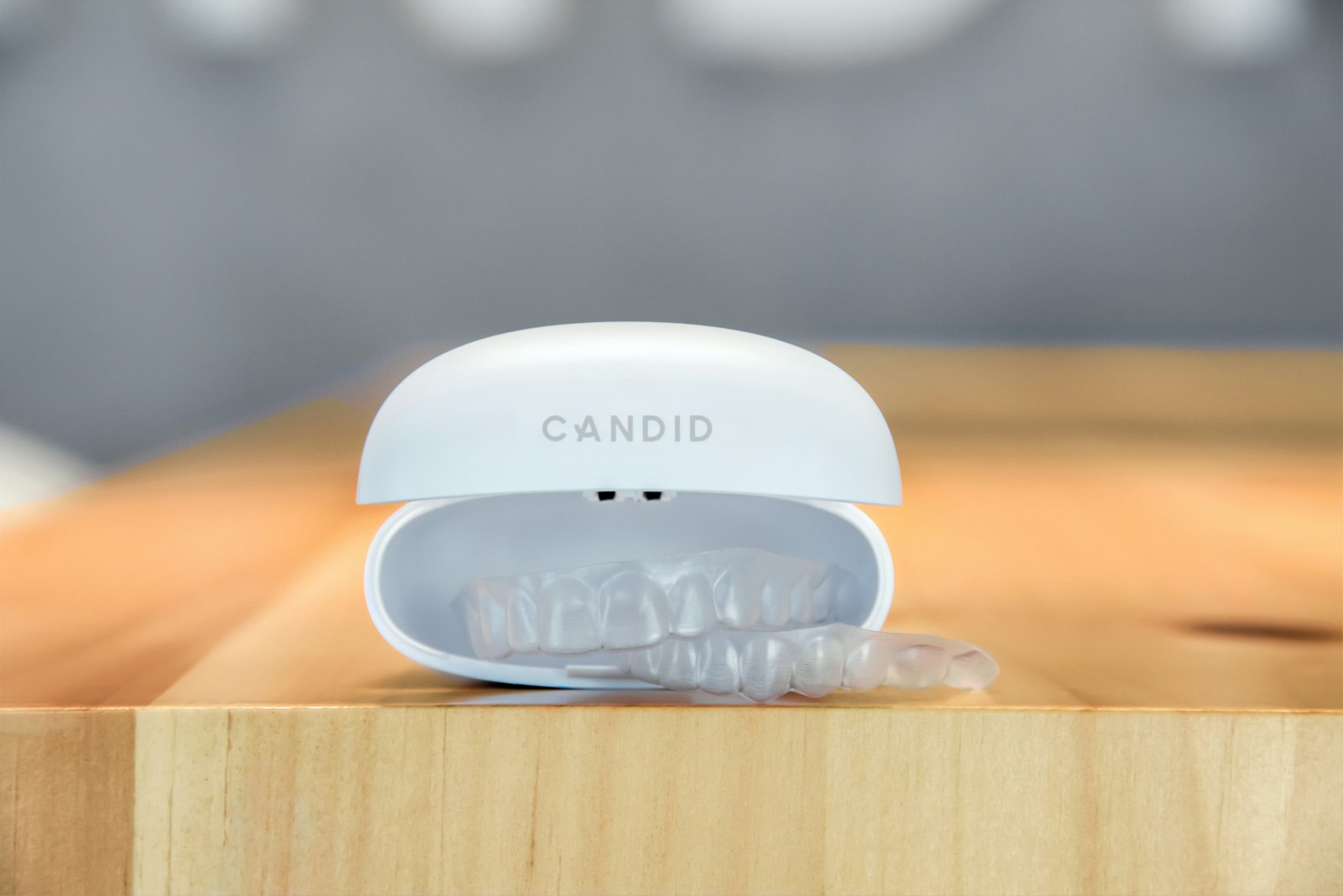

Losing or damaging a clear aligner tray partway through treatment is common, and it is rarely a reason to panic. What matters most is what you do in the next day or two: whether you move to an adjacent tray in your series, contact your provider promptly, and avoid the temptation to either skip ahead several stages or go without a tray altogether while you wait for a replacement.
Key Takeaways
- A lost or damaged aligner tray is a common, fixable problem during active treatment, not a treatment failure.
- In the first 24 to 48 hours, general orthodontic guidance is to move back to your most recent completed tray or forward to the next tray if you are close to your scheduled change date, then contact your provider.
- Never skip ahead multiple stages at once or go without a tray for an extended stretch, since both carry a relapse or unplanned movement risk.
- Replacement trays are typically sourced from a new scan or your original digital file, with turnaround times varying by provider and system.
- A missing tray mid-treatment is a different situation to a lost retainer after treatment finishes, since active aligners are still moving your teeth.
- Good storage habits, particularly a travel case, prevent the vast majority of lost aligner trays.
This Is Different to a Lost Retainer
It is worth being clear on the distinction upfront, because the two situations are managed differently. A retainer holds teeth still after active treatment has finished, so a lost retainer is mainly about preventing relapse from a stable position. An aligner tray, on the other hand, is actively part of a moving treatment plan, each one nudging your teeth a small planned amount before the next tray takes over. Losing one mid-treatment is less about relapse from a finished result and more about keeping your treatment plan on track. If you are looking for guidance on a lost retainer specifically, after treatment has already finished, our separate guide on what to do if a retainer is lost or swallowed covers that situation.
What to Do in the First 24 to 48 Hours
The general orthodontic guidance for a missing or damaged aligner in the short term is straightforward, though your own provider's instructions should always take priority if they differ.
- Check whether you are close to your scheduled change date. If you were due to move to your next tray within the next day or two, moving forward to that next tray, rather than backward, is often the more sensible option, since it keeps you moving in the planned direction.
- If you are earlier in the current stage, going back to your most recently completed tray, if you kept it, is generally preferred over doing nothing, since it maintains some retention on the movement already achieved.
- Contact your treating dentist or orthodontist promptly, rather than waiting for your next scheduled review. Let them know which tray number was lost or damaged and roughly how far you were through wearing it.
- Do not simply skip to a tray several stages ahead in the hope of saving time. Aligner stages are planned as a sequence for a reason, and jumping several steps at once can force movements your teeth are not ready for, causing discomfort or a tray that will not seat properly.

Why You Shouldn't Go Without a Tray for Long
It can be tempting to simply wait a week or two without wearing anything until a replacement arrives, particularly if the gap seems minor. This is worth avoiding where possible. Teeth that are mid-movement are held in a transitional position by the aligner currently in your mouth, and without that support, some relapse or unplanned drift can begin within days, especially in the early stages of a movement. This does not mean a short gap of a day or two while you arrange a replacement is a disaster, but an extended stretch without any tray, particularly more than a few days, can mean your treating dentist needs to reassess your bite or even remake a stage of trays before you can safely continue, adding time to your overall treatment.
How Replacement Trays Are Typically Sourced
Because clear aligner trays are made from a digital file created at the start of your treatment, or from periodic rescans during longer plans, replacing a single lost or damaged tray does not usually mean starting over. Most providers can reprint or refabricate the specific tray number you lost from the existing digital plan, provided your teeth have not moved meaningfully since it was designed. If a significant amount of time has passed, or your teeth have shifted more than expected, a fresh scan may be needed to check that the remaining trays in the series still fit as planned.
| Situation | Typical approach | General turnaround |
|---|---|---|
| Single tray lost, early in treatment plan | Reprint from existing digital file | Around one to two weeks, provider dependent |
| Tray lost close to the end of a long treatment plan | May need a fresh scan to confirm fit before reprinting | Similar timeframe, sometimes slightly longer |
| Tray cracked or damaged but still wearable | Continue wearing if it still seats correctly, replace at review | No delay if usable in the meantime |
| Several stages missing or a long gap since last check | New scan and possible replan | Variable, discussed with your provider |
These are general timeframes rather than a guarantee, and your own provider can tell you what to expect for your specific system and stage of treatment. If cost is part of your planning, our guide on Invisalign cost in Sydney touches on replacement aligners as one of the line items that can sometimes be missed in an initial quote, so it is worth checking upfront whether replacements are included in your treatment plan or charged separately.
How to Avoid This Happening Again
Almost all lost aligner trays come down to a small number of very avoidable habits, so a few changes usually solve the problem for good.
- Always use a hard travel case. A tray wrapped in a napkin or tissue is the single most common way aligners are accidentally thrown away, particularly at school, in a lunchroom, or at a restaurant.
- Build a fixed routine for removal. Take the tray out, put it straight in its case, and put the case in the same pocket or bag every time, rather than setting it down on a plate, tray or countertop even briefly.
- Keep a spare case in your bag or car. If your main case is misplaced, having a backup nearby reduces the temptation to leave the tray sitting loose somewhere.
- Be extra careful at the gym, on flights and while travelling. Gym bags, plane seat pockets and hotel rooms are common places aligners go missing, since routines are disrupted and cases are more likely to be left behind.
- Watch for pets. A tray left out on a table or nightstand is frequently found chewed by a curious dog, so keeping it in a case is as much about pets as people.

Attachments, the small tooth-coloured bumps often bonded to teeth during aligner treatment, are also worth mentioning here, since a replacement tray needs to fit around them correctly. Our guide on clear aligner attachments and IPR explains what these are and why they matter for tray fit if you are not already familiar with them.
Frequently Asked Questions
Should I go back to my old tray or move forward to the next one?
General guidance suggests moving forward to the next tray if you are close to your scheduled change date, or going back to your last completed tray if you are earlier in the stage, but always follow your own provider's specific instructions where they differ.
How long can I go without any aligner in before it becomes a problem?
A day or two while arranging a replacement is generally manageable, but an extended gap, particularly more than a few days, raises the chance of unplanned movement and may require your dentist to reassess before continuing.
Can I just skip ahead to my next few trays to save time?
This is not recommended. Aligner stages are sequenced for a reason, and skipping several stages can force movements your teeth are not ready for, which may cause discomfort or a poorly fitting tray.
Will losing a tray mean I need to start my treatment again?
Usually not. Most providers can reprint the specific lost tray from your existing digital plan, though a long gap or significant tooth movement may require a fresh scan first.
Is it my fault if I lose an aligner tray?
Not really. It is an extremely common part of aligner treatment, and providers are generally used to arranging replacements. Building better storage habits going forward is more useful than dwelling on how it happened.
Does a damaged tray that still fits need replacing straight away?
If a cracked or chipped tray still seats fully and comfortably, many providers are comfortable with you continuing to wear it until your next review, where it can be assessed and replaced if needed.
How much does a replacement aligner tray typically cost?
This varies by provider and by what is included in your original treatment plan, since some plans bundle a number of replacements while others charge per tray. It is worth checking this detail before starting treatment.
If you have lost or damaged an aligner tray, contacting your treating dentist promptly is the best first step to keep your treatment plan on track. The team at Lumi Dental can talk you through next steps and arrange a replacement plan. See our current offers or get in touch with the general dentist team.

