

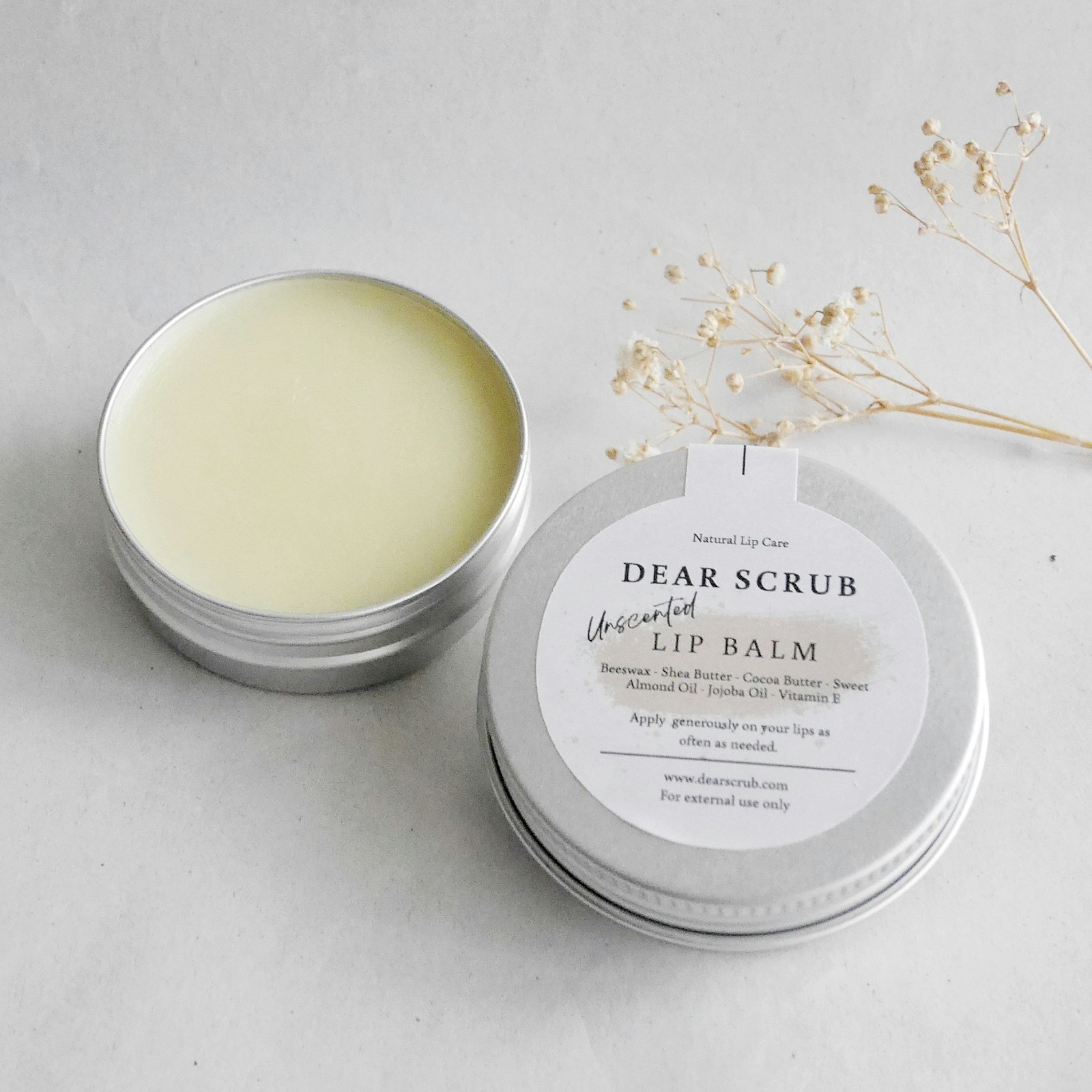

A lozenge held in the mouth for ten minutes bathes your teeth in sugar and acid for that entire ten minutes, and most people take several a day for days at a stretch. The link between cough lozenges and tooth decay comes down to one thing: these products are designed to dissolve slowly so the active ingredient stays in contact with your throat. That slow dissolve is exactly what makes them work and exactly what makes them a dental risk. This is not an argument for suffering through a sore throat. It is about choosing and timing.
Key Takeaways
- Cough lozenges and tooth decay are linked by contact time, not just sugar content, because slow dissolving means prolonged exposure.
- Many lozenges also contain citric or ascorbic acid for flavour, so sugar-free versions can still be erosive even though they carry much less decay risk.
- Cough syrups and liquid cold medicines are frequently sugar-based and are often taken at bedtime, when saliva flow is at its lowest.
- People tend to park a lozenge in the same spot in the cheek each time, concentrating the exposure on a few teeth.
- Being unwell usually means being dehydrated, breathing through the mouth and brushing less carefully, which compounds the risk.
- Ask your pharmacist about sugar-free options, particularly for children, and rinse with plain water after.
Why the Slow Dissolve Is the Whole Problem
Think about what happens when you eat a biscuit. It is in your mouth for perhaps thirty seconds, you swallow, and then saliva gets to work neutralising the acid and rinsing away the sugar. Within twenty to forty minutes the pH in your mouth is generally back to normal.
Now think about a lozenge. It sits there dissolving for five, ten, sometimes fifteen minutes, releasing sugar and often acid the whole time. Your saliva never gets a chance to catch up, because the supply keeps coming. And when that lozenge is finished, many people reach for another one an hour later.
Six lozenges across a day is not unusual when you have a bad throat. That can mean an hour or more of continuous acid exposure, repeated for however long the illness lasts. In my experience, this is one of those patterns patients genuinely do not connect to the decay that turns up later, because it felt like taking medicine rather than eating sweets.
The other detail worth knowing is where the exposure lands. Most people tuck a lozenge into the same spot, usually in one cheek, out of habit. That concentrates the sugar and acid against the same two or three teeth every single time, which is why decay from this pattern often shows up in a very localised way rather than spread evenly across the mouth.

Sugar-Free Is Better, But Not Neutral
Switching to a sugar-free lozenge meaningfully reduces the decay risk, because the bacteria that cause decay need fermentable sugars to produce acid. Sugar alcohols such as sorbitol, isomalt and xylitol are not fermented in the same way, so that pathway is largely removed.
What sugar-free does not necessarily remove is erosion. Many lozenges, including sugar-free ones, contain citric acid or ascorbic acid, either as a flavour agent or as an added vitamin C claim. Those acids can soften and dissolve enamel directly, without any bacterial involvement at all. So a sugar-free lemon lozenge held in your mouth for ten minutes is still an acid exposure, even though it is a much smaller decay risk.
The practical implication is that sugar-free is the better choice and worth asking for, but it is not a reason to abandon the other sensible measures. Check the ingredients list if you can. Products without citric or ascorbic acid are gentler again.
Cough Syrups and Liquid Medicines
Syrups are worth separating out, because they carry a slightly different risk profile.
Many liquid cough and cold preparations are sugar-based, partly to mask the taste of the active ingredients and partly for texture. They coat the teeth as they go down, and unlike a lozenge you typically do not think of them as something that stays in your mouth.
The timing is what makes them worse. A great many people take their last dose right before bed, which makes sense for getting through the night. From a dental point of view it is the worst possible timing, because saliva flow drops substantially during sleep. That means sugar and acid sit on the teeth for hours with almost none of the usual buffering, rinsing or remineralising happening.
The fix is simple and does not require giving up the medicine. Take the dose, then rinse your mouth thoroughly with plain water, or brush if the product is not acidic. If you brush first and then take a syrup, you have undone the brushing.
Children's Medicines Specifically
This deserves its own mention, because children's medicines are often the sweetest of the lot and children are often taking them repeatedly over several days while unwell.
Sugar-free formulations of most common children's medicines exist and are widely available. Your pharmacist is the right person to ask, because they know what is stocked and what is equivalent. It is a thirty-second conversation that is genuinely worth having.
Beyond that, the same principles apply. Give a drink of water after the dose. If the medicine is taken at bedtime, brush teeth after rather than before where the product is not acidic, or at minimum rinse well with water. And for children on long-term daily medicines for chronic conditions, tell your dentist, because that changes the preventive plan.
Never change the dose, the timing or the product of a prescribed medicine on your own. If the timing of a dose is a dental concern, raise it with the prescriber or pharmacist and let them advise.
Sore Throat Options and Dental Risk
| Option | Decay risk | Erosion risk | Practical note |
|---|---|---|---|
| Sugar-containing lozenge | High with frequent use | Moderate to high if it contains citric or ascorbic acid | The slow dissolve is the problem, not the size of the lozenge |
| Sugar-free lozenge | Low | Moderate if it contains citric or ascorbic acid | Generally the better choice, check the ingredients for added acids |
| Sugar-free gum | Low | Low | Stimulates saliva, which helps, but does not soothe a sore throat |
| Sugar-based cough syrup | High, particularly at bedtime | Moderate depending on formulation | Rinse with water after the dose, ask about sugar-free versions |
| Sugar-free cough syrup | Low | Low to moderate | Widely available, worth asking your pharmacist about |
| Plain water or salt water gargle | None | None | Free, safe to repeat as often as you like, genuinely soothing for many people |
| Warm water with honey | Moderate | Low unless lemon is added | Drink it rather than sipping over an hour, rinse afterwards |
| Medicated throat spray | Usually low | Varies by product | Shorter contact time than a lozenge, check the label |
How to Reduce the Risk Without Going Without Relief
A genuinely sore throat is miserable and relieving it matters. None of this is an argument for toughing it out.
- Ask your pharmacist for a sugar-free option. They almost always have one, and it is the single change with the biggest effect.
- Move the lozenge around. If you always park it in the same cheek, shift it deliberately. Spreading the exposure is better than concentrating it on the same few teeth.
- Rinse with plain water afterwards. A good swish and swallow, or swish and spit, clears a surprising amount of residue.
- Do not take the last dose and go straight to sleep. If it is a syrup or a sugary lozenge, rinse thoroughly with water afterwards. Bedtime is when your mouth has the least protection.
- Do not brush immediately after an acidic lozenge. Acid softens the enamel surface temporarily, and brushing straight away can wear away the softened layer. Rinse with water, wait around thirty minutes, then brush.
- Keep drinking water. Being unwell usually means being dehydrated, which reduces saliva flow exactly when you need it most.
- Watch the mouth breathing. A blocked nose means breathing through your mouth, which dries everything out and compounds the problem. Our guide to antihistamines and dry mouth covers a related version of this.
- Do not skip brushing because you feel awful. It is the most understandable thing in the world and it is also the worst time to skip it. Even a quick brush is better than nothing.
- Consider gargling instead. A warm salt water gargle costs nothing, carries no dental risk and many people find it as soothing as a lozenge.
The Bigger Picture
What makes this pattern risky is rarely the lozenges alone. It is the combination that tends to arrive together when someone is unwell.
You are dehydrated, so saliva flow is down. You are breathing through your mouth because your nose is blocked, which dries things further. You may be taking an antihistamine or decongestant, which reduces saliva flow again. Your routine is disrupted, so brushing is rushed or skipped. And into that environment you are introducing repeated, prolonged sugar and acid exposures.
Each element on its own is manageable. Stacked together over a week or two, they create conditions where decay can progress noticeably faster than usual. This is why people occasionally come in after a long illness with new sensitivity or a cavity that was not there at their last check.
If you want to understand the saliva side properly, our guide to dry mouth and xerostomia causes and treatment explains what saliva does and what happens when it drops. Acid exposure from other sources works the same way, which we cover in acid reflux and GORD effects on teeth and saltwater and chlorine tooth erosion. If you are concerned about what treatment might cost, dental costs without private health insurance gives a general market picture.
Speaking of which, across the Australian market a small filling commonly falls somewhere in the range of roughly 150 to 300 dollars without health insurance, and a check-up and clean often sits somewhere around 200 to 350 dollars. Those are general figures that vary considerably between practices, and they are worth weighing against the cost of prevention.
Common Questions
Do sugar-free lozenges still damage teeth?
They carry much less decay risk, because the bacteria that cause decay need fermentable sugars. But many contain citric or ascorbic acid for flavour or vitamin C, and those acids can erode enamel directly. Sugar-free is clearly better, it is just not risk-free.
How many lozenges a day is too many?
There is no single number, because it depends on the product, the sugar and acid content, and your own saliva flow and decay risk. The useful way to think about it is total contact time rather than count. Six lozenges taking ten minutes each is an hour of exposure.
Is honey in hot water better for my teeth?
Honey is still sugar, so it carries decay risk, and adding lemon makes it acidic as well. It is not a free pass. The practical advice is to drink it rather than sipping the same mug over an hour, and rinse with water afterwards.
Should I brush my teeth right after a lozenge?
Not immediately if the lozenge was acidic. Acid softens the enamel surface temporarily, and brushing into that softened layer can wear it away. Rinse with plain water first, wait around thirty minutes, then brush.
What about children's cough medicine?
Sugar-free formulations of most common children's medicines are widely available, and your pharmacist is the right person to ask. Giving water after the dose helps, and if a dose is taken at bedtime, rinsing or brushing after rather than before makes a real difference.
Should I just avoid lozenges altogether?
No. A sore throat that is genuinely painful deserves relief, and going without is not the point of this article. The point is that sugar-free options exist, timing matters, rinsing helps, and bedtime is the moment to be most careful. If your throat symptoms are severe, persistent or worsening, see your GP rather than managing it with lozenges alone.
Where to From Here
If you have been through a long illness and something in your mouth feels different, sensitivity, a rough spot or a tooth that catches when you floss, it is worth getting looked at before it becomes a bigger job. The team at Lumi Dental can check for early decay and erosion and talk through preventive options that suit you. Have a look at our current offers, or read more about general dental care at Lumi Dental. A consult to talk it through costs nothing, and we provide a written quote before any treatment goes ahead.
This article is general information only and is not a substitute for personalised dental or medical advice. Please speak with your pharmacist or GP about medicines, and never change a prescribed medication without talking to the person who prescribed it.

