

Dens evaginatus and talon cusp are developmental extra cusps that grow out from a tooth, and because they can contain a thin thread of nerve tissue, wearing or breaking them can expose the nerve and lead to infection. Dens evaginatus usually appears as a small bump on the biting surface of a back tooth, most often a premolar, while a talon cusp is an extra cusp on the tongue side of a front tooth. Both are more common in people of Asian descent and among some Indigenous populations. Their importance lies in the thin pulp extension inside, which is why early recognition and careful management protect the tooth.
Key takeaways
- Dens evaginatus is an extra cusp, usually on a premolar biting surface.
- A talon cusp is an extra cusp on the tongue side of a front tooth.
- Both can contain a thin extension of nerve tissue.
- If the cusp wears or fractures, the nerve can be exposed.
- Early monitoring and gradual reduction help protect the tooth.
What they are
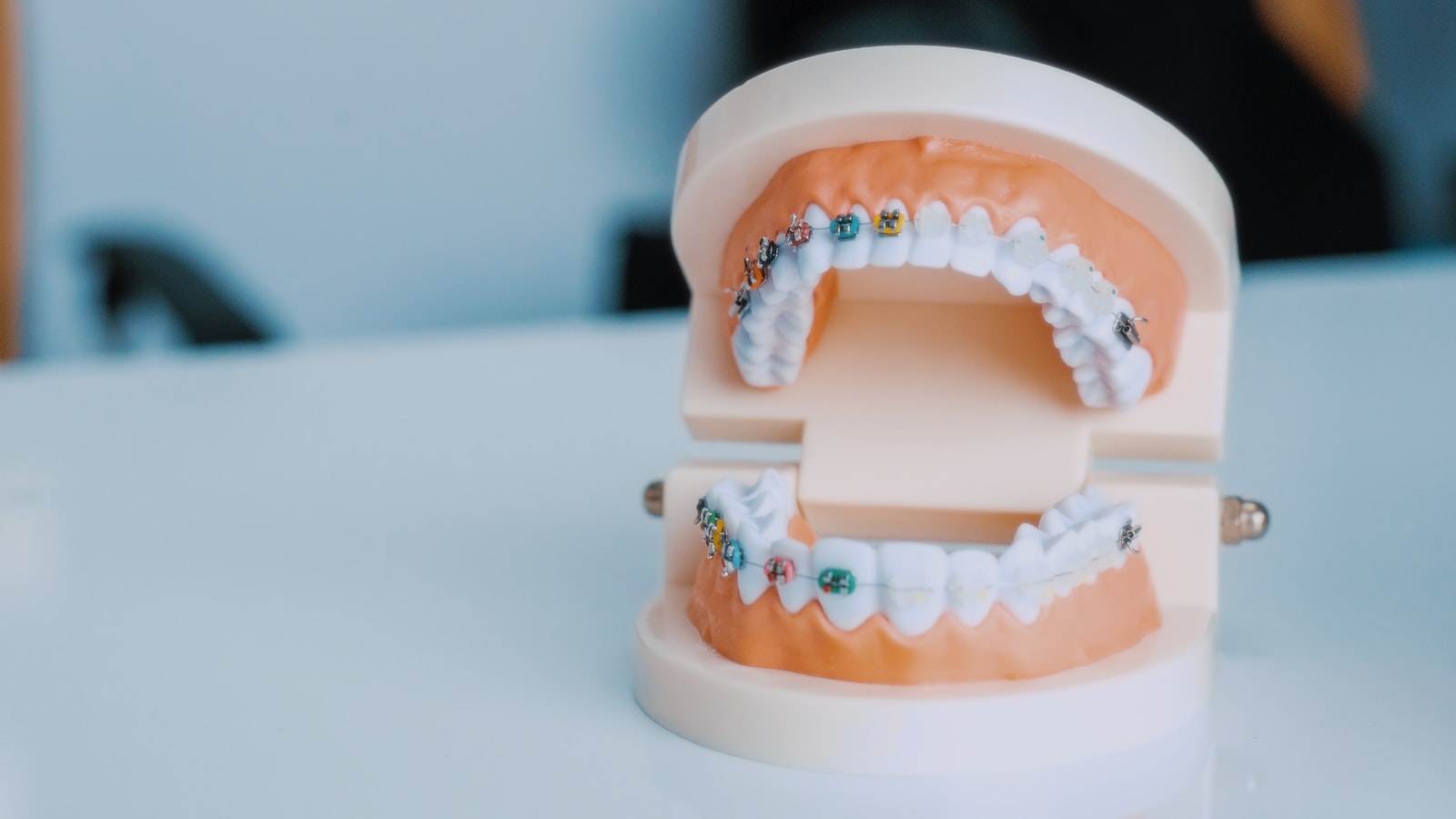
Both conditions are the opposite of a fold like dens invaginatus: instead of folding inward, part of the tooth grows outward as an extra bump or cusp during development. Dens evaginatus typically forms a tubercle on the chewing surface of a premolar. A talon cusp forms on a front tooth, usually on the tongue side, and can look like an eagle's talon, which is where the name comes from. Each extra cusp has an enamel outer layer over a dentine core, and importantly it can contain a slender extension of the pulp, the living nerve and blood supply of the tooth.
Who they affect
These variations are present from when the tooth forms, so they are usually noticed in childhood or the teenage years as the affected tooth comes through. Dens evaginatus in particular is seen more often in people of Asian and Indigenous heritage. Because premolars usually erupt between about ten and twelve years of age, a dens evaginatus tubercle is often first spotted then. A talon cusp on a front tooth can be noticed earlier because it is easy to see. Neither is caused by anything a parent did or did not do.
Why they matter
The thin pulp extension inside the extra cusp is the key issue. The cusp sticks up above the normal tooth surface, so it takes the brunt of biting forces and can wear down or snap off. If that happens, the nerve thread can be exposed to bacteria, and the nerve can become infected and die, sometimes soon after the tooth erupts and before there is any decay. This is why a healthy-looking young tooth can unexpectedly develop an abscess. Recognising the cusp early lets a dentist act before that happens.
| Situation | Why it matters | Typical approach |
|---|---|---|
| Cusp intact, no symptoms | Risk of future wear or fracture | Monitor, protect, sometimes reinforce |
| Cusp causing bite interference | Higher chance of fracture | Gradual reduction with fluoride |
| Cusp worn or fractured | Nerve may be exposed | Assess nerve, seal or root canal if needed |
How they are managed
Management depends on the cusp and whether the nerve is at risk. When the nerve extends into the cusp, dentists often avoid grinding it away in one go, because that can expose the nerve. Instead the cusp may be reduced gradually over several visits, applying a protective fluoride treatment each time so the tooth lays down more of its own protective dentine underneath. Where the cusp does not contain a pulp horn, it can sometimes be reduced or reinforced in a single visit. If the cusp has already fractured and the nerve is affected, root canal treatment may be needed to save the tooth. Careful monitoring and prevention, as covered in our guide to preventing decay, are central, and fluoride varnish supports the tooth. It sits alongside other developmental variations such as dens invaginatus and taurodontism.
Frequently asked questions
What is dens evaginatus?
It is an extra cusp that grows on a tooth, usually on the biting surface of a premolar. It can contain a thin thread of nerve, so it needs careful management.
What is a talon cusp?
A talon cusp is an extra cusp on the tongue side of a front tooth, shaped a little like a talon. It too can contain a slender pulp extension.
Why do these extra cusps matter?
The cusp can wear down or fracture, exposing the nerve inside to bacteria. That can lead to infection early, even before any decay, so early care matters.
How are they treated?
Where the nerve extends into the cusp, it is often reduced gradually over several visits with fluoride. If the nerve is already affected, root canal treatment may be needed.
Who is more likely to have them?
They are present from development and are seen more often in people of Asian and Indigenous heritage. They are usually noticed in childhood or the teenage years.
Speak with the team at Lumi Dental
If your child has an unusual extra cusp on a tooth, the team at Lumi Dental in Melrose Park can assess it and plan gentle, protective care. Read more about general dental care or view current new-patient offers on the current deals page. We do not list our own prices here and are happy to provide a written quote after an assessment.
This article is general information only and is not a substitute for personal dental advice. Please see your dentist for advice about your child's teeth.


