

Sickle cell disease and thalassaemia do not automatically rule out dental implants, but they change what needs to be checked first, and the biggest single question is whether you carry a trait or live with the condition itself. A scoping review in the journal Anemia states that implants are not contraindicated in sickle cell disease, while noting that reduced blood supply to the jaw bone can contribute to implant failure. Planning dental implants with sickle cell disease or thalassaemia comes down to timing, protecting healing and involving your haematologist early.
Written by Dr James Tran, BDent (University of Sydney), MICOI, GradDip (Oral Implants), general dentist at Lumi Dental in Melrose Park.
The short version
- Sickle cell trait and thalassaemia trait usually cause no symptoms and rarely change implant planning on their own.
- Sickle cell disease and transfusion-dependent thalassaemia need your haematologist involved before surgery, and surgery is planned for a stable period, not during or just after a crisis.
- Dehydration, cold, stress and infection can set off a sickle cell crisis, so hydration, warmth, pain control and infection prevention are built into the plan.
- Both conditions can change jaw bone, which a 3D X-ray helps measure. Our guide to how dental implants fuse to bone explains why bone quality matters.
- A removed spleen, iron overload and bone-strengthening medicines are each worth mentioning at the first visit.
- Research on implants in these conditions is limited to small reports.
Sickle cell disease and thalassaemia in brief
Both are inherited conditions that affect haemoglobin, the protein in red blood cells that carries oxygen. The NHS describes sickle cell disease as causing pain, swelling and tiredness that come and go, with severe episodes, called a sickle cell crisis, lasting hours, days or weeks.
Healthdirect describes thalassaemia as a lifelong anaemia caused by too little healthy haemoglobin. People with severe thalassaemia may need blood transfusions every 3 to 4 weeks, and frequent transfusions build up iron, so many also take an iron chelation medicine.
Trait is not the same as disease
The NHS states that people with sickle cell trait do not have the disease and cannot develop it. Healthdirect states that people with alpha or beta thalassaemia trait usually have no symptoms.
The single rule: trait, start with a normal assessment; disease, start with your haematologist
If you carry sickle cell trait or thalassaemia trait and are otherwise well, start with a normal implant assessment and mention the trait in your medical history. If you live with sickle cell disease or thalassaemia that needs regular transfusions, start with your haematologist, then plan the implant. Surgery is booked for a stable period, once the haematology team has agreed on timing and any tests or transfusion beforehand.
In my experience, planning goes best when the dentist writes first, describing exactly what is proposed and how long surgery should take, so the haematologist has something concrete to respond to.
Sickle cell disease: blood flow, crises and healing
Why a calm, warm, well-hydrated visit matters
The NHS lists dehydration, a sudden change in temperature and stress among the triggers for a crisis. It advises drinking plenty of fluids and avoiding sudden changes in temperature. Surgery adds stress, and a long morning without water adds dehydration. The Anemia review recommends short morning appointments, and says elective work should wait until any crisis has resolved.
Infection and the jaw bone
The same review notes that dental infection may trigger or aggravate a crisis, and that preventive antibiotics are recommended for invasive surgery to help prevent systemic infection, crisis and osteomyelitis, which is infection of the bone. Whether antibiotics are used is decided with your medical team.
What a 3D X-ray may show
The review describes how the overworked bone marrow can change the jaw bone on an X-ray, with larger marrow spaces, fewer fine trabeculae and sometimes a thinner outer layer, and notes that blocked small vessels can damage areas of jaw bone. A dentist reads these carefully on a 3D scan, because an implant relies on living, well-supplied bone.
Thalassaemia: jaw shape, iron and the spleen
Changes to the upper jaw
A review of thalassaemia and dental care in the Electronic Physician journal (Ahmed and colleagues) explains that the bone marrow expands to make more blood cells, and this can enlarge the upper jaw. The changes it lists include a protruding upper jaw, spacing between teeth, a thin lower jaw cortex and short, spike-shaped roots. Bone shape and density can differ from the usual, so 3D scan measurements carry more weight.
Iron overload, liver and bleeding tests
The same review says the type of thalassaemia, haemoglobin level and degree of iron overload should be known before treatment, with liver function and clotting tests checked first, and suggests invasive procedures be done under antibiotic cover soon after a transfusion. Your haematologist decides what applies to you.
After a splenectomy
Healthdirect notes that an enlarged spleen sometimes needs to be removed, and that serious infections are among the complications of thalassaemia. The Ahmed review links severe gum inflammation with splenectomy. Tell the dentist if your spleen has been removed, and bring your doctor's current infection plan.
Bone density and bone-strengthening medicines
Healthdirect lists bone problems and osteoporosis among the complications of thalassaemia. International thalassaemia guidelines describe bisphosphonates as a common treatment for thalassaemia-related osteoporosis, and recommend a dental check before they start, so the mouth is as healthy as possible and patients know about a jaw bone complication linked to these medicines. If you take one, or have in the past, tell the dentist early; the prescriber makes any decision about the medicine.
What to check first, situation by situation
A guide for the first conversation, not a protocol.
| Situation | What to check first |
|---|---|
| Sickle cell trait | Usually a normal implant assessment; mention the trait and keep well hydrated on the day |
| Sickle cell disease, stable | Letter to your haematologist; recent blood count; plan for fluids, warmth, pain relief and infection prevention |
| Recent sickle cell crisis | Elective surgery waits until the crisis has resolved and your haematologist agrees on timing |
| Thalassaemia trait | Usually a normal implant assessment; mention any known anaemia |
| Transfusion-dependent thalassaemia | Timing around transfusions, haemoglobin, iron levels, liver and clotting tests, all agreed with your haematologist |
| After a splenectomy | Your doctor's current infection plan, including any antibiotics around surgery |
| On a bisphosphonate or similar bone medicine | Name of the medicine, how long you have taken it, and a note from the prescriber |
Gums and teeth come before implants
Implants do best in a healthy mouth. International thalassaemia guidelines note higher rates of decay, plaque, gingivitis and gum disease in people with thalassaemia than in people without it, and the Anemia review describes enamel defects and a higher risk of decay in sickle cell disease. Infected teeth and inflamed gums are treated first, which also removes a possible crisis trigger. Our article on who is a good candidate for dental implants covers the other factors, such as smoking and diabetes, that are assessed at the same time.
Healing is then watched closely, and our guide to infection versus normal healing in the first two weeks shows what is typical. With sickle cell disease, the NHS treats a high temperature, or severe pain with breathing difficulty or vomiting, as a reason to get urgent medical help, so do not wait for your next dental review.
What the research says
The evidence is thin. The Anemia review states that systematic reviews have found no clinical trials on dental treatment in sickle cell disease. For thalassaemia, the published implant reports are single cases, such as a report in the Journal of Contemporary Dental Practice of a 16-year-old with beta thalassaemia major who had implants placed after jaw surgery, with the result reported as stable at six years. The authors noted that outcomes may be unpredictable and more studies are needed. I usually describe this as encouraging but limited, so the plan rests on your own results rather than a published success rate.
If an implant is not right for now, a bridge or denture can be considered; our article on bone grafts and sinus lifts covers thin bone.
How we approach this at Lumi Dental
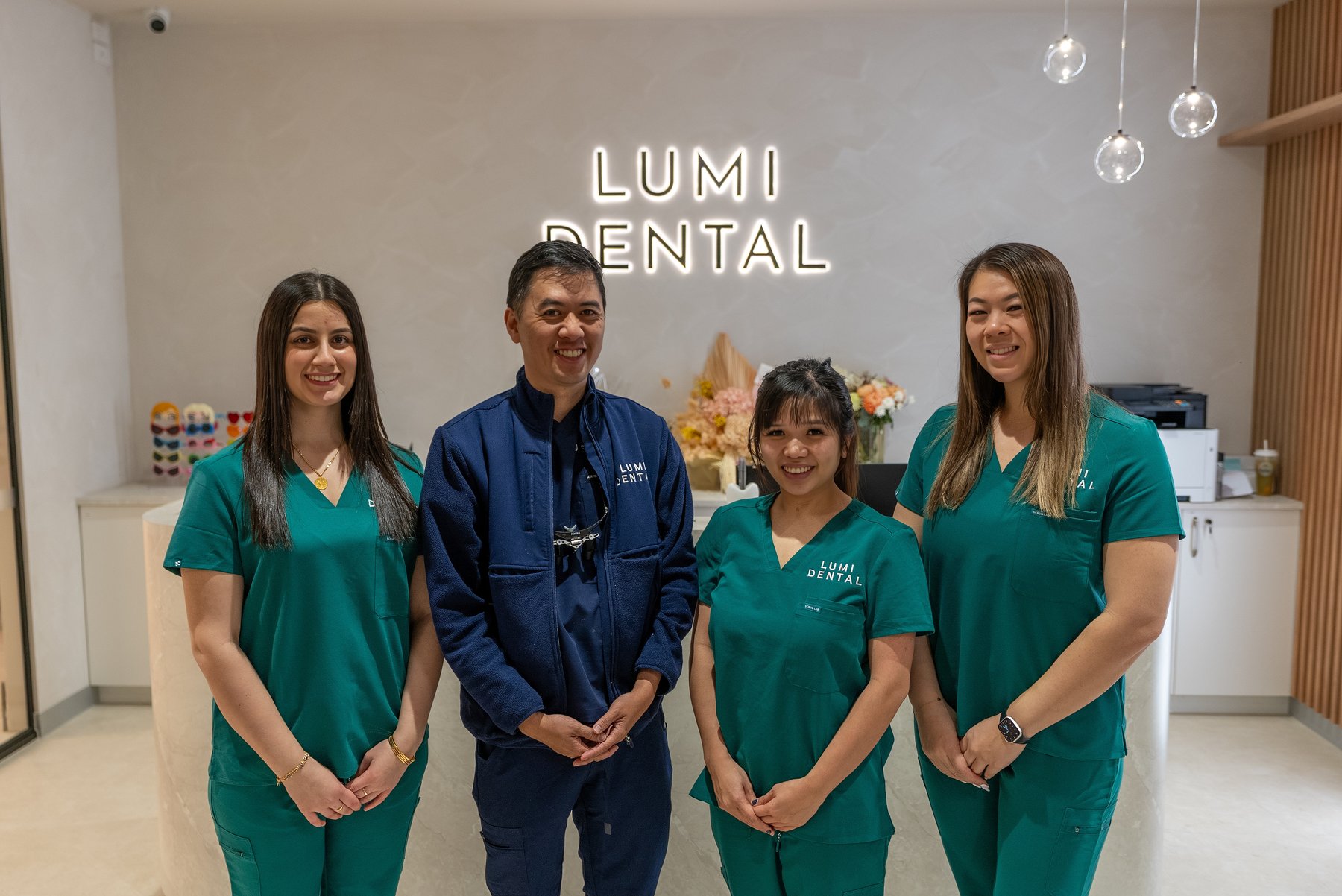
At Lumi Dental in Melrose Park, a dentist takes a full medical history, examines your teeth and gums and takes a 3D X-ray in house to look at the bone before any implant is discussed in detail. The team at Lumi Dental writes to your haematologist and GP before planning surgery, and the surgical date is set once they have replied. Gum treatment comes first, and morning appointments can be arranged. IV sedation is available at the practice, but only after medical review; Lumi Dental does not provide general anaesthetic itself and refers where it is needed. Complex cases needing hospital-based care are referred to a registered specialist or hospital service. You can read more about dental implants at Lumi Dental.
Questions patients ask
Can you get dental implants if you have sickle cell disease?
Often, yes. Implants are not considered contraindicated, but surgery is planned with your haematologist for a stable period, with steps to prevent dehydration, cold and infection.
Does sickle cell trait affect dental implants?
Usually not. People with sickle cell trait do not have the disease, so a normal implant assessment is the usual starting point.
Is thalassaemia minor a problem for implants?
Thalassaemia minor, also called trait, usually causes no symptoms and rarely changes implant planning. With known anaemia, the dentist may ask your GP for a recent blood count.
How long after a sickle cell crisis can I have implant surgery?
There is no fixed waiting time. Elective surgery waits until the crisis has resolved and your haematologist agrees. Our guide to signs of dental implant failure covers what to watch for afterwards.
Can I have sedation for implant surgery with thalassaemia or sickle cell disease?
Sometimes, after a medical review. Lumi Dental does not provide general anaesthetic itself and refers where it is needed, though IV sedation is available at the practice. Your haematologist should know it is planned.
Considering an implant? Complimentary implant consult in Melrose Park
If you live with sickle cell disease or thalassaemia and are thinking about replacing a missing tooth, the team at Lumi Dental can examine your mouth, take the scans and write to your haematologist. Contact Lumi Dental to book a complimentary implant consult, or read more about dental implants in Melrose Park. Patients visit from Ryde, Parramatta, Ermington and Rydalmere, with on-site parking at Melrose Central.
Sources
- Anemia (Planerova A and colleagues): Orofacial manifestation and dental management of sickle cell disease, a scoping review (PMC)
- Electronic Physician (Ahmed IM and colleagues): Thalassemia review, features, dental considerations and management (PMC)
- NHS: Sickle cell disease
- healthdirect: Thalassaemia
About the author
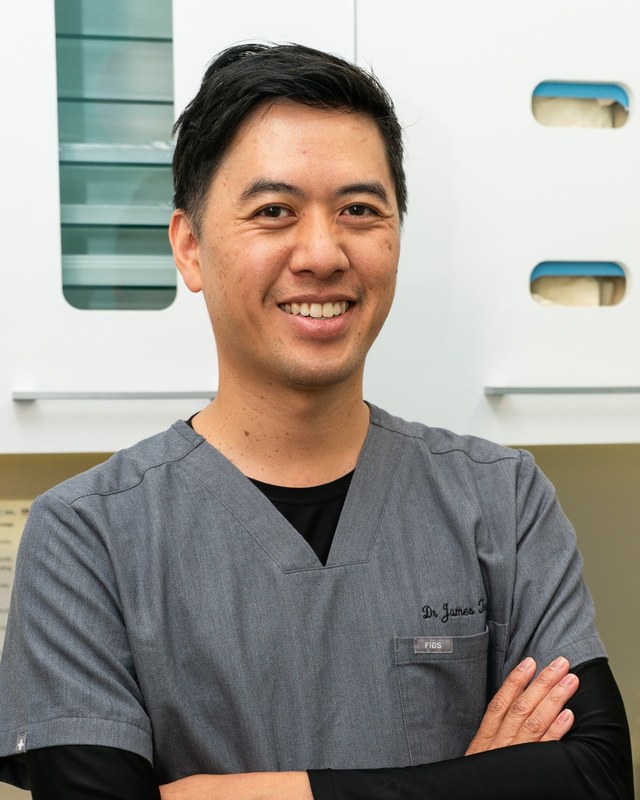
Dr James Tran is a general dentist at Lumi Dental in Melrose Park. He holds a BDent from the University of Sydney and a Graduate Diploma in Oral Implants, and is a Member of the International Congress of Oral Implantologists (MICOI).
This article is general information only and is not a substitute for an examination and individual advice from a registered dental practitioner. Suitability for any treatment varies from person to person.







