
Biting down on a stone in a salad, a shard of shell in a muffin or a piece of metal in a takeaway meal can break a tooth in an instant. Look after the tooth first, then hold on to the object, the packaging and the receipt, because those are hard to get back later. Whether anyone is legally responsible depends on the facts, and a dentist cannot answer that, but the steps you take in the first day can keep your options open.
When to get help urgently
Most broken teeth are uncomfortable rather than dangerous. Seek care the same day if:
- bleeding will not stop, or there is a cut in the mouth that gapes open
- a tooth is loose, pushed out of line, or your teeth no longer meet properly
- the pain is severe or throbbing, especially if it keeps you awake
- there is facial swelling or fever, or swelling spreading towards the eye or under the jaw
- a sharp edge is cutting your tongue or cheek
Go to a hospital emergency department if you have trouble breathing or swallowing, or think you may have inhaled or swallowed a piece of tooth or a foreign object. Swelling with fever should not be left to see how it goes; if a dental practice cannot see you, a hospital can.
Looking after the tooth on the first day
Rinse gently with warm water. Keep any fragment of tooth in milk or saline, as some pieces can be bonded back. Chew on the other side, avoid very hot or cold food, and take an over-the-counter pain reliever such as paracetamol as directed on the pack. Orthodontic wax or sugar-free gum pressed over a sharp edge can protect your tongue until you are seen. Our guide to what to do in a dental emergency covers the first phone call.
Not every crack is obvious. A crack running through part of a tooth can cause sharp pain when you release a bite and may barely show on an X-ray. Our article on cracked tooth syndrome explains how this is found, and craze lines versus a true crack covers the common surface lines that are usually harmless. If the tooth broke on something hard that belonged in the food, such as ice, see our article on chipped teeth from chewing ice.
The outlook for a cracked tooth is often uncertain at the first visit. Depending on where the crack runs, it may need a filling, a restoration that covers the cusps, a crown, root canal treatment or, if it cannot be saved, removal.
Keeping the evidence
The object itself
Do not throw it away or wash it. If you hand it to staff, ask them to record it, and keep a note of who you spoke to. Store it dry in a labelled bag or container.
Photographs
Photograph the object next to a coin or ruler so the size is clear. If it is still in the food, photograph it there first. Then photograph the plate, the venue and the packaging. If you later give the object to a council or regulator, you may not get it back, so the photos may become your only record.
Packaging and receipt
Keep the packaging. It usually shows the product name, size and date or batch code, which allow the item to be traced. Keep the receipt too, or take a screenshot of a card transaction, to show where and when you bought it.
A same-day dental record
A dated clinical note, photographs and an X-ray taken soon after the incident show which tooth broke, how badly and when. Compensation under the consumer law depends on whether the loss was caused by the problem with the product, so a fracture first recorded months later is much harder to link to a particular meal. This is simply about having a record that exists from the day itself.

Your rights against the business that sold it
Under the Australian Consumer Law, a product sold to a consumer must be of acceptable quality, which the ACCC describes as including being safe, durable and free from defects. The ACCC says these consumer guarantees are automatic and cannot be taken away, and a "no refunds" sign does not remove them.
Start with the business that sold you the food or product. The ACCC states that a business cannot refuse to help you by telling you to contact the manufacturer.
On compensation, the ACCC says a business must pay for loss or damage that was caused by a failure to meet a consumer guarantee and was reasonably foreseeable, and that compensation should put you back in the financial position you were in before. It also says it is misleading and against the law for a business to claim it is not responsible for foreseeable losses. A business does not have to pay for damage caused by something independent of it after the product left its control.
The ACCC does not give legal advice and does not resolve individual disputes about whether a guarantee was met or which remedy applies, so it is not the place to go to get your dental costs back.
The manufacturer and safety defects
The Australian Consumer Law also deals with goods that have a safety defect. Under section 9 of the law, goods have a safety defect if their safety is not what persons generally are entitled to expect. In deciding that, all relevant circumstances are considered, including how and for what purposes the goods were marketed and when they were supplied.
The ACCC says manufacturers must pay compensation to people harmed by unsafe products, whether or not the manufacturer was at fault, and that an importer can count as the manufacturer when the maker has no place of business in Australia. If you do not know who made the product, you can ask the seller; if the seller does not tell you within 30 days, the seller is treated as the manufacturer. If the packaging does not show who made the product, ask the seller in writing. How these rules apply to your situation is a legal question, so get legal information before relying on them.
Bones, pits and shells
Online, you will often see a firm rule that a bone or pit is "natural" and never claimable, while metal or a stone is "foreign" and always claimable. That distinction comes largely from overseas commentary, and this article does not rely on it. Under the Australian safety defect test, how food was marketed is one of the circumstances considered, so words like "boneless", "pitted" or "fillet" may be relevant to what a person could reasonably expect. Whether that helps in any particular case is for a lawyer to advise on.
Who to contact about the food
The NSW Government says complaints about a retail food business (other than a butcher), or about food poisoning affecting one household, go to the local council. Complaints about butchers, food poisoning affecting more than one household, or other food safety and labelling issues go to the NSW Food Authority, on 1300 552 406 or through its online complaint form. Consumer complaints more broadly, including some product issues, can go to NSW Fair Trading.
| Who | What they deal with | What they will not do |
|---|---|---|
| The business that sold it | Consumer guarantees: refund, replacement and compensation for foreseeable loss | Send you away to the manufacturer instead (the ACCC says they cannot) |
| Manufacturer or importer | Generally liable for compensation where a guarantee or safety issue applies | Avoid liability by staying unidentified; a seller who does not name them within 30 days is treated as the manufacturer |
| Local council | Retail food businesses other than butchers; food poisoning in one household | Recover your dental costs |
| NSW Food Authority | Butchers, food poisoning in more than one household, food safety and labelling | Act as your representative in a compensation claim |
| NSW Fair Trading | Consumer complaints about products and traders | Investigate food safety itself |
| ACCC | Reports used for education and enforcement | Resolve your individual dispute or give legal advice |
| Your dentist | Examining, photographing, X-raying and recording the damage | Decide who is liable or advise on a claim |
| LawAccess NSW | Free legal information and referrals, and help to find legal advice | Take on your case themselves |
Businesses have their own reporting duty
The ACCC says anyone in the supply chain of consumer products, including retailers, wholesalers, importers and manufacturers, must report within two days if they learn of a death, serious injury or serious illness linked to a product they supplied. Whether a broken tooth counts as a serious injury for this purpose is not something this article can answer, so do not assume a business must report yours.
Time limits
Time limits apply to legal claims and they differ depending on the type of claim. This article does not give specific periods, because the right one depends on your situation. The safest approach is to get legal information early. LawAccess NSW, on 1300 888 529, is a free government phone service offering legal information and referrals, and it can help you find out if you can get free legal advice.
If you were injured playing sport rather than eating, the position is different; see our article on dental injuries playing sport. If your concern is about dental treatment you received, our guide to making a complaint about dental treatment in NSW explains that pathway.
Questions we are often asked
I broke a tooth on something in my food. What should I do first?
Stop eating, keep the object and any piece of tooth, photograph the object with something for scale, and keep the packaging and receipt. Tell the business and ask them to record it. See a dentist as soon as you can so the damage is examined and documented.
Can I claim my dental costs from a restaurant?
You can raise it with the business under the consumer guarantees. The ACCC says businesses must pay for reasonably foreseeable loss caused by a failure to meet a guarantee. Whether that applies to you depends on the facts, so get legal information from LawAccess NSW.
Does the consumer law cover food?
Yes. Food sold to a consumer must be of acceptable quality, which includes being safe and free from defects.
If you have broken a tooth
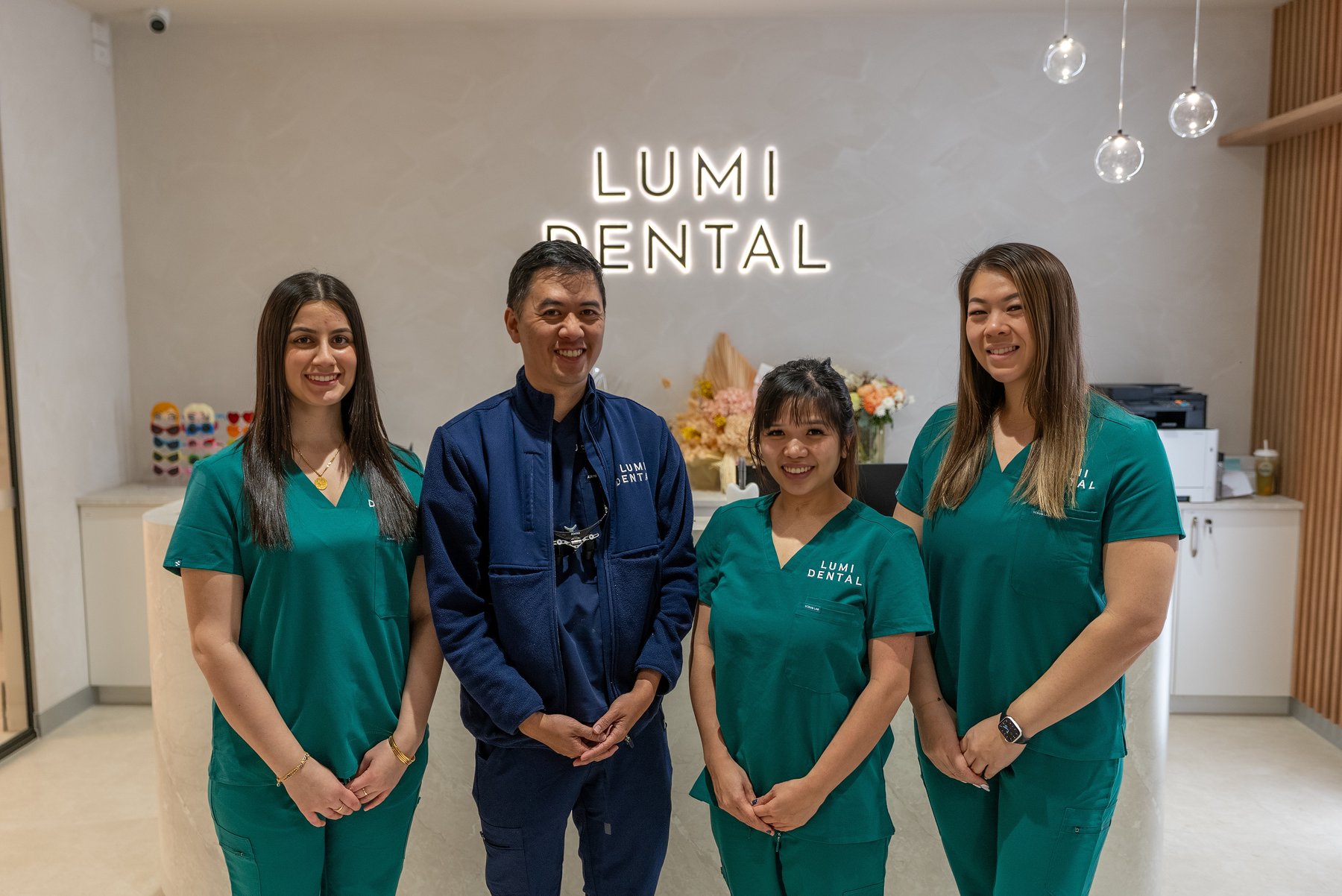
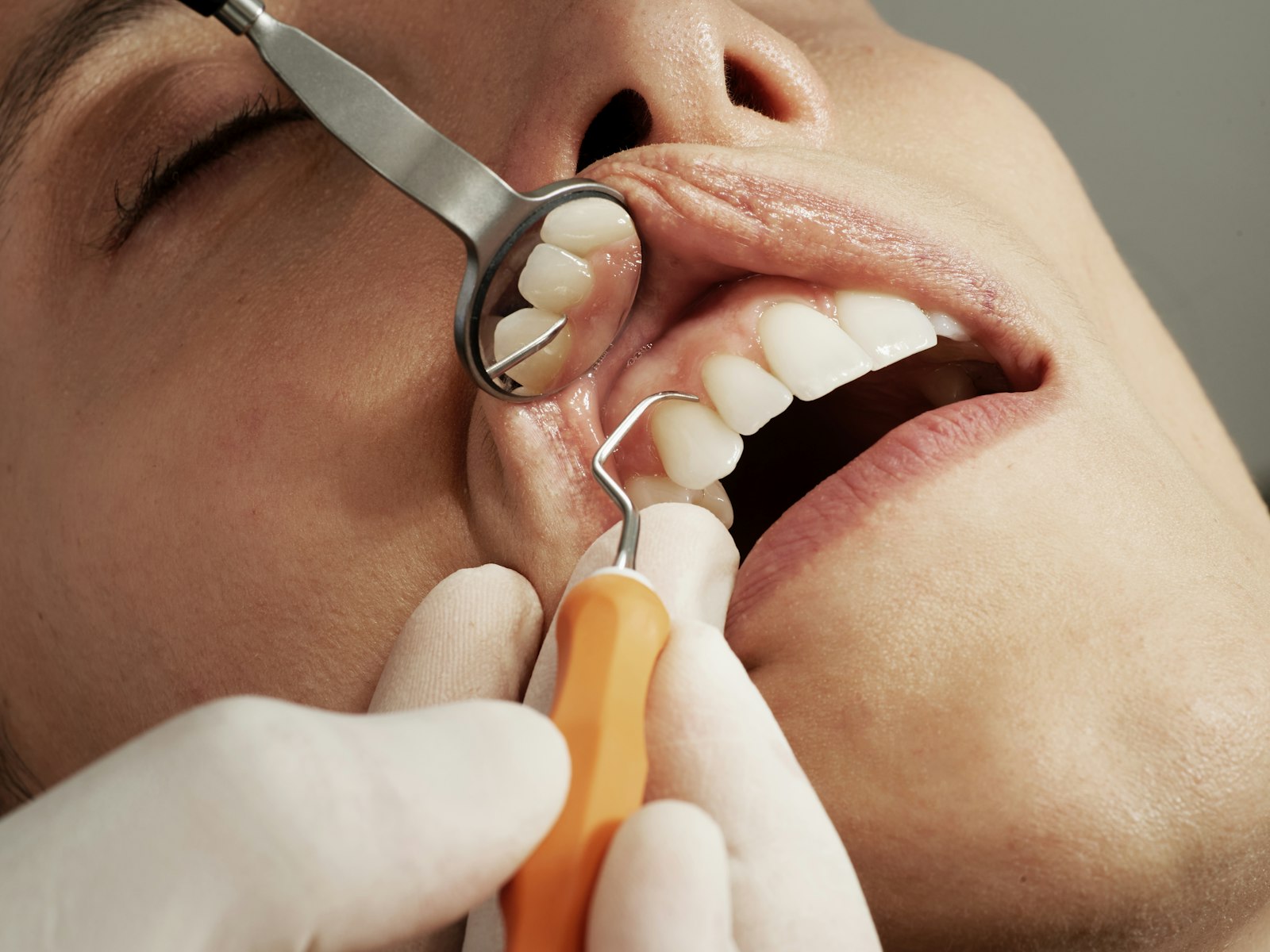
At Lumi Dental in Melrose Park, we can examine, photograph and X-ray a broken tooth and talk through the realistic options for saving it. Read about emergency dental care, see our current offers or book online. We are open Monday to Saturday, with Sunday appointments available on request.
Sources
- ACCC: Consumer rights and guarantees
- ACCC: Claiming compensation
- ACCC: Product safety responsibilities
- ACCC: Manufacturers and unsafe products
- Legal Aid NSW: Legal advice and LawAccess NSW
- NSW Government: Food and drinks safety standards
This article is general information only. It is not legal advice and it is not a substitute for an examination and individual dental advice. Whether a business or manufacturer is legally responsible depends entirely on the facts, and time limits apply. For free legal information in NSW, contact LawAccess NSW on 1300 888 529.