

Dental x-rays are generally considered safe during pregnancy when standard precautions like a lead apron and thyroid collar are used, and urgent dental problems shouldn't be left untreated out of fear of a scan. That said, timing and necessity still matter, and this guide walks through what the evidence says and what to expect if you need an x-ray while pregnant.
Key takeaways
- Dental x-rays are considered safe during pregnancy when proper shielding, a lead apron over the abdomen and a thyroid collar, is used.
- The radiation dose from a single dental x-ray is extremely small, comparable to background radiation most people encounter in daily life over a short period.
- Modern digital x-rays use roughly 80 to 90% less radiation than older film x-ray systems.
- Non-urgent x-rays are often deferred as a precaution, particularly in the first trimester, but urgent x-rays for infection or emergencies can still proceed with shielding.
- Always tell your dental team if you are, or think you might be, pregnant when you book your appointment.
- Untreated dental infections during pregnancy carry their own risks, so avoiding necessary care isn't automatically the safer option.
How dental x-ray radiation compares
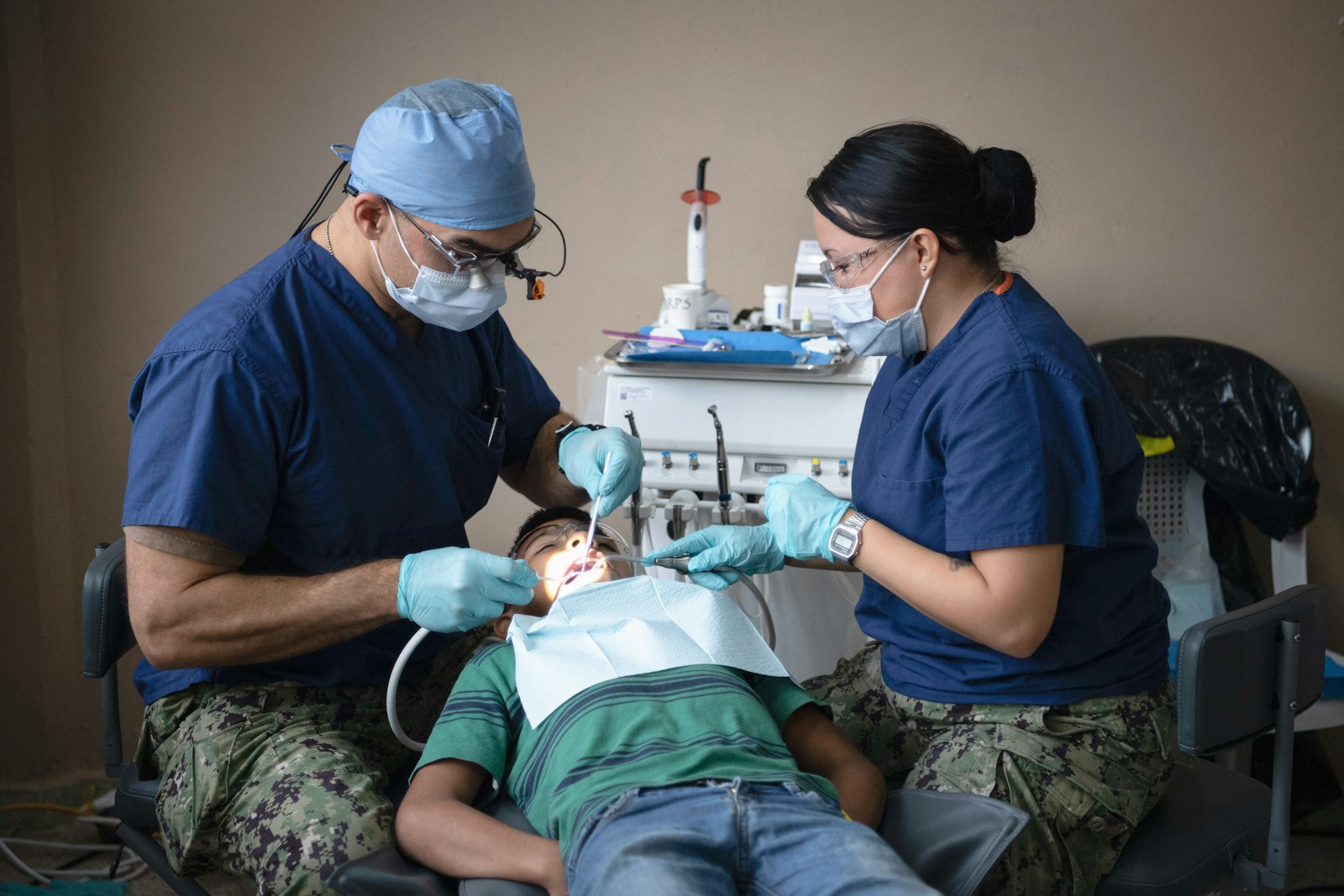
One of the biggest sources of pregnancy anxiety around dental visits is radiation exposure. It helps to see it in context. A single dental x-ray delivers an extremely small dose, and digital x-rays, which most dental practices now use, cut that dose by roughly 80 to 90% compared with older film-based systems.
| Source | Approximate radiation exposure |
|---|---|
| One digital dental x-ray (bitewing) | Very low, a small fraction of daily background exposure |
| Natural background radiation | Present continuously from soil, air and cosmic sources |
| A long-haul return flight | Generally higher than a single dental x-ray |
| Full mouth series (rarely needed in pregnancy) | Higher than a single film, still shielded and low overall |
These figures are approximate and given for general context only. Every x-ray taken in a dental setting uses a lead apron over the abdomen and a thyroid collar as standard practice, which further reduces any exposure to the developing baby.
When x-rays are deferred versus when they proceed
As a general precaution, many dental teams will defer non-urgent x-rays, especially during the first trimester when the developing baby is most sensitive to external factors of any kind. Routine check-up x-rays that aren't investigating a specific problem often fall into this category and can simply wait until after the birth.
Urgent situations are treated differently. If you have a suspected infection, a dental abscess, significant pain, or trauma to a tooth, an x-ray is often necessary to diagnose the problem properly and treat it safely. In these cases, x-rays can still proceed with appropriate shielding, because leaving a dental infection undiagnosed and untreated carries its own real risks during pregnancy.
Why untreated dental problems matter in pregnancy
Pregnancy hormones can make gums more sensitive and prone to inflammation, which is why conditions like pregnancy gingivitis are common. Left untreated, dental infections can potentially affect general health, so avoiding necessary treatment isn't automatically the cautious choice. Our broader guide to dental care during pregnancy covers what's generally safe to treat at each stage.
What to expect at your appointment
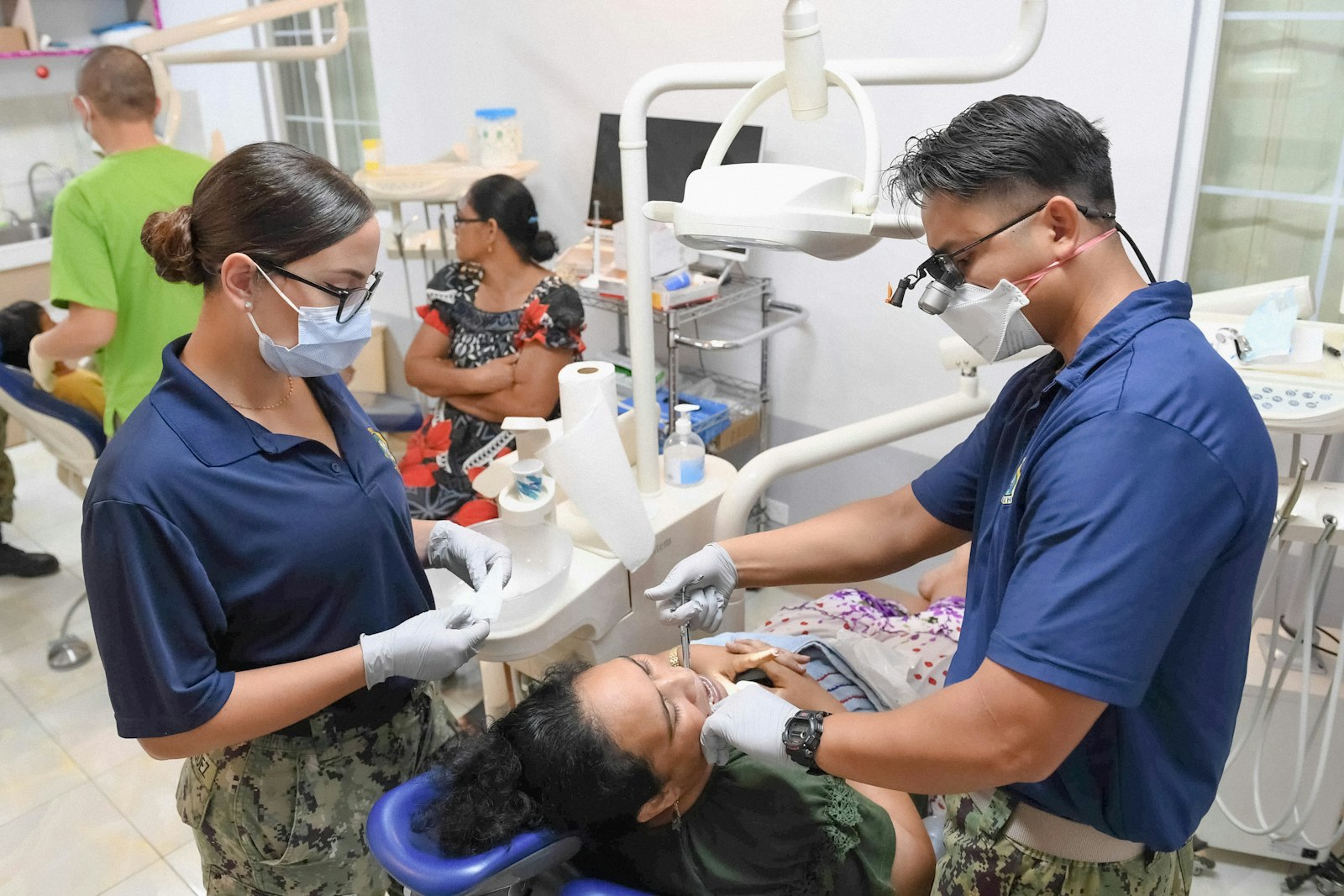
- Tell reception when you book. Mentioning you're pregnant, or might be, means your dental team can plan ahead rather than adjusting on the day.
- Expect a conversation, not an automatic scan. Your dentist will usually weigh up whether an x-ray is genuinely needed now or can reasonably wait.
- Shielding is standard. A lead apron and thyroid collar are used for every dental x-ray, pregnant or not, as routine radiation safety practice.
- Emergency care isn't withheld. If you're in pain or have a suspected infection, appropriate imaging and treatment can generally still go ahead.
For more on this topic, read Are Dental X-Rays Safe for Kids in Sydney and Dental X-Ray Radiation Dose, Compared.
Frequently asked questions
Can I have a dental x-ray in my first trimester?
Non-urgent x-rays are often deferred during the first trimester as a general precaution. If the x-ray is needed to diagnose pain, infection or an emergency, it can typically still proceed with proper shielding. Discuss your specific situation with your dentist.
Is it safe to have dental treatment at all while pregnant?
Routine and urgent dental care is generally considered safe throughout pregnancy, with some procedures more commonly scheduled for the second trimester where possible. Always let your dental and medical teams know you're pregnant so they can plan appropriately.
What if I didn't know I was pregnant when I had an x-ray?
The radiation dose from a single dental x-ray is very small and dental teams use shielding as standard practice. If you have concerns after the fact, it's best to discuss them with your GP or obstetrician, who can give guidance specific to your situation.
Do digital x-rays really make a difference?
Yes. Digital dental x-rays use significantly less radiation, generally around 80 to 90% less, than older film-based x-rays, which is one of the reasons they've become the standard in most modern dental practices.
Should I mention pregnancy even for a routine check-up?
Yes, always. Even for a standard check and clean, letting your dental team know helps them make appropriate decisions about imaging and any treatment planning.
A note on this information
This article provides general information only and isn't a substitute for individual medical or dental advice. Please discuss dental x-rays and treatment timing during pregnancy with your dentist and your GP or obstetrician, who can advise based on your specific circumstances.
Book an appointment
If you're pregnant and due for a check-up, or have a dental concern you'd like assessed, the team can talk through what's appropriate for your stage of pregnancy. Check current deals or read more about general dentistry at Lumi Dental.


