

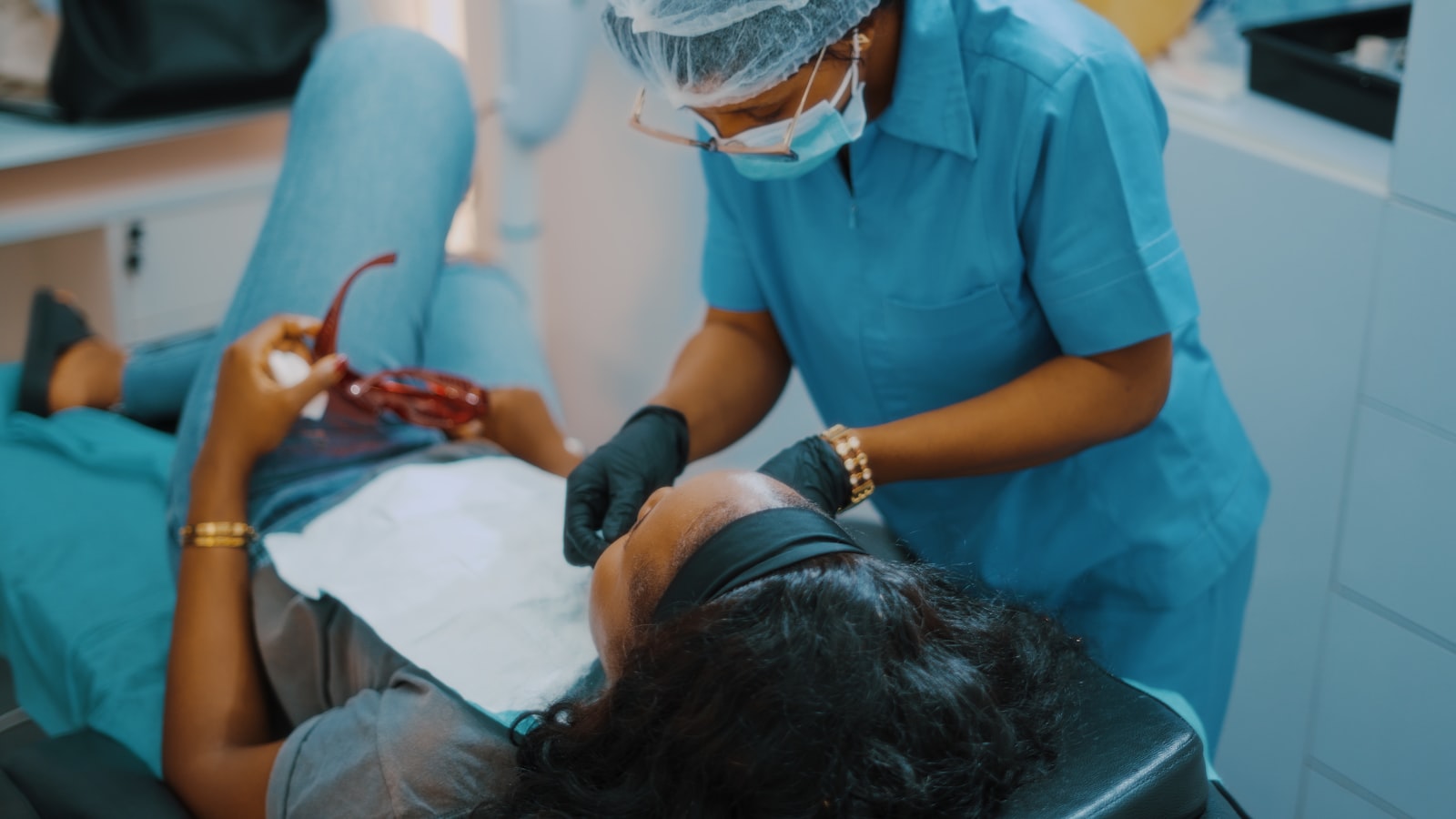

Digital dental impressions and traditional putty moulds both create a model of your teeth for treatments like crowns, bridges, dentures and retainers, but they go about it in very different ways, and the difference matters most for comfort rather than accuracy. A digital impression uses a small handheld scanner and a wand-like camera to build a 3D image of your teeth on a screen in real time, while a traditional impression uses a tray of putty or alginate material held in the mouth for a minute or two until it sets. For most routine restorative and orthodontic work, published research generally finds the two methods produce comparably accurate results, so the choice usually comes down to comfort, the specific treatment, and what equipment is available.
Key Takeaways
- Digital scanning and traditional putty impressions produce comparable accuracy for most routine crown, bridge, retainer and denture work.
- Traditional impressions can still edge out digital scanning in accuracy for some single-implant and partially edentulous cases.
- Patient comfort studies consistently favour digital scanning, largely due to less gag reflex and shorter time in the mouth.
- Digital scans communicate directly with the dental lab, which can reduce errors and turnaround time for some treatments.
- Digital scans can be compared side by side over time, making it easier to track changes in your teeth and gums.
- Not every practice or every case uses digital scanning exclusively, and both methods remain in routine clinical use.
The One Rule: When Each Method Gets Used
For most routine crown, bridge, retainer, orthodontic and denture work, digital scanning and traditional putty impressions produce comparably accurate results, so the decision usually comes down to patient comfort and the specific case rather than accuracy alone.
What Happens During a Traditional Putty Impression
A tray slightly larger than your dental arch is loaded with a putty or alginate material and placed over your teeth. You bite down or the tray is held in place while the material sets, which usually takes one to two minutes per arch. The tray is then removed, and the resulting mould is either used directly or poured with a stone or plaster model in the lab. This method has been used reliably for decades and remains the standard in many practices, particularly for certain denture and orthodontic appliance work.
What Happens During a Digital Scan
A small wand connected to a computer is moved slowly over the teeth and gums, capturing thousands of images per second that are stitched together into a 3D model you can often see forming on a chair-side screen. There is no material to bite into or wait to set, and the scan can usually be redone instantly and painlessly if any area needs a clearer image. The finished digital file can be sent directly to a dental lab or an in-house milling unit, cutting out the physical shipping step that traditional moulds require.
Comfort and the Gag Reflex, the Most Common Complaint
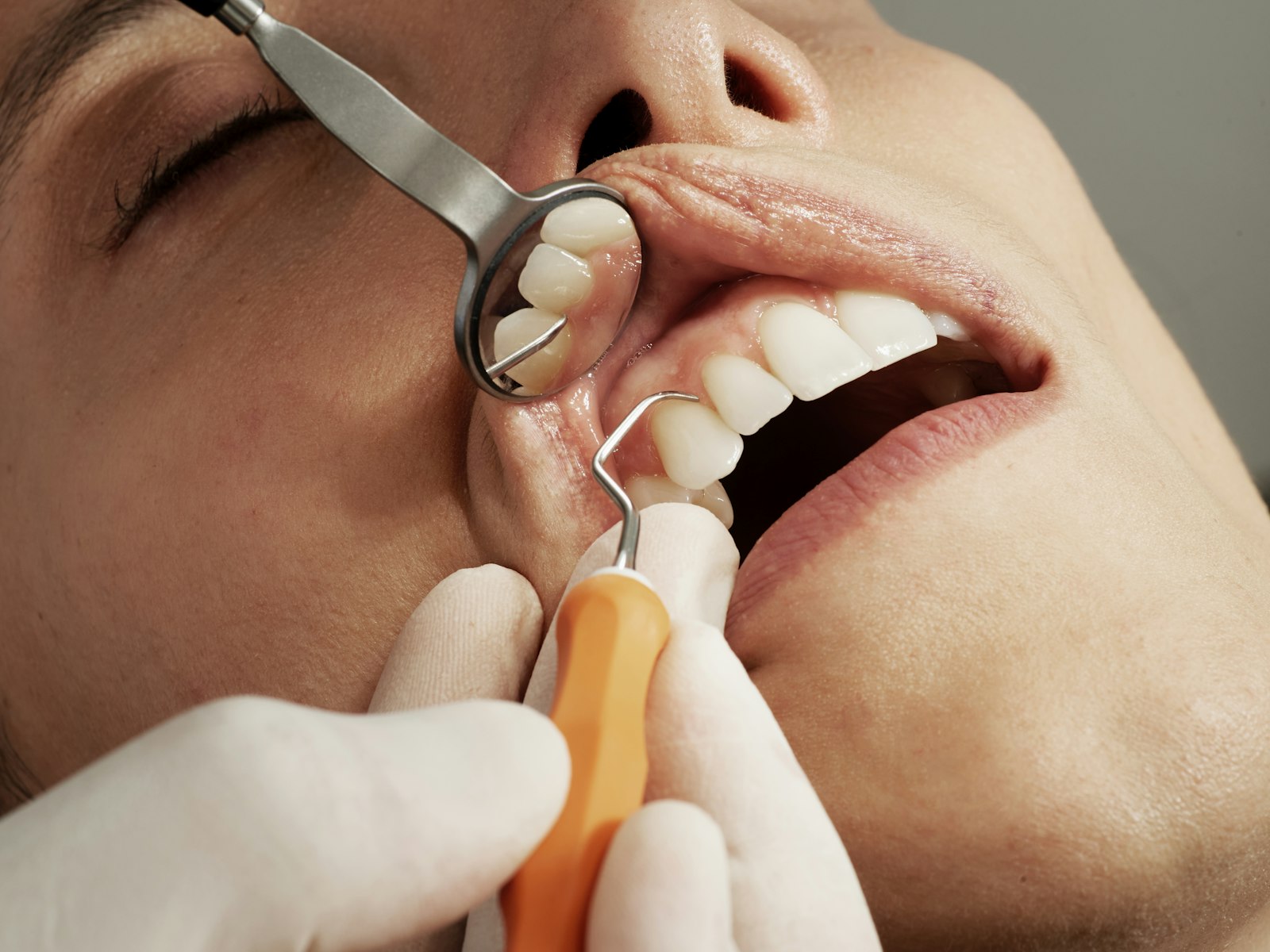
If there is one consistent finding across patient comfort research, it is that traditional putty trays are the more likely of the two methods to trigger a gag reflex, particularly for upper arch impressions or for patients who already find dental visits uncomfortable. The tray sits further back in the mouth and needs to remain in place while the material sets, which for some people is the least pleasant part of a fitting appointment. Digital scanning avoids this almost entirely, since the wand is narrow, can be moved around freely, and there is no material bulk sitting against the soft palate. Patient preference studies have generally and consistently favoured digital scanning for this reason, alongside shorter overall chair time.
Accuracy for Different Types of Treatment
Accuracy is where the two methods are closer than most patients expect, though the picture does shift slightly by treatment type.
| Treatment Type | Traditional Impression | Digital Scan |
|---|---|---|
| Single crown or bridge | Well established, reliably accurate | Comparable accuracy, generally faster turnaround |
| Orthodontic retainers and aligners | Widely used, accurate when technique is careful | Comparable accuracy, easier to store and reorder |
| Full or partial dentures | Often preferred for capturing soft tissue detail | Improving rapidly, but not yet universal for complex cases |
| Single dental implants | Can be more accurate in some studies | Comparable in many cases, but technique-sensitive |
The general pattern in the research is that for most single-tooth and short-span restorative work, the two methods are essentially interchangeable in terms of the final fit. For more complex, multi-unit implant cases or where several teeth are missing across an arch, some studies still find a slight edge for carefully taken traditional impressions, which is why your dentist may choose one method over the other based on your specific treatment rather than personal preference alone.
Tracking Changes to Your Teeth Over Time
One advantage that is unique to digital scanning is the ability to overlay scans taken months or years apart to see subtle changes in tooth wear, gum recession, or the fit of an existing retainer or appliance. This is difficult to do with a physical putty mould, which is generally used once and then discarded or stored as a plaster cast. For patients being monitored for tooth wear, orthodontic relapse, or gum changes, having a digital record that can be directly compared over time is a genuinely useful by-product of the scanning process, separate from whichever restoration is being made.
What to Expect at Your Own Appointment
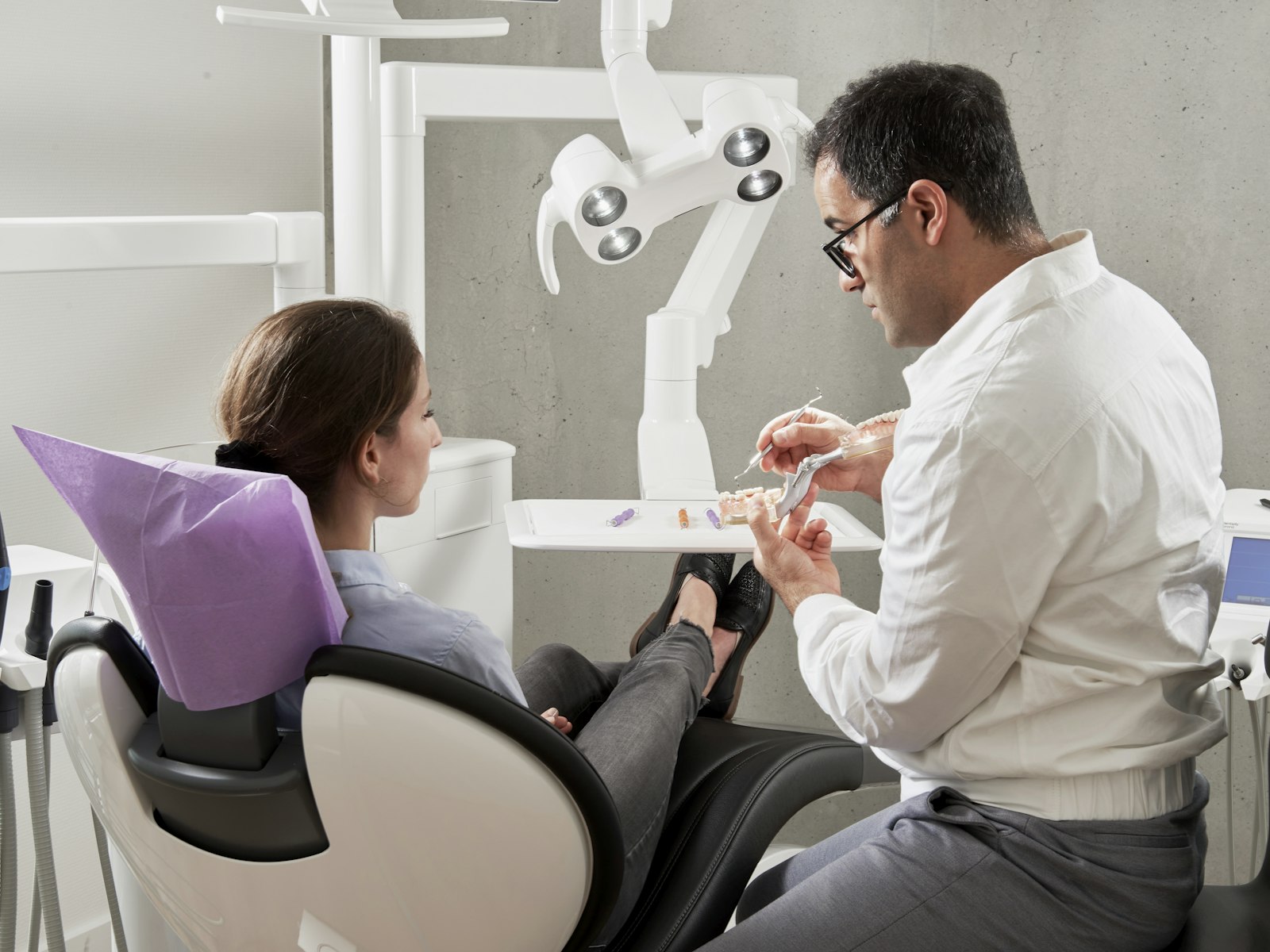
If your dentist uses digital scanning, expect a short chair-side procedure with a moving wand, generally no gagging, and the option to see your teeth modelled on screen in real time. If a traditional impression is recommended instead, expect a tray in the mouth for a minute or two per arch, a slightly unusual taste and texture from the material, and the option to breathe through your nose while it sets. Either way, if you have a strong gag reflex or dental anxiety, it is worth mentioning this before the appointment, since there are techniques and positioning adjustments for both methods that can make the process considerably more comfortable. Anyone considering a crown, bridge, denture or new retainer can read more in our guides on what happens if a crown falls off, what to do when a temporary crown comes off, and how different retainer types are made and worn.
Frequently Asked Questions
Is a digital scan more accurate than a traditional impression?
For most routine crown, bridge, retainer and denture work the two methods are considered comparably accurate. Traditional impressions can still have a slight edge in some complex implant or partially edentulous cases.
Does a digital scan hurt or feel uncomfortable?
Most patients find digital scanning comfortable, since there is no tray, no setting material, and the wand can be moved freely around the mouth. Some people feel mild pressure from the scanner tip against the gums, which usually settles quickly.
Why would a dentist still use a traditional putty impression?
Traditional impressions remain useful for certain denture cases, some complex implant work, and situations where the required lab or appliance is only set up to work from a physical mould.
Can a digital scan be used to make a retainer or mouthguard?
Yes, digital scans are commonly used to make retainers, clear aligners, night guards and sports mouthguards, and often allow for faster turnaround than a mould sent to an external lab.
Will I still gag during a digital scan if I gag easily with trays?
It is far less likely, since the wand is narrower and does not need to sit in place while material sets, though people with a very sensitive gag reflex may still need some positioning adjustments or short breaks.
How long does a digital scan take compared with a traditional impression?
A full arch digital scan typically takes a few minutes, similar to or slightly faster than a traditional impression once you include setting time for the putty material.
Can I ask which method my dentist will use before my appointment?
Yes, it is entirely reasonable to ask in advance, particularly if you have had a difficult experience with impressions before, so the team can plan accordingly.
Whether your treatment calls for a digital scan or a traditional impression, the team at Lumi Dental can talk you through which method suits your case and what to expect at your visit. Check current deals or book with the general dentist team to get started.

