

It depends mostly on where the tooth sits. A molar or premolar that has had a root canal is usually advised to have a crown, or another restoration that covers the biting cusps, because back teeth carry heavy chewing loads. A front tooth that still has most of its structure can often be sealed with a bonded filling instead. How much tooth is left matters as much as which tooth it is.
Lost tooth structure, not the root canal itself, is the weak point
Root-treated teeth are often described as "dead and brittle". The real picture is a little different. In a laboratory study published in the Journal of Endodontics in 1989, Reeh, Messer and Douglas measured how stiff premolar teeth were after each step of treatment. The root canal procedure itself reduced stiffness by only about 5 per cent. The biggest losses came from cutting away tooth structure, especially the ridges of enamel along the sides of the tooth: a cavity through both sides reduced cusp stiffness by an average of 63 per cent.
By the time a tooth needs a root canal, it has usually already lost structure to decay, old fillings or a crack, and the access opening adds to that. On a back tooth, the remaining walls can flex apart under chewing load, and a crack that runs down into the root may mean the tooth cannot be saved. A crown, or an onlay that covers the cusps, holds the walls together and spreads the load.
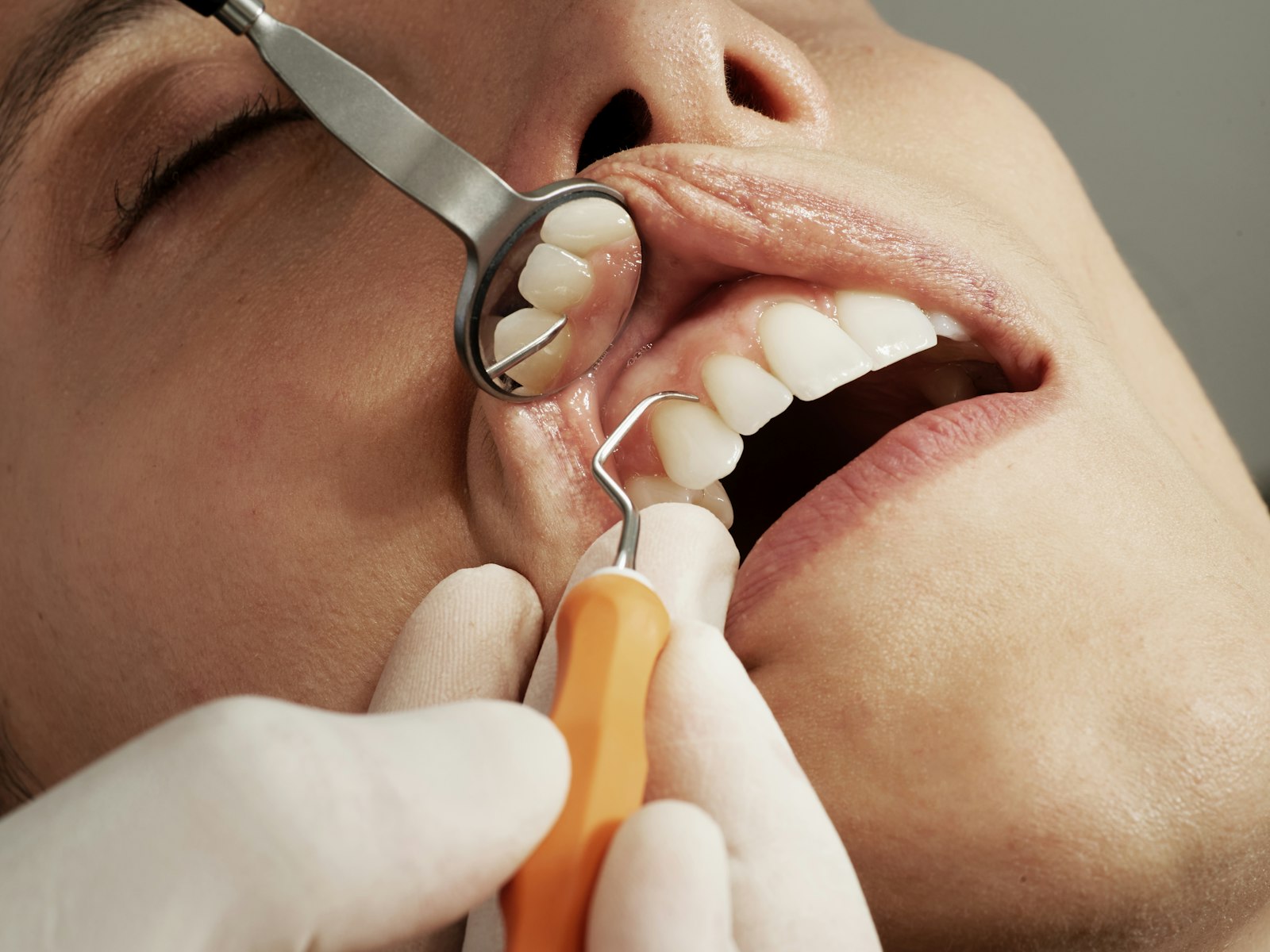
Crowned back teeth tend to survive longer
Two well-known studies point the same way. Aquilino and Caplan followed root-treated teeth at the University of Iowa and reported in the Journal of Prosthetic Dentistry (2002) that teeth not crowned after treatment were lost at about six times the rate of crowned teeth, after allowing for tooth type and decay. A systematic review by Ng and colleagues in the International Endodontic Journal (2010) found that a crown after root canal treatment was the strongest of four factors linked to better tooth survival. The others were having teeth on both sides, not being used to support a bridge or denture, and being a non-molar tooth.
These are observational studies, so they show a strong association rather than proof that the crown alone made the difference. They fit well with what the stiffness research shows about back teeth.
| Situation | Usual advice | Main reason |
|---|---|---|
| Molar or premolar | Crown or onlay covering the cusps | Heavy chewing load and walls that can split |
| Front tooth with most of its structure | Often a bonded filling | Lighter forces and little tooth removed |
| Any tooth with large fillings or little structure left | Crown, sometimes with a post and core | Not enough tooth to hold a filling safely |
| Front tooth that has darkened | Internal whitening, a veneer or a crown | Appearance rather than strength |
Front teeth can often keep their natural surface
Incisors and canines take far less chewing force than molars, and a root canal on a front tooth often leaves most of it intact with only a small opening on the inside surface. Sealing that opening with a bonded filling keeps more natural tooth and can work well for many years. A crown or veneer is more likely to be suggested if the front tooth is badly broken, already heavily filled, or has darkened after treatment and the colour bothers you.
Timing matters for back teeth
A back tooth left with only a temporary filling after a root canal is at its most vulnerable. Leakage under a temporary can also let bacteria back into the cleaned canals. For that reason, the crown or onlay is usually planned for soon after the root canal is finished, often within a few weeks, sometimes after a strong core filling has been placed. If cost or timing is a concern, talk to your dentist about how to protect the tooth in the meantime rather than leaving it unprotected for months.
For more detail, see our articles on whether every root-treated tooth needs a crown, root canal treatment under an existing crown and root canal compared with extraction.
What patients ask about crowns after root canals
Can an onlay be used instead of a full crown?
Often, yes. An onlay covers and protects the cusps while keeping more of the tooth's sides, and it can suit a back tooth with sound walls. Your dentist will advise which fits the tooth.
What happens if I skip the crown on a molar?
The tooth is more likely to crack or break, sometimes in a way that cannot be repaired, which can mean losing it. It may be fine for a while, but the risk does not go away.
Does a front tooth ever need a crown after a root canal?
Sometimes. If much of the tooth is missing or heavily filled, or it has discoloured, a crown or veneer may be the better choice. Each tooth is assessed on its own.
If you have had a root canal and are unsure what the tooth needs next, the team at Lumi Dental can examine it and take X-rays, and you will usually receive a written treatment plan, often by email. You can read about our general dental care or see any current offers.
This article is general information and not a substitute for an individual dental assessment.