
Ectodermal dysplasia is a group of inherited conditions that affect tissues such as teeth, hair, nails, and sweat glands, and in the mouth it commonly causes missing teeth, cone-shaped teeth, and dry mouth. The most common form is hypohidrotic ectodermal dysplasia, which has a classic triad of missing or sparse teeth, fine sparse hair, and reduced sweating. Because the dental signs are often the first thing noticed, a dentist is frequently the one who suspects the condition in a young child.
Key takeaways
- Ectodermal dysplasia affects teeth, hair, nails, and sweat glands, among other tissues.
- In the mouth it commonly causes missing teeth, conical (peg-shaped) teeth, and dry mouth.
- Reduced sweating can cause overheating, which is an important general health point.
- Dental care is staged across childhood, often using dentures early and implants later.
- A team approach, including medical and dental specialists, gives the best support.
Dental signs to look for
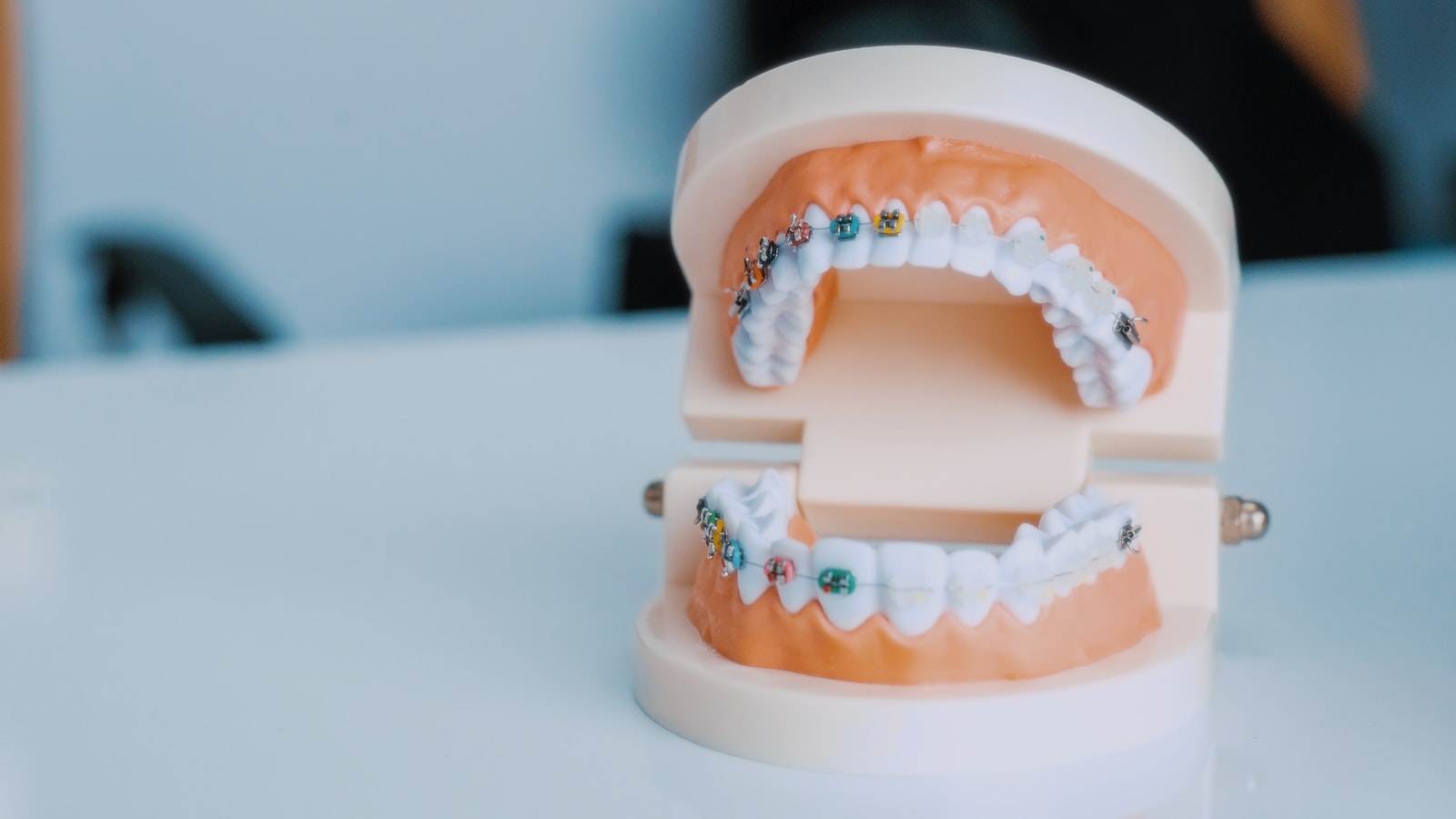
The hallmark dental feature is missing teeth, ranging from several absent teeth (oligodontia) to, rarely, none developing at all. The teeth that are present are often cone or peg-shaped, and the bony ridge that normally holds teeth may be underdeveloped because it grows in response to teeth. Delayed eruption is common. Dry mouth is another key feature, because the glands that make saliva can be affected. Since saliva protects against decay, dry mouth raises the risk, which links to our guide on dry mouth.
Why the dental signs appear first
Teeth form early and visibly, so missing or unusually shaped teeth are often the earliest clue to ectodermal dysplasia, sometimes before other features are obvious. A dentist who notices several missing or peg-shaped teeth in a young child may suggest a broader review. This overlaps with the wider topic of missing teeth in children, where the pattern and number of absent teeth help point to a cause.
The general health side
Beyond the mouth, reduced sweating in hypohidrotic ectodermal dysplasia means the body can struggle to cool itself, so overheating in hot weather or during exercise is a genuine concern that families manage day to day. Fine, sparse hair and brittle nails are also common. These features sit outside dentistry, but they are why care is shared between a paediatrician or geneticist and the dental team.
Dental care across childhood and beyond
Care is staged and adapts as a child grows. Early on, the focus is helping a child chew, speak, and feel confident, often with dentures that can be adjusted over time. Conical teeth can be reshaped or built up with tooth-coloured material. As the jaw matures, fixed options become possible.
| Stage | Common approaches |
|---|---|
| Early childhood | Dentures to restore chewing and speech, prevention for dry mouth |
| Mixed dentition | Reshaping peg teeth, building up shape, monitoring growth |
| Late teens and adulthood | Bridges or dental implants once jaw growth is complete |
Our guides to dentures and to implants, bridges and dentures explain these replacement options. Because saliva is reduced, prevention is especially important, including fluoride and careful diet.
Frequently asked questions
Is ectodermal dysplasia genetic?
Yes. It is inherited, and the most common form is passed on in an X-linked pattern, though other inheritance patterns exist.
Can children with ectodermal dysplasia get dentures?
Yes. Dentures are commonly used from a young age to help with chewing, speech, and appearance, and they are adjusted as the child grows.
When can implants be placed?
Implants are generally placed after jaw growth is complete, in the late teens or adulthood. The plan is tailored to each person.
Why is dry mouth a problem?
Saliva protects teeth against decay. When it is reduced, decay risk rises, so prevention and regular dental care matter more.
Who should be involved in care?
A team that may include a geneticist or paediatrician, a paediatric dentist, an orthodontist, and a prosthodontist gives the most complete support.
Speak with the team at Lumi Dental
If your child has several missing or cone-shaped teeth, the team at Lumi Dental in Melrose Park can assess the teeth and help coordinate care with your medical team. Read more about general dental care or view current new-patient offers on the current deals page. We do not list our own prices here and are happy to provide a written quote after an assessment.
This article is general information only and is not a substitute for personal medical or dental advice. Please see your doctor and dentist for advice about your situation.