
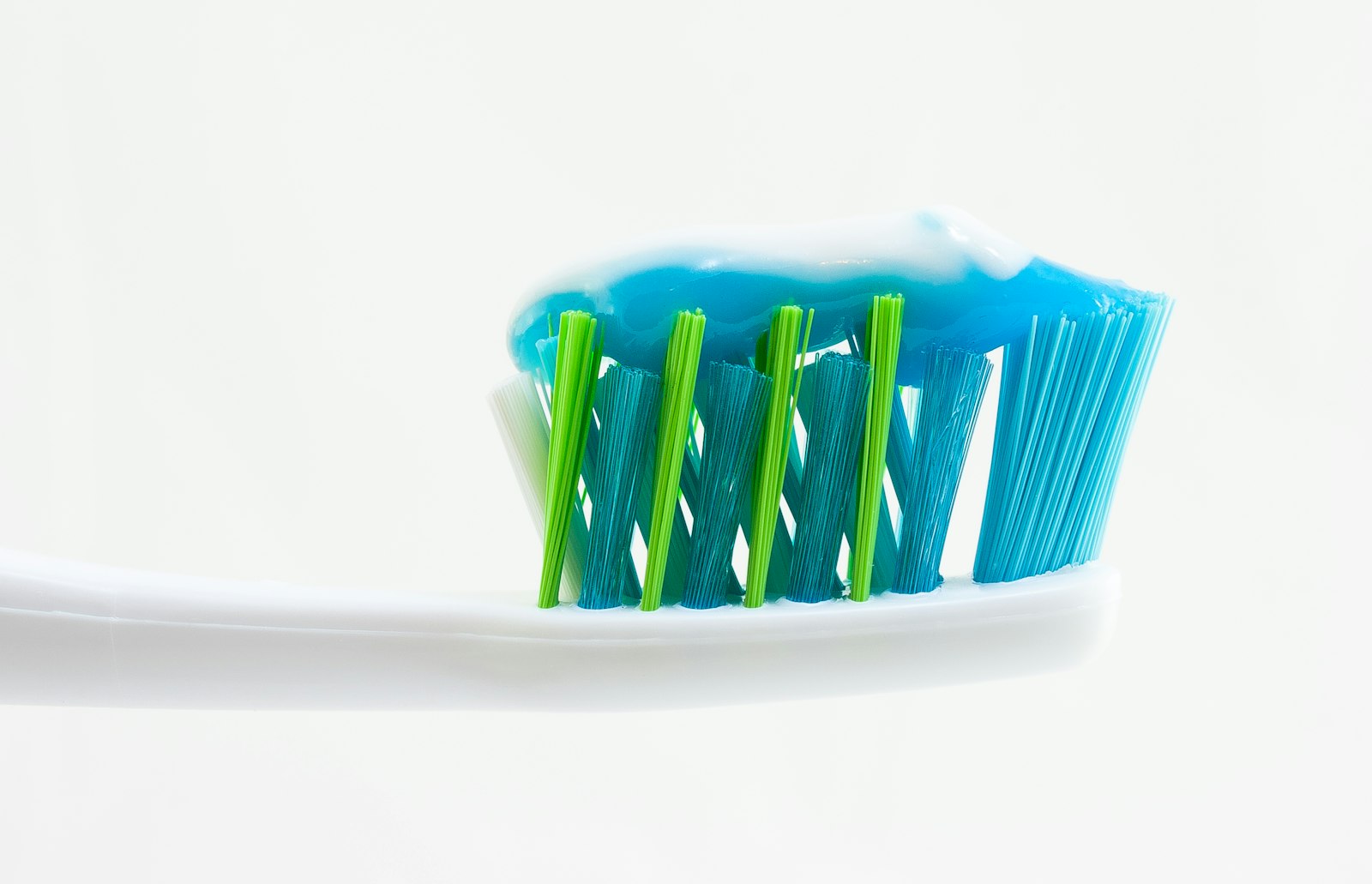

An electric toothbrush generally cleans more effectively around braces than a manual brush, but the toothbrush type matters less than the time and technique you use with it. Braces create dozens of extra surfaces, edges and gaps for plaque to hide in, and most people who struggle to keep their teeth clean during orthodontic treatment aren't using the wrong brush, they're rushing.
Key takeaways
- Powered toothbrushes remove more plaque than manual brushing on average, and the gap grows the longer they're used.
- Oscillating or vibrating brush heads can reach tight spaces around brackets more consistently than a manual brush.
- A manual brush used correctly, with enough time and the right angle, can still clean braces effectively.
- The technique matters more than the brush: brushing above and below every bracket, not just across it.
- Interdental brushes and water flossers are useful additions for getting under wires, regardless of brush type.
- Electric brushes are considered safe to use with fixed braces.
The one thing that matters more than which brush you buy
Braces don't just sit on the surface of your teeth, they create ledges, wires and brackets that a normal sweeping brush stroke skips right over. Whichever brush you use, the real risk factor is speed. Two minutes of unhurried, deliberate brushing with a manual brush will usually clean better than thirty seconds of fast brushing with an expensive electric one. So before comparing brush types, it's worth being honest about how much time and attention your brushing routine actually gets, especially while braces are on.
What the evidence says about electric vs manual
A large body of clinical research comparing powered and manual toothbrushing has consistently found that oscillating-rotating electric brushes remove more plaque than manual brushing on average. In the first few months of use, powered brushes have been shown to remove around 11% more plaque than manual brushing, and that gap tends to widen with continued use, to around 21% more after three months. The likely reason is consistency: an electric brush head does the same mechanical motion every time, even if the person holding it is tired, rushing, or not paying much attention, whereas manual brushing depends entirely on the user's technique in the moment.
For braces specifically, some electric brush heads are designed with an angled or V-shaped bristle pattern, so one side of the bristles cleans above the bracket and the other cleans below it in the same pass. This can make it easier to consistently reach the areas above and below each bracket where plaque tends to build up. Orthodontic guidance generally confirms electric brushes are safe to use with fixed braces, as long as a gentle, ortho-friendly brush head is used.
The case for sticking with manual
Manual brushes aren't second best, they're simply more dependent on the user. A soft manual brush, used with a proper bracket-by-bracket technique and enough time on each area, is genuinely effective at keeping braces clean. Manual brushing also gives full control over pressure and angle, which some people prefer, particularly around sensitive gum lines or new brackets that feel tender. The honest summary is that a well used manual brush usually beats a poorly used electric one, and a well used electric brush usually beats a well used manual one by a small but meaningful margin.
| Factor | Electric toothbrush | Manual toothbrush |
|---|---|---|
| Average plaque removal | Higher, especially with consistent long-term use | Lower on average, but technique-dependent |
| Reaching around brackets | Easier with angled or orthodontic brush heads | Possible but requires more deliberate technique |
| Control over pressure and angle | Less direct control | Full manual control |
| Cost | Higher upfront, ongoing head replacement | Lower cost |
| Best suited to | People who tend to rush or brush inconsistently | People confident with a slow, thorough technique |
The technique that matters regardless of brush type
Whichever brush you choose, the technique that actually protects your teeth during orthodontic treatment comes down to a few habits.
- Angle the brush at roughly 45 degrees and clean above each bracket, then angle down and clean below it, treating each bracket as two separate surfaces rather than one sweep.
- Use an interdental brush, sometimes called an orthodontic or "Christmas tree" brush, to clean under and around the wire between brackets, where a toothbrush alone can't reach.
- Add a water flosser to your routine to flush out debris from around brackets and under wires, particularly after meals.
- Brush for a full two minutes, covering every tooth surface, not just the front-facing ones that are easiest to see.
- Rinse and check in the mirror for visible plaque or food debris near brackets before finishing up.
If you want more detail on using a water flosser properly, our guide on how to use a water flosser walks through the technique step by step. And if you're weighing up an electric toothbrush for general use beyond braces, our broader comparison on electric vs manual toothbrushes covers the wider picture.
Don't forget your toothbrush's age
Brush type aside, a worn out brush head, electric or manual, cleans poorly no matter how good the technique is. Bristles that are frayed or splayed lose their ability to get into the small spaces around brackets. Our article on how often to replace your toothbrush has practical guidance, and it's worth checking more often while wearing braces, since brackets and wires can wear bristles down faster than usual. This is general guidance rather than a substitute for advice tailored to your specific braces and mouth.
Frequently asked questions
Can I use a regular electric toothbrush head with braces, or do I need a special one?
A standard soft electric brush head can usually be used, though some people find an orthodontic-specific head, designed with a V-shaped bristle pattern, easier to manoeuvre around brackets.
Will an electric toothbrush damage my braces?
No, electric toothbrushes are generally considered safe to use with fixed braces when used gently, without excessive pressure on the brackets and wires.
How often should I brush my teeth while wearing braces?
At least twice a day is the general recommendation, the same as without braces, though many orthodontic patients also brush after meals to clear out food trapped around brackets.
Is a water flosser enough on its own with braces?
A water flosser is a helpful addition but generally works best alongside brushing, not as a replacement for it, since brushing removes the plaque film that a water flosser alone may not fully clear.
Do braces make cavities more likely?
Braces don't cause cavities directly, but the extra surfaces make plaque easier to miss, which can raise the risk if cleaning habits aren't thorough. Consistent brushing and interdental cleaning help manage this.
What should I do if my gums are sore around my brackets?
Mild gum irritation can be common when adjusting to braces, but ongoing soreness is worth mentioning at your next visit. If you're dealing with mouth ulcers from braces, our guide on mouth ulcers from braces has some practical tips.
Whichever brush you choose, keeping up with regular check-ups during orthodontic treatment makes a real difference. The team at Lumi Dental can check how your cleaning routine is working at your next visit. Have a look at our current deals or find out more on our general dentistry page.


