
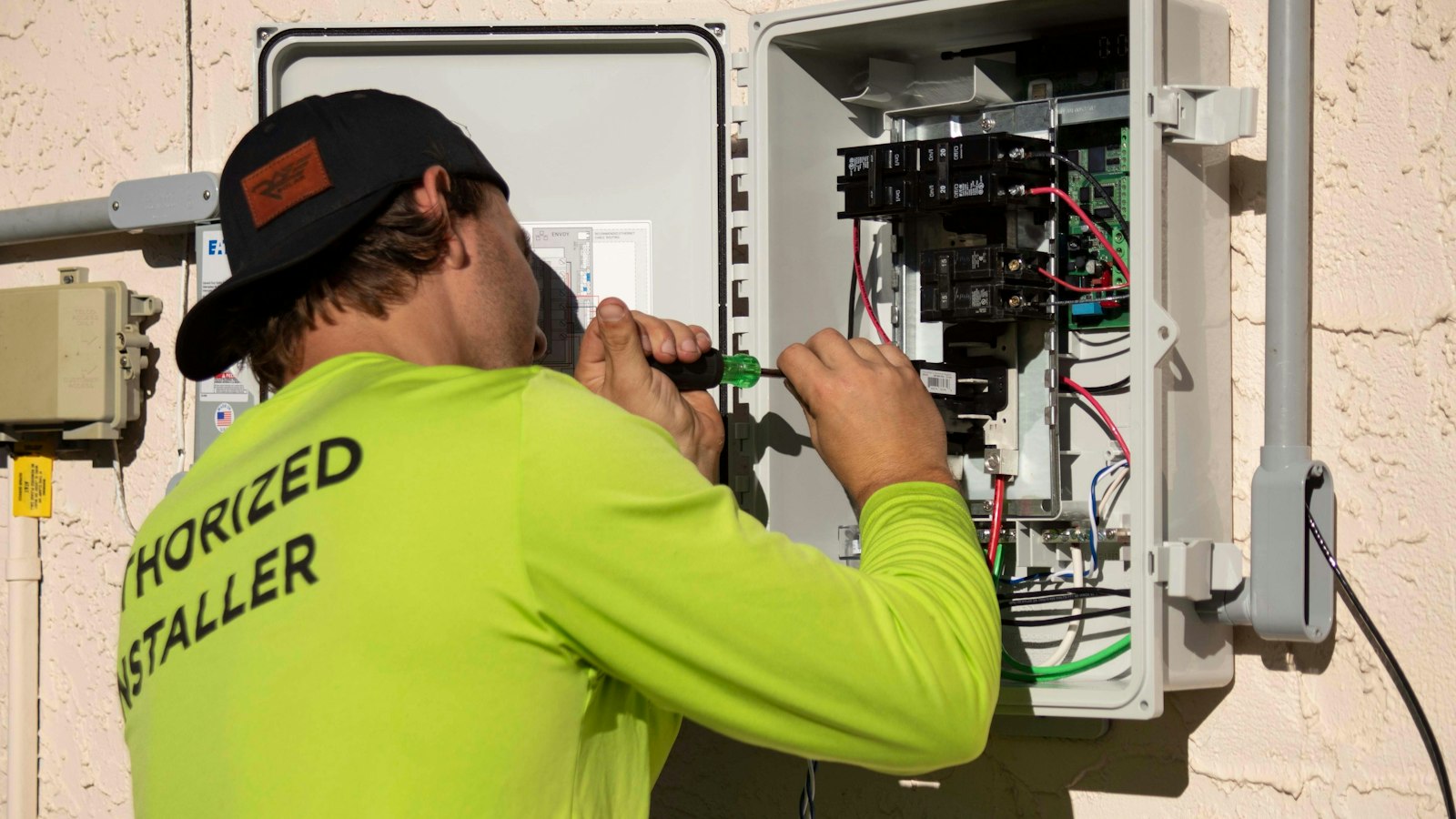

Electricians dental health is shaped by a handful of habits that rarely get mentioned on site: long hours in hot roof spaces, tools held between the teeth, and jaw clenching while working overhead. Most of the electricians and apprentices I see are careful about gloves, glasses and testers, yet the mouth is often the one piece of equipment that gets used as a third hand. This guide walks through the everyday risks, what to do if a tooth is chipped or knocked out, and simple changes that may protect your teeth without slowing the job down.
Key Takeaways
- Hot roof spaces and wall cavities can dry the mouth quickly, and a dry mouth typically raises the risk of decay and gum irritation.
- Holding wire strippers, tape, screws or a torch in your teeth can chip enamel, crack fillings and wear the biting edges over time.
- Working overhead often leads to jaw clenching, which can cause sore muscles, headaches and cracked teeth.
- If a tooth is knocked out, hold it by the crown, keep it moist and see a dentist as quickly as possible. Time matters.
- Sipping sweet drinks and grazing on snacks through the day keeps your teeth under repeated acid attack.
- A short check-up and a custom mouthguard conversation can be far easier than an emergency visit in the middle of a busy week.
Why the Roof Space Is Hard on Your Mouth
Anyone who has spent a shift in a ceiling cavity knows how quickly the body loses water. Heat, effort and protective gear all add up, and many people sip less than they need because climbing down for a drink costs time. Mild dehydration may reduce saliva flow, and saliva is the mouth's natural defence: it washes away food, neutralises acid and helps repair the surface of enamel.
When saliva drops, patients often notice a sticky or dry feeling, stronger breath odour, a burning tongue, or teeth that feel rough. If this is a regular pattern, it is worth reading about dental health for tradies and construction workers, which covers the wider site environment. For electricians in particular, the roof space adds an extra layer: it is hot, enclosed and often poorly ventilated.
Small habits that help
- Keep a water bottle within reach before you go up, not in the ute.
- Take a mouthful of water and swish it after any sugary or acidic drink.
- Sugar-free gum after meals may help stimulate saliva when you cannot brush.
- Choose water over energy drinks during long hot jobs.

Dust, Insulation Fibres and What Reaches the Mouth
Ceiling and wall cavities hold dust, old insulation, fine debris and, in older buildings, materials that need proper assessment before anyone disturbs them. That is a workplace safety matter first, and your site procedures and a proper mask come before anything else.
From a dental point of view, fine dust and fibres tend to settle on the lips, tongue and gums. Patients sometimes describe a scratchy throat, irritated gums or a gritty feeling when they clench. Brushing gently and rinsing at the end of a shift removes what a quick wipe of the face does not.
What I suggest after a dusty shift
- Rinse with water before eating or drinking anything else.
- Brush with a soft brush and fluoride toothpaste, using light pressure.
- Clean between the teeth, because dust and food collect there together.
- Speak to your GP if you notice a persistent cough or throat symptoms. Those are medical questions, not dental ones.
Tools in the Teeth: The Habit That Costs Enamel
It starts as convenience. Your hands are full, so the wire strippers, a screw, a length of tape or a small torch goes in the mouth. Each one is harder than you might think, and teeth are designed to bite food, not metal.
Over time, this can lead to small chips along the biting edge, hairline cracks, loosened fillings and flattened front teeth. Sometimes the crack is invisible at first and only shows up as a sharp twinge when you bite or drink something cold. If that sounds familiar, our article on cracked tooth syndrome explains why these symptoms can be hard to pin down.
| Habit on site | What it may do | Safer swap |
|---|---|---|
| Holding wire strippers in the teeth | Chipped or cracked biting edges | Tool pouch or lanyard within reach |
| Tearing tape with the teeth | Enamel wear, chipped front teeth | Tape holder on the belt, or scissors |
| Holding screws in the mouth | Chips, and a swallowing or choking risk | Magnetic wristband or small tray |
| Torch clamped in the teeth | Jaw strain and tooth stress | Head torch |
| Opening bottles or packaging with the teeth | Cracked teeth and damaged fillings | Keep a small knife or bottle opener handy |
Clenching While You Work Overhead
Reaching, straining and holding awkward positions all encourage the jaw to tighten. Many electricians tell me they only notice it later, when the temples ache or the jaw feels stiff on waking. Clenching generally puts heavy load on teeth and the muscles that move the jaw, and over months it may flatten enamel or contribute to fractures.
Clenching and grinding are related but not the same thing. If you are unsure which applies to you, read our comparison of jaw clenching versus teeth grinding. A simple awareness cue helps: lips together, teeth apart, jaw relaxed. Some patients set a reminder to check their jaw whenever they change position.
First Aid for a Chipped or Knocked-Out Tooth
Accidents happen even with careful habits: a slipped screwdriver, a swinging bag, a fall from a ladder step. Knowing what to do in the first few minutes can make a real difference.
A chipped or broken tooth
- Rinse your mouth gently with water and keep any fragment you can find.
- Store the fragment in milk or in a clean container with a little saliva.
- Cover any sharp edge with sugar-free gum or a clean piece of gauze so it does not cut the tongue.
- See a dentist promptly, even if there is no pain, because a chip may expose the sensitive layer underneath.
A knocked-out adult tooth
- Pick the tooth up by the crown, the part you normally see, not the root.
- If it is dirty, rinse it briefly in milk or saline. Avoid scrubbing it.
- Try to place it back in the socket and hold it there with gentle biting on a cloth. If you cannot, keep it in milk or tucked inside the cheek.
- Get to a dentist immediately. Research and public health guidance consistently stress that the sooner a tooth is replanted, the better its chances may be.
Do not try this for a baby tooth. If you were hit on the head, feel dizzy or vomit, go to an emergency department first. If the injury happened at work, our guide to dental injury at work, first aid and workers compensation in NSW explains the reporting side.
On-Site Snacking and Drinks
Long days often mean a bag of lollies, a soft drink from the servo or several energy drinks. It is not any single item that causes trouble so much as how often teeth are exposed. Each time you eat or sip something sugary or acidic, your mouth stays acidic for a while. Constant grazing means the teeth rarely get a break.
A few practical shifts can help without turning smoko into a lecture. Plan snacks for set times rather than all day, choose water between meals, and keep cheese, nuts or fruit in the ute rather than sweets. If you rely on sports drinks, our article on sports and energy drinks and your teeth explains how to reduce the impact.
| Snack or drink | Typical effect on teeth | Better option |
|---|---|---|
| Soft drink or energy drink sipped through the shift | Repeated acid and sugar exposure | Water, with a drink kept to one sitting |
| Lollies and sweet biscuits | Sticky sugar that clings to teeth | Cheese, nuts, fruit |
| Sports drink on a long hot day | Acid and sugar together | Water first, sports drink only if genuinely needed |
| Sugary coffee from the servo | Sugar plus dehydration | Smaller size, less sugar, water alongside |
A Simple Routine for the Working Week
- Brush morning and night with fluoride toothpaste and clean between the teeth daily.
- Keep a toothbrush and small toothpaste in the ute for after a dusty or sweaty shift.
- Drink water regularly and sip less sugar.
- Keep tools out of your mouth, using a pouch, wristband or head torch.
- Check your jaw during overhead work and rest it when you can.
- See a dentist regularly, and sooner if a tooth feels sharp, cracked or sensitive.
Apprentices are often the ones most tempted to use the mouth as a spare hand, because they are still working out their kit. Setting up the right habits early is easier than repairing teeth later.
Common Questions
Can electricians get dental problems from working in hot roof spaces?
Yes, indirectly. Heat and dehydration may reduce saliva, and a dry mouth typically raises the risk of decay, gum irritation and bad breath. Drinking water regularly and rinsing after sugary drinks can help.
Is it bad to hold tools in your teeth?
It can be. Metal, screws and tape are harder than enamel and can chip teeth, crack fillings and wear the biting edges over time. A tool pouch or lanyard is a safer alternative.
What should I do if I chip a tooth on site?
Rinse gently, keep any fragment in milk and see a dentist as soon as you can. Cover a sharp edge with sugar-free gum or gauze in the meantime. Even a small chip may expose sensitive tooth structure.
What do I do if a tooth is knocked out at work?
Handle it by the crown, rinse briefly if dirty, and try to place it back in the socket or keep it in milk. Get to a dentist immediately, because the chances of saving the tooth typically fall as time passes.
Why does my jaw ache after overhead work?
Many people clench when they strain or concentrate. This can tire the jaw muscles and cause headaches, and a dentist can check for wear or cracks and discuss options such as a mouthguard.
Should electricians wear a mouthguard?
It depends on your habits and risk. A custom mouthguard may help if you clench or grind, and a dentist can advise whether one suits you.
Book a Check-Up That Fits Around Your Work
If a tooth feels different, a filling has loosened, or you would simply like to be checked before something turns into an emergency, the team at Lumi Dental is happy to help. New patients can see the current new patient offer, and you can learn more about our general dentist in Melrose Park. We offer a free consult and a written quote before any treatment, so you know what to expect. This article is general information and does not replace an assessment of your own mouth.


