


Tradies and construction workers can protect their teeth on the job by managing dust and dry mouth, swapping sugary smoko habits, keeping nails and screws out of the mouth, and knowing what to do if a tooth is knocked out. Dental health for tradies is shaped by early starts, long days in the heat, physical strain and limited time to look after yourself. In my experience, most of the tooth problems patients from the trades bring in are preventable with a few small changes to the daily routine.
Key Takeaways
- Site dust, heat and long gaps between drinks can dry the mouth, which typically raises the risk of decay and gum irritation.
- Energy drinks, sweet smoko snacks and constant sipping expose teeth to sugar and acid many times a day.
- Holding nails, screws or tacks in the mouth is a common habit that can chip or crack teeth.
- A knocked-out tooth is an emergency: handle it by the crown, keep it moist and see a dentist as soon as possible.
- Chewing tobacco, snus and similar products are linked with gum disease and mouth cancer, so any persistent mouth sore should be checked.
- Sun protection for lips matters for outdoor workers, and regular check-ups can pick up problems early.
Why Site Work Is Tough on Teeth
A working day on site often starts before breakfast and finishes well after the last decent meal. Between those hours, teeth are exposed to dust, heat, snacks eaten on the run and the physical stress of heavy work.
The team at Lumi Dental sees the same patterns again and again in people who work with their hands: dry mouths, worn or chipped teeth, decay that started with frequent sugary drinks, and gum problems that were put off because there was no time to book. The good news is that small habits on site can make a real difference.
Site Dust and Dry Mouth
Saliva is the mouth's natural defence. It rinses food away, neutralises acid and carries minerals that help repair the surface of teeth. When saliva flow drops, decay and gum irritation become more likely.
Working in dusty conditions, mouth breathing while exerting yourself, wearing a dust mask for hours and drinking too little water can all leave the mouth dry. Cutting, grinding and sanding masonry, concrete and cement products creates fine dust, including respirable crystalline silica in some tasks. Dust control and the right respirator are a work health and safety matter, and your employer and safety officer set the rules for that.
Simple ways to keep the mouth moist
- Keep a water bottle within reach and sip regularly through the shift.
- Rinse with water after dusty tasks, and after removing your mask during breaks.
- Chew sugar-free gum at smoko to encourage saliva flow.
- Try to breathe through your nose when lifting or working at a steady pace, where you can.
- Use a fluoride toothpaste at night, and ask us about a higher-strength option if your mouth is often dry.
If dryness is constant, it is worth mentioning to your GP or pharmacist, because some medicines and health conditions can cause it. Our article on mouth breathing in adults explains why breathing habits matter.
Early Starts, Skipped Breakfast and Smoko Snacks
Many tradies leave home before sunrise and go without breakfast, then reach for a sweet pastry, a soft drink or an energy drink at the first break. Sugar in a single hit is less of a problem than sugar taken slowly and repeatedly. Every sip or bite triggers an acid attack on tooth enamel that lasts a while, and constant sipping over hours keeps the mouth in an acidic state.
Energy drinks and cold drinks in the ute
Energy drinks are often both sugary and acidic. Sugar-free versions are still acidic, so they can soften enamel over time. Sipping one slowly through the morning is harder on teeth than finishing it at a break and following it with water. We cover this in more detail in our guide to sports and energy drinks and your teeth.
Smoko swaps that help
| Common smoko choice | Why it can affect teeth | Easier swap |
|---|---|---|
| Energy drink sipped all morning | Sugar and acid contact teeth for hours | Water through the shift, one drink finished at a break |
| Sweet pastry or donut | Soft, sticky sugar clings to teeth | Sandwich, boiled eggs or a piece of fruit |
| Soft drink with lunch | Sugar and acid, often repeated daily | Water or plain milk |
| Lollies or mints all day | Frequent sugar exposure | Sugar-free gum |
| Brushing straight after an acidic drink | Enamel is temporarily softer | Rinse with water, brush 30 minutes later |
Nails, Screws and Other Things That Do Not Belong in Your Mouth
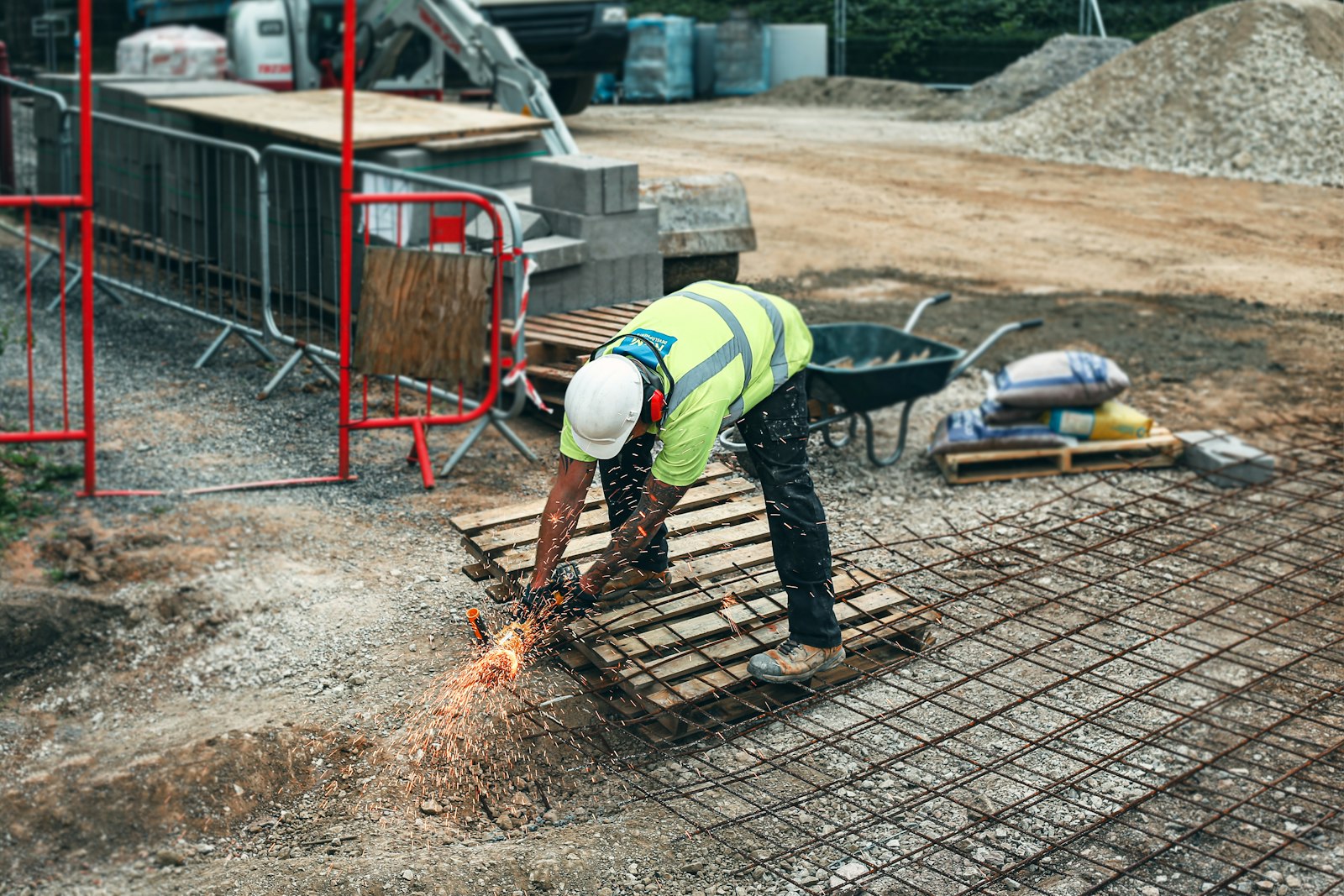
Holding a nail, screw or tack between the teeth while both hands are busy is one of the most common trade habits I see. It feels harmless, but teeth are not designed to grip hard metal. Over time it can chip the edges, wear notches into the enamel or crack a tooth, particularly if you bite down suddenly when a ladder wobbles or a colleague speaks to you.
A simple fix is a magnetic wristband, a nail pouch on the belt or a small pocket within reach. The same goes for tearing tape or cable ties with your teeth and cutting fishing line or strapping.
Knocks, Falls and Dental Emergencies on Site
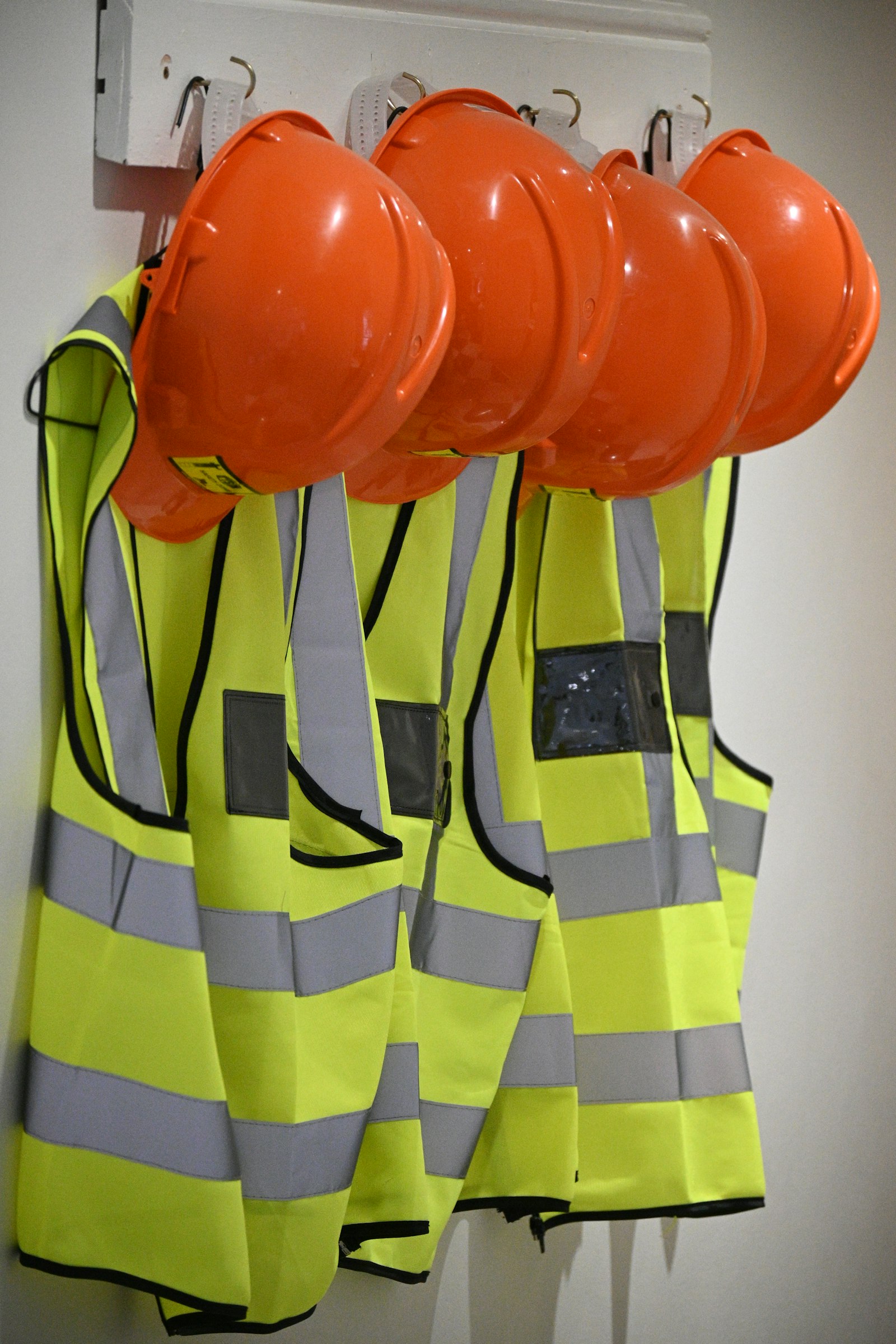
Tools, scaffolding, ladders and moving machinery all carry a risk of facial injury. A hard hat and safety glasses protect the head and eyes, and a mouthguard is worth considering for high-risk tasks or sports outside work.
First aid for a knocked-out or broken tooth
- Find the tooth and pick it up by the crown (the white part), not the root.
- If it is dirty, rinse it briefly with milk or saline. Do not scrub it.
- If it is an adult tooth and the person is alert, it can be gently placed back in the socket and held there. If not, keep it in milk or against the inside of the cheek.
- Do not wrap it in tissue or leave it to dry.
- See a dentist as soon as possible, ideally within an hour.
For a chipped tooth, keep any fragments and rinse the mouth with water. For bleeding, press gently with clean gauze. Anyone who has lost consciousness, has neck pain, vomiting or confusion after a fall needs emergency medical care first.
If the injury happens at work, there may be reporting and compensation steps to follow. Our guide to dental injury at work, first aid and workers compensation in NSW covers what to keep in mind.
Jaw Clenching While Lifting and on Ladders
Heavy lifting, awkward positions and working at height often lead people to clench their teeth without noticing. Over time this can cause sore jaw muscles, morning headaches, worn teeth and tooth sensitivity.
Simple habits can help: notice when your teeth are touching, let the jaw drop slightly apart with lips closed, and take short stretch breaks. If you wake with a sore jaw, a custom night guard may be worth discussing. Read more in jaw clenching vs teeth grinding.
Chewing Tobacco, Snus and Mouth Cancer Awareness
Some workers use chewing tobacco, snus or similar oral nicotine products to get through a shift. Smokeless tobacco is associated with gum recession, staining, decay and an increased risk of mouth cancer. In Australia, the sale and supply of snus and many oral nicotine products are restricted, and the rules can change, so it is worth checking current information with your pharmacist or GP.
Whatever product is involved, stopping is the most helpful step for your mouth, and your GP or pharmacist can talk about quit support. Ask for a check if you notice:
- A mouth ulcer that has not healed in about three weeks.
- A white or red patch that does not wipe off.
- A lump, thickening or persistent soreness in the mouth or tongue.
- Difficulty swallowing or unexplained numbness.
These signs are often caused by something minor, but they should be checked promptly.
Heat, Hydration and Sun Protection
Working in hot weather increases sweating and, if you are not drinking enough, reduces saliva. Water is the best drink on site.
Lips are exposed to the sun for hours in outdoor trades, and the lower lip is a common site for sun-related skin cancer. Use a lip balm with SPF, wear a wide-brim hat or neck flap, and reapply through the day. Our article on sun protection for your lips and lip cancer has more detail.
A Practical On-Site Routine
| When | What to do |
|---|---|
| Before leaving home | Brush with fluoride toothpaste, eat something, fill the water bottle |
| On site | Sip water, keep nails in a pouch, use lip balm with SPF |
| Smoko | Finish drinks at the break, chew sugar-free gum, rinse after dust |
| After work | Brush and floss, then avoid grazing on sweet snacks |
| Every 6 to 12 months | Check-up and clean, or sooner for pain, chips or mouth sores |
Common Questions
Can construction dust damage your teeth?
Dust itself is mainly a concern for the lungs, but dusty conditions can dry the mouth and irritate the gums, which may raise the risk of decay. Use the respirator and dust controls your site requires, and sip water regularly.
Is it bad to hold nails in your mouth?
Yes, it can be. Nails and screws are hard and can chip, crack or wear teeth, especially if you bite down suddenly. A magnetic wristband or nail pouch is a safer option.
What should I do if a tooth is knocked out at work?
Pick it up by the crown, avoid touching the root, keep it moist in milk or inside the cheek and get to a dentist quickly. Seek medical care first if there was a head injury or loss of consciousness.
Are energy drinks bad for your teeth?
They can be. Most are acidic and many are sugary, and sipping them slowly keeps teeth exposed. Finish them in one sitting where possible and follow with water.
Is chewing tobacco or snus worse than smoking for your mouth?
Neither is good for oral health. Smokeless tobacco sits against the gums and cheek and is linked with gum recession and mouth cancer. Any product use is best discussed with your GP or pharmacist.
How often should tradies see a dentist?
Most adults do well with a check-up every 6 to 12 months, and sooner if there is pain, a chipped tooth or a sore that will not heal.
Looking After Your Teeth Around a Busy Working Week
If you work on site and have put off a check-up, the team at Lumi Dental in Melrose Park can look at chips, sensitivity, jaw pain or anything else that is bothering you. Have a look at our current deals for new patients, and learn more about general dentistry at Lumi Dental. We offer a free consult and a written quote, so you know the plan before any treatment begins.


