

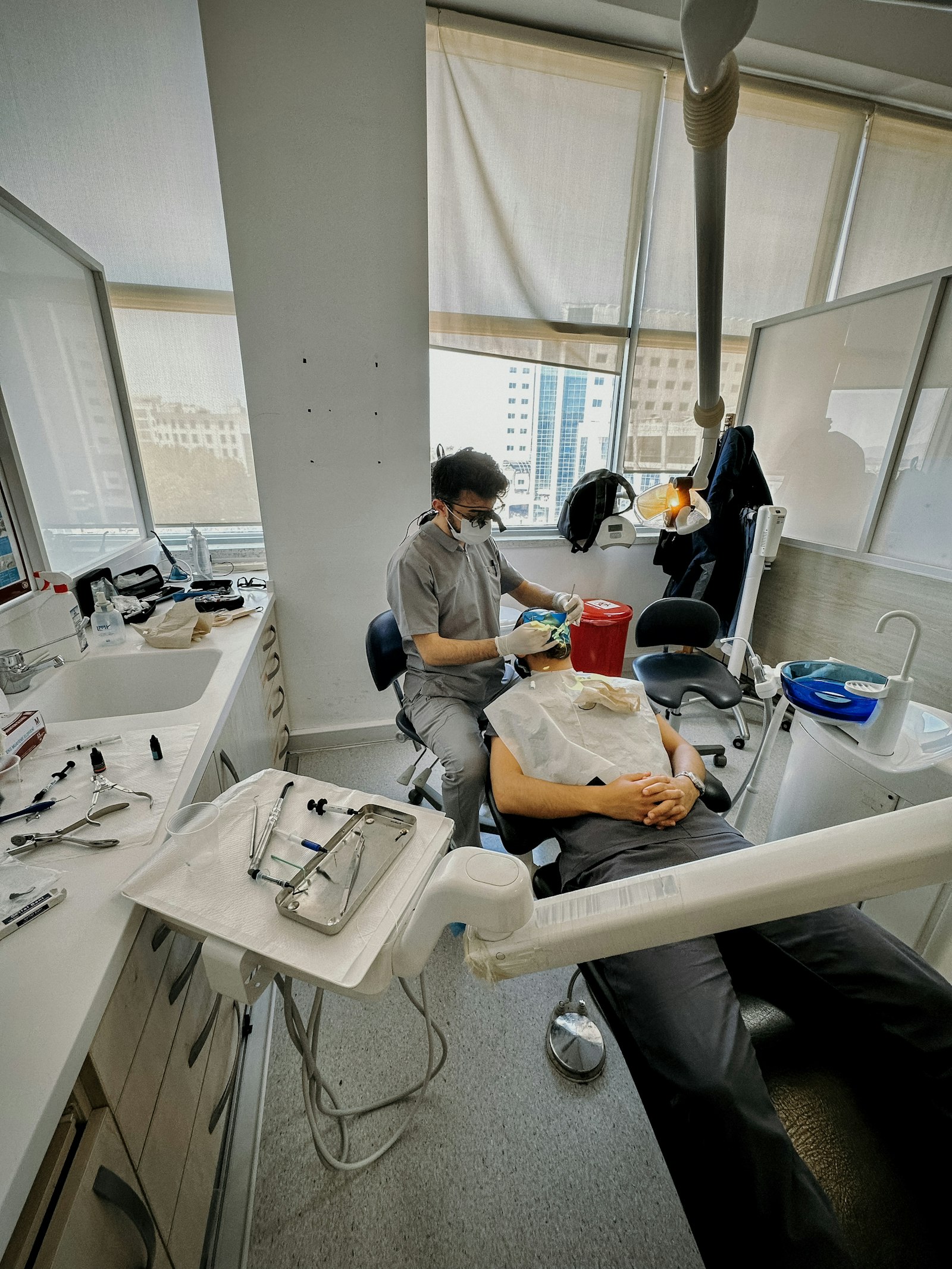

Yes, patients who are fed through a feeding tube and eat little or nothing by mouth still need daily dental care, and in many cases they need it more than someone eating normally, not less. It can seem counterintuitive at first. If no food is passing through the mouth, it is easy to assume there is nothing left to clean. In reality, saliva flow and the natural cleaning action of chewing and swallowing food are two of the mouth's main defences against plaque build-up, and when nutrition comes through a nasogastric or PEG tube instead, both of those defences are reduced or missing entirely. This guide is written for the family members and carers who manage this daily care, often for someone they love who cannot manage it themselves.
Key Takeaways
- No oral intake does not mean no plaque. Reduced saliva and chewing action can actually make tube-fed patients more prone to plaque build-up, not less.
- Poor oral hygiene in tube-fed patients is a recognised risk factor for aspirating oral bacteria into the lungs, contributing to aspiration pneumonia.
- Daily brushing or swabbing remains essential even when no food ever passes through the mouth.
- Positioning during oral care matters, particularly for patients with reduced mobility or swallowing difficulty, to reduce aspiration risk.
- Regular dental visits should continue on a normal schedule unless a health professional advises otherwise.
- Dry mouth, altered taste and reduced saliva are common and manageable with the right approach.
Why the Mouth Still Needs Cleaning With No Food by Mouth
Saliva does more than help with chewing and swallowing. It constantly washes food debris and bacteria away from the teeth and gums, buffers acid, and delivers minerals that help protect enamel. Chewing itself adds a mechanical cleaning action that helps dislodge plaque from the chewing surfaces of the teeth. When someone is fed entirely or mostly through a feeding tube, both of these natural processes slow down or stop, while the bacteria that normally live in everyone's mouth continue to multiply regardless of whether food is being eaten. Without the usual saliva flow and chewing action to keep them in check, plaque can build up more quickly than expected, increasing the risk of gum disease and oral thrush in particular.
The Aspiration Pneumonia Risk Connection
This is the part of tube-fed oral care that deserves the most attention from carers and family members. When oral hygiene is neglected, bacteria can build up in the mouth to a level where small amounts are inhaled into the airway, particularly in patients who also have reduced mobility, are lying down for long periods, or have swallowing difficulties affecting their own saliva management. This is a recognised contributor to aspiration pneumonia, a lung infection that can be serious in medically vulnerable patients. Daily oral hygiene is one of the more straightforward ways to reduce this risk, which is exactly why it remains essential even when a patient has not eaten a meal by mouth in months or years.
A Practical Daily Oral Hygiene Routine for Carers
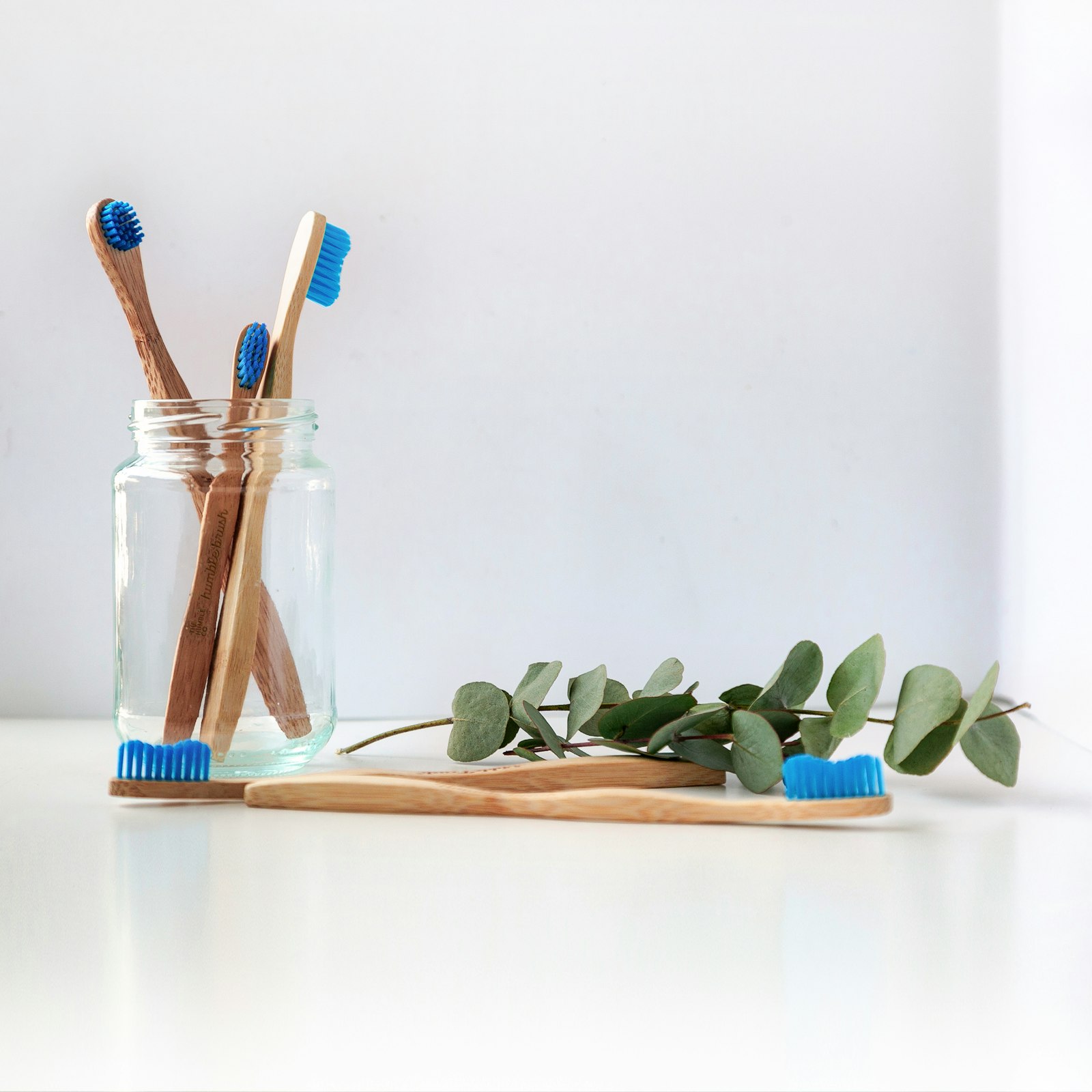
A consistent, gentle routine matters more than any single product. For patients who can tolerate it, a soft-bristled toothbrush used at least twice a day, with a small smear of fluoride toothpaste, remains the most effective way to disrupt plaque. For patients who cannot manage a standard toothbrush, a smaller paediatric brush or a foam swab dipped in water or a non-foaming alcohol-free mouth rinse can be used to gently wipe the teeth, gums, tongue and inside of the cheeks. Positioning matters as much as the tools used. Wherever possible, oral care should be done with the patient sitting upright or with the head of the bed raised, and the head turned slightly to one side, so any fluid or debris is less likely to be swallowed the wrong way or inhaled. Suction equipment, if the patient already has it available for other care needs, can be used alongside brushing for patients with a higher aspiration risk. Lips can dry out and crack without regular moisture from eating, so a plain lip balm applied through the day is a small but genuinely helpful addition to the routine.
How Often to Still See a Dentist
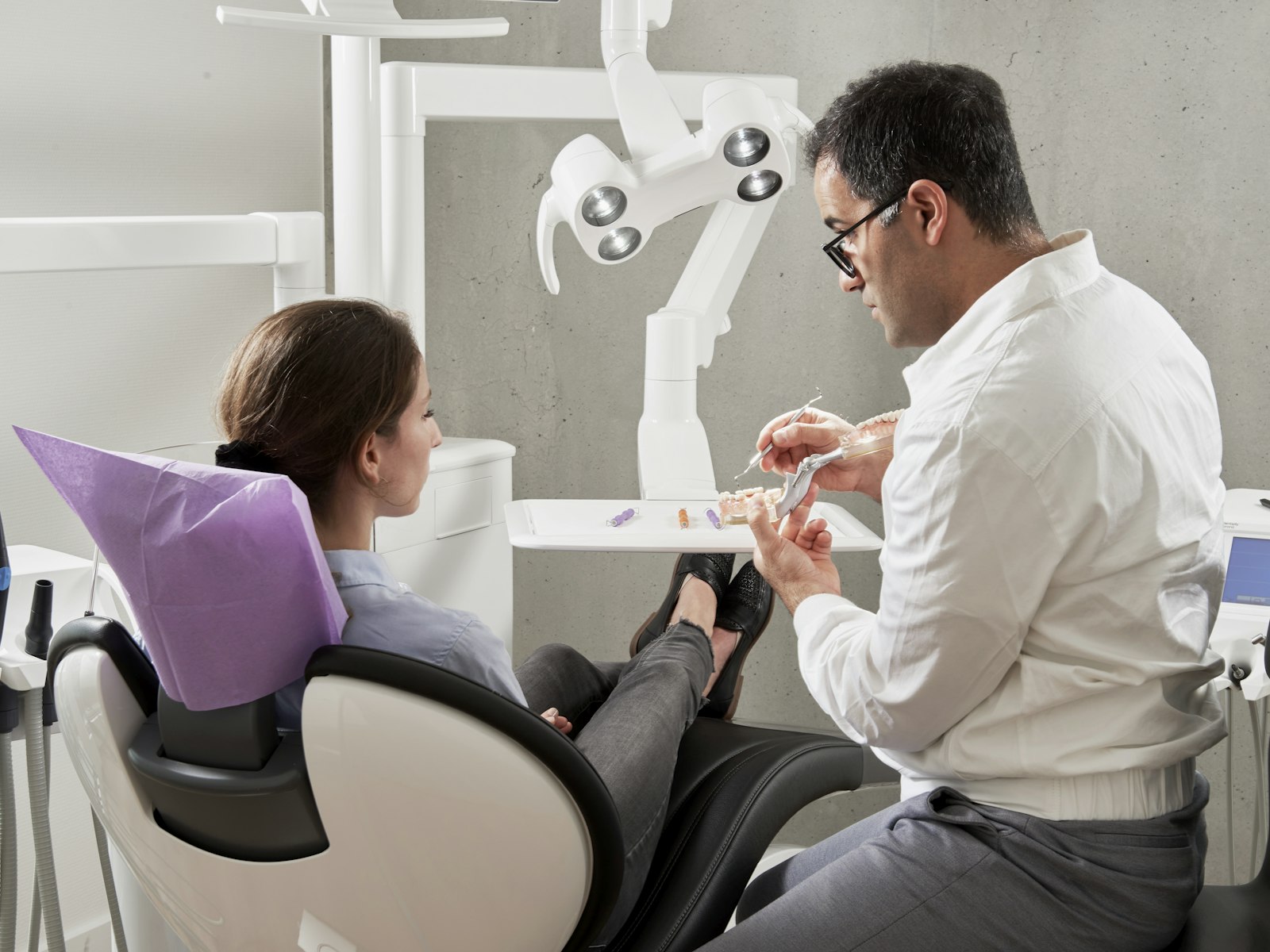
Regular dental visits should continue on much the same schedule as for anyone else, generally around every six months, unless a treating doctor or dentist advises a different interval based on the patient's specific needs. A dentist can check for early gum disease, oral thrush, mouth ulcers or areas of dryness that a carer might not notice day to day, and can adjust the home hygiene routine if plaque is building up despite regular brushing. For patients who are unable to travel easily, it is worth asking whether a home visit or a mobility-friendly appointment can be arranged, since missing check-ups is common in this group simply due to the practical difficulty of getting to a clinic.
Special Considerations: Taste, Dry Mouth and Reduced Saliva
Many tube-fed patients experience noticeably reduced saliva flow, sometimes because of the underlying medical condition rather than the feeding tube itself, and this dryness can make the mouth more prone to irritation, cracking and infection. Frequent small sips of water where the patient is able to have anything by mouth, alcohol-free mouth moisturising gels, and keeping lips protected can all help. Altered or absent taste sensation is also common and can be distressing for patients who remember eating normally, so gentle reassurance and consistency in the daily routine can make a real difference to comfort, even though it does not change the underlying medical picture. Carers managing other equipment or conditions alongside tube feeding, such as a tracheostomy or home oxygen therapy, may find our related guides on dental care with a tracheostomy and dental appointments while using home oxygen useful as companion reading, alongside our article on medical alert information at dental visits.
Frequently Asked Questions
If someone eats nothing by mouth, do they really still get plaque and cavities?
Yes. Plaque forms from bacteria that live in the mouth regardless of whether food is eaten, and reduced saliva flow from not eating orally can actually make plaque build up faster, not slower.
How often should I brush a tube-fed family member's teeth?
At least twice a day is the general guide, using a soft brush and a small amount of fluoride toothpaste where tolerated, or a soft swab for patients who cannot manage a standard brush.
Why does poor oral hygiene matter so much for aspiration risk?
A build-up of oral bacteria increases the amount that can be inhaled into the airway, particularly in patients with swallowing difficulty or reduced mobility, which is a recognised contributor to aspiration pneumonia.
What position is safest for cleaning the mouth of someone who cannot sit up easily?
Raising the head of the bed as much as possible and turning the head slightly to one side helps reduce the chance of fluid being swallowed the wrong way or inhaled during oral care.
Does a feeding tube itself need any special cleaning around the mouth?
The tube site itself is generally managed under separate medical guidance, but the mouth and teeth still need their own dedicated hygiene routine regardless of the tube's location or type.
Can a tube-fed patient still get dry mouth even though they are getting enough fluids through the tube?
Yes, hydration through the tube does not always translate to normal saliva flow in the mouth, so dry mouth is common and can be managed with mouth moisturising products and regular checks.
Should dental visits stop once someone is fully tube-fed?
No, regular dental visits should continue on a normal schedule, since a dentist can pick up early gum disease, thrush or dryness that may not be obvious during daily home care.
If you are caring for a family member who is tube-fed and would like guidance on their oral hygiene routine or a dental check-up, the team at Lumi Dental is glad to help talk through what fits their situation. Check current deals or book with the general dentist team to arrange a visit.

