


Home oxygen therapy keeps many people breathing more comfortably day to day, but it also introduces a safety consideration that is easy to overlook until it becomes relevant: oxygen itself does not burn, yet it dramatically increases how easily other materials catch fire and how intensely they burn once ignited. In a dental setting, where certain tools and equipment can generate heat or sparks, this is exactly why a dentist will usually ask about oxygen use before treatment begins, and why a small amount of planning can make appointments safer for patients relying on supplemental oxygen.
Key Takeaways
- Oxygen does not burn on its own, but it significantly increases the fire risk around any heat, spark or flame source, which is relevant to some dental equipment.
- Dentists generally ask about home oxygen use before certain procedures so the appointment can be planned safely around it.
- Where medically appropriate, briefly pausing supplemental oxygen flow around a specific ignition-risk step may be considered, but this should always be coordinated with your prescribing doctor and dental team, never done independently.
- Keeping oxygen tubing clear of the treatment area and dental equipment reduces both fire risk and the chance of accidental disconnection.
- Patients with more severe underlying respiratory disease, or those needing higher-risk procedures, may sometimes be referred to a hospital-based dental setting for additional safety and monitoring.
Who Typically Uses Home Oxygen Therapy
Home oxygen therapy is prescribed for a range of conditions where the body needs extra help maintaining healthy oxygen levels, including chronic respiratory conditions, certain heart conditions, and recovery from some serious illnesses. It can be delivered through a nasal cannula, a face mask, or a portable concentrator, and the flow rate and schedule are set by the prescribing doctor based on the individual's needs. Because so many different conditions and delivery methods fall under the umbrella of "home oxygen therapy", the specific precautions relevant to any one patient can vary, which is part of why clear communication between the patient, their doctor and their dental team matters so much.
Why Oxygen Changes the Safety Picture
It is a common misconception that oxygen itself is flammable. It is not. What oxygen does is act as an accelerant: in an oxygen-enriched environment, materials that would normally be difficult to ignite can catch fire more easily, and once alight, they burn faster and hotter than they would in ordinary air. This matters in any setting where heat, sparks or open flame might be present near a running oxygen supply, and a dental surgery is one such setting, since certain tools and equipment involve heat generation. This is not a reason to avoid dental care while using home oxygen, but it is why disclosing your oxygen use to your dental team before an appointment is genuinely important, not just a formality.
How Dental Teams Generally Manage This
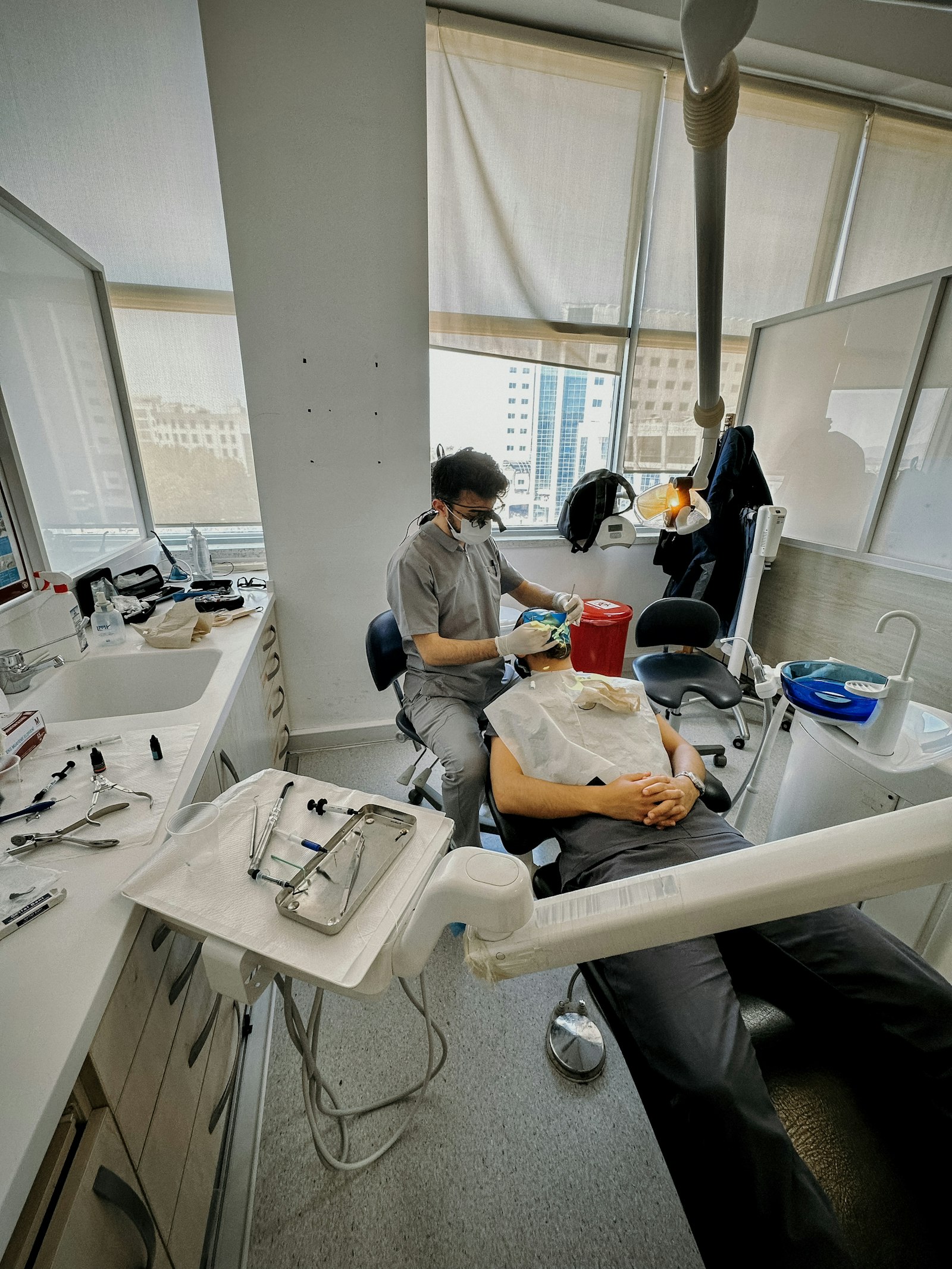
When a dentist knows a patient uses supplemental oxygen, they can plan the appointment with that information in mind, including thinking carefully about which tools are used near the face and airway and how the oxygen delivery is arranged during treatment. In some cases, and only where it is medically appropriate and agreed with the patient's prescribing doctor, supplemental oxygen flow might be briefly paused around a specific step of a procedure that carries an ignition risk, with oxygen resumed immediately afterward. This kind of decision is always made collaboratively between the treating dentist and the doctor managing the patient's oxygen therapy, and it is never something a patient should do unilaterally or without medical guidance. If you use home oxygen, do not stop or adjust your oxygen therapy on your own before a dental visit; raise it with your prescribing doctor and your dental team together so a safe plan can be agreed in advance.
Practical Precautions Around Oxygen Equipment
Beyond the question of pausing oxygen flow, simple practical steps make a meaningful difference. Keeping oxygen tubing tidy and well away from dental equipment reduces the chance of it being caught, kinked or accidentally disconnected during treatment. Dental teams will typically also check that tubing is positioned so it does not interfere with access to the mouth or with any tools being used nearby. Letting the practice know in advance which type of oxygen delivery you use, whether that is a nasal cannula, a mask, or a portable concentrator, helps them prepare the room appropriately before you arrive.
When a Hospital-Based Setting May Be More Appropriate
For patients with mild, stable oxygen requirements, most routine dental treatment can generally be carried out safely in a standard dental practice with the precautions described above. For patients with more severe underlying respiratory disease, higher oxygen requirements, or a procedure that carries a greater ignition or airway risk, a dentist may recommend referral to a hospital-based dental setting instead, where additional monitoring and support are available. This is a sensible, precautionary approach rather than a sign that routine dental care is off the table, and your dentist can help assess which setting suits your specific situation. Other patients managing chronic health conditions alongside their dental care may find our articles on dental treatment with an insulin pump and dental visits with a continuous glucose monitor helpful for understanding how similar coordination works for other devices and conditions. Patients who carry a medical alert bracelet for a related condition will recognise the same underlying message: disclosing relevant medical information before treatment helps your dental team plan safely.
The Simple Message: Disclose Before You Arrive
The single most useful thing a patient using home oxygen can do is mention it when booking a dental appointment, rather than waiting until they arrive with a portable concentrator or oxygen cylinder in tow. This gives the practice time to prepare the room, plan the procedure appropriately, and, where relevant, liaise with your prescribing doctor ahead of the visit. Most dental teams are used to accommodating patients with a range of medical equipment and will appreciate the advance notice.
Frequently Asked Questions
Is it dangerous to have dental work done while using oxygen therapy?
Not inherently, provided your dental team knows about your oxygen use in advance and plans accordingly. The main consideration is fire risk around heat, spark or flame sources near an oxygen supply, which dental teams are trained to manage with appropriate precautions.
Should I turn off my oxygen myself before a dental appointment?
No. Any decision to pause supplemental oxygen should be made together by your prescribing doctor and your dental team, based on your specific medical needs and the procedure planned. Never stop or reduce your oxygen therapy on your own.
What should I tell my dentist if I use home oxygen?
Let them know what type of oxygen delivery you use, your typical flow rate, the underlying condition being treated, and the details of your prescribing doctor, ideally when you book rather than on the day of your appointment.
Can I still get routine check-ups and cleans if I use oxygen therapy?
In most cases, yes. Routine, lower-risk dental care can generally be carried out in a standard dental practice with sensible precautions. Higher-risk procedures or more severe respiratory conditions may occasionally warrant a hospital-based setting instead.
If you use home oxygen therapy and need to book dental care, let the team at Lumi Dental know in advance so your appointment can be planned safely. Explore our current deals or learn more about general dentistry at Lumi Dental.

