


A medical alert bracelet can change how a dental team plans your treatment in the first few minutes of an appointment, often before any instrument comes near your mouth. Chronic conditions such as diabetes, epilepsy and heart disease are common in the adult population, and the Australian Institute of Health and Welfare notes that a large share of adults live with at least one long-term health condition that could affect medical or dental care. For a dental team meeting a patient for the first time, or treating someone who cannot answer questions clearly during a procedure, a piece of medical identification jewellery can carry information that shapes every decision that follows.
Key takeaways
- Medical alert bracelets and necklaces can flag allergies, diabetes, epilepsy, anticoagulant use and implanted devices to a dental team quickly and reliably.
- They matter most in emergencies, when a patient cannot answer questions or is being treated by a clinician who has not seen their full medical history.
- Dental staff are trained to check for and act on medical alert information as part of standard new-patient and recall appointments.
- Not wearing one is not inherently dangerous, but it removes a layer of safety, particularly for people with severe allergies, seizure disorders or bleeding risk.
- Telling the dental team verbally and keeping medical history forms current matters just as much as the jewellery itself.
What a medical alert bracelet actually tells a dental team
A medical alert bracelet or necklace is designed to communicate critical health information in seconds, without requiring the wearer to speak. Most engraved items list the condition itself (for example, "Type 1 Diabetic", "Penicillin Allergy" or "Anticoagulant Therapy") along with an emergency contact number or a reference number linked to a fuller medical profile held by a provider. Some newer versions include a QR code or a small USB drive built into the clasp, giving paramedics or clinicians access to a more detailed record.
For dental teams, the conditions most relevant to treatment planning generally fall into a few categories: allergies to medications or latex, diabetes and blood sugar management, seizure disorders such as epilepsy, use of blood thinners or anticoagulants, and implanted cardiac devices such as pacemakers. Each of these can influence anaesthetic choice, medication prescribing, appointment length, positioning in the chair and how the team responds if something unexpected happens mid-treatment.
Why it's worth wearing one, or at least mentioning it
Dental appointments are usually calm, planned encounters where a patient has already filled in a detailed medical history form. In that setting, a bracelet might feel unnecessary because the same information is on file. The value becomes clearer in less predictable situations: an emergency dental visit at a clinic you have never attended, a fainting episode or allergic reaction mid-appointment, or a moment when a patient is too anxious, sedated or in pain to answer questions clearly.
Conditions that carry a real risk of a sudden medical event during dental treatment are the ones where medical identification tends to matter most. This includes people with a history of anaphylaxis, insulin-dependent diabetes, epilepsy, significant cardiac conditions or anticoagulant therapy for conditions like atrial fibrillation. For these patients, a bracelet is a backup system that does not depend on paperwork being retrieved, staff remembering a verbal disclosure from months ago, or a receptionist finding the right file quickly during a stressful moment.
It is also worth remembering that dental emergencies do not always happen in a dental chair. A cracked tooth or knocked-out tooth after a fall can mean a trip to an unfamiliar clinic or a hospital emergency department, where nobody has your history on file at all. In that situation, a bracelet can do work that a filing cabinet cannot.
How dental staff check for and act on medical alerts
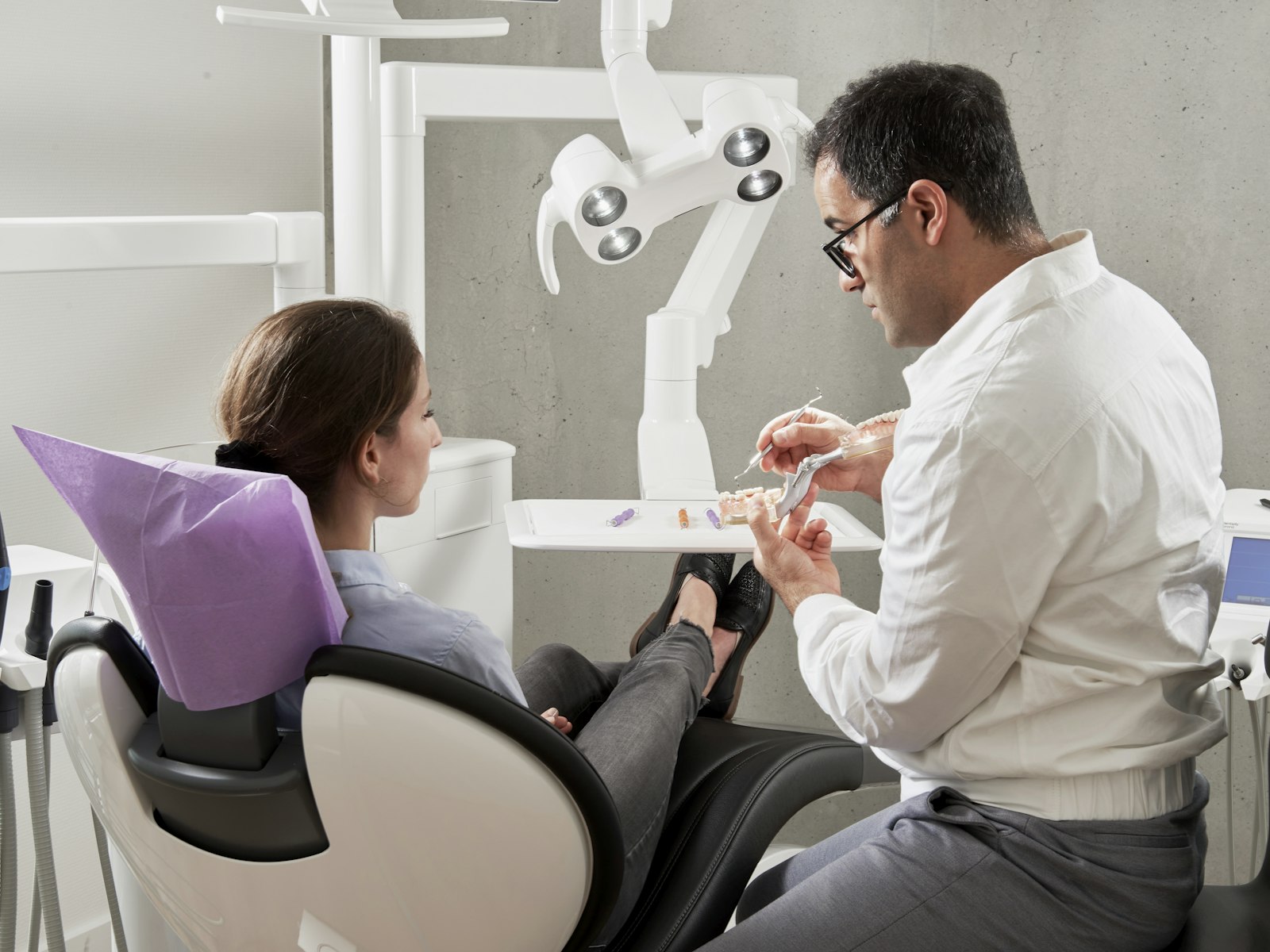
Most dental practices ask new patients to complete a written medical history form and update it periodically, often at each check-up. Reception and clinical staff are generally trained to visually check for medical alert jewellery during check-in, particularly for new patients or anyone attending as an emergency. If a bracelet or necklace is noticed, the dentist or hygienist will usually confirm the details verbally before starting treatment, both to make sure the information is current and to clarify anything the engraving does not fully explain.
Where a medical alert indicates a condition that could affect the safety of local anaesthetic, sedation or certain medications, the dental team may take extra steps such as checking blood glucose before a longer procedure for a person with diabetes, confirming the timing of a patient's last anticoagulant dose, keeping treatment shorter for someone prone to seizures, or having emergency equipment and medications close at hand. None of this is unusual or alarming from the dental team's side; it is a routine part of safe, individualised care.
What happens if you don't wear one but have a relevant condition
Not wearing a medical alert bracelet does not automatically put a patient at risk. Many people manage significant health conditions safely without one, relying instead on verbal disclosure and an up-to-date medical history form. The practical difference shows up in situations where verbal communication is not possible or the usual paperwork is not available, such as an unplanned emergency visit, a moment of confusion or distress, or treatment at a practice that has never seen the patient before.
For people who occasionally forget to mention a condition, or who see multiple different practitioners across dental and general health care, a bracelet acts as a consistent, low-effort safeguard. It does not replace disclosure to your dental team; it complements it. The two work best together: an accurate, current medical history on file at your regular practice, plus a bracelet or necklace that speaks for you if that file is not in front of the person treating you.
| Type of medical alert | Typical general market cost range (AUD) | Best suited to |
|---|---|---|
| Basic engraved stainless steel bracelet | $25–$60 | Single condition or allergy, everyday wear |
| Silicone or sports band alert bracelet | $15–$40 | Children, active adults, swimming or gym use |
| Bracelet with QR code or digital profile link | $40–$100 | Multiple conditions, complex medication lists |
| USB or NFC medical ID device | $50–$120 | People wanting a full downloadable medical record on hand |
These figures are general market indications only, drawn from commonly advertised retail ranges, and will vary between suppliers and materials. They are not prices charged by any particular dental practice, since dentists do not sell or fit medical alert jewellery themselves.
Talking to your dental team about a medical condition
If you have a condition that could affect dental treatment, the simplest and most reliable step is to tell your dental team directly, in addition to or instead of relying solely on jewellery. Mention it when you book an appointment if it is significant, again at check-in, and once more when you sit in the chair if anything has changed since your last visit, such as a new medication or a recent hospital admission. This is especially relevant for patients managing implanted cardiac devices or insulin pumps, where treatment planning may need small adjustments.
Bringing a current medication list to appointments is another practical habit that pairs well with medical alert jewellery. Between the two, a dental team has what it needs to plan treatment safely, whether the appointment is a routine clean or an unexpected emergency visit.
Frequently asked questions
Do dentists actually check for medical alert bracelets?
Many practices train reception and clinical staff to look for medical identification during check-in, particularly for new patients, children, and anyone attending as an emergency. It typically forms one part of a broader safety check alongside the written medical history form.
What conditions are most useful to record on a medical alert bracelet for dental visits?
Severe allergies (especially to penicillin, latex or local anaesthetic agents), insulin-dependent diabetes, epilepsy, anticoagulant or blood-thinner use, and implanted cardiac devices such as pacemakers are among the conditions dental teams find most relevant to safe treatment planning.
Can a dentist refuse to treat someone without a medical alert bracelet?
No. A bracelet is a helpful safety tool, not a requirement for treatment. Dentists rely primarily on the medical history you provide directly, whether verbally or on a form.
Should children with allergies or epilepsy wear medical alert jewellery to dental appointments?
Many parents choose lightweight silicone alert bands for children with significant allergies or seizure disorders, since children may not always be able to explain their condition clearly, particularly if they are anxious. This is a personal decision best discussed with your child's GP or paediatrician.
Does wearing a medical alert bracelet affect how a dental X-ray or procedure is carried out?
Generally no, since most bracelets are worn on the wrist, away from the treatment area. Necklaces may need to be moved or protected under a lead apron during X-rays, which dental staff will assist with.
What should I do if my medical alert information is out of date?
Update the bracelet or the linked digital profile as soon as possible, and let your dental team know about any changes to your health conditions or medications at your next visit, even if the jewellery has not yet been updated.
If you have a health condition that you think your dental team should know about, whether or not you wear medical identification, the team at Lumi Dental can talk through what it means for your treatment plan at your next visit. Check current deals for general dentistry, or book a general check-up at the Melrose Park general dentist page to discuss your medical history and get a written quote before any treatment begins.
Related reading: Pacemakers, ICDs and dental treatment, Insulin pumps and dental treatment, Continuous glucose monitors and dental visits, and overcoming dental anxiety.

