


A tracheostomy changes more than how a person breathes; it also changes what their dental team needs to think about before, during and after treatment. Because a tracheostomy tube bypasses the nose and upper airway, patients living with one often breathe more through the mouth, which can dry out oral secretions and change the balance of bacteria in the mouth in ways that increase the risk of plaque build-up and infection if oral hygiene is not carefully maintained. Understanding this connection is the first step toward keeping routine dental care both safe and effective for tracheostomy patients.
Key Takeaways
- A tracheostomy can lead to increased mouth breathing, which may dry oral secretions and increase the risk of plaque build-up and oral infection if hygiene is not closely managed.
- Dental teams pay extra attention to airway and respiratory safety during treatment, including careful suctioning, patient positioning and avoiding anything that could dislodge or obstruct the tube.
- Disclosing a tracheostomy, including when it was placed and why, before any dental appointment allows the team to plan appropriately.
- Coordinating with the patient's medical team, such as their treating specialist or respiratory team, is an important part of safe dental care for tracheostomy patients.
- With appropriate planning, most routine dental care remains possible for people living with a tracheostomy.
Why a Tracheostomy Changes Oral Care Needs
A tracheostomy is a surgically created opening in the neck that allows a person to breathe through a tube rather than, or in addition to, their nose and mouth. One consequence that is not always obvious is its effect on the mouth itself. Many tracheostomy patients breathe more through the mouth than they otherwise would, and this pattern of mouth breathing tends to dry out the natural moisture and saliva that normally help clean the teeth and gums and keep bacteria in balance. Saliva plays a genuinely protective role in the mouth, so when it is reduced, plaque and bacteria can accumulate more readily, which in turn raises the risk of gum disease, decay and, in some cases, respiratory infection linked to bacteria in the mouth. This is why an alert dental team pays close attention to oral hygiene in tracheostomy patients, often recommending more frequent check-ups or specific home care routines to offset the drying effect. Patients managing dry mouth for other reasons may also find our article on the causes and treatment of dry mouth useful, since many of the same principles apply.
Airway and Respiratory Safety During Treatment
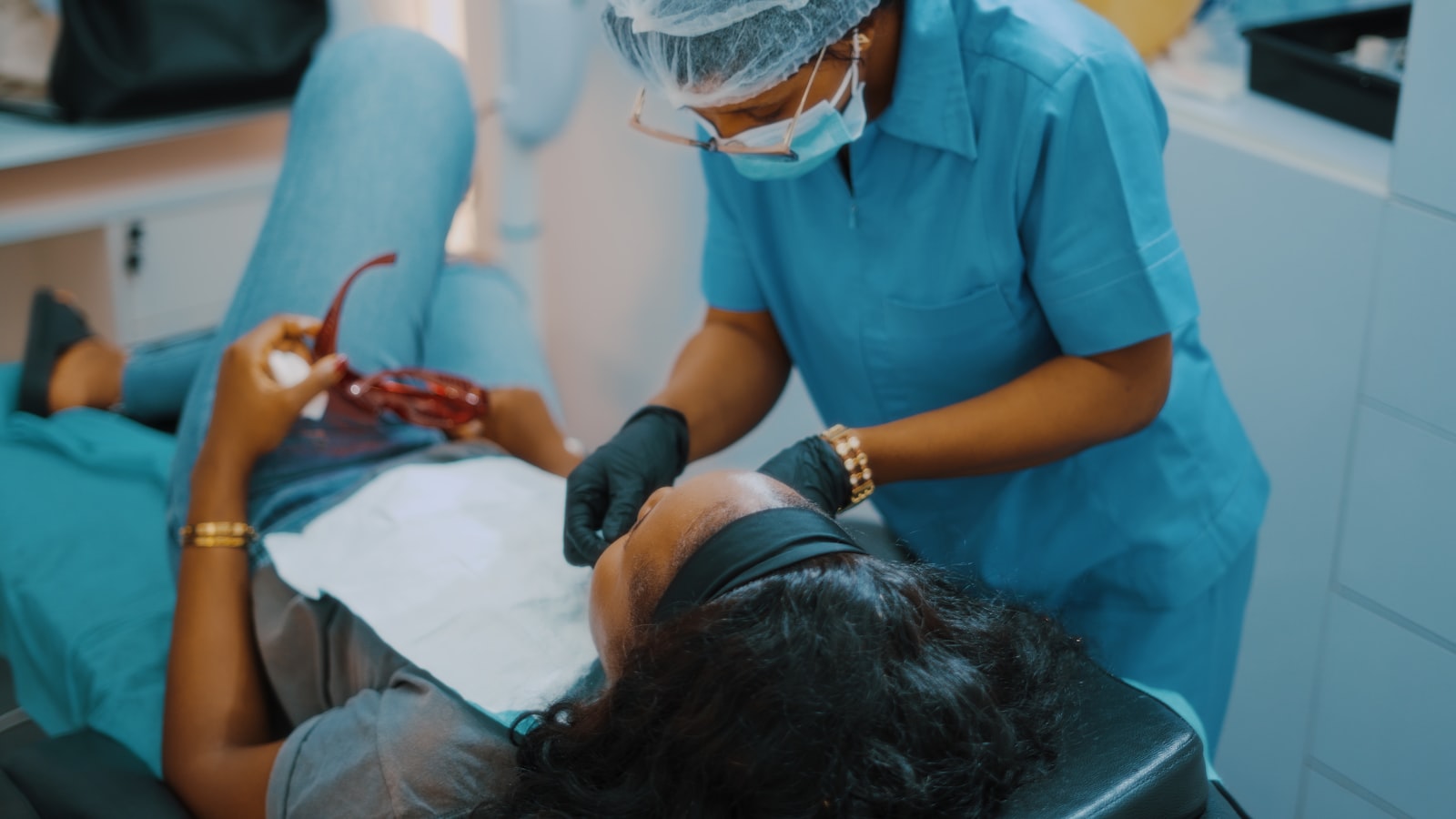
Beyond oral hygiene, the presence of a tracheostomy tube means the dental team needs to think carefully about airway safety throughout any procedure. This generally includes careful management of suction to avoid pooling of water or debris near the airway, thoughtful positioning of the patient in the dental chair, and avoiding any equipment or movement that could put pressure on or risk dislodging the tube. None of this means dental treatment becomes unsafe for tracheostomy patients; it means the approach is adapted, often with the appointment paced a little differently and with extra communication throughout the visit about how the patient is coping.
Why Coordination With Your Medical Team Matters
Because a tracheostomy is usually managed as part of a broader medical picture, whether related to a respiratory condition, a neurological condition, or recovery from surgery, it is generally sensible for a dental practice to coordinate with the patient's treating medical team before more involved procedures. This might mean confirming the reason for and stability of the tracheostomy, checking whether any specific precautions apply, or simply ensuring that in the unlikely event of a complication, the dental team knows who to contact. Patients or carers are usually the easiest source of this information, so being ready to describe when the tracheostomy was placed and why, along with any other relevant medical history, helps the visit run smoothly. This kind of proactive disclosure and coordination is a theme across dental care for people with implanted medical devices; our articles on dental treatment with a pacemaker or ICD and dental treatment with an LVAD cover similar coordination principles for other devices.

Everyday Oral Care Habits Worth Discussing With Your Care Team
Between dental visits, small daily habits can make a real difference for someone living with a tracheostomy. Because mouth breathing tends to dry out the mouth, many patients benefit from more frequent sipping of water, the use of a lip balm to prevent cracking, and a gentle but thorough brushing and cleaning routine, sometimes more than the standard twice a day if a carer or clinician has recommended it. Some patients also use a humidifier or heat-and-moisture exchange device as part of their tracheostomy care, which can help offset some of the drying effect on the airway and, indirectly, on the mouth. These are general habits rather than a substitute for individual advice, and the right routine will depend on the person's overall medical situation, so it is worth checking specifics with the treating medical team or the dental team at your next visit.
What to Expect at Your Appointment
If you or someone you care for has a tracheostomy and is due for dental care, it is worth calling ahead so the practice can prepare appropriately, rather than disclosing the tracheostomy for the first time on arrival. A well-prepared dental team will usually ask about how the tracheostomy is managed day to day, whether a carer or support person needs to be present, and whether any recent respiratory issues should be taken into account. From there, most routine dental care, including check-ups, cleans and general restorative treatment, remains achievable with sensible planning. More complex procedures may occasionally be better suited to a hospital-based dental setting where additional monitoring is available, and your dentist can help you work out which category your situation falls into.
Frequently Asked Questions
Can someone with a tracheostomy have a normal dental check-up?
In many cases, yes. With advance notice and appropriate planning around positioning and suction, routine check-ups and general dental care are generally achievable. Your dentist can advise on any specific precautions relevant to your situation.
Why does a tracheostomy increase the risk of oral health problems?
Tracheostomy patients often breathe more through the mouth, which can dry out the mouth's natural moisture and reduce saliva's protective effect, allowing plaque and bacteria to build up more readily if oral hygiene is not closely managed.
Should I tell my dentist about a tracheostomy even if it feels unrelated to my teeth?
Yes. Disclosing a tracheostomy, along with when it was placed and why, allows your dental team to plan the appointment safely and coordinate with your medical team if needed, even for procedures that seem unrelated to breathing.
Will I need to see a specialist dentist because of my tracheostomy?
Not necessarily. Many general dental practices can safely treat tracheostomy patients with appropriate planning, though more complex procedures or patients with additional medical complexity may sometimes be referred to a hospital-based dental service.
If you or a family member has a tracheostomy and needs to book dental care, contact the team at Lumi Dental to discuss your situation in advance. You can also view our current deals or learn more about general dental care at our practice.

