

If you live with fibromyalgia or other chronic widespread pain, tell the dental team when you book, because shorter appointments, support for your neck and jaw, planned breaks and a plan for soreness afterwards can make check-ups and treatment much easier. Fibromyalgia is common: the Better Health Channel estimates it affects 2% to 5% of the population, mainly women. Jaw pain is part of the picture for many people, and a review of 19 studies found jaw muscle and joint disorders in around three in four people with fibromyalgia. This guide covers fibromyalgia at the dentist, from booking to the days after a visit.
Written by Dr James Tran, BDent (University of Sydney), MICOI, GradDip (Oral Implants), general dentist at Lumi Dental in Melrose Park.
The short version
- Fibromyalgia pain is real. Arthritis Australia describes a pain system that has become oversensitive, not damage and not something imagined.
- The single rule: tell the team about fibromyalgia when you book, so the visit can be shaped around you from the start.
- Jaw pain in fibromyalgia is often muscle pain. Our guide to jaw pain causes and treatment explains how muscle and joint pain differ.
- Some medicines used for fibromyalgia can dry the mouth, which raises the risk of decay.
- Shorter visits, a less reclined chair, cushions, breaks and an agreed stop signal often help.
- On bad days, an electric toothbrush used sitting down still counts as a good clean.
Fibromyalgia in brief
The Better Health Channel describes fibromyalgia as widespread pain and tenderness, often with deep tiredness, problems with memory and concentration (sometimes called fibro fog) and poor sleep. Many people are also more sensitive to heat, cold, light and smell. Symptoms vary from day to day and can flare with overexertion, stress, illness or travel.
Arthritis Australia is clear that fibromyalgia is not caused by psychological problems, is not due to being unfit, and is not imagined. It explains that the body's tissues are not being damaged; instead, the pain system behaves like an alarm that has become oversensitive and goes off when the body is not injured. There is no blood test or scan for it, which is one reason it can take a long time to diagnose.
Central sensitisation in plain words
Researchers often use the term central sensitisation for this. The nervous system turns up the volume on signals it receives, so touch, pressure or a long stretch with the mouth open can register as more painful, and for longer, than you might expect. It may explain why a routine clean leaves some people with fibromyalgia sore afterwards, and it is why I usually plan dental care in smaller pieces rather than one long session.
Jaw pain and fibromyalgia
A systematic review in the Journal of Oral and Facial Pain and Headache pooled 19 studies and estimated that 76.8% of people with fibromyalgia had a temporomandibular disorder (TMD), the group of conditions affecting the jaw joints and chewing muscles. Muscle-type TMD was much more common, at 63.1%, than problems with the disc inside the joint, at 24.2%. The authors noted that results varied between studies, and they suggested central sensitisation as one shared mechanism.
In practice, that means an aching jaw, temples or cheeks in someone with fibromyalgia is often coming from the muscles. A dentist can examine the muscles and joints, check the bite and look for signs of clenching or grinding without assuming the pain must be a tooth problem. Our article on jaw clenching versus teeth grinding explains how the two differ, and poor sleep often makes both worse.
Tooth pain still needs checking. Fibromyalgia does not protect a tooth from decay or infection, so a new, sharp or throbbing pain, or one that wakes you, deserves an examination. I would rather check a tooth and find nothing than miss an infection.
The single rule: tell the team when you book
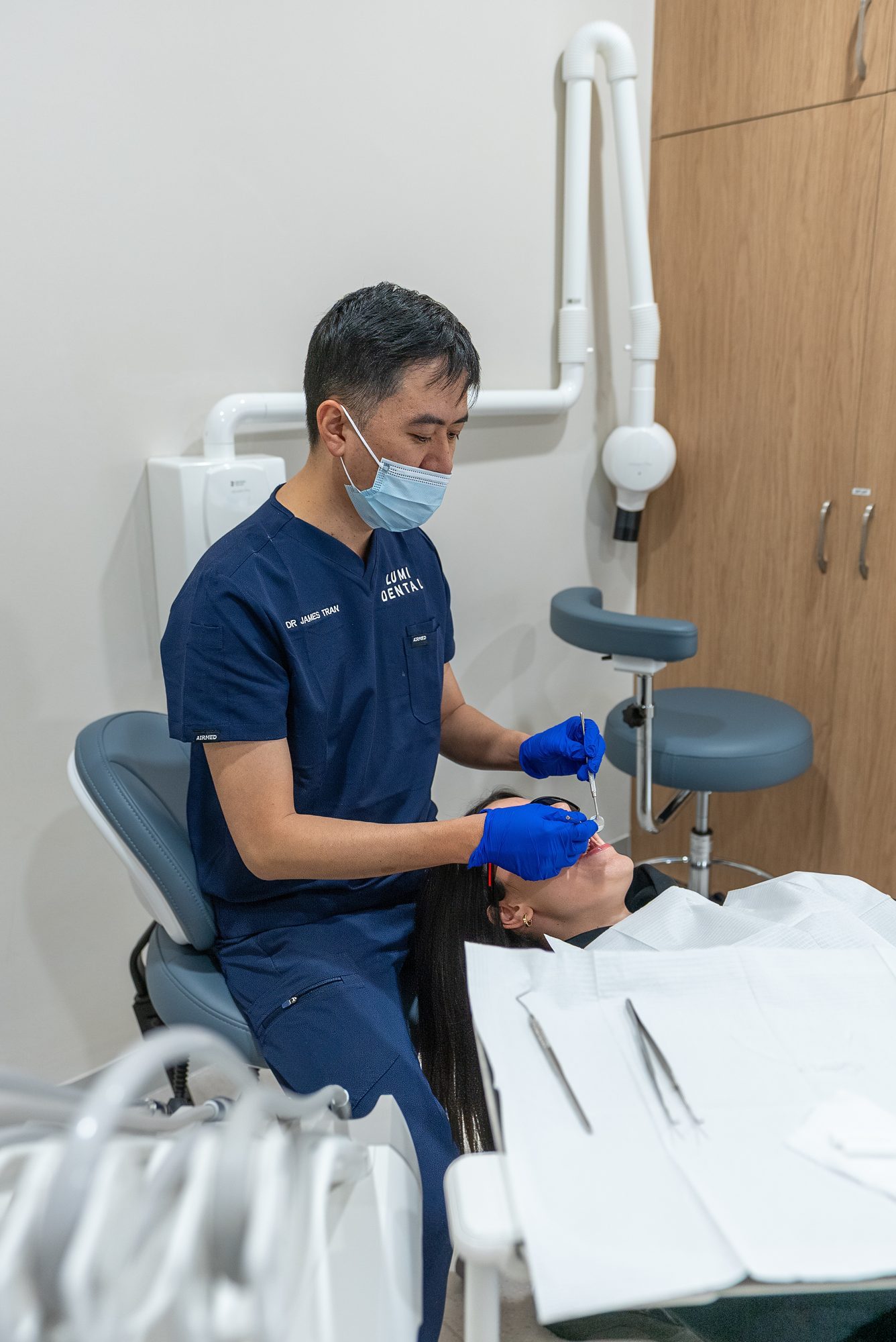
If you have fibromyalgia or chronic pain, start by mentioning it when you book, not when you are already lying back in the chair. A few sentences in advance let the team plan the length of the visit, the chair position and the order of treatment.
What to mention
- Which areas hurt most, such as the neck, shoulders, lower back or jaw.
- How long you can comfortably keep your mouth open, and whether your jaw clicks or locks.
- Your usual time of day for feeling best, and whether mornings are stiff.
- Your medicines, including any you take for pain, sleep or mood.
- How past dental visits went, including soreness afterwards or local anaesthetic that did not seem to work well enough.
In my experience, that short conversation changes the whole visit. Nobody needs to push through pain to be a good patient.
Making the chair more comfortable
Lying flat with the head tipped back is hard on a sore neck and back. These adjustments often help:
- A neck pillow or rolled towel, and a cushion under the knees.
- The chair partly upright rather than fully reclined, where the treatment allows.
- A bite block to rest the jaw on during longer steps, so the muscles are not holding the mouth open.
- Breaks every few minutes to close, stretch and swallow.
- An agreed stop signal, such as raising a hand, that the dentist responds to straight away.
- A blanket if you feel the cold, and tinted glasses if the light bothers you.
Neck and shoulder tension can also refer pain into the jaw, as our article on neck posture and referred jaw pain explains.
What may help, challenge by challenge
| Challenge | What may help |
|---|---|
| Jaw muscle pain | Short visits, a bite block, breaks, and an assessment of the muscles and joints before any treatment that needs a wide opening. |
| Neck and shoulder pain in the chair | Neck pillow, knee support, chair partly upright, and time to change position. |
| Tender gums during a clean | Splitting the clean over two visits, gentle technique, and local anaesthetic or numbing gel where it suits. |
| Flare after visits | Booking on a lighter week, leaving space to rest afterwards, and a pain relief plan made with your GP or pharmacist. |
| Dry mouth from medicines | Telling the dentist your medicines list, regular sips of water, and fluoride care the dentist recommends. |
| Fatigue and brushing | An electric toothbrush, brushing sitting down, and a simpler routine on bad days. |
Medicines, dry mouth and decay
The Better Health Channel notes that some antidepressant and anti-epileptic medicines are used for fibromyalgia, often to reduce pain and help sleep. A review of medicines for fibromyalgia in Frontiers in Pharmacology discusses amitriptyline, duloxetine and pregabalin among others, and lists dry mouth among the side effects reported with duloxetine and pregabalin. Your GP or specialist manages these medicines, and the dentist does not change them.
Saliva matters because it washes the teeth, neutralises acid and helps repair early damage to enamel. The Better Health Channel explains that medicines which reduce saliva significantly increase the risk of decay, and that a dentist may apply fluoride or suggest a higher-strength fluoride toothpaste. Our article on antidepressants and your teeth covers that group of medicines in more detail, and our guide to dry mouth causes and treatment has practical tips.
Pain relief after treatment
If you already take regular pain medicines, do not add extra pain relief after dental work without checking first. Ask your GP or pharmacist what suits you before the appointment, and tell the dentist what they advise.
Brushing on bad days
Fatigue and sore hands or shoulders can make brushing twice a day feel like a lot. An electric toothbrush does more of the work, sitting down to brush takes the strain off your back and legs, and a toothbrush with a thicker handle can be easier to grip. If flossing is too much on some days, interdental brushes or a water flosser may be easier. On the worst days, a quick brush with fluoride toothpaste before bed is far better than nothing.
How we approach this at Lumi Dental
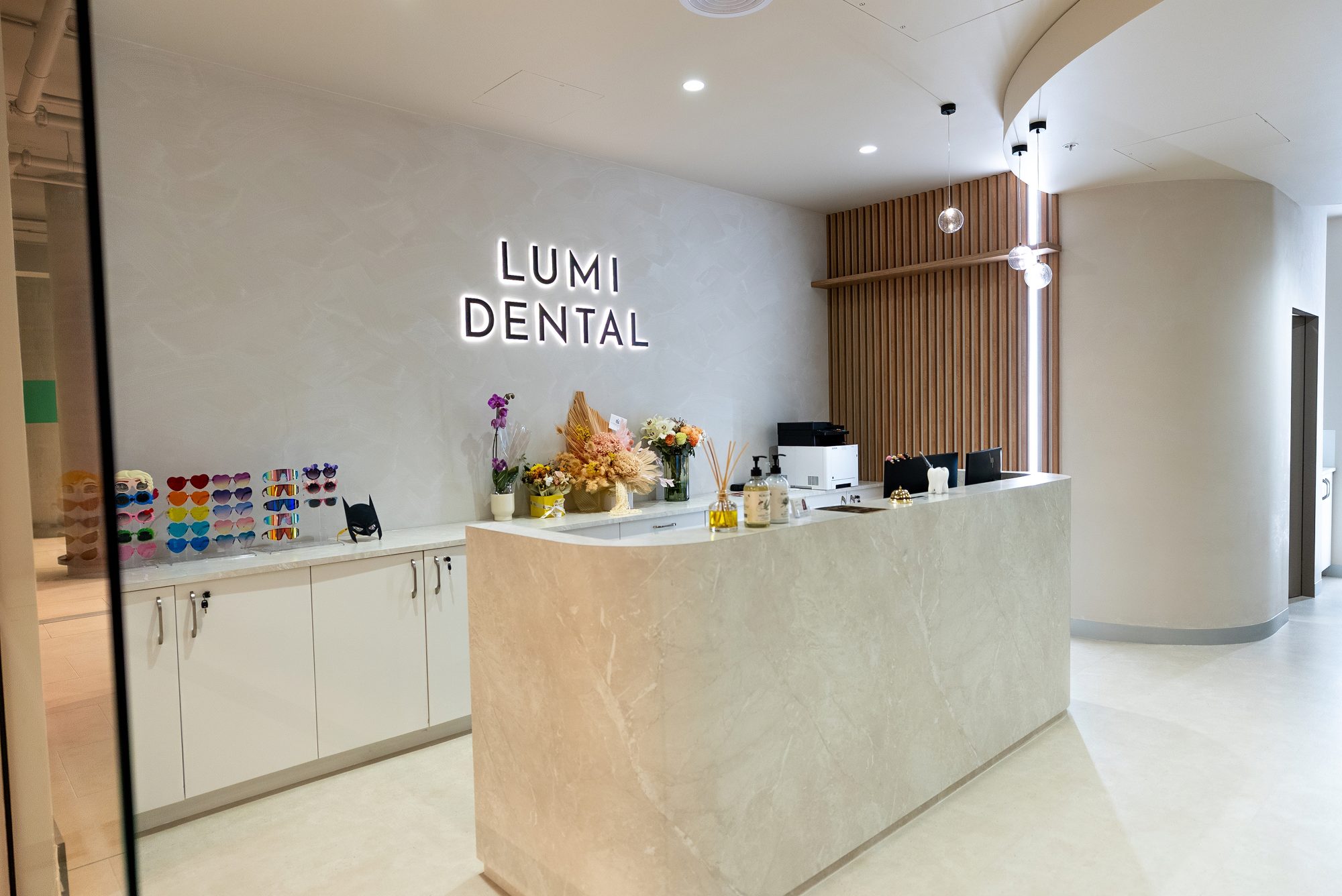
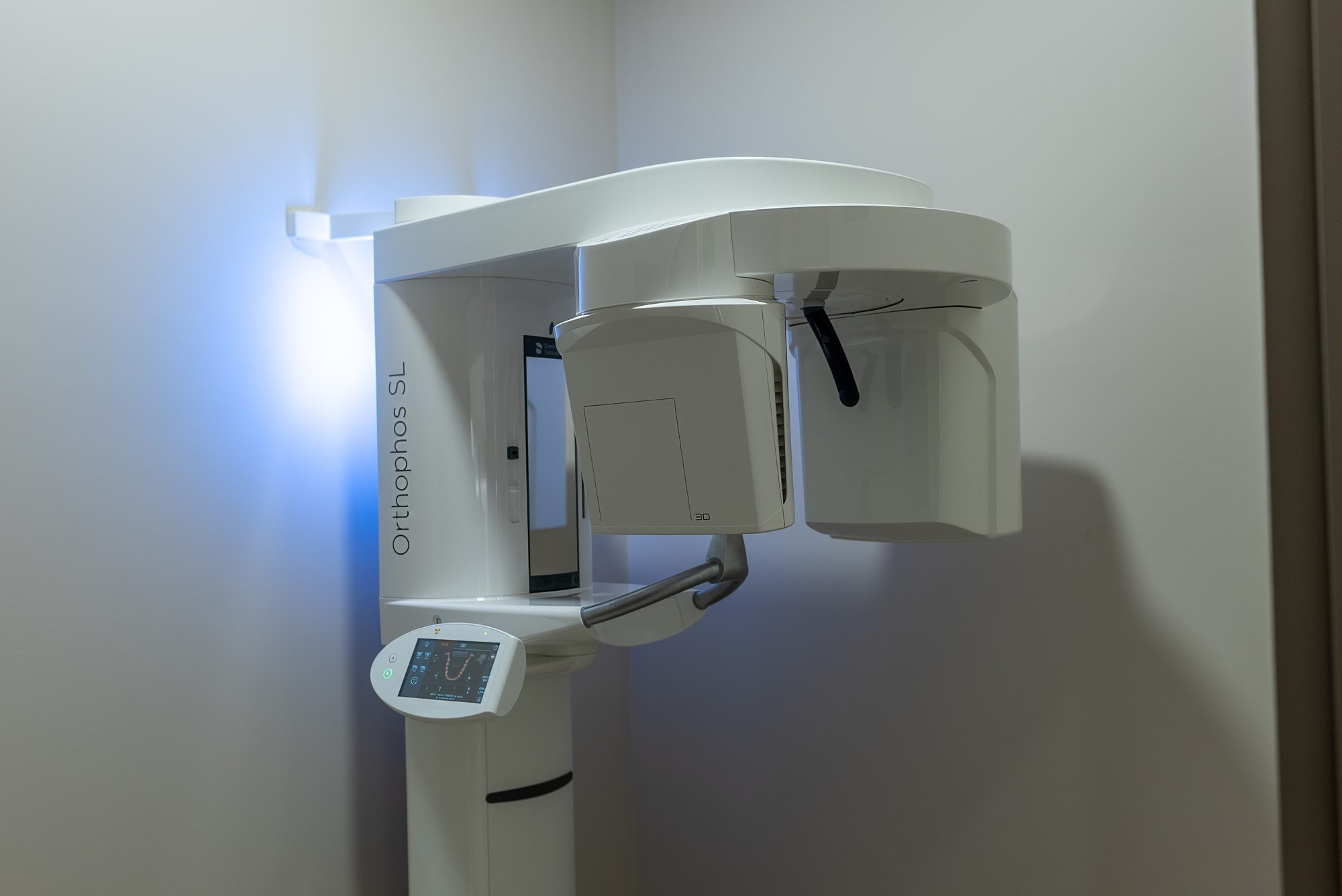
At Lumi Dental in Melrose Park, a dentist examines your teeth, gums, jaw joints and chewing muscles, and the team can take 3D X-rays in house where they would help. If you tell us about fibromyalgia when you book, you can ask for a longer appointment with breaks, or for treatment split into shorter visits, and the oral health therapists can pace a clean the same way.
For adults who need longer treatment, IV sedation is available at the practice after a medical review. Lumi Dental does not provide general anaesthetic itself and refers where it is needed. Read more about general dental care at Lumi Dental.
Questions patients ask
Can fibromyalgia cause jaw pain?
Yes, it often does. A review of 19 studies found jaw muscle and joint disorders in around three quarters of people with fibromyalgia, mostly muscle-type pain. A dentist can examine the jaw to see where the pain is coming from.
Why do I hurt for days after a dental clean?
With fibromyalgia, the nervous system can amplify pain signals, so pressure and a long time with the mouth open may leave you sore for longer. Shorter visits, breaks and splitting a clean over two appointments often help.
Should I tell my dentist I have fibromyalgia?
Yes. It changes how the visit is planned, from appointment length to chair position, and your medicines list helps the dentist look for dry mouth. Mention it when you book.
Can I have sedation at the dentist if I have fibromyalgia?
For adults, IV sedation may be an option for longer treatment after a medical review. Read more about IV sedation at Lumi Dental, and if worry about visits is part of the picture, our article on adult dental anxiety may help.
Do fibromyalgia medicines affect your teeth?
Some can. Dry mouth is a reported side effect of several medicines used for fibromyalgia, and less saliva raises the risk of decay. Tell your dentist what you take; any change to a medicine is your doctor's decision.
Book a check-up at Lumi Dental, Melrose Park
If you live with fibromyalgia or chronic pain and have been putting off the dentist, the team at Lumi Dental can plan a check-up around what your body needs on the day. See our current deals, or book with our general dentists in Melrose Park. Patients visit from Ryde, Parramatta, Ermington and Rydalmere, with on-site parking at Melrose Central.
Sources
- Better Health Channel: Fibromyalgia
- Arthritis Australia: Fibromyalgia
- Journal of Oral and Facial Pain and Headache (Yakkaphan P and colleagues): Temporomandibular disorders and fibromyalgia prevalence, a systematic review and meta-analysis (PMC)
- Frontiers in Pharmacology (Li Y and colleagues): Pharmacologic treatment of fibromyalgia, an update (PMC)
About the author

Dr James Tran is a general dentist at Lumi Dental in Melrose Park. He holds a BDent from the University of Sydney and a Graduate Diploma in Oral Implants, and is a Member of the International Congress of Oral Implantologists (MICOI).
This article is general information only and is not a substitute for an examination and individual advice from a registered dental practitioner. Suitability for any treatment varies from person to person.







