

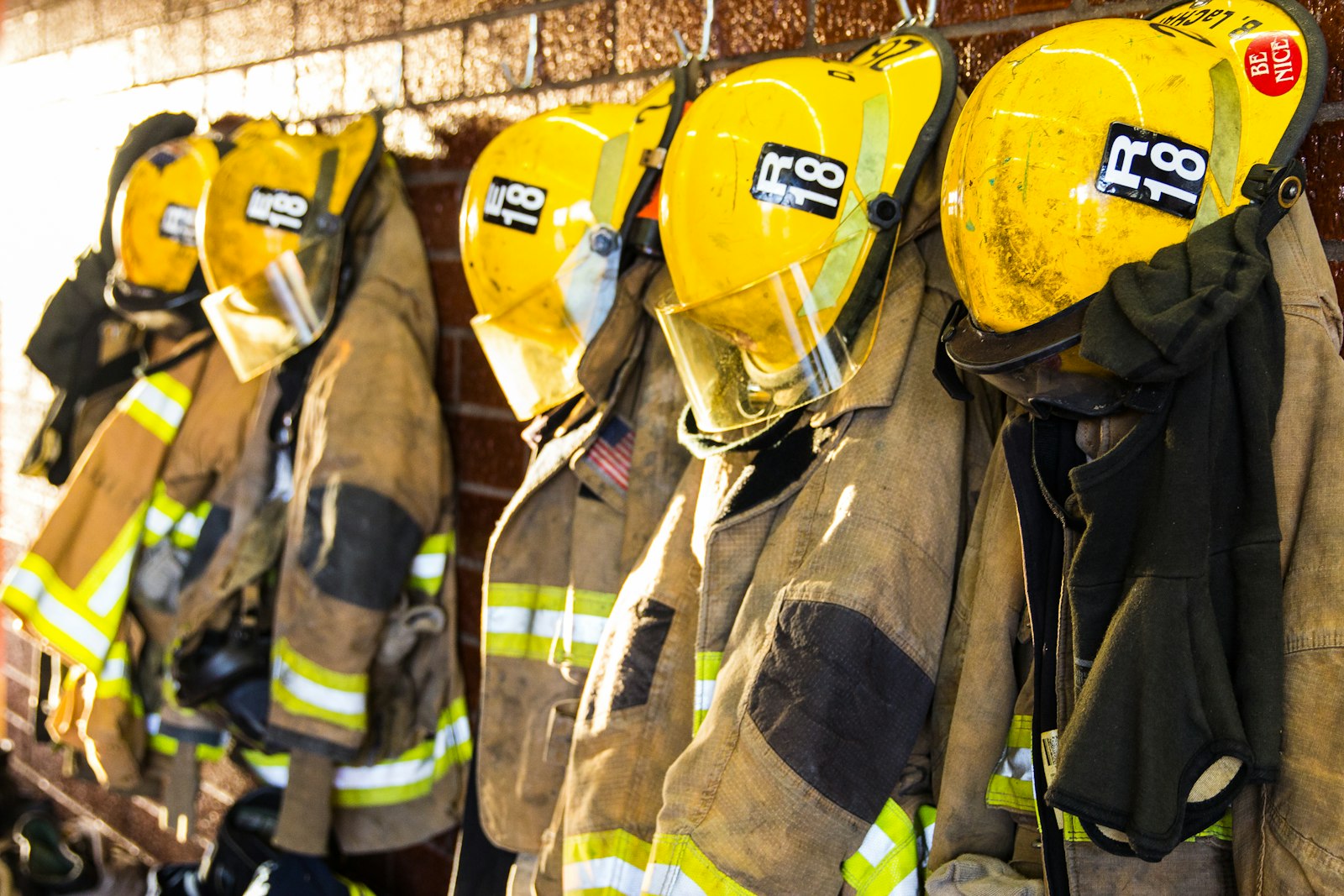

Firefighters, paramedics and other emergency services workers can face a higher day-to-day risk to their teeth, mostly because of broken routines, dehydration, sugary or acidic drinks, stress-related clenching and the chance of a knock to the face. None of these are unusual on their own, but shift work stacks them together. This guide on firefighters, paramedics and emergency services dental health covers why the job affects your teeth, what to keep in a station or ambulance grab kit, and what to do on the spot if a tooth is knocked out or broken.
In my experience, crews rarely neglect their teeth on purpose. The routine simply gets squeezed out by a night callout or a double shift. Small, repeatable habits tend to make the biggest difference.
Key Takeaways
- Irregular shifts and callouts often interrupt brushing, flossing and meal timing, which can raise the risk of decay and gum problems.
- Heat, PPE and heavy exertion can leave you dehydrated with a dry mouth, and saliva is one of your teeth's main natural defences.
- Energy drinks, sports drinks and sweet coffees used to stay alert may contribute to both decay and enamel erosion when sipped over long periods.
- Training and physical work carry a real risk of facial injury, so a custom mouthguard for contact training is worth considering.
- Stress and fatigue commonly show up as jaw clenching or grinding, which can cause worn or cracked teeth and jaw pain.
- A knocked-out adult tooth is a dental emergency: handle it by the crown, keep it moist in milk or saliva and seek care promptly.
Why Emergency Services Work Is Hard on Teeth
Most dental problems come down to sugar and acid exposure, saliva, plaque removal and physical forces on the teeth. Emergency services work can push on all four at once.
Long and irregular shifts
Rotating rosters, night shifts and back-to-back callouts make it hard to keep a steady routine. Brushing gets skipped after a meal eaten in the truck, flossing slides for weeks, and dental check-ups are postponed because you are on shift or catching up on sleep. Eating also tends to become grazing: snacks and drinks spread across a long shift give the bacteria in plaque more frequent chances to produce acid.
Heat, PPE and dehydration
Firefighters working in structural gear, and paramedics working in hot vehicles or outdoor scenes, can lose a lot of fluid through sweat. When you are dehydrated, saliva flow typically drops. Saliva rinses away food, neutralises acid and supplies minerals that help repair early enamel damage, so a dry mouth leaves teeth more exposed.
Drinks to stay alert
Energy drinks, cola, sports drinks and sweetened coffee are common on long shifts. Many are both sugary and acidic. The pattern matters more than the single drink: sipping a can over an hour exposes teeth to acid again and again. Sugar-free versions remove the sugar but are often still acidic, so they can still contribute to enamel wear. There is more on this in our guide to sports and energy drinks and your teeth.
Smoke and particulate exposure
Researchers have become interested in how occupational smoke exposure may affect firefighters' oral and general health. One small case-control study, for example, reported differences in the mix of oral bacteria between firefighters and non-firefighters. This area is still developing and it is too early to draw firm conclusions about teeth or gums. Good decontamination practice, not eating with contaminated hands or gear, and regular dental reviews that include a soft tissue check remain sensible habits.
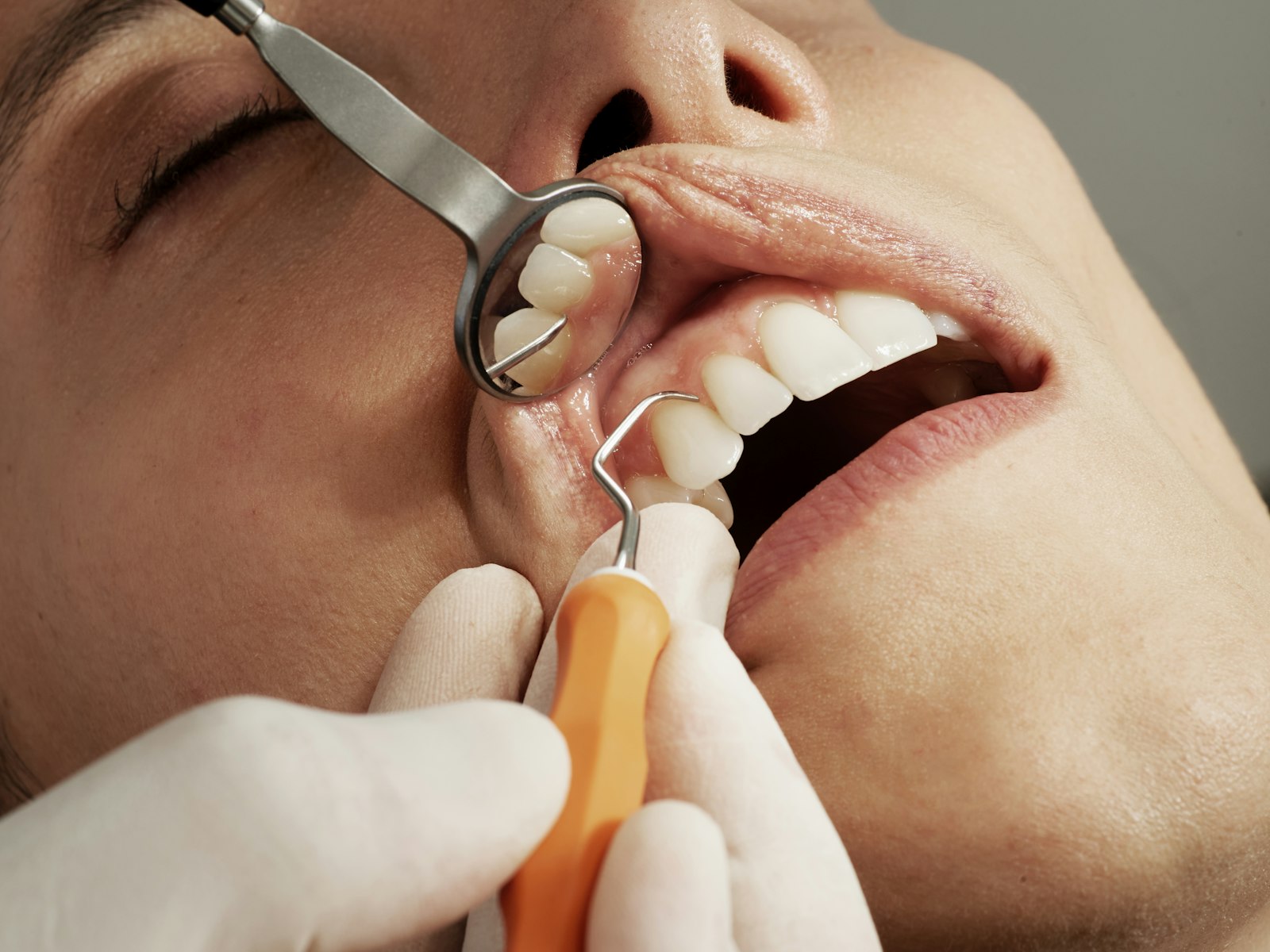
Facial Injuries, Mouthguards and Clenching
Injury risk in training and on the job
Physical training, defensive tactics, rescue drills, contact sports and manual handling all carry some risk of a blow to the face. Falls on uneven ground, patients who are combative, and equipment that swings or recoils can also cause chipped, loosened or knocked-out teeth. If an injury happens at work, it is worth knowing how the first aid and claims process works in NSW; our article on dental injury at work, first aid and workers compensation covers this.
For contact training and sport, a custom-fitted mouthguard made from a mould of your teeth typically fits more securely and is more comfortable to breathe and talk through than a boil-and-bite guard.
Stress, fatigue and jaw clenching
Emergency work involves high-stakes moments followed by long stretches of alertness. Many people respond by clenching their jaw during the day or grinding at night, often without realising. Signs can include jaw tiredness on waking, headaches around the temples, flattened or chipped tooth edges, and sensitive teeth. If this sounds familiar, our guide to jaw clenching vs teeth grinding explains the difference and the usual options, including a night splint.
The job can also take a toll on wellbeing more broadly. If stress is building, peer support programs, your employee assistance program (EAP) and your GP are good places to start.
A Station or Ambulance Grab Kit for Your Teeth
A small kit in your locker, bag or vehicle removes most of the friction from keeping a routine going. The idea is to make the healthy option the easy one.
| Item | Why it helps | Tip |
|---|---|---|
| Travel toothbrush and fluoride toothpaste | Lets you brush after a meal or at the end of a night shift | Spit, do not rinse, so the fluoride keeps working |
| Floss picks or interdental brushes | Quick cleaning between teeth when time is short | Keep a few in your turnout bag or kit pouch |
| Refillable water bottle | Replaces fluids and supports saliva flow | Tap water in Sydney is fluoridated, which adds a little protection |
| Sugar-free gum (xylitol if available) | Stimulates saliva after eating or drinking | Chew for around 10 to 20 minutes after food |
| Custom mouthguard and case | Protects teeth during training and contact sport | Rinse and air-dry after use |
| Small sealed container | Useful for storing a knocked-out tooth in milk or saliva | A clean specimen jar works well |
Knocked-Out or Broken Tooth: Quick First Aid for Crews
Paramedics will know general first aid well, but dental trauma has a few specific steps that can make a real difference to whether a tooth can be saved.
Knocked-out adult tooth
- Find the tooth and hold it by the crown (the white chewing part). Avoid touching the root.
- If it is dirty, rinse it very briefly in milk or saline. Do not scrub it or wrap it in tissue.
- If the person is alert and able, gently push the tooth back into the socket the right way round and have them bite on a clean cloth to hold it.
- If it cannot go back in, keep it moist in milk, saline or the person's own saliva (for example, in a small container). Do not let it dry out.
- Seek dental care promptly. Outcomes are typically better when a tooth is replanted as soon as possible.
Baby teeth, chips and cracks
Do not put a knocked-out baby tooth back in, as this can damage the adult tooth developing underneath. For a chipped or broken tooth, keep any fragments moist, rinse the mouth gently, apply a cold compress for swelling and arrange a dental visit. Any head injury, loss of consciousness, heavy bleeding or difficulty breathing is a medical emergency first, and dental care can follow once the person is stable.
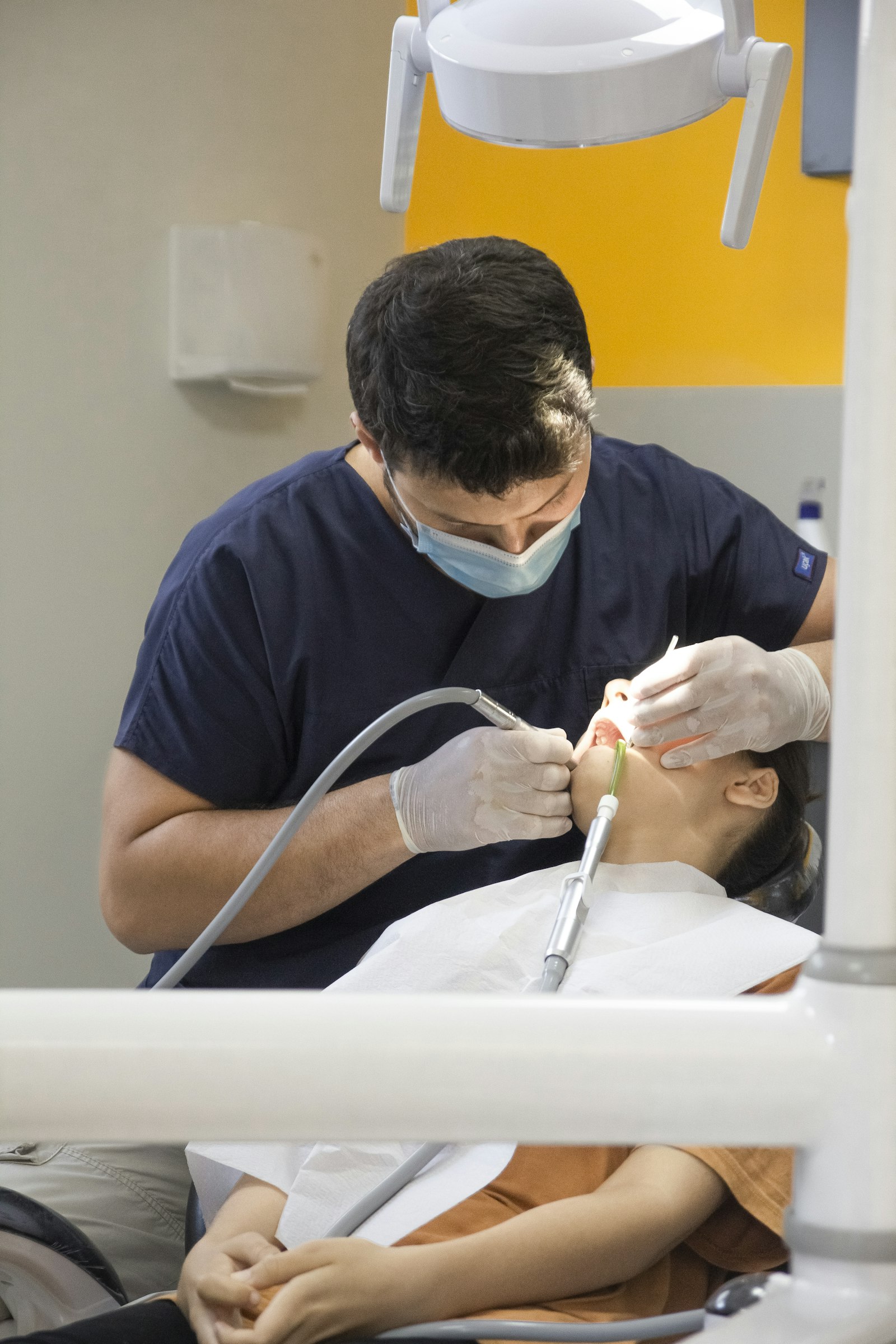
Building a Routine That Survives Shift Work
A routine that relies on being home at the same time every evening will not hold up on a rotating roster. It helps to anchor habits to things that happen on every shift instead.
- Brush twice a day, whenever your "day" is. On nights, brush before you start and again before you sleep, rather than at clock-based times.
- Clean between your teeth once a day. Floss picks at the station or interdental brushes in the car are fine.
- Limit grazing. Try to group food and drinks into meal breaks rather than sipping and snacking over hours.
- Make water your default drink. Save energy drinks and sweet coffee for when you genuinely need them, and finish them in one go with a meal rather than sipping for an hour.
- Wait before brushing after acid. After an acidic drink, rinse with water and wait around 30 to 60 minutes before brushing, so softened enamel is not scrubbed away.
- Book check-ups around your roster. Schedule your next visit before you leave, on a rostered day off.
Other shift workers face similar challenges; see our guides for FIFO and mining workers and long-haul truck drivers.
Common Questions
Do firefighters have worse dental health than other workers?
There is not enough strong evidence to say that firefighters as a group have worse teeth, but the job does combine several known risk factors. Irregular routines, dehydration, sugary drinks, clenching and injury risk can all add up, which is why a practical routine and regular check-ups matter.
Can wearing breathing apparatus dry out my mouth?
It can contribute. Breathing dry air under exertion, combined with sweating in heat, may leave your mouth feeling dry. Rehydrating with water after a job and chewing sugar-free gum can help restore saliva flow.
Are sugar-free energy drinks safe for my teeth?
They are better for decay risk but can still be acidic. Frequent sipping may contribute to enamel erosion, so it helps to drink them with food, finish them quickly and rinse with water afterwards.
What should I do if I knock out a tooth during training?
Hold the tooth by the crown, keep it moist in milk or saliva, and seek dental care as soon as possible. If you can, gently place it back in its socket and bite on a clean cloth on the way.
Is a custom mouthguard better than a shop-bought one?
For most people it is more comfortable and secure. Custom mouthguards are made from a mould of your teeth, so they typically stay in place better and make breathing and talking easier during training.
Is dental injury at work covered by workers compensation?
Work-related dental injuries may be covered in NSW, depending on the circumstances. Report the injury to your employer promptly, keep records, and see our guide on dental injuries at work for more detail.
Dental Care Around Your Roster in Melrose Park
Emergency services work asks a lot of you, and your teeth should not be one more thing to worry about. The team at Lumi Dental can help with check-ups, custom mouthguards, splints for clenching and prompt care after a dental injury. Visit our general dentist in Melrose Park page to see how we can help, or check current deals for our new patient offer. If you need treatment, we are happy to arrange a free consult and provide a written quote so you know what to expect before you commit.

