

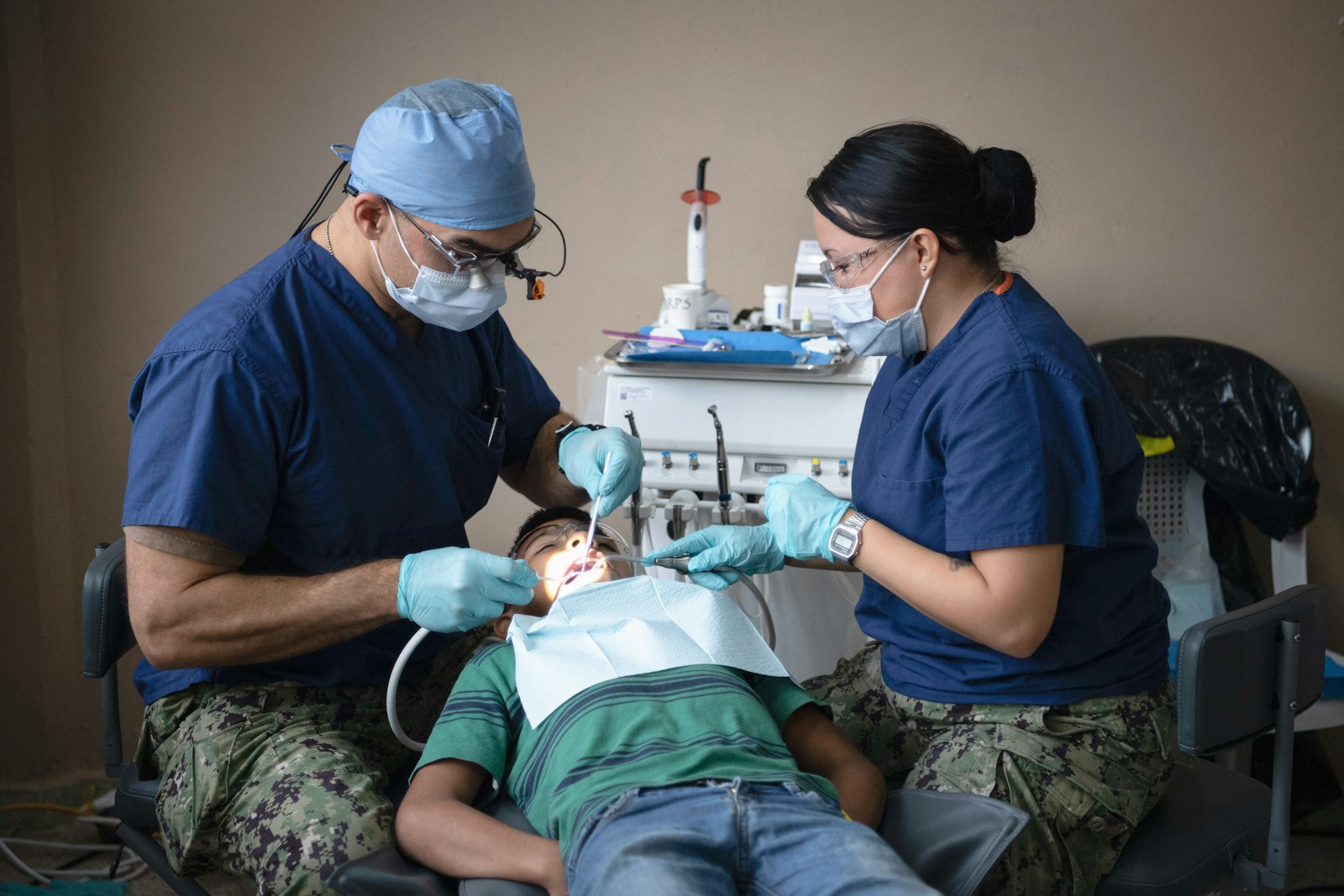

Many surgeons suggest waiting at least a few days, and ideally closer to a week, before flying after wisdom teeth removal, mainly to stay near care during the highest risk period for complications. Cabin pressure itself does not suck out a stable blood clot, so it is not the real concern. The bigger issues are being far from your dentist if bleeding, swelling, or infection develops, and the discomfort of a dry cabin. Planning your travel around the early healing window keeps things simple.
Key takeaways
- The first 24 to 48 hours are when the protective clot forms and settles, so avoid travel then if you can.
- Many clinicians advise waiting around 3 to 7 days before flying, longer for difficult surgical extractions.
- Cabin pressure does not create enough suction to pull out a stable clot, so it does not directly cause dry socket.
- The main reasons to wait are staying near care and managing swelling and comfort.
- Always follow the specific advice of the surgeon who did your extraction.
Why the timing matters
After a wisdom tooth is removed, a blood clot forms in the socket and acts as the foundation for healing. Losing that clot too early leads to a painful dry socket, which typically appears around day two to four. Complications like bleeding, swelling, and infection are also most likely in the first few days. Being at 35,000 feet, or in a distant city, when one of these develops is the situation most surgeons want you to avoid. That is the logic behind waiting.

Does cabin pressure cause dry socket?
This is the most common worry, and the reassuring answer is that pressure changes during take off and landing do not create suction strong enough to dislodge a clot that has already stabilised. Dry socket is far more closely linked to things like smoking, drinking through a straw, forceful rinsing, and vigorous activity in the first day or two. So the flight will not, on its own, pull the clot out. The reason to delay is proximity to care and comfort, not a mechanical risk from the aircraft.
Suggested waiting times
| Situation | General guidance |
|---|---|
| Simple, single extraction | Often comfortable to fly after a couple of days if healing well |
| Standard wisdom teeth removal | Many advise waiting about 3 to 5 days |
| Difficult or surgical impaction | Closer to 5 to 7 days, or as advised |
| Any bleeding, swelling, or infection | Do not fly until reviewed and cleared |
These are general ranges. The surgeon who knows your case should always have the final say, especially for long haul travel. Our wisdom teeth recovery timeline shows how healing usually progresses.
Tips for flying while healing
If you do need to fly within the first week, a few habits help. Carry gauze in case of minor oozing, pack your prescribed or over the counter pain relief in your hand luggage, and sip water often because cabin air is very dry and a dry mouth is uncomfortable around a healing socket. Stick to soft foods, avoid alcohol, and do not use a straw. If you had stitches, our guide on dissolvable stitches explains what to expect. Ear or jaw pressure can also feel odd while healing, which we touch on in tooth pain when flying.
Frequently asked questions
How long should I wait to fly after wisdom teeth removal?
Many clinicians suggest 3 to 7 days depending on how difficult the extraction was. Always follow your surgeon's specific advice.
Can flying cause a dry socket?
No. Cabin pressure does not create enough suction to remove a stable clot. Dry socket is linked more to smoking, straws, and forceful rinsing.
Is it safe to fly the day after surgery?
It is best avoided if possible, mainly because complications are most likely in the first day or two and you want to be near care.
What should I pack for the flight?
Gauze, your pain relief, water to sip, and soft snacks. Avoid alcohol and straws.
What if I start bleeding on the plane?
Apply firm pressure with clean gauze for 20 to 30 minutes. If it will not settle, seek medical help on arrival.
Planning surgery around travel
If you have a trip coming up, mention it before booking your extraction so the timing can be planned sensibly. The team at Lumi Dental can talk you through recovery and what is realistic for your travel dates. See current options on our offers page.
This article is general information and is not a substitute for personal dental advice. Follow the specific guidance of the surgeon who performed your extraction.

