

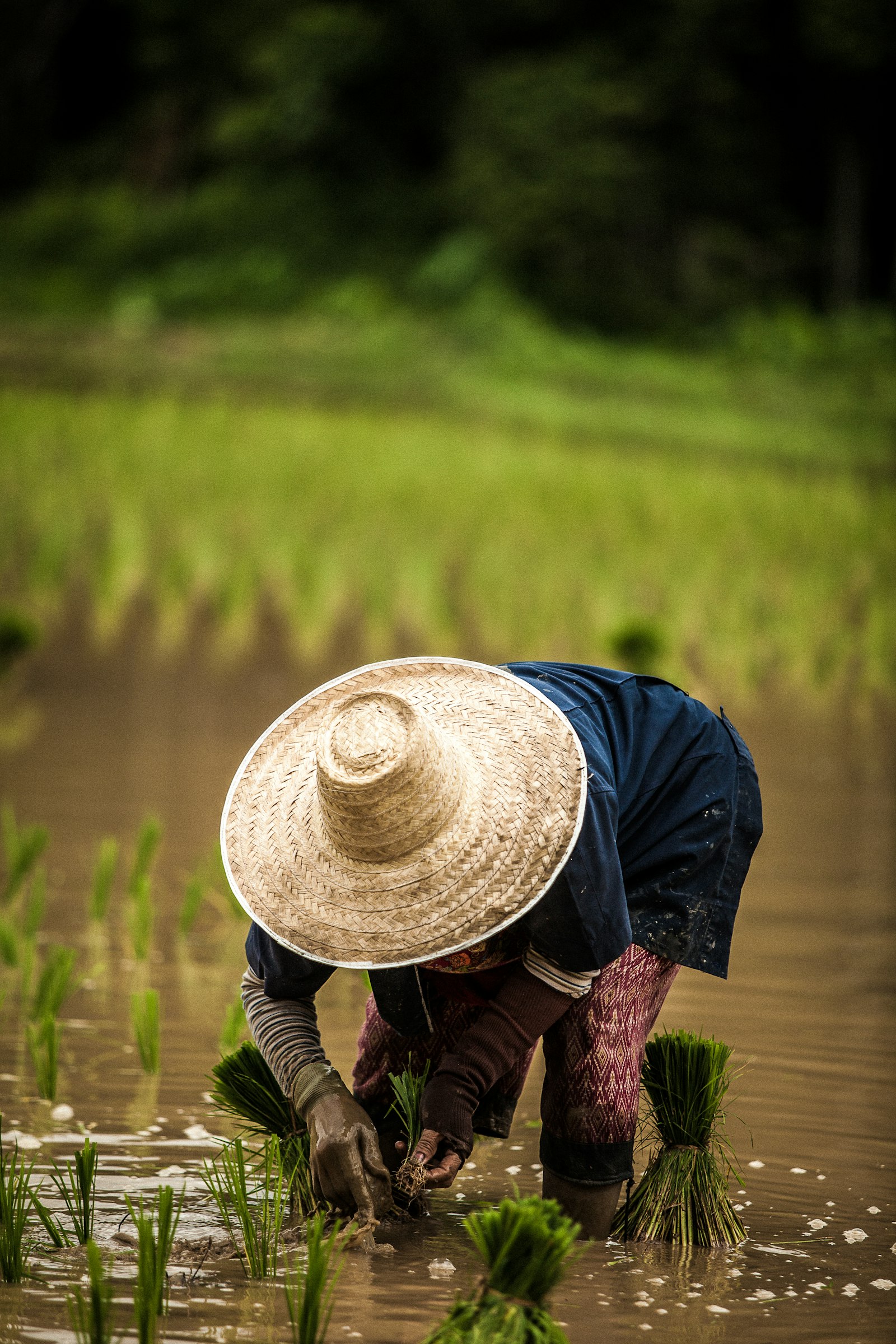

Gardeners and landscapers face a set of dental risks that has little to do with sun exposure and everything to do with dust, tools, plant material and hay fever medication used on the job. While outdoor tradespeople as a group share some common ground, the day to day reality for someone spending hours in garden beds, potting sheds and landscaped yards is different from a farmer working paddocks under open sky. Soil and potting mix dust, minor injuries from thorns and tools, antihistamines taken when pollen is high, and the habit of holding twine or plant ties between the teeth all add up to a specific pattern worth understanding on its own terms.
Key Takeaways
- Soil and potting mix dust can settle in the mouth throughout a working day, especially during digging, mixing or bagging tasks.
- Thorns, garden tools and insect bites around the mouth and jaw are a real, if often minor, injury risk in this trade.
- Antihistamines taken for hay fever when pollen is high are a common but under-recognised cause of dry mouth among gardeners.
- Using teeth to hold, cut or pull twine, cable ties or plant stems is a habit that can chip or crack teeth over time.
- This risk profile is distinct from general farming and rural work, which tends to centre more on sun, heat and dehydration.
- Most of these risks respond well to simple, low-cost habit changes rather than expensive equipment or treatment.
Soil, Potting Mix and Dust Exposure
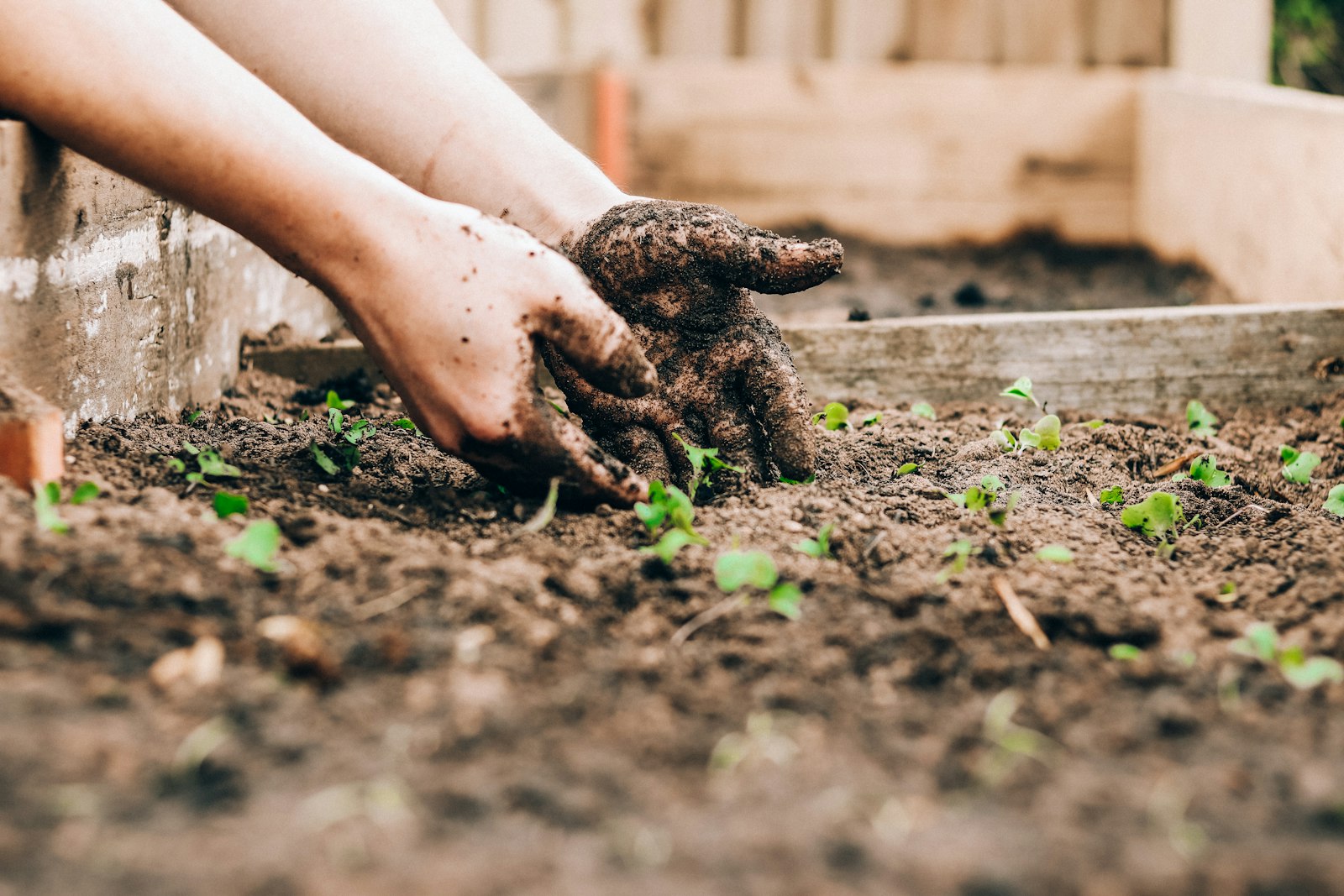
Gardening and landscaping involve constant contact with soil, mulch, compost and potting mix, particularly during bag mixing, digging and planting. Fine particles can settle on the lips, teeth and gum line across a working day, and mouth breathing during physical exertion increases how much of this dust reaches the mouth rather than being filtered by the nose. On its own, this dust is unlikely to directly damage enamel, but combined with reduced saliva flow from physical exertion and dehydration, it can contribute to a gritty, dry feeling in the mouth by the end of a shift.
Why This Differs From General Farm Work
Our earlier article on farmers and rural workers' dental health focuses heavily on sun exposure, heat and the dehydration that comes with long days in open paddocks. Gardening and landscaping work often happens in more shaded, suburban or semi-enclosed settings, so while dehydration still matters, the more distinctive risks for this group come from the specific materials handled daily and the habits that build up around handling them.
Minor Injuries From Thorns, Tools and Insect Bites
Pruning roses, clearing overgrown hedges or handling thorny plants comes with a real risk of scratches and punctures around the lips, chin and jaw. Garden tools such as secateurs, wire and stakes can also cause minor cuts if they slip during use, and insect bites around the mouth are common when working close to garden beds. Most of these are minor and heal on their own, but any injury that affects a tooth, chips enamel, or causes ongoing swelling around the jaw is worth having checked rather than waiting it out. If a tool slip or fall results in a knocked, chipped or loosened tooth, our guide on when to go to hospital for a dental problem explains which situations need urgent attention and which can wait for a regular appointment.
Hay Fever Antihistamines and Dry Mouth
Many gardeners and landscapers rely on antihistamines to manage hay fever symptoms when pollen is high, since the job often means working directly among the plants triggering their allergies. Dry mouth is a well documented side effect of many common antihistamines, and it is one of those side effects people rarely connect back to their medication. A persistently dry mouth reduces the natural buffering and rinsing action of saliva, which can raise the risk of decay and make gum irritation more likely over time. If you take antihistamines regularly during high pollen periods, it is worth mentioning this to your dentist, and our article on decongestants, cold medicines and your teeth covers the same dry mouth mechanism from a related angle. As always, talk to your GP or pharmacist before changing any allergy medication, and never stop or adjust a prescribed medicine because of a dental concern without their input.
Biting and Holding Objects With Your Teeth
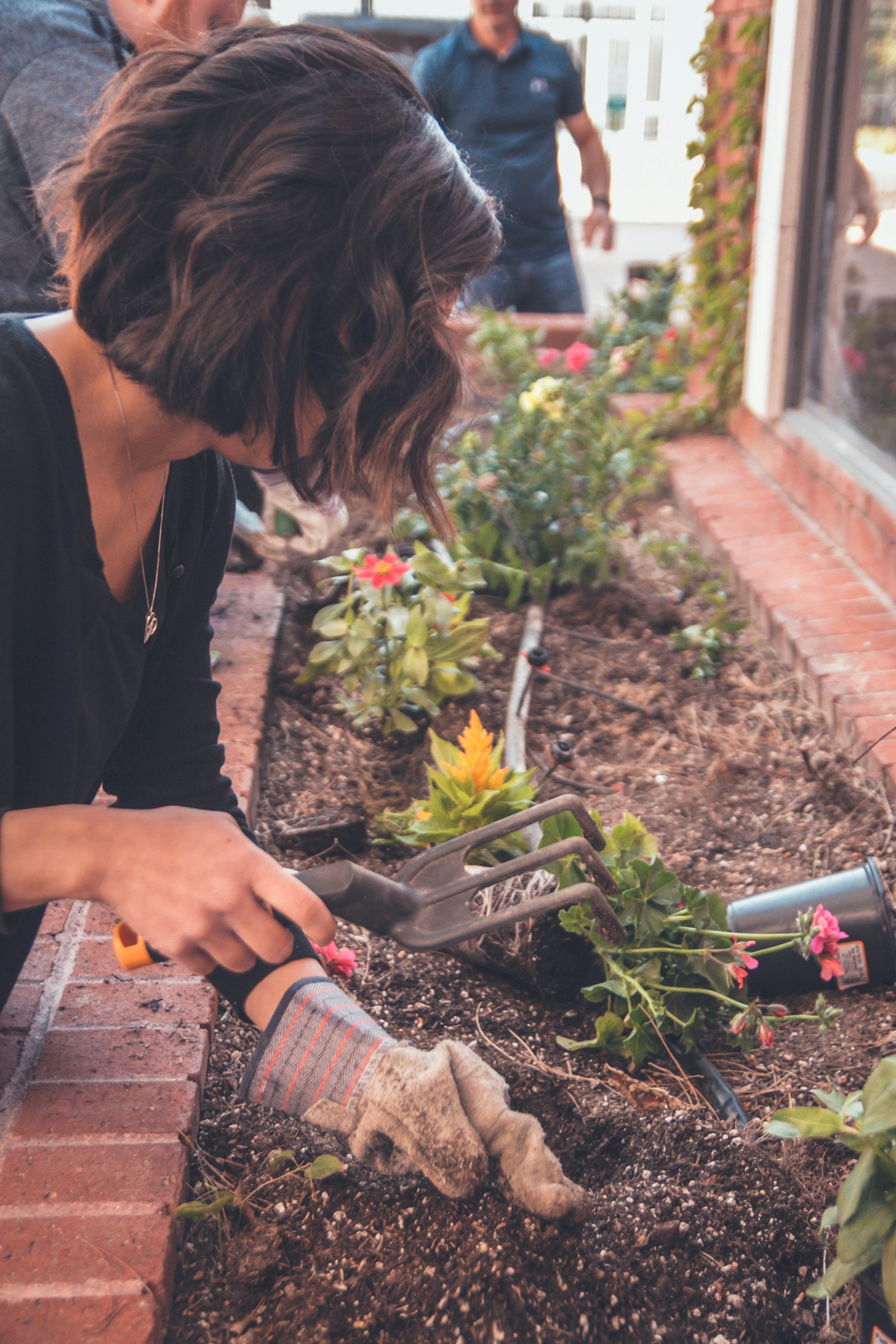
A habit common among gardeners and landscapers is using teeth as a "third hand" to hold twine, cut a plant tie, or grip a cable tie while both hands are busy. It is quick and convenient in the moment, but teeth are not designed for this kind of repeated lateral stress, and it is a common way for a tooth to chip or crack, sometimes without immediate pain.
A Simple Working Routine
- Keep a small pair of snips or scissors on your belt or in a pocket so teeth are never the fallback tool for cutting twine or ties.
- Rinse your mouth with water after heavy digging, mixing or bagging tasks to help clear dust before it dries out.
- Carry water through the day and sip regularly, especially during high pollen periods when antihistamines may already be drying your mouth.
- Wear a properly fitted mask during heavy dust tasks like turning compost or bagging potting mix.
- If you take daily antihistamines through a high pollen stretch, consider sugar-free lozenges or gum to help keep saliva flowing, alongside your GP or pharmacist's advice.
General Cost Ranges for Common Fixes
Chipped teeth from biting habits or minor tool-related injuries are common enough among gardeners that it helps to know general market ranges before booking anything. These figures reflect typical Australian pricing rather than any single clinic's rates.
| Issue or option | What it addresses | General market cost range |
|---|---|---|
| Composite bonding for a small chip | Repairs a chipped tooth edge in a single visit | $180 to $450 per tooth |
| Emergency dental appointment | Same or next day assessment of an injury or sudden pain | $80 to $220 |
| Mouth-safe lip balm and sugar-free lozenges | Helps manage dryness from dust, exertion and antihistamines | $5 to $15 |
| Dust mask (P2 rated, box) | Reduces inhaled and ingested dust during heavy tasks | $15 to $40 per box |
If you have chipped a tooth on a garden tool or a stubborn plant tie, composite bonding is often a fast, conservative way to restore the tooth's shape. A dentist can confirm whether bonding is suitable for your specific chip after a quick examination.
Common Questions
Can soil and potting mix dust actually harm my teeth?
Soil dust itself is not particularly acidic or abrasive in small amounts, but repeated exposure combined with a dry mouth from exertion or antihistamines can create conditions where decay and gum irritation are more likely, so it is worth taking basic precautions during heavy dust tasks.
Why does hay fever medication make my mouth feel dry?
Many antihistamines work by blocking histamine receptors that are also involved in saliva production, so a common side effect is reduced saliva flow, which can leave your mouth feeling dry, especially during high pollen periods when you may be taking the medication daily.
Is it bad to hold plant ties or twine with my teeth?
Yes, using your teeth to grip, pull or cut fibrous material puts uneven lateral force on the tooth that it is not designed to withstand, and this habit is a common cause of small chips and cracks that can worsen over time.
What should I do if a thorn or tool scratches my mouth or lip?
Most minor scratches around the mouth can be cleaned with water and monitored at home, but any injury that affects a tooth, causes persistent swelling, or does not settle within a few days should be assessed by a dentist or your GP.
Should I stop taking antihistamines because of dry mouth concerns?
No, you should never stop or change a prescribed or recommended medicine because of a dental side effect without speaking to your GP or pharmacist first, since managing your allergy symptoms properly matters more than the dry mouth side effect, which can usually be managed alongside your treatment.
How is gardening different from farm work when it comes to dental risk?
Farm work tends to centre on prolonged sun exposure, heat and dehydration across open paddocks, while gardening and landscaping work more often involves close contact with soil, potting mix, thorny plants and tools, so the specific risks and prevention steps differ even though both are outdoor trades.
If dust, dry mouth or a chipped tooth from a day in the garden has become a recurring issue, it is worth having a dentist take a proper look. The team at Lumi Dental can assess chips, cracks and dry mouth concerns and talk you through options like composite bonding, and you can check the current deals page or request a free consult and written quote before deciding on treatment.

