

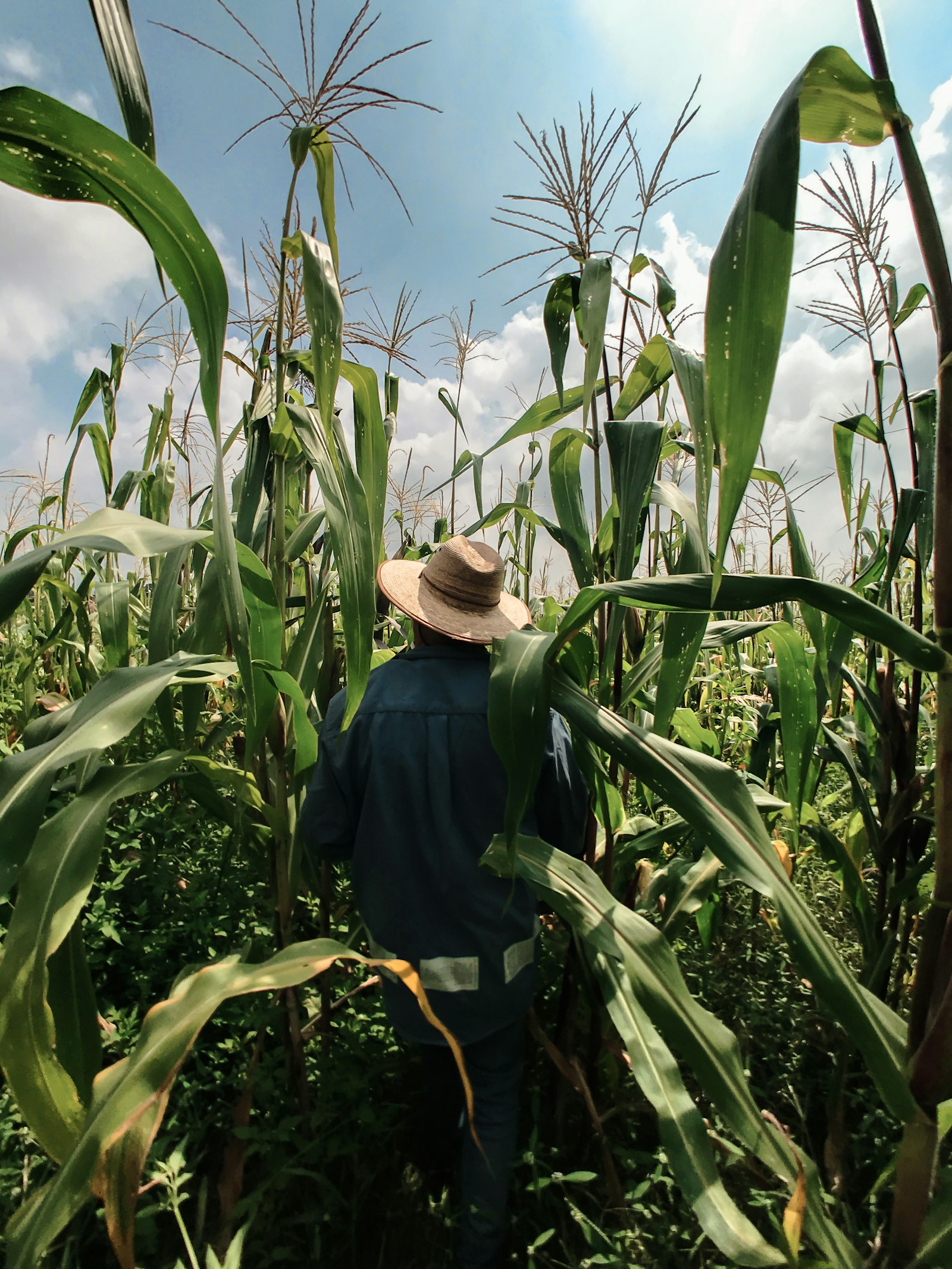

Farmers and rural workers can protect their dental health with a few targeted habits, because the main risks on the land are specific: strong sun on the lower lip, tank water without fluoride, long distances to a dentist and injuries from machinery and livestock. The Australian Institute of Health and Welfare reports that people living in regional and remote areas tend to have poorer oral health than people in major cities, and that people in remote areas are less likely to have seen a dentist in the past couple of years. None of that is about effort. It reflects distance, time and access. This guide focuses on the practical side of rural oral health: what to watch for on your lips, what to keep in the ute or shed, and how to fit check-ups around the work.
Key Takeaways
- Outdoor workers receive far more sun than indoor workers, and the lower lip is one of the most exposed spots on the face.
- An SPF lip balm, a broad-brim hat and regular lip checks can help lower the risk of sun damage and lip cancer.
- Rain and tank water usually lacks fluoride, so fluoride toothpaste matters even more on the farm.
- Distance to a dentist often means small problems get left until they become painful.
- Machinery and livestock can cause facial and dental injuries, so a simple first-aid plan is worth having.
- Booking check-ups during quieter periods in the farming calendar makes them easier to keep.
Sun, Your Lips and Lip Cancer Risk
Australia has some of the highest skin cancer rates in the world, and the lips are skin too. Cancer Council information notes that people who work outdoors can receive many times more sun exposure than indoor workers, and outdoor workers are more likely to develop skin cancers on areas such as the face, ears and lips. The lower lip catches sunlight more directly than the upper lip, which is why lip cancers tend to appear there.
Long-term sun damage to the lip can cause a condition called actinic cheilitis, sometimes known informally as "farmer's lip". The lip may look dry, scaly or pale, and the border between the lip and the skin can become blurred. Actinic cheilitis is considered a potentially precancerous change, so it is worth having any persistent roughness or scaling checked rather than treating it as ordinary chapping.
Simple sun habits for the lips
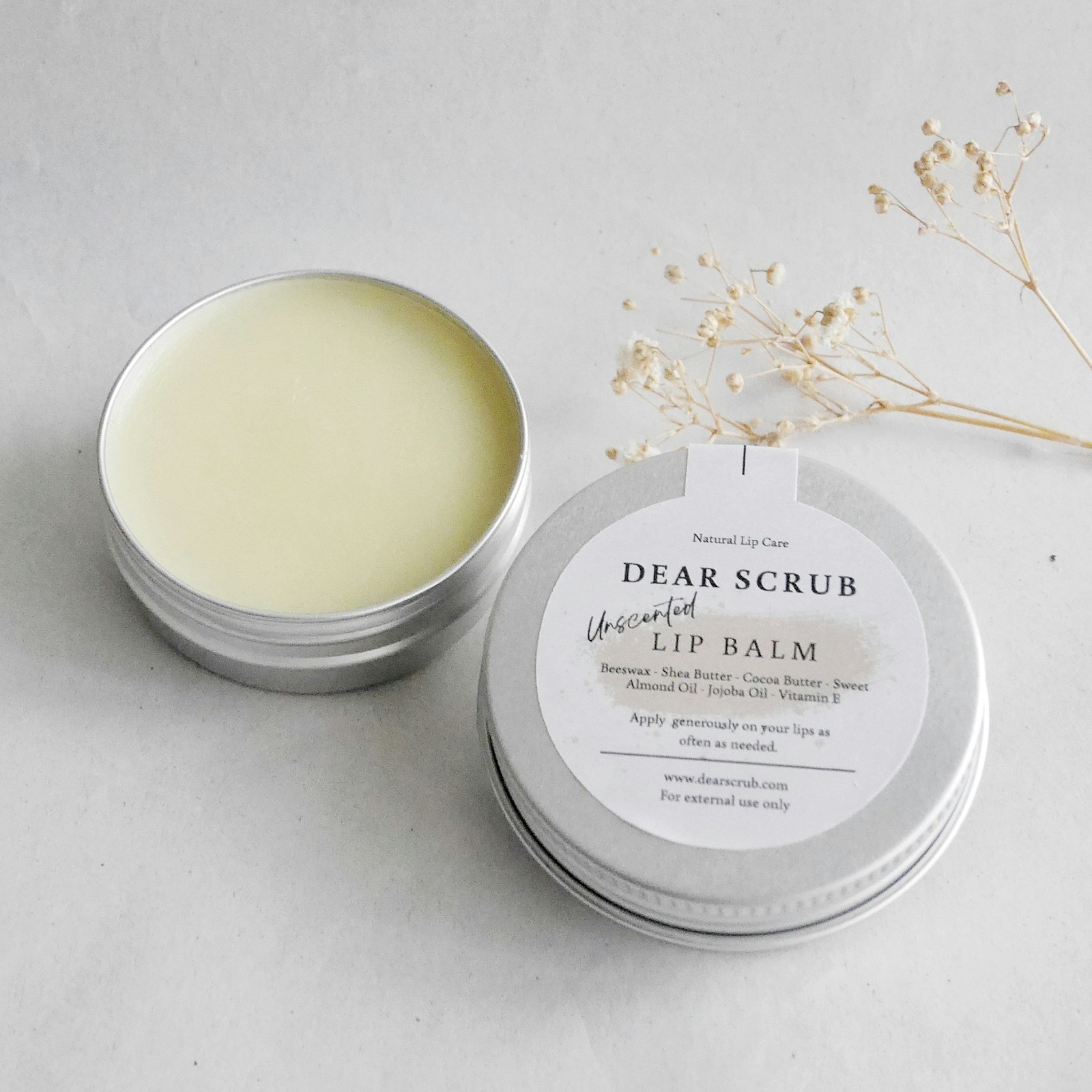
- Use an SPF 30 or higher lip balm and reapply it through the day, especially after eating or drinking.
- Wear a broad-brim hat. A cap leaves the lips and lower face exposed.
- Take breaks in the shade where you can, particularly in the middle of the day.
- Remember that reflected light from water troughs, dams, sheds and pale ground adds to exposure.
For a deeper look at sun protection and what lip cancer can look like, read our guide to sun protection for your lips and lip cancer.
A Lip-Check Guide
A quick look in the mirror once a month is a good habit, and your dentist also checks the lips and mouth at every examination. Here is what to look for and who to see.
| What you notice | What it may mean | Who to see |
|---|---|---|
| Dry, cracked lips that heal within a week or two | Usually simple chapping from wind, sun or dehydration | Self-care with SPF lip balm and water |
| A rough, scaly or pale patch on the lower lip that keeps returning | Possible actinic cheilitis (sun damage) | GP or dentist for assessment |
| A blurred edge where the lip meets the skin | Possible long-term sun damage | GP or dentist for assessment |
| A sore, crust or ulcer that has not healed in 2 to 3 weeks | Needs checking to rule out skin cancer | GP or dentist promptly |
| A lump, thickening, or a spot that bleeds easily | Needs prompt assessment | GP or dentist promptly |
Most lip changes turn out to be harmless, but anything that has not healed within two to three weeks should be looked at. Early changes are usually simpler to manage.
Tank Water, Fluoride and Decay
Most town water supplies in New South Wales are fluoridated, but rainwater collected in tanks, and most bore water, usually is not. If you have grown up or worked on tank water, your teeth may have had less fluoride exposure over the years. That does not mean you need to change your water source. It means fluoride toothpaste, used twice a day and spat out rather than rinsed, becomes your main source of protection. Your dentist may also suggest a higher fluoride toothpaste if you are prone to decay.
We cover the details, including bottled water and filters, in tank water, bottled water and your teeth.
Hot Work, Sweet Drinks and Dry Mouth
Hard physical work in the heat makes people thirsty, and it is common to reach for soft drinks, sports drinks, cordial or energy drinks rather than water. Sipping sweet or acidic drinks through a long day keeps the teeth under repeated acid attack. Dehydration also reduces saliva, which is the mouth's natural rinse and acid buffer.
A practical approach is to make plain water the default and keep sweet drinks to meal breaks. Drinking them quickly rather than sipping for hours also helps, as does a mouthful of water afterwards. Sugar-free gum after smoko can boost saliva if brushing is not possible.
Distance to a Dentist and Leaving Problems Too Long
When the nearest dentist is an hour or more away, a mild toothache often gets pushed back until there is a free day. The trouble is that dental problems rarely improve on their own. A small cavity can grow into a larger filling, and a large filling can become a root canal or extraction. Research on rural and remote oral health consistently points to access, distance and cost as barriers, and people in remote areas are more likely to have gone two years or more without a visit.
A few ideas that may help:
- Book routine check-ups for quieter periods in the farming calendar, when you are less likely to cancel.
- Combine a dental visit with other trips to the city or a regional centre.
- Ask for all needed treatment to be planned in fewer, longer appointments where it is clinically suitable.
- Do not ignore a tooth that aches when you bite, lingers after hot or cold, or is linked with swelling.
People on rosters face similar challenges, and our guide for FIFO and mining workers has more tips on planning care around time away.
Machinery, Livestock and Facial Injuries
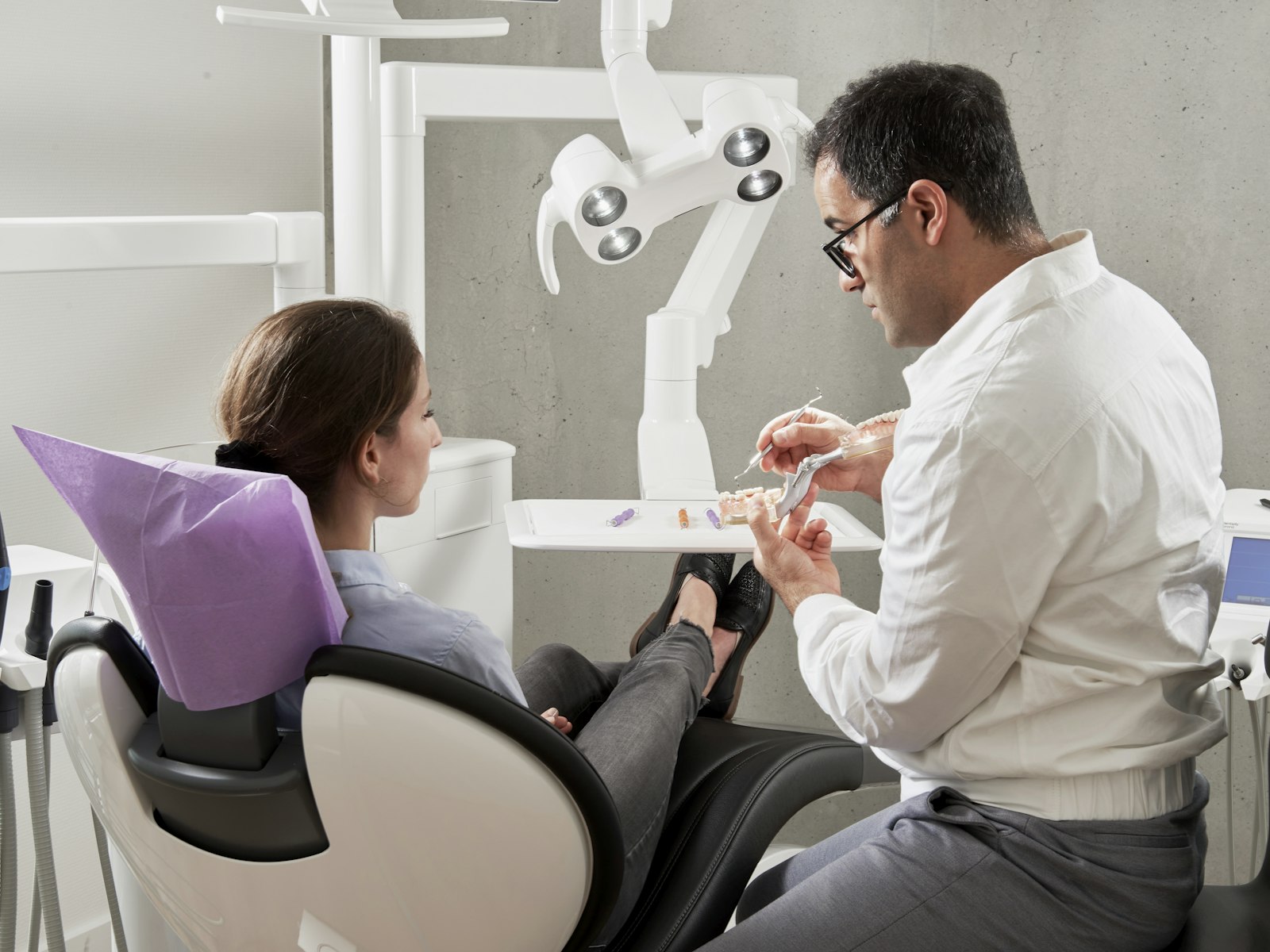
Farm work carries a real risk of facial and dental injury: a kick from a cow or horse, a gate or chain that swings back, a slip in the yards or a tool that catches. Knocked-out, cracked or pushed-in teeth are time sensitive, and being a long way from help makes preparation more important.
If an adult tooth is knocked out, pick it up by the crown (the white part), not the root. If it is dirty, rinse it briefly in milk or saline. Try to place it back in the socket and bite gently on a clean cloth, or keep it in milk if that is not possible. Then see a dentist as soon as you can, ideally within the hour. Head injuries, loss of consciousness, heavy bleeding or a suspected broken jaw need emergency medical care first.
If an injury happens while you are working, there may also be workers compensation considerations. Our article on dental injury at work, first aid and workers compensation in NSW explains the steps.
What to keep in the ute or shed
| Item | Purpose |
|---|---|
| SPF 30+ lip balm and sunscreen | Daily sun protection for lips and face |
| Broad-brim hat (spare) | Shades lips, ears and neck better than a cap |
| Water bottle or cooler | Keeps water the default drink through hot work |
| Travel toothbrush and fluoride toothpaste | Lets you brush after lunch on long days away from the house |
| Sugar-free gum | Stimulates saliva after eating when brushing is not possible |
| Small sealed container and long-life milk | For storing a knocked-out tooth on the way to a dentist |
| Clean gauze and a cold pack | For bleeding and swelling after a knock to the face |
| Mouthguard for high-risk tasks | May reduce injury risk when working around stock in the yards |
Common Questions
Why are farmers more at risk of lip cancer?
Farmers spend long hours outdoors, and the lower lip receives a lot of direct sunlight. Over many years this sun exposure can damage the lip and increase the risk of lip cancer.
What is farmer's lip?
"Farmer's lip" is an informal name for actinic cheilitis, a sun-damage change on the lower lip. It can look dry, scaly or pale and should be checked by a GP or dentist because it can be a precancerous change.
Does tank water have fluoride?
Rainwater collected in tanks usually does not contain fluoride. If tank water is your main drinking water, fluoride toothpaste becomes especially important for protecting your teeth.
Should I use SPF lip balm every day?
If you work outdoors, daily SPF 30 or higher lip balm is a sensible habit, reapplied through the day. Cancer Council advice is that outdoor workers use sun protection year round.
What should I do if I knock out a tooth on the farm?
Hold the tooth by the crown, rinse it briefly in milk if dirty, and try to put it back in the socket or keep it in milk. See a dentist as soon as possible, and seek emergency care first for any head injury.
How often should rural workers see a dentist?
Most adults benefit from a check-up about every six to twelve months. If distance makes that hard, booking ahead during a quieter time of year helps keep it on track.
Plan Your Next Check-Up
If you are travelling in from the country or you spend most of your working life outdoors, the team at Lumi Dental in Melrose Park, Sydney can check your teeth, gums and lips and plan any treatment into as few visits as practical. See our new patient offer on the current deals page, learn more about our general dentistry in Melrose Park, and ask about a free consult and written quote before any larger treatment.

