
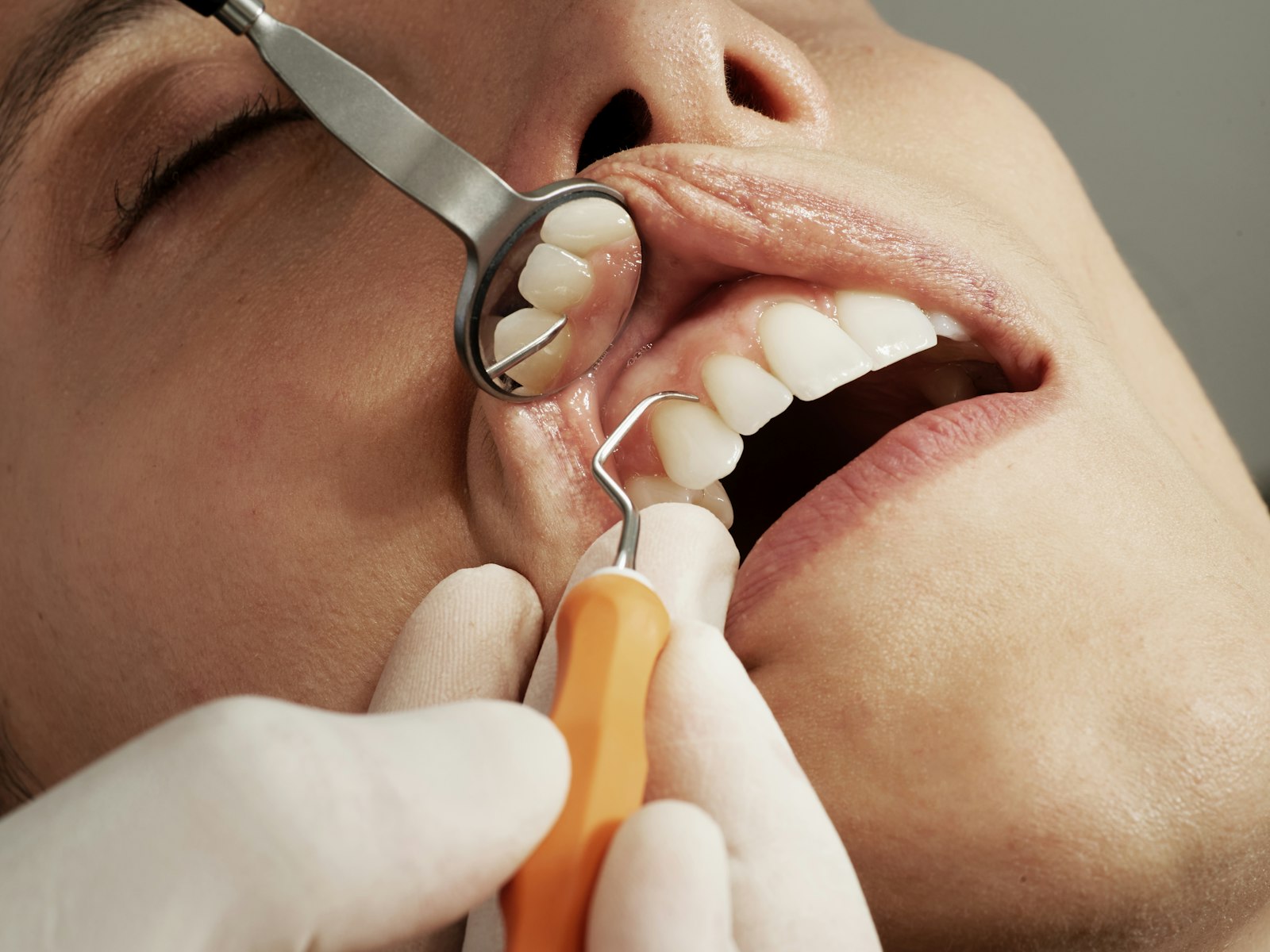

A gum boil is usually a small, pimple-like swelling on the gum, and in most cases it is a sign that infection is draining from a tooth or the surrounding gum. The medical name for it is a parulis, and the channel the infection travels along is called a dental fistula or sinus tract. A gum boil can look alarming, but it is often the body's way of letting trapped pus escape from a deeper problem. It may shrink for a few days and then return, which can fool people into thinking it has cleared when the underlying cause is still active.
Key takeaways
- A gum boil (parulis) is typically the visible end of a dental fistula, a drainage path from a deeper infection.
- The two most common sources are a dying or dead tooth nerve and a gum (periodontal) infection.
- It may come and go, but it rarely clears for good without treating the source.
- Do not squeeze or pop a gum boil; this can spread bacteria and will not fix the cause.
- Spreading facial swelling, fever, or trouble swallowing means you should seek urgent care.
What a gum boil actually is
A parulis forms when pus from an infection finds a path of least resistance through the bone and gum and reaches the surface. The opening you can see is the end of a sinus tract, sometimes called a dental fistula. When the tract is draining, pressure inside the tissue drops, so the area may feel less sore for a while. That relief is temporary, because the infection that is feeding the boil has not been removed. In my experience, patients often notice a salty or unpleasant taste when a gum boil is actively draining.

Why gum boils form
Most gum boils trace back to one of a few sources. Identifying which one is driving yours is what decides the right fix.
| Likely source | What is happening | Typical treatment |
|---|---|---|
| Dead or dying tooth nerve | The pulp inside the tooth has become infected through deep decay, a crack, or past trauma | Root canal treatment, or removal of the tooth |
| Gum (periodontal) abscess | Bacteria and pus build up in a deep gum pocket | Deep cleaning and drainage, gum therapy |
| Food or foreign body trapped under the gum | Ongoing irritation and low-grade infection | Removal and cleaning of the area |
| Previously root-treated tooth | Re-infection around the root tip | Root canal retreatment, surgery, or removal |
Because the boil itself is only the drainage point, treating the surface lump does nothing lasting. The source inside the tooth or gum has to be found, usually with an examination and an x-ray.
Why you should not pop a gum boil
It is tempting to squeeze a gum boil, but this is not advised. Popping it can push bacteria into surrounding tissue, may worsen irritation, and gives only the same short-lived relief that natural drainage provides. It also does nothing to remove the infection that keeps refilling it. Rinsing gently with warm salty water can keep the area clean and comfortable while you arrange to see a dentist, but it is a holding measure, not a cure.
What treatment usually involves
Treatment depends on the source. If the cause is a dead tooth nerve, the options are typically root canal treatment to clean and seal the inside of the tooth, or removal of the tooth where it cannot be saved. Weighing those two paths is covered in our guide to root canal versus extraction. If the cause is a gum infection, the focus shifts to gum disease treatment and drainage of the pocket. Antibiotics may settle a flare-up, but they do not remove the source, so the dental cause still needs attention.

When a gum boil is an emergency
A small, draining gum boil with no other symptoms is not usually an emergency, but it still needs prompt assessment. Seek urgent care if you notice swelling that is spreading across the face or under the jaw, fever, difficulty swallowing or breathing, or swelling near the eye. These can be signs that an infection is spreading, which is covered in our guide to spreading dental infection. If breathing or swallowing is affected, call 000 or go to your nearest emergency department.
Can a gum boil heal on its own?
A gum boil may appear to heal as it drains and the swelling goes down, but the relief is generally temporary. As long as the infected tooth or gum pocket remains, the boil tends to return, sometimes in the same spot. Leaving it can allow the infection to quietly damage more bone around the tooth, so early assessment usually means a simpler fix and a better chance of saving the tooth.
Lowering your risk
Many gum boils start from problems that build up slowly. Regular check-ups can catch decay and gum disease before they reach the nerve or form a pocket. Good daily habits help too, including the techniques in our guides to brushing properly and managing bleeding gums. Treating a cracked or heavily decayed tooth early also reduces the chance the nerve dies and a fistula forms later.
Frequently asked questions
Is a gum boil the same as a dental abscess?
They are closely related. An abscess is the collection of pus from an infection; a gum boil is often the point where that abscess drains to the surface. You can read more in our guide to tooth abscess signs and treatment.
Will antibiotics cure a gum boil?
Antibiotics may reduce swelling and pain during a flare-up, but they do not remove the source. The tooth or gum problem still needs treatment, or the boil typically comes back.
Why does my gum boil keep coming back?
A recurring gum boil usually means the underlying infection is still present and draining. It will often keep returning until the source, such as a dead nerve or a deep gum pocket, is treated.
Does a gum boil mean I will lose the tooth?
Not necessarily. Many teeth with a draining infection can be saved with root canal treatment if they are assessed early. The outlook depends on how much tooth structure and bone remain.
Can children get gum boils?
Yes. In children a gum boil can appear next to a decayed or injured baby tooth. Our guide to dental abscess in children covers what to look for and when to seek care.
Speak with the team at Lumi Dental
If you have noticed a gum boil that keeps coming back, it is worth having it assessed before it has a chance to spread. The team at Lumi Dental in Melrose Park can examine the area, take an x-ray, and explain your options. You can review current new-patient offers on our current deals page or learn more about general dental care. We do not list our own prices here and are happy to provide a written quote after an examination.
This article is general information only and is not a substitute for personal dental advice. Please see a dentist or doctor for advice about your situation.


