
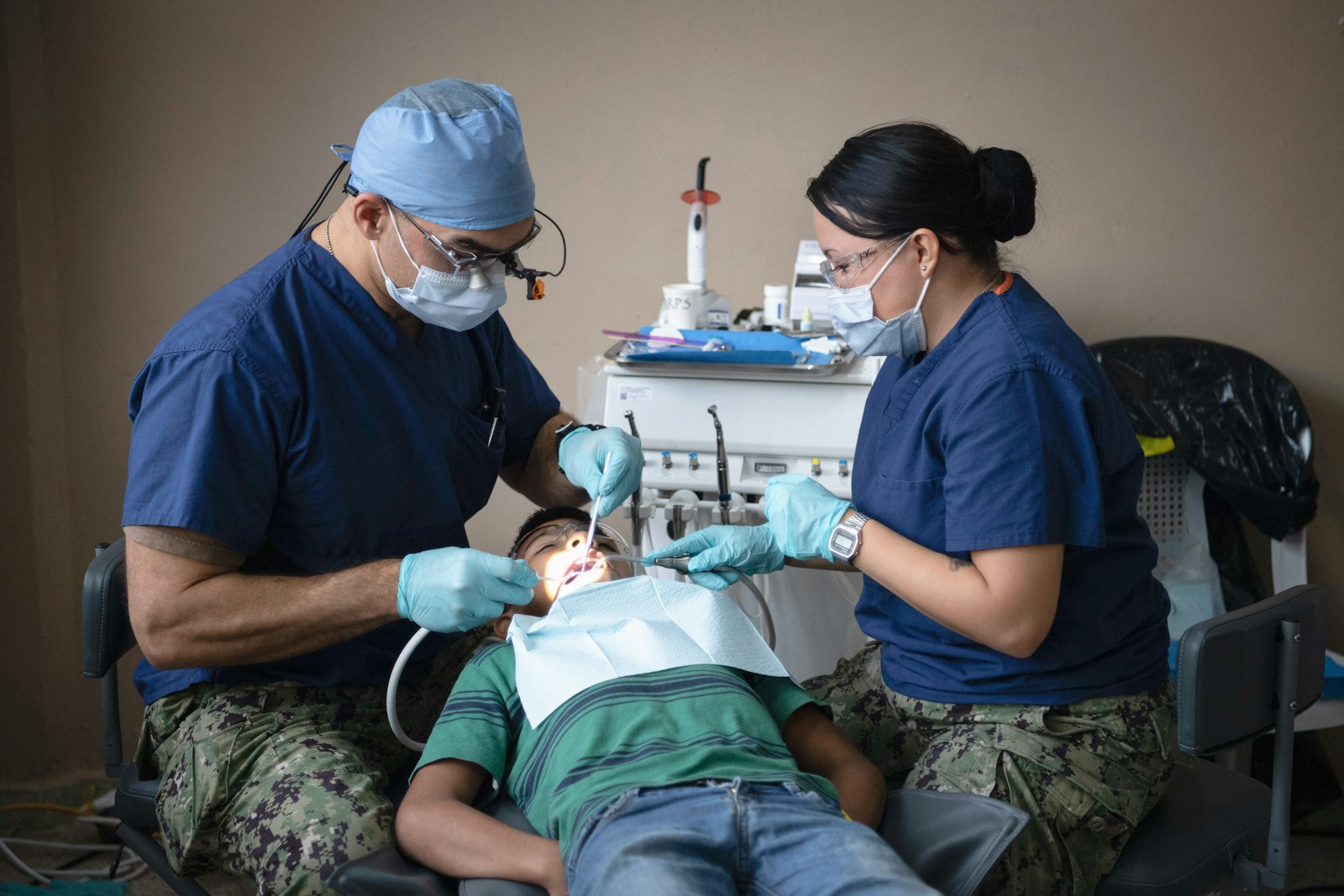

Pregnancy gingivitis is extremely common, and it happens because rising hormone levels, particularly progesterone and oestrogen, make gums react more strongly to the same amount of plaque that previously caused little or no irritation. Many people notice their gums becoming redder, puffier, or more prone to bleeding during pregnancy, most noticeably from around the second trimester, even when their brushing and flossing routine hasn't changed at all.
Key Takeaways
- Pregnancy hormones make gum tissue more reactive to plaque, which is why bleeding and swelling can increase even with a normal hygiene routine.
- Pregnancy gingivitis most often becomes noticeable in the second trimester and tends to ease again after birth.
- A pregnancy tumour, known clinically as a pyogenic granuloma, is a benign growth that can sometimes appear on the gums, it usually shrinks on its own after delivery.
- Routine dental cleaning and check-ups are considered safe at any stage of pregnancy, and are recommended rather than avoided.
- Dental X-rays are safe when clinically needed, using a lead apron and shielding, standard practice for pregnant patients.
- Always mention any new or unusual gum changes to your dentist, and check anything outside general dental scope with your GP or obstetrician.
What pregnancy gingivitis looks and feels like
Pregnancy gingivitis typically shows up as gums that are redder than usual, puffier or swollen looking, and more likely to bleed when brushing or flossing, even with gentle technique. Some people also notice their gums feel more tender or sensitive to touch. It can affect just a few areas or be more widespread through the mouth.
In some cases, a localised, benign growth called a pyogenic granuloma, sometimes called a pregnancy tumour or pregnancy epulis, can develop on the gum, usually between the teeth. Despite the name, it isn't cancerous and it's a well-recognised, generally harmless response related to pregnancy hormones and local irritation. It commonly shrinks or disappears on its own in the months after birth. That said, any unusual lump, growth, or persistent change in the mouth should always be checked by a dentist rather than assumed to be this, just to be safe. This article is general information and isn't a substitute for an actual examination.
Why gum health matters during pregnancy
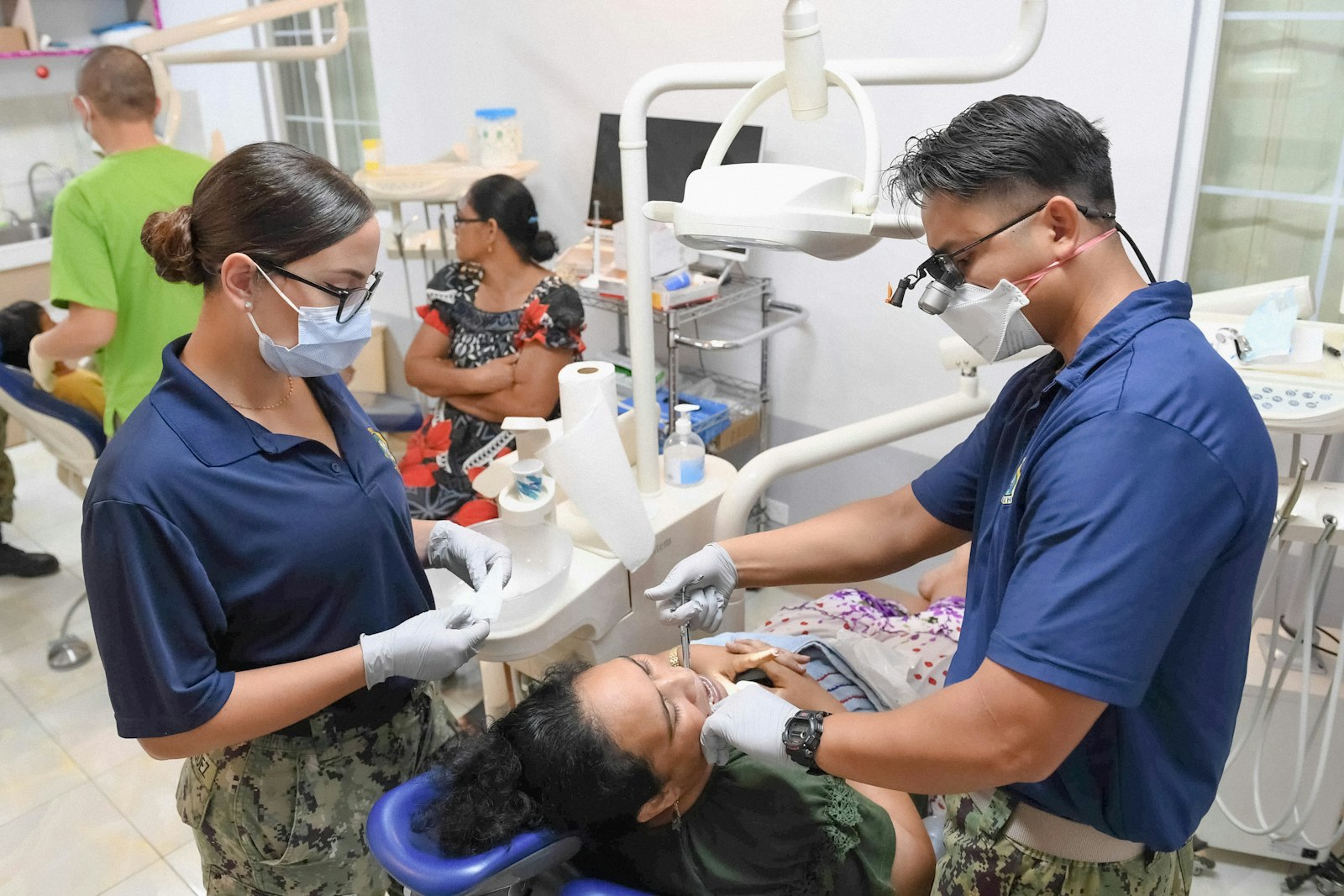
Untreated gum inflammation is worth managing well at any time, but it's a particularly good idea to stay on top of it during pregnancy. Some research suggests a possible link between severe, untreated gum disease and certain pregnancy complications, though more research is still needed to fully understand this connection and it isn't something to be alarmed about. It isn't a reason to panic, more a reason to keep up good oral hygiene and attend your regular dental visits during pregnancy. If you have any concerns about how your general health and pregnancy might interact with dental care, it's best to discuss this with your GP or obstetrician alongside your dentist.
What's safe during pregnancy
Many people are unsure whether it's safe to see a dentist while pregnant. In general:
- Routine cleaning and check-ups are considered safe and are recommended throughout pregnancy, including the first trimester.
- Dental X-rays are safe when clinically necessary, using a lead apron and thyroid shielding as standard protective measures. Our article on dental X-ray safety during pregnancy covers this in more detail if you'd like to read further.
- Routine, non-urgent treatment is often best scheduled for the second trimester where possible, purely for comfort, though this depends on individual circumstances and your dentist's assessment.
- Urgent dental problems, like a dental infection or significant pain, shouldn't be left untreated because of pregnancy, since untreated infection carries its own risks. Talk to your dentist, who can plan safe, appropriate care.
Always let your dental team know you're pregnant, and how far along you are, when you book an appointment or if it comes up during a visit, and mention any medications you've been prescribed.
A simple home-care routine during pregnancy
| Habit | Why it helps |
|---|---|
| Brush gently twice a day with a soft-bristled brush | Removes plaque without aggravating already sensitive gums |
| Floss or use interdental brushes daily | Clears plaque between teeth where a brush can't reach, reducing gum irritation |
| Rinse with water after being sick, if experiencing morning sickness | Helps reduce stomach acid contact with enamel, wait before brushing straight after |
| Keep up regular dental check-ups | Lets your dentist monitor gum changes and catch anything unusual early |
| Eat a balanced diet with adequate calcium | Supports general oral and overall health during pregnancy |
When to call a dentist
It's worth booking an appointment if you notice gums that bleed regularly, ongoing swelling or tenderness, a lump or growth on the gum that doesn't settle, persistent bad breath, or any tooth pain. None of these need to wait until your next scheduled visit if they're bothering you. Gum health can also connect to broader health topics, for example our article on the gum disease and diabetes link looks at how gum inflammation can relate to other conditions, a similar principle to why it's worth managing well during pregnancy too.
If you're also wondering about other dental care during pregnancy or breastfeeding, our article on teeth whitening while breastfeeding covers a related, commonly asked question. And if your gums feel tender after a routine clean, our piece on why gums feel sore after a scale and clean explains what's normal and what isn't.
Frequently asked questions
Is it normal for gums to bleed during pregnancy?
Some increased bleeding when brushing or flossing is common during pregnancy due to hormonal changes, but it's still worth mentioning to your dentist, especially if it's frequent or doesn't improve with good hygiene.
Does pregnancy gingivitis go away after birth?
For most people, symptoms ease as hormone levels settle after delivery, though ongoing good oral hygiene and dental care still matter for keeping gums healthy long term.
Can I have a dental clean while pregnant?
Yes, routine cleaning is considered safe at any stage of pregnancy and is generally recommended, since keeping gums healthy is a helpful part of pregnancy care.
Are dental X-rays safe during pregnancy?
When clinically needed, dental X-rays are considered safe during pregnancy with a lead apron and shielding in place. Your dentist will only recommend one if it's genuinely necessary for your care.
What is a pregnancy tumour on the gum?
Despite the concerning name, a pregnancy tumour, or pyogenic granuloma, is a benign, non-cancerous growth linked to pregnancy hormones and local irritation. It commonly shrinks after birth, but any new lump should still be checked by a dentist to confirm what it is.
Can gum disease during pregnancy affect the baby?
Some research suggests a possible link between severe, untreated gum disease and certain pregnancy complications, but more research is needed and this isn't a certainty. It's simply a good reason to keep up regular dental care, and any specific concerns are worth discussing with your GP or obstetrician as well as your dentist.
If your gums have been feeling different since becoming pregnant, or it's been a while since your last check-up, our general dentistry team can take a look and talk you through safe care options for each stage of pregnancy. You can also check our current offers for new and existing patients.


