

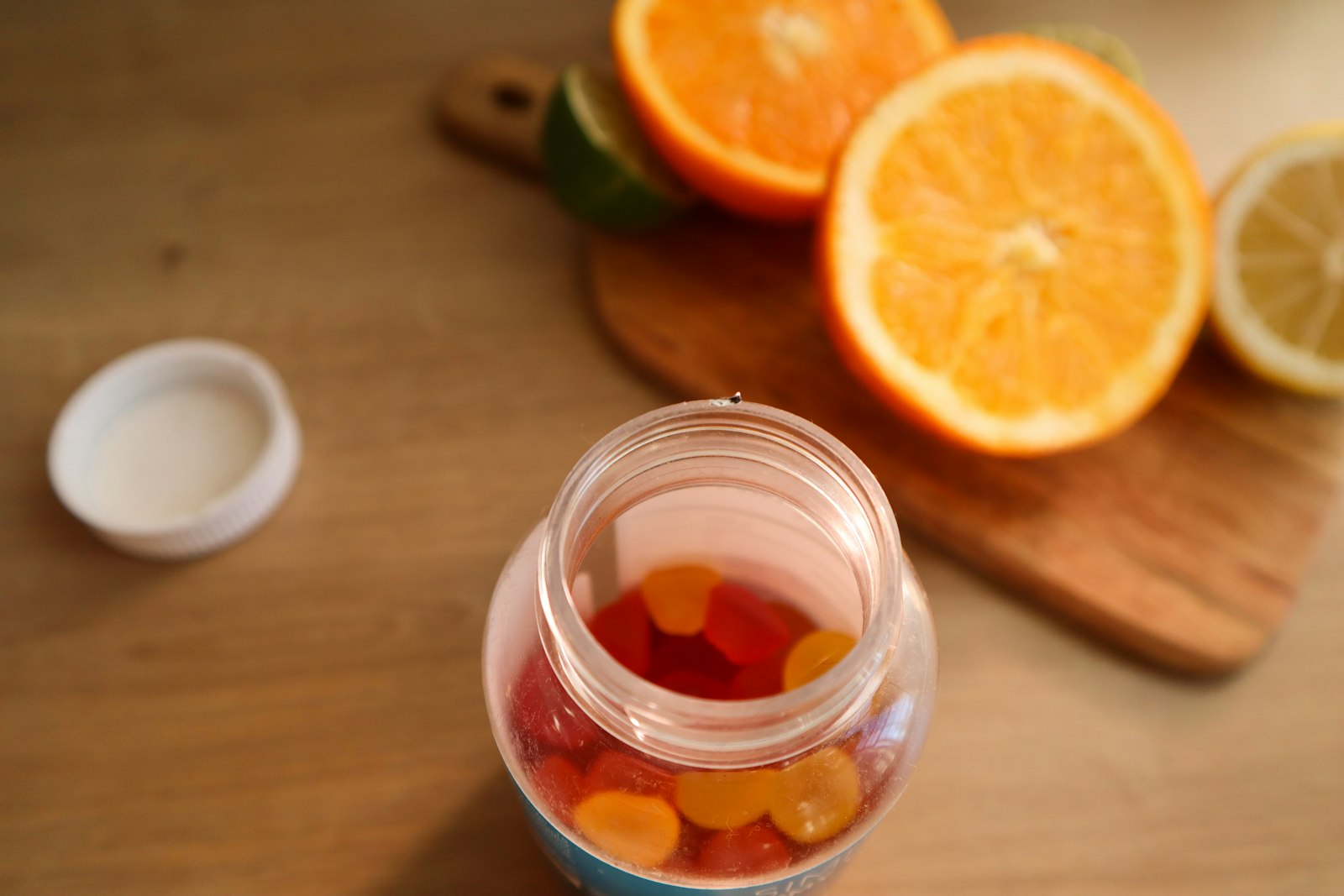

Gummy vitamins and effervescent tablets can be bad for your teeth, because gummies usually combine sugar with a sticky texture and often added acids, while effervescent and chewable vitamin C products are acidic. Used often, they may contribute to both tooth decay and enamel erosion. That does not mean you need to give them up. It means how and when you take them matters. This guide answers the common question, are gummy vitamins bad for your teeth, and explains how to take gummies, fizzy tablets and chewables in a more tooth-friendly way.
Decisions about whether you need a supplement belong with your GP, dietitian or pharmacist. Please do not stop a prescribed or recommended supplement because of your teeth; ask about a different format instead.
Key Takeaways
- Most gummy vitamins contain sugar or sugar syrups and stick to the grooves of teeth, which gives decay-causing bacteria more time to feed.
- Many gummies also contain citric or malic acid for flavour, and apple cider vinegar gummies are acidic by design.
- Effervescent and chewable vitamin C products are typically acidic, with some tested well below the pH at which enamel starts to soften.
- Taking supplements with a meal, rinsing with water afterwards and not sipping fizzy drinks slowly can reduce the risk.
- A swallow-whole tablet or capsule may be a lower-risk option if it suits you; ask your pharmacist.
- Keep gummy vitamins out of reach of children, as they look and taste like lollies.
Why Supplements Can Affect Your Teeth
Two different processes can damage teeth, and supplements can contribute to both.
Decay from sugar
Tooth decay happens when bacteria in plaque feed on sugars and produce acid. Gummy vitamins often use glucose syrup, sucrose or other sugars to get their chewy texture and sweet taste. Because they are sticky, pieces lodge in the grooves of back teeth and between teeth, extending the time teeth are exposed.
Erosion from acid
Dental erosion is different. It is the gradual loss of enamel from acid directly, without bacteria involved. Enamel starts to soften at around pH 5.5. Laboratory studies have reported that chewable vitamin C tablets can have a pH around 2.3, and one study of children's chewable supplements found all of them were acidic, with pH values between about 3 and 4.8. Another laboratory study found that the effervescent vitamin tablets it tested all caused measurable enamel loss. These are lab findings on tooth samples, so real-world effects depend on how often and how long teeth are exposed, but they show why the format matters.
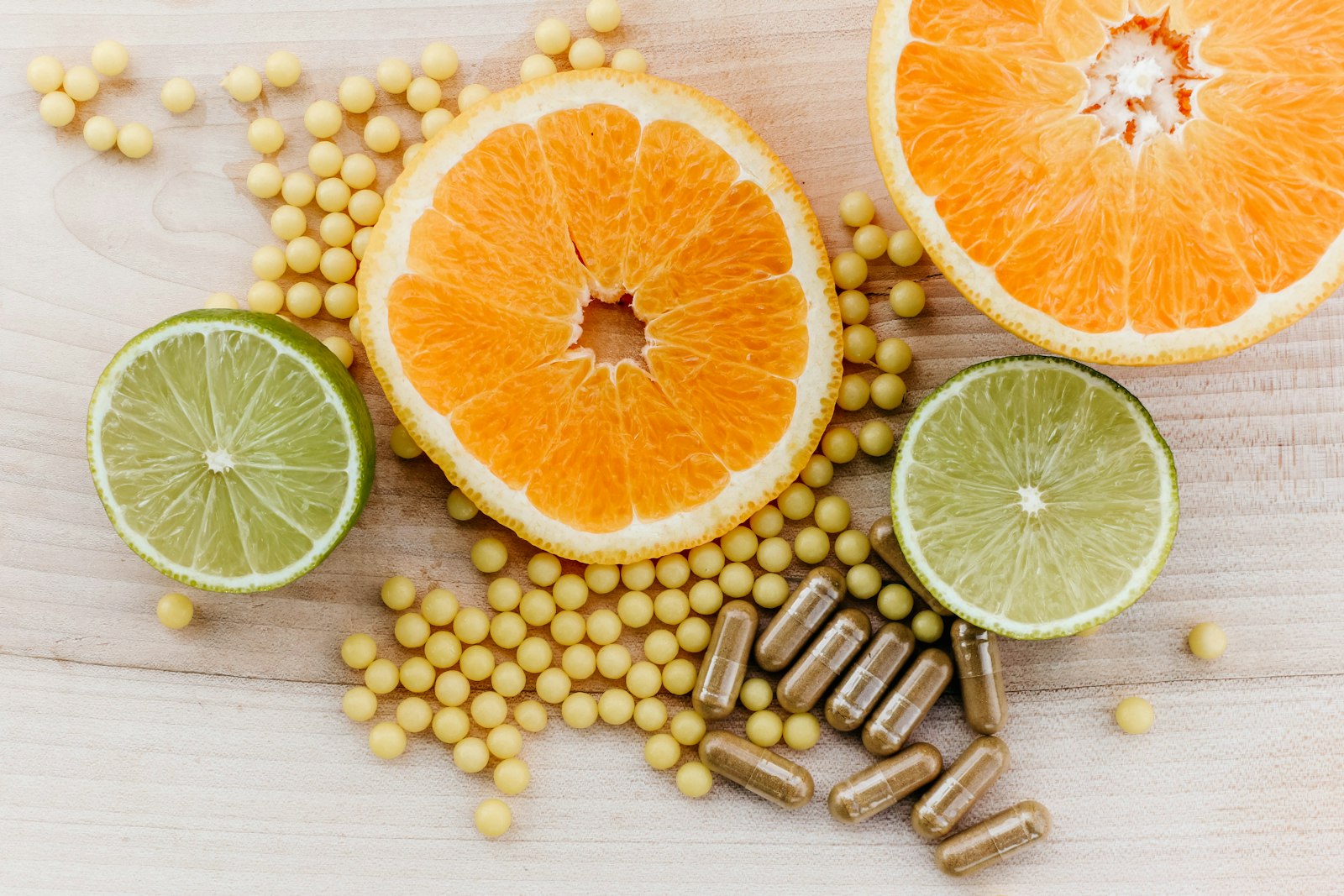
Supplement Formats Compared
| Format | Main dental concern | Lower-risk habit |
|---|---|---|
| Gummy vitamins (adult and kids) | Sugar and stickiness, often added acid | Take with a meal, rinse with water, clean between teeth that night |
| Apple cider vinegar gummies | Acid, plus sugar and stickiness | Take with food, rinse with water, avoid taking several across the day |
| Effervescent vitamin C or electrolyte tablets | Acid from the fizzy drink | Drink with a meal within a few minutes rather than sipping over an hour; a straw may help |
| Chewable vitamin C tablets | Concentrated acid held against teeth | Chew and swallow promptly, do not hold in the mouth, rinse afterwards |
| Dissolvable powders and drink mixes | Acid and sometimes sugar | Mix with the recommended amount of water and finish with a meal |
| Swallow-whole tablets or capsules | Minimal contact with teeth | Take with water; ask your pharmacist if this format suits you |
Gummy Vitamins in More Detail
Gummies are popular because they are easy to take and taste good. The trade-off is that they are designed to behave like lollies. Common ingredients include glucose syrup, sugar, gelatin or pectin, and citric acid. Some gummies are labelled sugar-free and use sugar alcohols such as sorbitol or maltitol instead. These are much less likely to cause decay, though they can still be acidic and sticky, and large amounts can upset the stomach.
In my experience, the problem is rarely one gummy a day with breakfast. It is taking several different gummy products at different times, or treating them as a snack. Each one adds another sugar and acid exposure.
Children and gummy vitamins
Children's gummies raise two extra points. Firstly, children often have thinner enamel on baby teeth and may not brush as thoroughly. Secondly, gummies look like lollies, so children may take more than the recommended amount if they can reach them. Some vitamins, especially those containing iron, can be dangerous in overdose. Store them out of reach, and if a child has taken more than the label says, contact the Poisons Information Centre on 13 11 26.
Effervescent and Chewable Vitamin C
Vitamin C is ascorbic acid, so products that contain a lot of it are naturally acidic. Effervescent tablets add further acids to create the fizz. This does not make them harmful when taken occasionally, but a few habits can make a real difference:
- Drink it, do not sip it. Finishing an effervescent drink within a few minutes, ideally with a meal, limits the time teeth are bathed in acid.
- Use a straw where sensible. A straw placed towards the back of the mouth can reduce contact with the front teeth.
- Do not hold chewables in your mouth. Chew and swallow promptly rather than letting a tablet dissolve slowly.
- Rinse with plain water afterwards. This helps wash away acid and bring the mouth back towards neutral.
- Wait before brushing. After acidic drinks or chewables, wait around 30 to 60 minutes before brushing, as enamel is temporarily softer.
Many sports and electrolyte drinks behave in the same way. If you use them for training, see our guides to sports and energy drinks and gym supplements and protein powder.
Signs Your Teeth May Be Affected
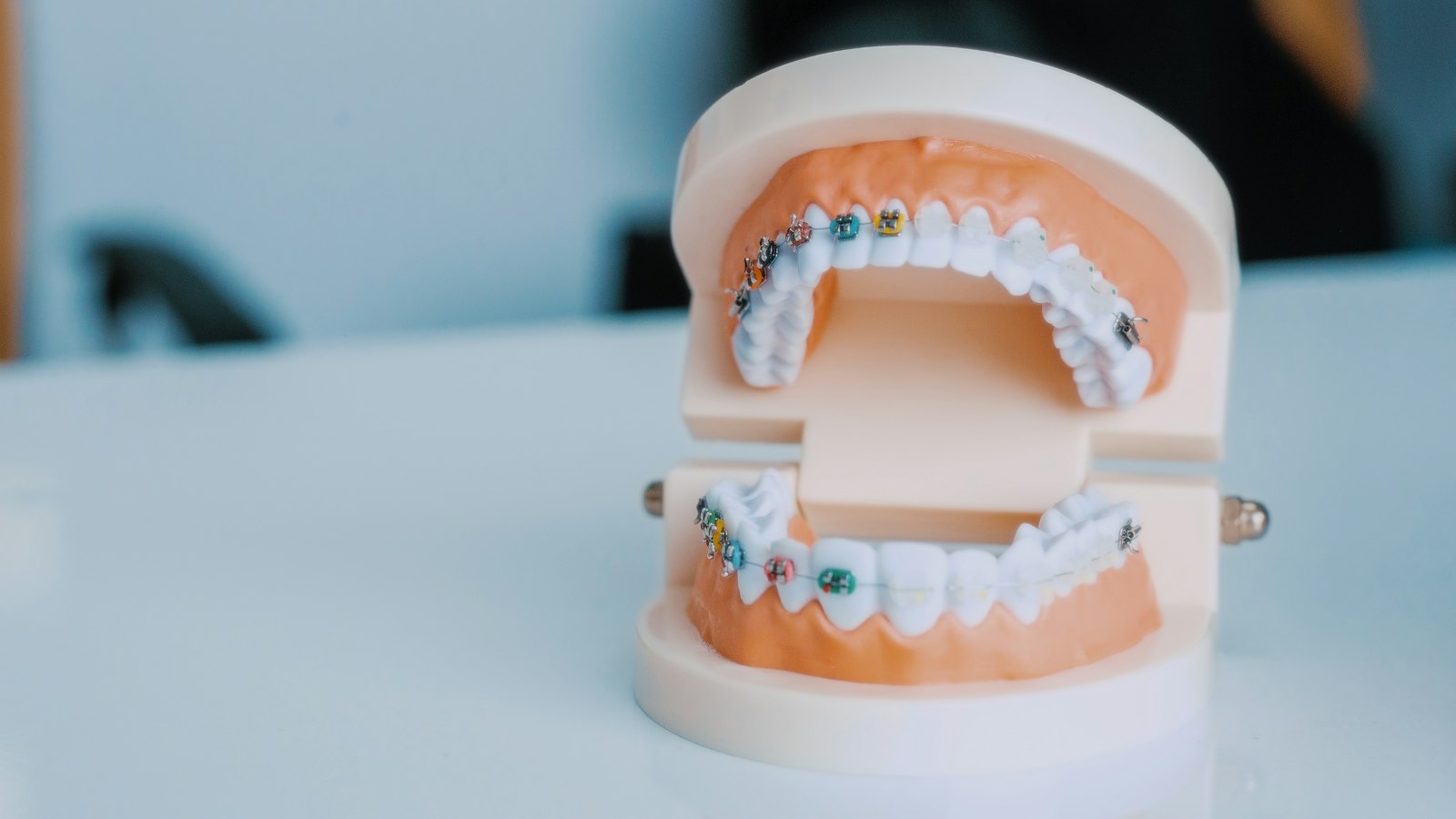
Early damage from sugar or acid is often painless. Signs worth mentioning to your dentist include:
- Sensitivity to cold, hot or sweet foods.
- Teeth looking more yellow, as thinning enamel lets the dentine underneath show through.
- Smooth, shiny or slightly cupped areas on the biting surfaces.
- Edges of front teeth that look translucent or chip easily.
- White chalky spots or brown areas near the gum line.
Acid from other sources adds up too. If you also have reflux or heartburn, our guide to acid reflux and your teeth explains how that can contribute. Sucking on cough lozenges through a cold is another common hidden source, covered in our article on cough lozenges and tooth decay.
What your dentist may suggest
If early erosion or decay is found, your dentist may recommend a higher-strength fluoride toothpaste, a toothpaste for sensitive teeth, fluoride varnish at your visits, or a remineralising paste. Where enamel has worn significantly, protective fillings or bonding may be discussed. The priority is usually to find and reduce the source of sugar or acid first, so that any treatment lasts.
Do Not Forget: Vitamin C Still Matters
None of this means vitamins are bad for you. Vitamin C is essential for healthy gums, and a genuine deficiency can cause bleeding, swollen gums. Our article on vitamin C deficiency and gums covers the other side of the story. Most people can get enough from a varied diet, but if your GP or dietitian has recommended a supplement, keep taking it and simply choose the most tooth-friendly format and timing.
Common Questions
Are gummy vitamins bad for your teeth?
They can be, especially when taken often or between meals. Most contain sugar, are sticky and may be acidic. Taking them with a meal and rinsing with water afterwards can reduce the risk.
Is effervescent vitamin C bad for your teeth?
It can contribute to enamel erosion because it is acidic. Drinking it quickly with a meal, using a straw and rinsing with water afterwards may lower the risk compared with sipping it slowly.
Are sugar-free gummy vitamins better for teeth?
They are better for decay risk, since sugar alcohols are much less likely to feed bacteria. However, they can still be acidic and sticky, so the same habits still help.
Should I brush my teeth straight after taking a gummy vitamin?
It is usually better to rinse with water first and wait around 30 to 60 minutes if the gummy is acidic. Brushing softened enamel straight away may wear it faster.
Are apple cider vinegar gummies bad for teeth?
They may be, because vinegar is acidic and the gummies often contain sugar too. If you take them, have them with food and rinse with water afterwards, and speak to your GP or pharmacist about whether you need them.
What is the most tooth-friendly way to take vitamins?
A swallow-whole tablet or capsule taken with water and a meal generally has the least contact with teeth. Ask your pharmacist whether that format suits you and your supplement.
Protecting Your Enamel in Melrose Park
If you take gummies, fizzy vitamins or chewables regularly and have noticed sensitivity or changes in your teeth, the team at Lumi Dental can check for early erosion or decay and suggest simple ways to protect your enamel. Visit our general dentist in Melrose Park page to learn more, or see current deals for our new patient offer. If treatment is needed, we can arrange a free consult and a written quote before anything goes ahead.

