


Hay fever can affect your teeth and mouth in three main ways: blocked sinuses can make the upper back teeth ache, a blocked nose and allergy medicines can dry the mouth, and some people with pollen allergy get an itchy or tingly mouth after eating raw fruit. It is very common. The Australian Institute of Health and Welfare reports that nearly 1 in 4 Australians, more than 6 million people, had allergic rhinitis in the most recent national health survey.
Written by Dr James Tran, BDent (University of Sydney), MICOI, GradDip (Oral Implants), general dentist at Lumi Dental in Melrose Park.
The short version
- Several upper back teeth aching together while your nose is blocked usually points to the sinus, not the teeth.
- One tooth that aches to cold, sweet or biting needs a dental check, hay fever or not.
- Mouth breathing at night dries the mouth, which can mean morning breath and puffy gums along the front teeth.
- Allergy tablets can add to dryness. Our article on antihistamines and dry mouth covers the medicine side in detail.
- An itchy, tingly mouth after raw fruit or nuts may be oral allergy syndrome, which is linked to pollen allergy.
- Swelling of the tongue or throat, or any trouble breathing, is an emergency: call 000.
How hay fever reaches the mouth
Hay fever, or allergic rhinitis, is the nose reacting to an airborne allergen such as pollen. healthdirect lists a runny, itchy or blocked nose, sneezing, itchy eyes and itchy ears, throat and mouth among the symptoms, and notes that allergic rhinitis caused by pollen allergy can lead to sinus infections and poor sleep.
ASCIA, the peak body for clinical immunology and allergy specialists, adds that a blocked nose sometimes causes mouth breathing and snoring, and that poorly managed allergic rhinitis can lead to recurrent sinus infections in adults. Those two effects explain most of what patients bring to the dental chair. healthdirect also notes that pollen can trigger asthma, sometimes for the first time after a thunderstorm, so wheeze or chest tightness with hay fever is a reason to see your GP.
The single rule: a row of teeth or one tooth
If several upper back teeth ache together when your nose is blocked, and the ache changes when you bend forward, the sinus is the likely cause. If a single tooth aches to cold, sweet or biting, it needs a dental check whatever the season.
The roots of the upper back teeth sit just under the floor of the maxillary sinus. When the sinus lining swells, the pressure is felt as a dull ache across those teeth. Decay, a crack or an inflamed nerve usually picks out one tooth, reacts to a trigger and does not care whether your nose is clear.
I usually ask patients to tap along their upper teeth with a fingertip: tenderness across a row fits the sinus, one tooth that jumps points to the tooth. Our article on sinus toothache and referred pain explains how a dentist tells them apart.
Mouth breathing at night: dry mouth, morning breath and front gums
A nose that blocks up at night pushes you to breathe through your mouth while you sleep. Saliva flow is already low overnight, and moving air dries the teeth, tongue and gums further, so people wake with a parched mouth and furry teeth.
Saliva normally rinses away food and buffers acid, so weeks of dryness can tip the balance towards decay along the gum line. Stale morning breath is common, and postnasal drip adds to it. Some mouth breathers also notice red, puffy gums along the upper front teeth, the gums most exposed to airflow. Our guide to mouth breathing in adults covers the gum and sleep side of this.
What tends to help
- Treat the nose with help from your GP or pharmacist; it does more for a dry mouth than any rinse.
- Keep water by the bed and sip it on waking, before tea or coffee.
- Brush with a fluoride toothpaste before bed and spit rather than rinse.
- Avoid sugary lozenges through the day; chew sugar-free gum instead.
Antihistamines, decongestants and steroid nasal sprays
Antihistamines
healthdirect suggests choosing an antihistamine that does not make you drowsy. Our antihistamine article, linked above, explains which types are most linked with a dry mouth.
Decongestants
Decongestants can dry the mouth too. healthdirect advises against decongestant tablets or sprays for pollen allergy, because after a few days they can make symptoms worse, and they can affect blood pressure and the heart.
Steroid nasal sprays
A corticosteroid nasal spray works inside the nose. NHS medicines information for one common spray notes that very little is absorbed into the rest of the body, and lists an unpleasant taste or smell and a dry or sore throat among the common side effects. Its advice is to rinse your mouth with water or brush your teeth after using the spray.
A steroid inhaler for asthma is different, as it deposits medicine on the mouth and throat; the thrush link is covered in our article on asthma inhalers and oral health. Do not stop or change any medicine because of a mouth symptom; talk to your doctor or pharmacist.
| Symptom | Likely cause | What helps | When to see the dentist or GP |
|---|---|---|---|
| Several upper back teeth ache, worse bending forward | Sinus pressure | Treating the congestion; GP or pharmacist advice | Dentist if the ache stays after the nose clears |
| One tooth aches to cold, sweet or biting | A tooth problem such as decay or a crack | Dental assessment | Dentist, whatever the season |
| Dry mouth on waking, stale breath | Mouth breathing at night, allergy medicines | Water by the bed, fluoride toothpaste at night, nose treatment | Dentist if dryness lasts or new decay appears |
| Itchy or tingly lips and mouth after raw fruit or nuts | Possible oral allergy syndrome | Avoiding the raw trigger food | GP for assessment and allergy referral |
| Swelling of tongue or throat, trouble breathing | Possible anaphylaxis | Adrenaline autoinjector if prescribed | Call 000 immediately |
An itchy mouth from fruit: oral allergy syndrome
Some people with hay fever find that eating raw kiwifruit, melon or certain nuts makes their lips and mouth itch or tingle. ASCIA calls this oral allergy syndrome, also known as pollen food syndrome. It is a type of food allergy in which some raw fresh vegetables, fruits, spices or nuts cause the lips, mouth, tongue and throat to itch, tingle or swell.
Why pollen allergy is the link
According to ASCIA, it is most common in people with asthma or hay fever who are sensitised to tree, grass or weed pollens, which carry proteins similar to those in some foods, so the immune system confuses the two. ASCIA mentions melons, citrus fruits, kiwifruit, tomato and banana, and notes that symptoms may be worse when there is a lot of pollen in the air.
What reduces symptoms
ASCIA suggests avoiding the trigger food raw; cooked or canned versions are often tolerated because heat usually destroys the protein, and peeling can help. Skin prick testing, ideally with fresh food, may help confirm it; your GP can arrange assessment.
When it is an emergency
ASCIA states that it is rare for oral allergy syndrome to cause anaphylaxis, but foods such as kiwifruit and some tree nuts can sometimes lead to it. Do not take a chance with these signs. ASCIA lists difficult or noisy breathing, swelling of the tongue, swelling or tightness in the throat, wheeze or persistent cough, difficulty talking or a hoarse voice, and persistent dizziness or collapse as signs of anaphylaxis. healthdirect advises using an adrenaline autoinjector immediately if one has been prescribed, then calling triple zero (000) for an ambulance. Follow an ASCIA action plan if you have one.

Hay fever and your dental visit
Most dental treatment relies on breathing through your nose while your mouth is open, which a bad hay fever day can make hard.
- Take your usual hay fever medicine on the day, as directed.
- Tell the team what you take, including over-the-counter tablets and sprays.
- Agree a hand signal for a break to sneeze.
- If you cannot breathe through your nose at all, call ahead: a longer appointment may be better moved.
Hay fever is not contagious, so it is not a reason to cancel the way flu would be. In my experience, a few tissues and a planned pause are all most people need.
How we approach this at Lumi Dental
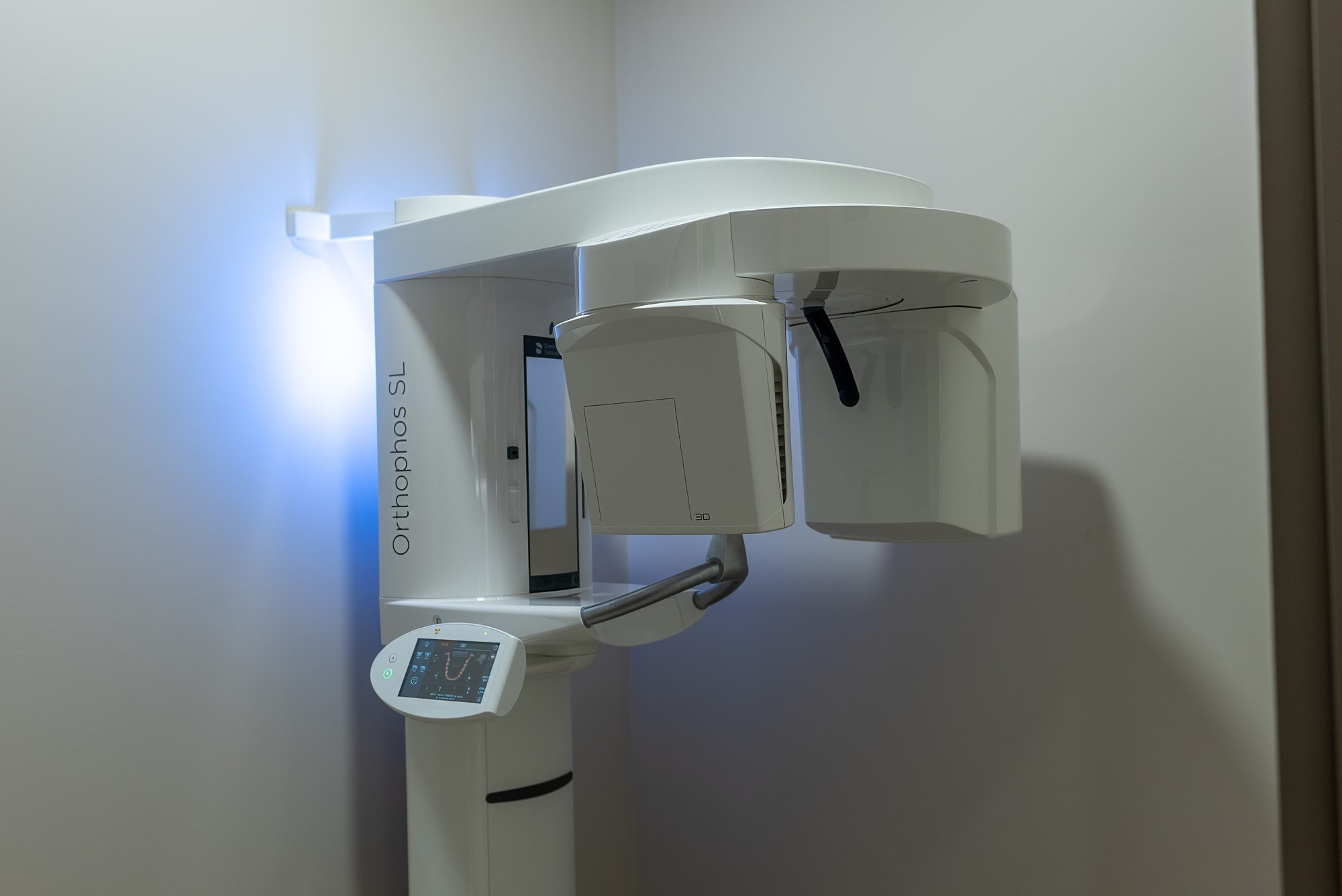
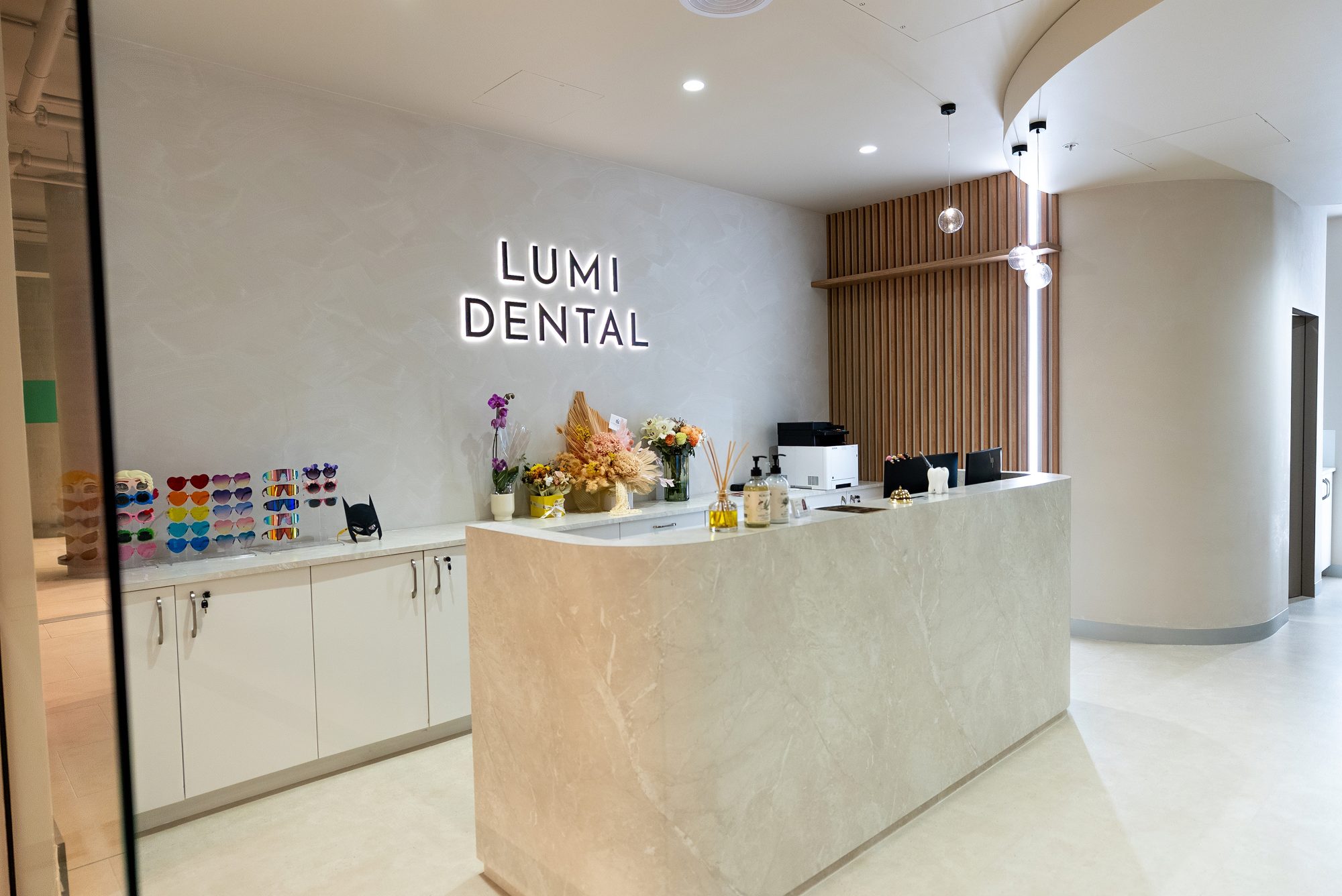
At Lumi Dental, a dentist asks about your hay fever and medicines as part of the check-up, then examines the teeth, gums and soft tissues. When upper back teeth ache, testing individual teeth and X-rays, including 3D imaging when needed, help separate a sinus ache from a tooth problem, and the team will suggest your GP if the sinus looks like the cause. If dryness is showing up as early decay or inflamed gums, the oral health therapists can help with gum therapy and home care. Read more about general dental check-ups at Lumi Dental.
Questions patients ask
Can hay fever make your teeth hurt?
Yes. Swollen sinuses can make several upper back teeth ache at once. If one tooth stays sore after your nose clears, have it checked.
Why is my mouth so dry when I have hay fever?
Usually mouth breathing at night plus allergy medicines. Treating the blocked nose and keeping water by the bed help.
Why does my mouth itch when I eat raw fruit?
It may be oral allergy syndrome, where food proteins resemble pollen proteins. See your GP for assessment, and call 000 if your tongue or throat swells or you have trouble breathing.
Can a steroid nasal spray cause thrush in the mouth?
Nasal sprays act mainly in the nose, and the common mouth complaints listed for them are an unpleasant taste and a dry or sore throat. White patches or soreness in the mouth should still be checked; our article on oral thrush in adults explains the signs.
Does hay fever cause bad breath?
It can. Mouth breathing, a dry mouth and postnasal drip all contribute. Our guide to bad breath causes and treatment covers what else to check.
Book a check-up at Lumi Dental, Melrose Park
If hay fever keeps leaving you with aching upper teeth, a dry mouth or sore gums, a check-up can sort out what is dental and what is not. Book a general check-up at Lumi Dental, see current offers, and ask for a written quote if treatment is recommended. Patients visit from Melrose Park, Ryde, Parramatta, Ermington and Rydalmere, with on-site parking at Melrose Central.
Sources
- Australian Institute of Health and Welfare: Allergic rhinitis (hay fever)
- healthdirect: Pollen allergy
- ASCIA: Oral allergy syndrome, frequently asked questions
- ASCIA: Anaphylaxis
About the author

Dr James Tran is a general dentist at Lumi Dental in Melrose Park. He holds a BDent from the University of Sydney and a Graduate Diploma in Oral Implants, and is a Member of the International Congress of Oral Implantologists (MICOI).
This article is general information only and is not a substitute for an examination and individual advice from a registered dental practitioner. Suitability for any treatment varies from person to person.








