
Plenty of people pay for hospital cover for years and only find out at the front desk that it does nothing for a filling. That is not a fund being difficult. Routine dentistry is claimed through extras cover, which government information calls general treatment, and hospital cover only comes into play when dental surgery has to happen as a hospital admission.
Knowing which side of your policy a treatment falls under, before it is booked, saves an awkward surprise and a confusing phone call halfway through a course of care.
Two separate products under one policy name
Australian private health insurance is sold as two kinds of cover. Hospital cover helps with the costs of being treated as an admitted patient in a hospital or day surgery. General treatment cover, usually marketed as extras, pays benefits towards services outside hospital, and the Australian Government's privatehealth.gov.au site lists dental alongside optical, physiotherapy and pharmacy in that group.
Many people hold both, some hold one, and the name "hospital" can make it sound broader than it is. A clean or a crown is never done as a hospital admission, so hospital cover was never designed to pay for it.
Everyday dentistry is an extras question
Check-ups, scale and cleans, X-rays, fillings, root canal treatment and most extractions are all claimed through extras. Depending on the level of cover, a policy may split dental into general dental and major dental, with major dental covering items such as crowns, bridges and dentures, and orthodontics often sits in its own category again.
Extras benefits are paid within limits. There is usually an annual limit for dental or for a group of services, and sometimes limits per item, so the percentage in an advertisement rarely matches what comes back on a real invoice. Our guide to how dental extras annual limits work and when they reset goes through this in detail.
Hospital cover is for dental surgery that needs an admission
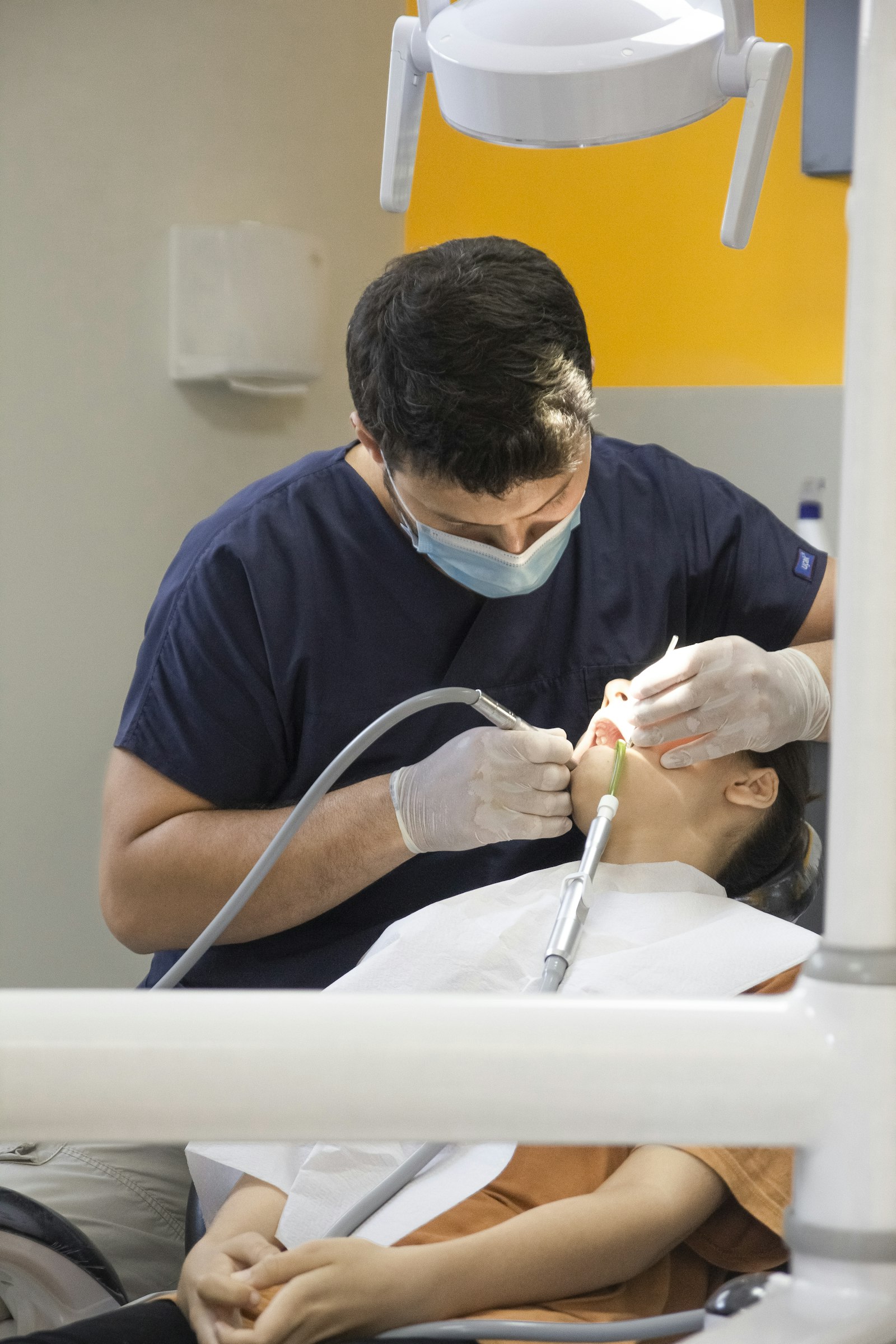
The government's list of hospital clinical categories includes one called dental surgery, described as hospital treatment for surgery to the teeth and gums. It applies when the dental work is done as an admitted patient, usually because it needs to happen under general anaesthetic in a hospital or day surgery.
Situations where that can happen include a young child who needs several treatments at once and cannot manage them in the chair, a person whose medical conditions make treatment in a normal dental setting unsafe, extensive surgery such as complex wisdom tooth removal for some patients, and dental care needed after serious facial injury. In these cases the hospital setting is part of what is clinically needed, not just the dental work.
Two details are worth checking with your fund. Not every hospital policy includes the dental surgery category, so look at your policy's product information. And the hospital's charges and the dentist's own fee may be treated differently, so ask how each part is paid.
Lumi Dental does not provide general anaesthetic. For patients who find treatment difficult, Lumi offers happy gas, inhaled pain relief, oral sedation and IV sedation. These are given in the practice rather than as a hospital admission, so they are not a hospital cover item.
How the two compare
| Situation | Extras (general treatment) | Hospital cover |
|---|---|---|
| Check-up, clean or X-rays | Claimed here, within limits | Not covered |
| Filling or root canal treatment | Claimed here, within limits | Not covered when done in the dental chair |
| Most extractions | Claimed here, within limits | Not covered when done in the dental chair |
| Dental surgery as an admitted patient under general anaesthetic | Does not pay hospital charges | May apply if your policy includes dental surgery |
| How benefits are limited | Annual and per-item limits | Excess, co-payments and waiting periods, depending on the policy |

Hospital-only policies leave routine dental unpaid
Some people hold hospital cover without any extras. That can be a reasonable choice, but it means there is no insurance benefit for check-ups, fillings or most other dentistry, however high the hospital tier. The opposite also holds: generous extras will not pay hospital admission or theatre fees.
The more useful question to ask a fund is not "is dental covered?" but "which part of my policy pays for this specific treatment, and how much is left in my limit?"
Before you book a course of treatment
Start with the treatment plan itself. You will usually receive a written plan after your examination, often by email, with item numbers you can give your fund for a quote. Our guide to understanding your dental treatment plan explains how to read one. Then check how much of your annual limit is left and whether any waiting periods still apply, which we cover in dental insurance waiting periods.
If you have no private cover, or your cover does not stretch far enough, our overview of whether health insurance covers dental in Australia sets out the wider picture, and the guide to payment plans and affording treatment covers the other ways people spread the cost.
Questions about hospital and extras cover
Will my hospital cover pay for a filling?
Almost never. A filling done in the dental chair is an extras item. Hospital cover only relates to dental surgery carried out as an admitted patient.
Is wisdom tooth removal covered by hospital cover?
Only if it is done as a hospital or day surgery admission and your policy includes the dental surgery category. Most wisdom teeth are removed in the dental chair under local anaesthetic, which is claimed through extras.
How do I know which cover my treatment needs?
Ask your dentist whether the treatment can be done in the practice or needs a hospital admission. If it can be done in the practice, it is an extras question.
If you would like to check your cover against a course of treatment, take the item numbers from your treatment plan to your fund. Health fund claims for treatment at Lumi Dental can be made on the spot through HICAPS. Current new-patient offers are on our current deals page. This article is general information only and is not a substitute for advice from your health fund about your specific policy.