



Cleaning dental implants at home takes daily brushing, flossing and, ideally, a water flosser, because while the implant itself can't decay, the gum and bone around it can still develop disease if plaque builds up. A lot of patients assume implants are maintenance-free once they're placed, but the tissue around an implant needs just as much attention as natural teeth, arguably more.
Key Takeaways
- Implants can't get a cavity, but peri-implant disease can still affect the gum and bone around them if plaque isn't removed
- A soft brush, daily flossing and a water flosser on low-to-medium pressure form the core of a good implant routine
- Interdental brushes should be soft and nylon-coated, never bare metal, to avoid scratching the implant surface
- Abrasive whitening toothpaste and hard-bristled brushes can damage the implant crown's surface over time
- Regular professional maintenance visits matter because plaque below the gumline needs professional tools to remove safely
- Poor home care is one of the main risk factors for implant complications down the track
Why Implants Still Need Careful Cleaning
An implant crown itself is made from materials like zirconia or porcelain, which don't decay the way natural tooth enamel does. That leads some patients to assume implants need less care than their other teeth. In reality, it's the tissue around the implant, the gum and the bone underneath, that's still very much at risk.
When plaque builds up around an implant, it can trigger inflammation in the surrounding gum, known as peri-implant mucositis. Left unaddressed, this can progress to peri-implantitis, where the bone supporting the implant starts to break down. This is one of the more common reasons implants run into trouble later on, so daily cleaning really does matter, arguably more than with a natural tooth, since the warning signs can be subtler.
If you want to understand what implant complications actually look like, our article on dental implant failure signs covers the warning signs to watch for, and poor home care is one of the risk factors behind them.
The Daily Cleaning Routine
Brushing
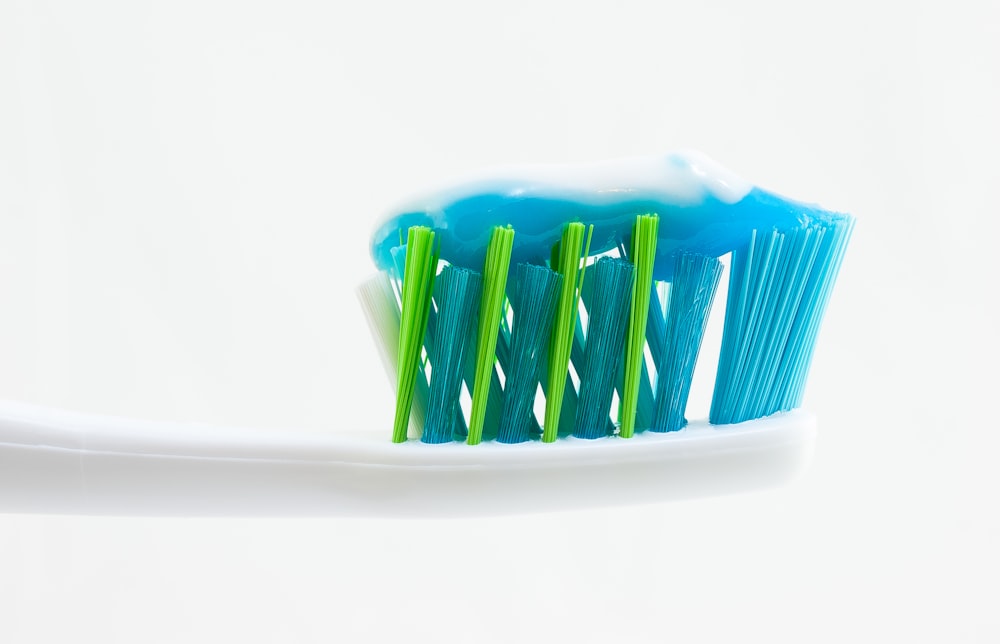
Use a soft, non-abrasive brush and clean around the implant crown and gumline twice a day, the same as you would for natural teeth. Angle the brush gently toward the gumline to disrupt any plaque forming at the base of the crown.
Flossing
Daily flossing is important for reaching under and around the implant crown. Regular floss works for some implants, but a floss threader or a superfine floss designed for implants and bridges can make it easier to get underneath a crown or bridge that's anchored to an implant.
Water Flossers
A water flosser, or oral irrigator, on low-to-medium pressure is genuinely useful for implants. It flushes out debris from around the implant and underneath any bridge or bar in a way that's gentle but effective. Lukewarm water works well, and an antimicrobial rinse can be used instead if your dentist has recommended one.
Interdental Brushes
Small interdental brushes are handy for cleaning between implants or around an abutment. The key detail here is the coating, choose soft, nylon-coated brushes rather than bare metal ones, since metal bristles can scratch the implant or zirconia surface and create rough spots where plaque collects more easily.
What to Avoid
A few common habits are worth steering away from around implants. Abrasive whitening toothpastes, the kind with larger polishing particles, can gradually roughen the surface of an implant crown, giving plaque more places to grip. Hard-bristled brushes have a similar effect and can also irritate the surrounding gum tissue. Bare metal interdental tools or floss picks with metal edges should be avoided for the same reason, they can scratch the crown or abutment surface.
Your Implant Cleaning Routine at a Glance
| Tool | Frequency | Purpose |
|---|---|---|
| Soft, non-abrasive toothbrush | Twice daily | Clean the implant crown and gumline, disrupt surface plaque |
| Floss or floss threader / superfine floss | Once daily | Reach under and around the crown or bridge |
| Water flosser (low-to-medium pressure) | Once daily | Flush debris from around the implant and under bridges or bars |
| Soft, nylon-coated interdental brush | As needed between implants or around an abutment | Clean tight spaces without scratching the implant surface |
| Professional maintenance visit | As recommended by your dentist | Remove plaque below the gumline safely, monitor gum and bone health |
Why Professional Maintenance Still Matters
Even with a good home routine, plaque can build up below the gumline around an implant in places a toothbrush or floss simply can't reach effectively. Professional cleaning tools are designed to remove this safely without damaging the implant surface, and regular check-ups allow your dentist to monitor the gum and bone around the implant for any early changes. This is especially relevant if you're managing other risk factors, our article on dental implants with gum disease covers how periodontal history affects implant care going forward.
How well implants fuse and stay stable in the first place also affects how much care they need long term, if you're curious about that process, see osseointegration and how implants fuse to bone. And if you're wondering whether your implant crown can pick up stains the way natural teeth can, our guide on do dental implants stain or discolour is worth a read too.
Frequently Asked Questions
Can dental implants get cavities?
No, the implant crown itself is made from materials like zirconia or porcelain that don't decay. However, the gum and bone around the implant can still develop disease if plaque isn't removed regularly.
Is a water flosser necessary for implants?
It's not strictly compulsory, but it's genuinely useful. A water flosser on low-to-medium pressure reaches around the implant and under bridges or bars more thoroughly than brushing alone, and many patients find it easier to use consistently than threading floss.
Can I use a normal toothbrush on my implant?
Yes, as long as it's soft and non-abrasive. Avoid hard-bristled brushes, which can irritate the gum tissue around the implant and, over time, roughen the crown's surface.
What is peri-implantitis?
It's a condition where the bone supporting an implant breaks down, usually as a result of ongoing plaque buildup and gum inflammation around the implant that hasn't been addressed. Regular home care and professional maintenance are the main ways to reduce this risk.
How often should implants be professionally checked?
This varies by patient, but your dentist will recommend a maintenance schedule based on your gum health and how your implant is doing. Regular visits allow plaque below the gumline to be removed safely and any early changes to be picked up.
Looking After Your Implant Long Term
Good home care combined with regular professional maintenance gives implants the best chance of staying trouble-free for years. If you have an implant, or you're considering one, the team at Lumi Dental can talk you through a maintenance routine tailored to you, visit dental implants Melrose Park or check our current deals for a complimentary consult.
This article is general information and does not replace an individual dental assessment.

