
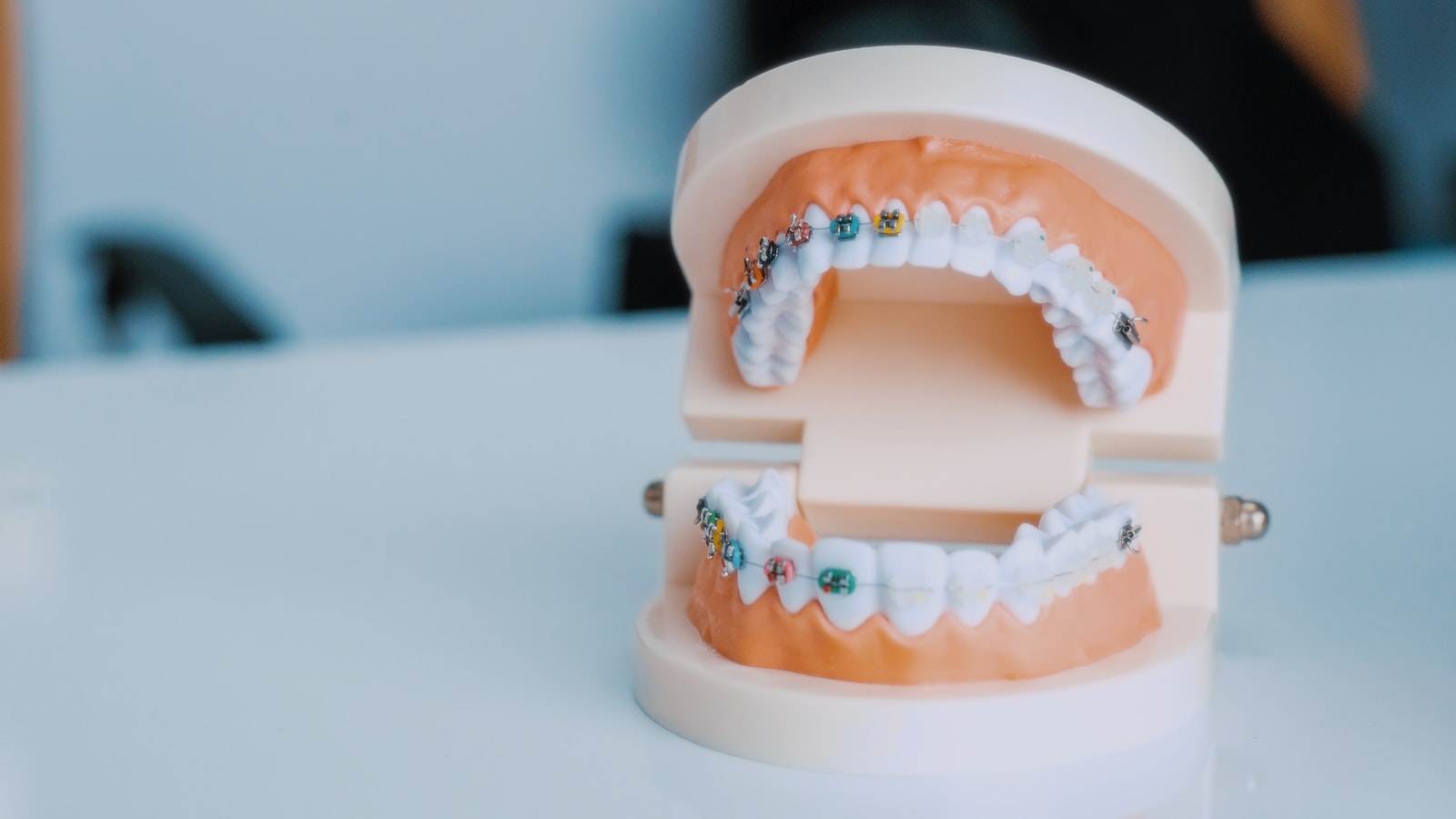

An implant crown typically lasts 10 to 15 years before it needs replacing, and in some cases considerably longer with excellent care and premium materials, while the titanium implant fixture underneath can often last for decades.
Key Takeaways
- An implant has two separate parts: the titanium fixture in the jawbone, and the crown on top. They don't wear out at the same rate.
- Implant crowns typically last 10 to 15 years, and up to 25 years in some cases, while the implant fixture itself can often last a lifetime with good care.
- Needing a new crown does not mean the implant has failed. In most cases, a new crown can be fitted onto the same stable implant.
- Bruxism (teeth grinding) is one of the biggest factors that shortens crown lifespan.
- Zirconia and porcelain-fused-to-metal crowns have different strengths and wear characteristics worth discussing with your dentist.
- Signs a crown needs attention include chipping, a loose feeling, a change in your bite, or gum irritation around the implant.
Two Parts, Two Different Lifespans
It helps to think of a dental implant as having two components that age differently. The implant fixture is the small titanium post placed in the jawbone, and once it has fused with the bone through a process called osseointegration, it's designed to function for many years, often decades, with routine care. The crown, which is the visible tooth-shaped part on top, is a separate piece attached to the fixture, and like any dental restoration, it experiences normal wear from biting, chewing, and everyday use.
This distinction matters because it means a crown reaching the end of its life is a routine, expected part of implant ownership, not a sign that something has gone wrong. In most cases, a new crown can simply be fitted onto the existing implant without disturbing the fixture at all.
Signs Your Implant Crown Needs Attention
| Sign | Possible Cause | Next Step |
|---|---|---|
| Visible chip or crack | Wear, grinding, or biting something hard | Dental review, repair or replacement depending on severity |
| Crown feels loose | A loosened abutment screw, or cement wearing away | Prompt dental check, often a simple tightening or re-cementing fixes it |
| Bite feels different | Wear on the crown surface, or a shift in the opposing teeth | Dental assessment and possible bite adjustment |
| Gum irritation or swelling around the implant | Plaque build-up, or peri-implant inflammation | Professional clean and closer monitoring |
| Persistent bad taste or odour near the implant | Bacterial build-up under or around the crown margin | Dental review, may need a clean or crown adjustment |
What Affects How Long an Implant Crown Lasts
Several factors influence whether a crown lasts closer to ten years or well beyond fifteen.
Grinding and clenching
Bruxism places significant repeated force on a crown's surface, and is one of the most common reasons crowns wear down or chip earlier than expected. A night guard is often recommended for patients who grind, whether or not they have implants.
Crown material
| Material | Typical Lifespan | Notes |
|---|---|---|
| Porcelain-fused-to-metal (PFM) | Around 10 to 15 years | Strong and aesthetic, though the porcelain layer can chip over time |
| Zirconia | Often 15 years or more, up to 25 with good care | Very durable and resistant to chipping, a popular modern choice |
| All-ceramic (non-zirconia) | Around 10 to 15 years | Excellent natural appearance, slightly less impact resistant than zirconia |
General cost for replacing an implant crown in Australia typically ranges from around $1,000 to $3,000, depending on the material chosen and complexity of the case. That's a broad market range rather than a fixed figure, since individual quotes vary. If you're comparing your options more broadly, our guides on titanium vs zirconia implants and general dental implant costs in Sydney go into more detail.
Hygiene and maintenance
Just like natural teeth, implant crowns need regular brushing, cleaning around the margins, and professional check-ups. Poor hygiene around an implant can lead to peri-implant disease, which affects the gum and bone supporting the fixture rather than the crown itself, and is a separate issue worth catching early.
The Replacement Process
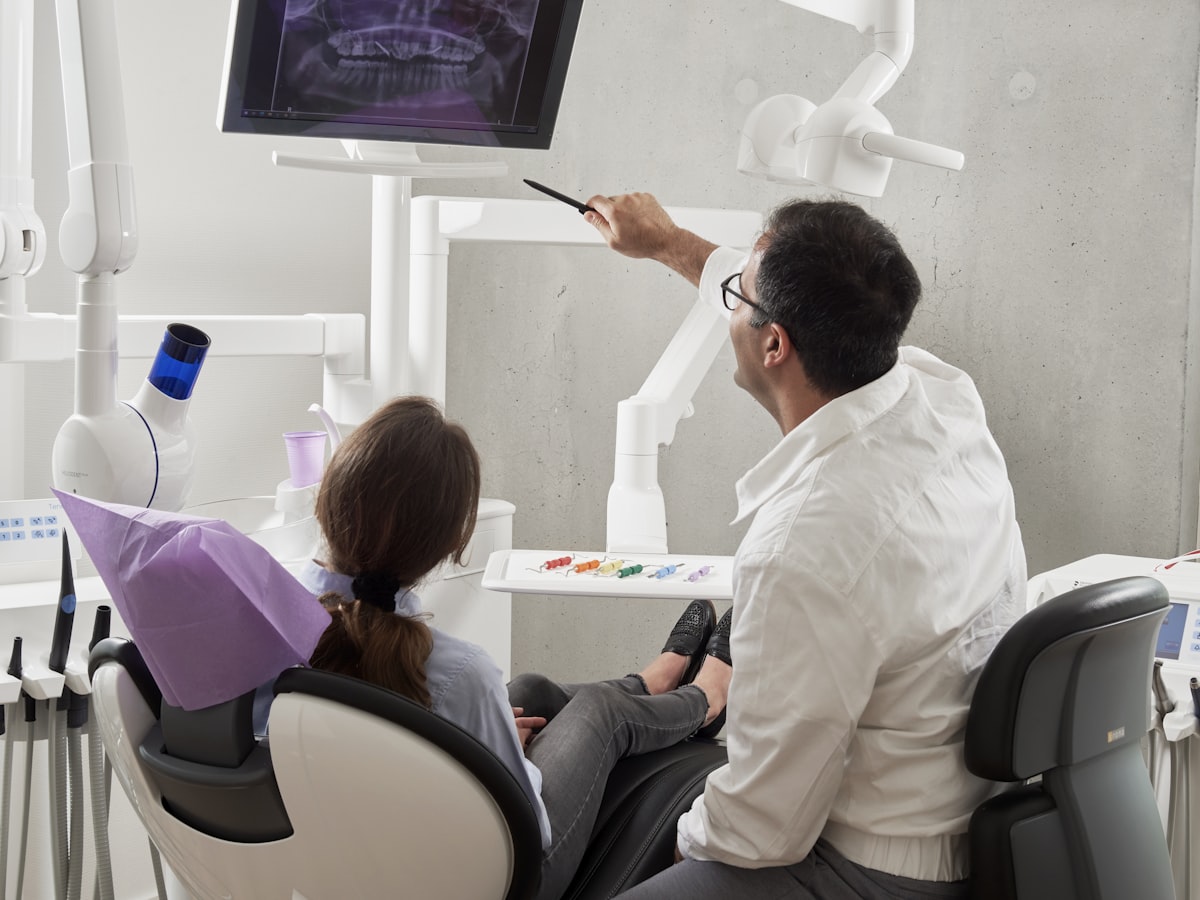
Replacing an implant crown is generally more straightforward than the original implant placement, since the fixture is usually already integrated and stable. The typical steps involve assessing the implant and surrounding gum and bone with an X-ray, removing the old crown, taking an impression or digital scan, and fitting the new crown, sometimes with a temporary in between visits. If the abutment (the connector piece between the implant and crown) also needs replacing, that adds a step but is still usually a comfortable, well tolerated procedure.
In rare cases where an X-ray shows bone loss or an issue with the implant fixture itself, further assessment is needed before deciding on the best path forward. This is uncommon, but it's exactly why periodic reviews matter, similar to the considerations covered in our article on decay under a dental crown, where catching a problem early tends to make treatment simpler.
Frequently Asked Questions
Does needing a new crown mean my implant has failed?
No, in most cases the implant fixture remains healthy and stable while only the crown on top needs replacing. Implant failure is a separate and much less common issue.
How do I know if my implant crown needs replacing?
Watch for chipping, looseness, a change in how your bite feels, or gum irritation around the implant. Regular dental check-ups will also pick up wear before it becomes a bigger issue.
Can an implant crown be repaired instead of replaced?
Small chips can sometimes be smoothed or repaired, depending on the extent of the damage and the material. More significant wear or damage usually calls for a full replacement.
Is replacing an implant crown painful?
The process is generally well tolerated, similar to having a regular crown fitted, since it doesn't usually involve the implant fixture or surrounding bone.
How long does the replacement process take?
It typically takes a couple of appointments, one to assess and prepare, and another to fit the new crown, though this can vary depending on whether a custom crown needs to be made off-site.
If your implant crown feels different, looks worn, or it's simply been a while since it was reviewed, it's worth having it checked. The Lumi Dental team can assess the implant and crown together and talk through your options. Book a complimentary consult through our dental implants page or get in touch via our contact page.


