

The one thing that decides whether a titanium or zirconia dental implant is right for you: where in your mouth the tooth is, and how thin or thick your gum tissue is. Both titanium and zirconia dental implants are biocompatible and can deliver excellent long-term results, but they suit slightly different situations.
Key Takeaways
- Titanium implants have the longest clinical track record, with long-term studies commonly showing success rates above 95% over 10 or more years.
- Zirconia implants are tooth-coloured, which some patients and dentists prefer for front-tooth aesthetics, especially with thin gum tissue.
- Titanium's metallic grey colour can occasionally show through thin gum tissue at the front of the mouth in some patients.
- Zirconia does not corrode or discolour over time and will not trigger the rare metal sensitivities some patients have.
- Zirconia implants commonly cost more than titanium, reflecting higher material and lab costs.
- Gum thickness, bite forces and the tooth's position typically drive the recommendation more than material choice alone.
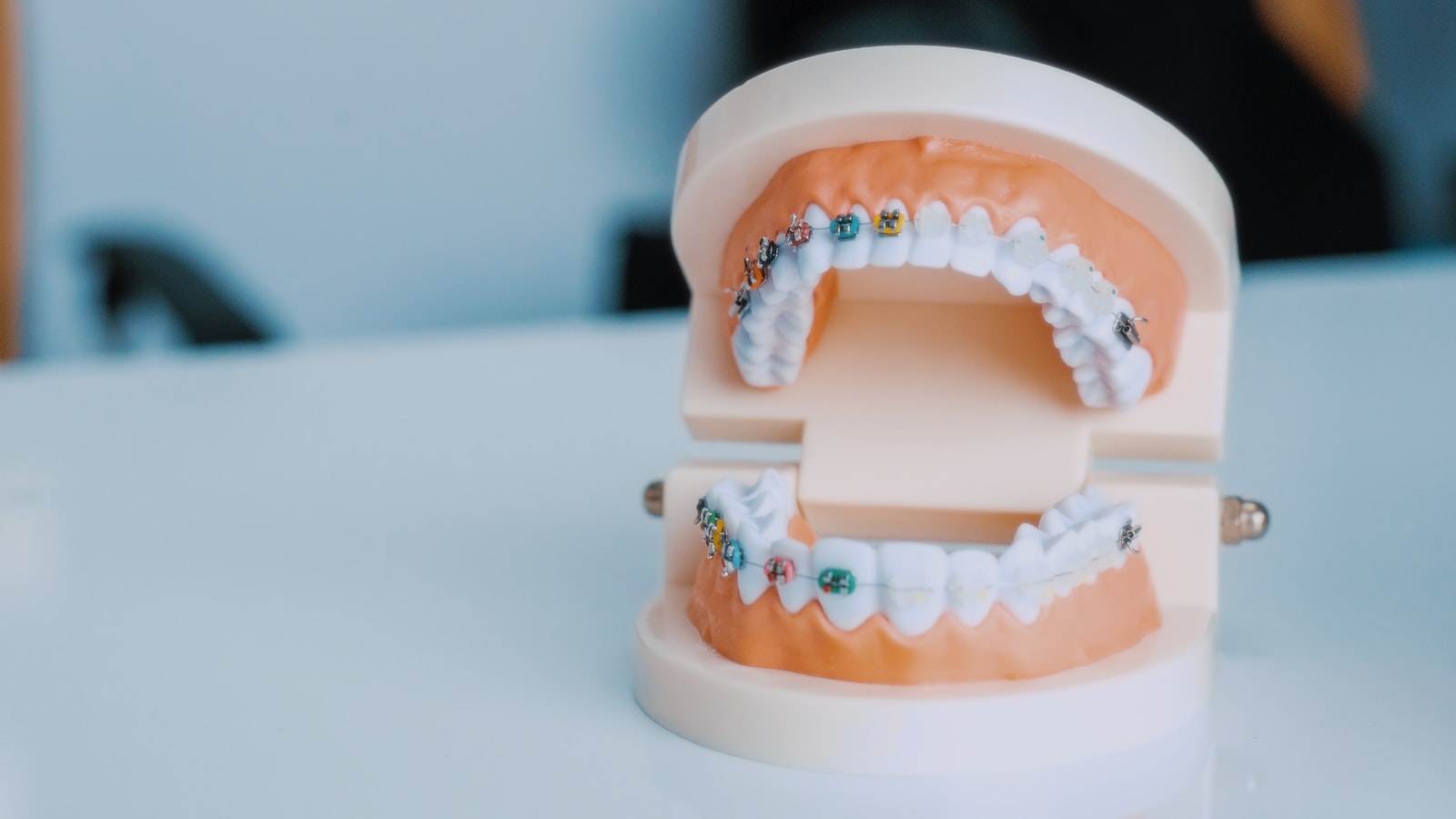
Titanium dental implants
Titanium is the long-established standard for dental implants and is commonly the default recommendation. It has decades of clinical research behind it, and long-term studies commonly report success rates above 95% over 10 or more years, with many implants lasting a lifetime when looked after well. Titanium is very strong, integrates reliably with bone, and has an extensive track record across a huge range of clinical situations.
The main aesthetic consideration is that titanium has a metallic grey colour. In most patients, this is completely hidden by the crown and surrounding gum. In some patients with naturally thin gum tissue, particularly at the front of the mouth, a faint grey shadow can occasionally show through, which is one reason some dentists consider zirconia for highly visible front teeth in patients with thin gums.
Zirconia dental implants
Zirconia is a metal-free ceramic alternative, usually costing more than titanium. It is tooth-coloured or white, which some patients and dentists prefer for front-tooth aesthetics, especially where gum tissue is thin and a grey shadow would be more noticeable. Zirconia does not corrode or discolour over time, and because it is not a metal, it will not trigger a reaction in the rare patients who have a genuine titanium or metal sensitivity.
Zirconia is also very hard and resistant to fracture. It generally has a shorter clinical track record than titanium, simply because it is a newer material in implant dentistry, though the research base has been growing steadily.
Comparing titanium and zirconia implants
| Feature | Titanium | Zirconia |
|---|---|---|
| Track record | Decades of long-term data, the established standard | Newer material, shorter track record |
| Colour | Metallic grey, can rarely show through thin gum | Tooth-coloured, preferred by some for front teeth |
| Strength | Very strong, extensive clinical use | Very hard and fracture resistant |
| Metal sensitivity | Very rare reactions reported | Metal-free, suits patients with metal sensitivity |
| Corrosion or discolouration | Extremely low risk over time | Does not corrode or discolour |
| Typical cost | Generally lower | Usually costs more, reflecting material and lab costs |
| Healing time | Typically around 3 to 6 months | Similar, sometimes a somewhat longer or more conservative protocol |
Healing and integration time
For both materials, the implant needs to fuse with the jawbone in a process called osseointegration before a crown can be fitted. This typically takes around 3 to 6 months for both titanium and zirconia once integration is well underway, though zirconia is sometimes managed with a somewhat longer or more conservative healing protocol in current practice, depending on the individual case and clinical judgement at the time.
You can read more about how this process works in our guide to osseointegration and how dental implants fuse to bone.
What actually decides which material suits you
Both titanium and zirconia are biocompatible and both can deliver reliable, long-lasting results. In practice, the choice usually comes down to factors specific to you, more than a general preference for one material over the other:
- Where the tooth is. Front teeth with thin gum tissue are where colour becomes more relevant. Back teeth, hidden from view and under higher bite forces, often favour titanium's long track record and strength.
- Gum thickness. Thicker gum tissue tends to mask the implant colour regardless of material, reducing the aesthetic difference between the two options.
- Bite forces. Where you chew hardest can influence which material and implant design is recommended.
- Personal factors. A known metal sensitivity, or a strong preference for a metal-free option, may point toward zirconia.
Individual anatomy varies considerably from person to person, so this comparison is general information rather than a recommendation for your specific case. An in-person assessment, including imaging of your bone and gum tissue, is needed to work out which material and approach suits you.
Cost considerations
Zirconia implants commonly cost somewhat more than titanium, often in the order of 20 to 40 percent more, or several hundred to over a thousand dollars more per implant, reflecting the higher cost of the material and the lab work involved. Titanium remains the long-established standard and is commonly the default recommendation on cost grounds as well as track record. For general cost expectations, see our dental implant cost guide, and if you are weighing implants against other options, our comparison of implants vs bridges vs dentures covers the alternatives.
Frequently asked questions
Are zirconia implants better than titanium?
Neither is universally better. Titanium has the longer track record and is commonly the default choice, while zirconia suits some patients better for aesthetic or metal sensitivity reasons. The right choice depends on your individual situation.
Do titanium implants show through the gum?
In most patients, no, because the crown and gum tissue cover the implant fully. In patients with naturally thin gum tissue at the front of the mouth, a faint grey shadow can occasionally be visible, which is one reason zirconia is sometimes considered for these cases.
Can I be allergic to a titanium implant?
True titanium allergy is rare. Patients with a known or suspected metal sensitivity may prefer a metal-free zirconia implant, and this can be discussed at your assessment.
Is zirconia as strong as titanium?
Zirconia is very hard and resistant to fracture. Titanium has a longer track record across a wider range of clinical situations and bite forces. Both can be suitable depending on where the implant is placed.
How long do dental implants last?
Long-term studies commonly show titanium implant success rates above 95 percent over 10 or more years, and many implants last a lifetime with good care and maintenance. Individual results vary based on oral hygiene, gum health and other factors.
Find out which option suits you
Choosing between titanium and zirconia comes down to your own anatomy and goals, which is why an in-person assessment matters more than a general rule. The team at Lumi Dental offers a consultation to talk through your options and current offers, available at dental implants Melrose Park and current deals. For more on caring for implants long term, see our guides on how to clean dental implants and dental implant aftercare and maintenance.


