

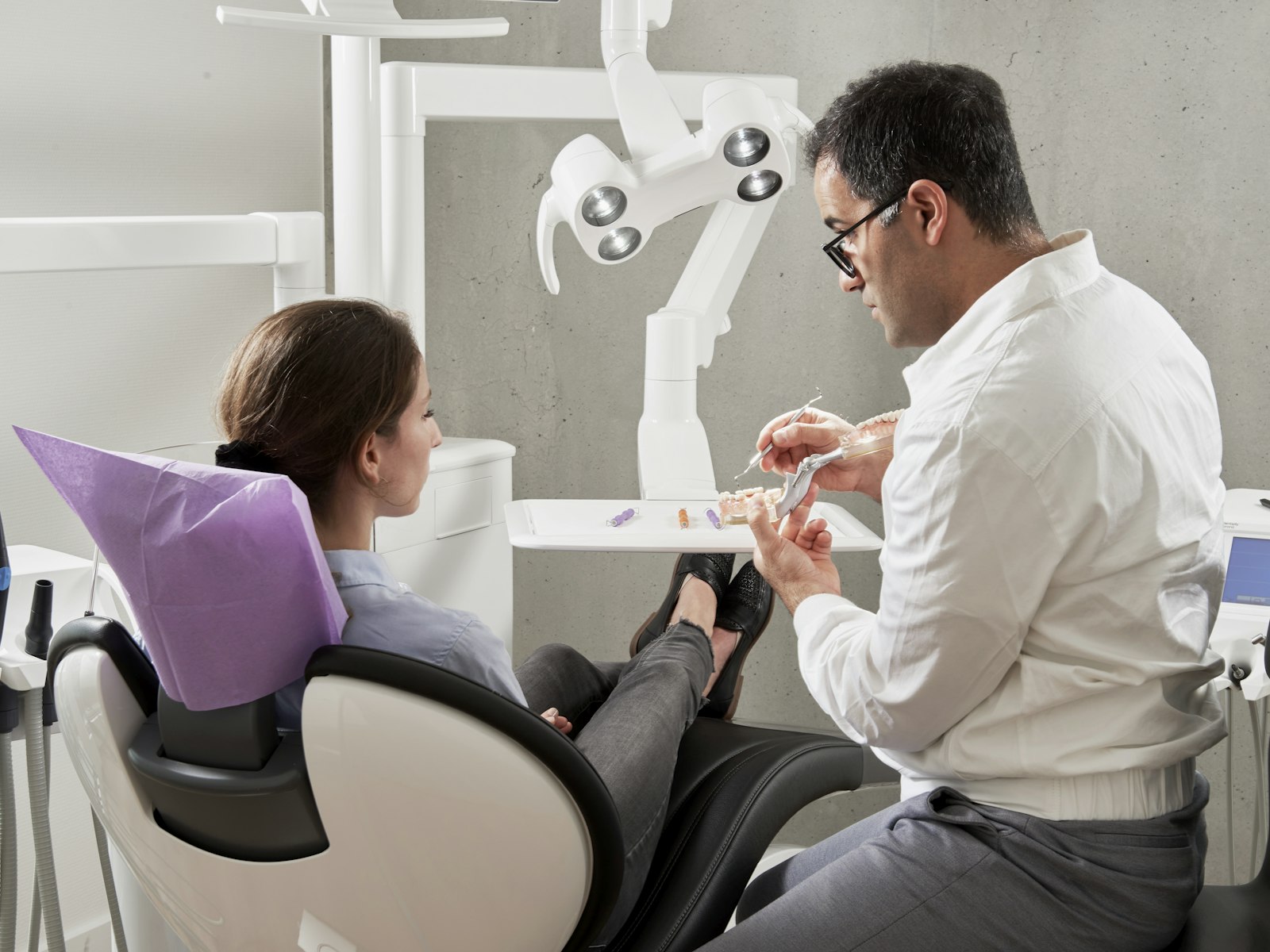

Wearing an insulin pump does not usually change what a dentist can do, but it can change how an appointment is planned. Around 1 in 20 Australians lives with diabetes, and a growing number manage it with a pump rather than injections, so dental teams are increasingly used to working around one. A little preparation on timing and communication makes for a smoother visit.
Key Takeaways
- You generally do not need to disconnect your insulin pump for routine dental treatment.
- Appointment timing around your basal and bolus dosing can make a real difference to comfort and blood glucose stability during longer procedures.
- Dental teams are trained to recognise and manage hypoglycaemia chairside, but telling them you use a pump helps them watch for early signs.
- Electromagnetic interference from ultrasonic scalers is considered low risk for most modern pumps, though electrosurgery is a general device-safety caution worth mentioning.
- Bring your pump's emergency contact details and let the team know your typical glucose pattern for the time of day of your appointment.
Do you need to disconnect the pump for treatment?
For the great majority of dental procedures, from a check-up to a filling to a routine extraction, there is generally no need to disconnect an insulin pump. The pump can typically stay in place and continue basal delivery as normal throughout the appointment. Disconnection is more of a discussion for longer surgical procedures under sedation or general anaesthetic, and in those cases it is a decision made together with your endocrinologist or diabetes team, not something to decide unilaterally before a routine dental visit.
Why appointment timing matters
Blood glucose control can be affected by the stress of a dental visit, by fasting instructions if any are given, and by the length of the appointment itself. Many patients and dental teams find that mid-morning appointments work well, after a normal breakfast and morning bolus, since this avoids both the early-morning glucose swings some pump users experience and the risk of a long gap without food before an afternoon slot. If your appointment is likely to run long, such as multiple fillings in one visit, it is worth mentioning this when booking so the team can plan a suitable time and, if needed, a short break partway through.
Recognising and managing hypoglycaemia chairside
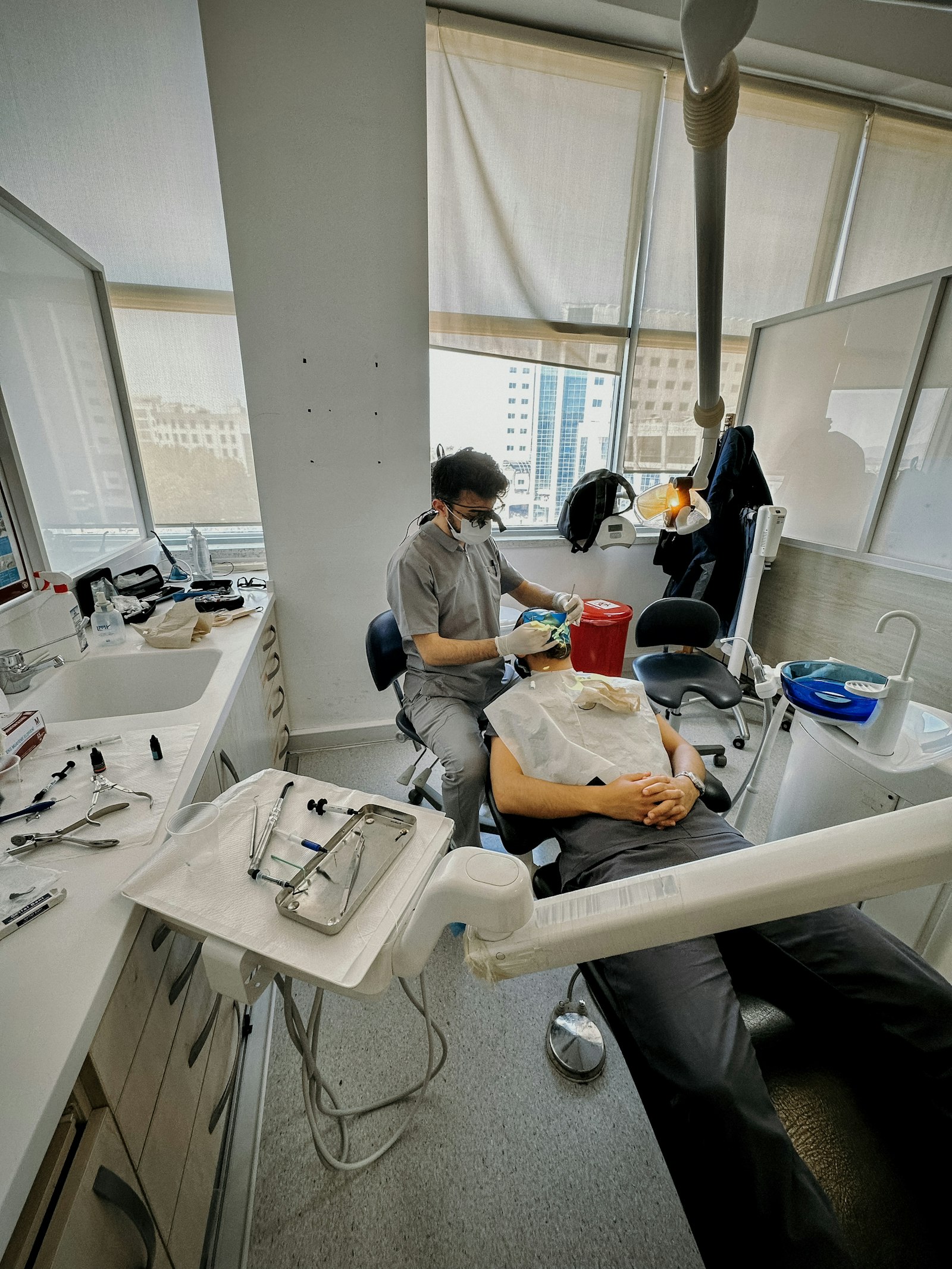
Dental teams are trained to recognise the signs of low blood glucose, which can include sweating, shakiness, confusion, irritability or sudden pallor. If you feel any of these signs during treatment, say so immediately, even mid-procedure. Most practices keep a fast-acting glucose source on hand, and treatment can simply pause while you recover. Telling the team in advance that you use an insulin pump means they are watching for these signs proactively rather than reactively, particularly during a longer appointment.
Electromagnetic interference: a plain look at the risk
Patients sometimes ask whether the electrical equipment used in a dental surgery could interfere with an insulin pump. For the ultrasonic scalers and electric handpieces used in routine dental work, the risk is generally considered low for modern insulin pumps at normal working distances. The one general device-safety principle worth knowing, consistent with guidance for other electronic medical devices, is that monopolar electrosurgery or electrocautery equipment used in some oral surgery procedures is treated with more caution around any implanted or worn electronic device, including insulin pumps. This is rarely relevant to a standard filling or clean, but it is a reasonable thing to mention if a more involved surgical procedure is being planned.
What to bring and what to tell the team
Bring your pump's supply kit or spare consumables if your appointment falls near a scheduled site change, along with details of your usual basal rate and any recent glucose trends. It is also useful to mention whether you are type 1 or type 2, since the day-to-day management pattern differs, and whether you have had any recent hypoglycaemic episodes. None of this needs to be a lengthy conversation, a short note at check-in is often enough for the clinical team to plan appropriately.
Type 1 and type 2 in brief
Insulin pumps are used by both type 1 and type 2 diabetes patients, though they are more common in type 1 diabetes given the need for continuous basal insulin. The dental precautions above apply broadly to both groups, though your own glucose pattern, medication regimen and hypoglycaemia risk will be specific to you and your treating team, so individual advice from your endocrinologist or diabetes educator should always take priority over general guidance like this.
Diabetes management and long-term oral health
Using an insulin pump is one part of a broader diabetes management plan, and well-controlled blood glucose over time is generally linked to better gum health and fewer complications overall. Poorly controlled diabetes, regardless of whether it is managed by pump, injections or tablets, can make gums more prone to inflammation and slower to heal after dental treatment such as a clean, filling or extraction. This is not a reason for concern at a single appointment, but it is part of why your dental team may ask about your recent glucose control alongside routine questions about brushing and flossing, since the two are connected in ways that go beyond appointment-day logistics. Regular dental check-ups also give your dentist an early opportunity to flag gum changes that sometimes accompany shifts in glucose control, which can be a useful cross-check alongside your usual diabetes monitoring.
Frequently asked questions
Can I keep my insulin pump connected during a filling or clean?
Yes, for routine treatment there is generally no need to disconnect your pump. It can stay in place and continue delivering insulin as normal.
What time of day is best for a dental appointment with an insulin pump?
Many patients find mid-morning appointments, after a normal breakfast and bolus, work well, though this varies by individual. Discuss timing with your dental team if you have a strong preference based on your own glucose pattern.
Will the dental team notice if my blood glucose drops during treatment?
Dental teams are trained to watch for signs of hypoglycaemia such as sweating, shakiness or confusion, and treatment can pause immediately if needed. Telling them about your pump in advance helps them stay alert to this.
Does the ultrasonic scaler interfere with an insulin pump?
This is generally considered low risk for modern pumps at normal working distances. If you have specific concerns about your pump model, your pump manufacturer or diabetes team can confirm.
Should I eat before a dental appointment if I use an insulin pump?
Generally yes, keeping to your normal eating and dosing pattern is usually recommended unless your dental team has given specific fasting instructions for a procedure, in which case discuss adjustments with your diabetes team beforehand.
Do I need to tell my dentist I have diabetes if I already mentioned the pump?
Yes, it is worth being specific, since diabetes itself affects healing, gum health and infection risk in ways separate from the pump device, and your dental team will want the full picture.
Does using an insulin pump affect my risk of gum disease?
The pump itself does not directly affect gum health, but overall blood glucose control, however it is managed, is linked to gum disease risk generally. Keeping up with regular dental visits and good oral hygiene remains important alongside your diabetes management.
If you manage your diabetes with an insulin pump and have a dental visit coming up, the team at Lumi Dental can talk through appointment timing and what to expect. For current new patient offers, see our current deals. You may also find our guides to diabetes and gum disease, dry mouth and xerostomia and overcoming dental anxiety useful as you prepare for your appointment.

