


Yes, Invisalign and other clear aligners can often be used when you have one or more missing teeth, either by gently closing the gap so neighbouring teeth shift together, or by holding the space open with a tooth-shaped pontic built into the aligner tray while you plan for an implant or bridge. Which approach makes sense depends on how many teeth are missing, where the gaps sit, and how complex the rest of your bite is. A proper assessment is the only way to know which lane you fall into, but understanding the options first makes that conversation more useful.
Key Takeaways
- Clear aligners can close small to moderate gaps left by a missing tooth by shifting the neighbouring teeth together.
- Some aligner systems can hold a gap open using a pontic, a false tooth shape moulded into the tray, while you wait for a permanent implant or bridge.
- Attachments (small tooth-coloured bumps bonded to your teeth) give aligners extra grip when there are fewer teeth to anchor onto.
- Cases with many missing teeth or complex bite problems are often better suited to traditional braces, which can apply more targeted force.
- This is a different question to whether braces suit missing teeth generally. If you want that broader comparison, see our article on braces with missing teeth.
Two ways clear aligners handle a missing tooth
When a tooth is missing, whether from extraction, an accident, or a tooth that never developed, there are broadly two directions treatment can go, and clear aligners can be built around either.
Space closure. If the gap is small to moderate and your bite allows it, aligners can gradually move the teeth either side of the gap toward each other, effectively closing it. This avoids the need for a future implant or bridge altogether, but it only works well when there is enough room in the arch and the surrounding teeth and bite can accommodate the shift without creating new problems.
Space holding with a pontic. If you plan to fill the gap permanently with a dental implant or bridge later, closing the space is not the goal. Instead, some aligner systems build a pontic, a tooth-shaped piece of resin or moulded material, into the tray where the missing tooth would sit. This keeps the gap visually filled during treatment and stops neighbouring teeth from drifting into the space, which preserves the exact amount of room a future implant will need.
| Approach | Best suited to | What happens to the gap | Follow-up needed |
|---|---|---|---|
| Space closure with aligners | Single small to moderate gaps with enough arch room | Gap closes permanently as neighbouring teeth shift together | Usually a retainer only, no implant or bridge required |
| Space holding with a pontic | Gaps that will be filled with an implant or bridge later | Gap stays open at the correct width, temporarily filled by a false tooth in the tray | Implant or bridge placement after aligner treatment finishes |
| Traditional braces | Multiple missing teeth, larger gaps, or complex bite issues | Can either close or hold space, with more targeted control over difficult movements | Retainer, plus implant or bridge if space is held rather than closed |
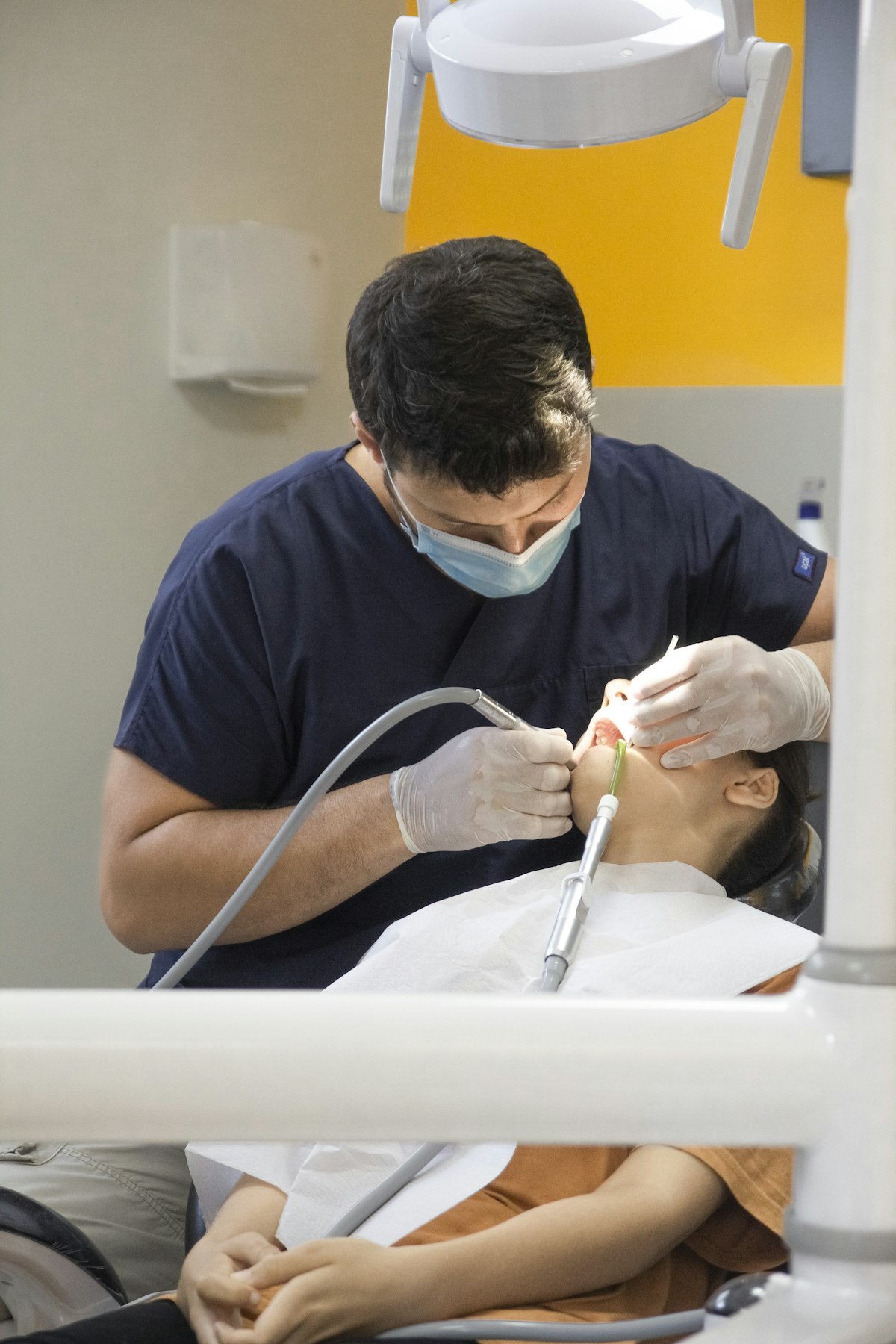
Aligner attachments and buttons when tooth count is reduced
Aligners rely on grip to move teeth predictably, and a missing tooth means there is one less anchor point to work with. To make up for this, your dentist may add small, tooth-coloured attachments (sometimes called buttons) bonded onto specific teeth. These give the aligner tray something to grab onto for more controlled, three-dimensional movement, similar to how a bracket gives a wire something to push against in braces.
With fewer natural teeth in the arch, attachments become more important, not less, because there is less surrounding structure for the aligner to rely on for stability. This is one of the details a treating dentist checks carefully when planning aligner treatment around missing teeth.
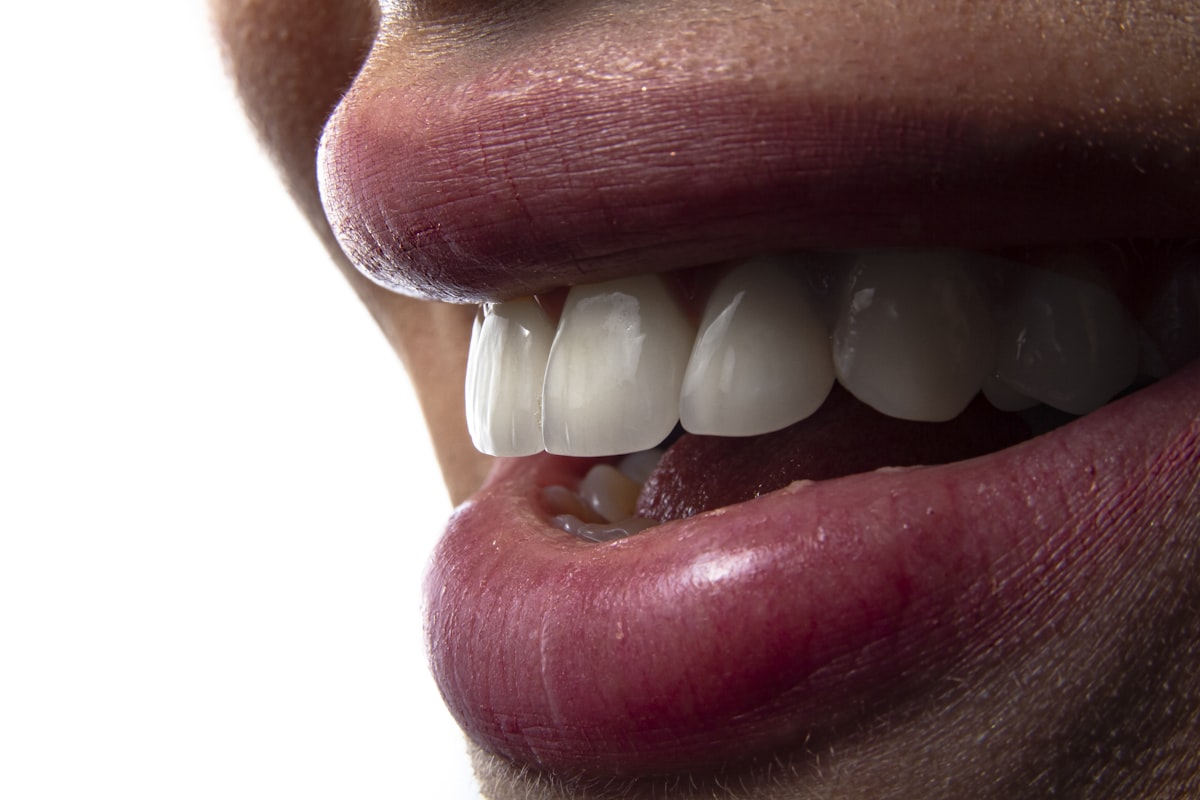
When braces suit missing-tooth cases better than aligners
Aligners are not the right tool for every missing-tooth situation. Traditional braces tend to be recommended instead when:
- Several teeth are missing across the arch, not just one.
- The gaps are large, requiring significant tooth movement to close or manage.
- There is a complicated bite problem alongside the missing tooth, such as a significant overbite, crossbite, or crowding.
- Root movement needs to be more precise than aligners can reliably achieve, since fixed appliances generally offer more direct control over how a tooth's root tips and rotates.
None of this means aligners are off the table for more complex cases altogether. It usually comes down to what the assessment shows and what result you are after. For a broader look at how the two options compare outside of missing-tooth scenarios, see our guide on Invisalign vs braces for adults.
Why a proper assessment matters before choosing
Photos and a quick look in the mirror will not tell you which category you fall into. A proper assessment, including a look at the bite, the width of the gap, the health of the surrounding gum and bone, and your long-term plan for the space (closing it versus filling it with an implant or bridge), is what actually decides whether aligners, aligners with a pontic, or braces make the most sense. If an implant is part of the long-term plan, it is also worth understanding how implants integrate with the jawbone over time, which our article on osseointegration and dental implants explains in more detail. If you're weighing an implant against a bridge or partial denture for the permanent fix, our comparison of dental bridges vs partial dentures is a useful next read.
Common Questions
Can Invisalign-style aligners replace a missing tooth permanently?
No. A pontic built into an aligner tray is a temporary, cosmetic space-holder worn during treatment. It is not a permanent replacement tooth. A permanent solution, such as an implant or bridge, is fitted separately once aligner treatment is complete.
How many missing teeth can aligners handle?
There is no fixed number, since it depends on which teeth are missing and how much work the rest of your bite needs. A single missing tooth is often straightforward for aligners to manage. Multiple missing teeth, especially if spread across the mouth, more often point toward braces or a combined treatment plan.
Will closing the gap with aligners affect my bite?
It can, which is exactly why a full assessment is done first. Moving teeth to close a gap changes how your upper and lower teeth meet, and your dentist will check that the resulting bite is stable and comfortable before recommending this path.
Is a pontic tooth in an aligner tray noticeable?
Pontics are made in tooth-coloured materials designed to blend in, so most people find them far less noticeable than an open gap. They are generally a cosmetic improvement during treatment rather than a distraction.
Do I need a dental implant before I can start aligner treatment?
No, it is usually the other way around. Aligners with space holding are often used before the implant is placed, so that the gap stays the right width and shape for the implant to be fitted afterward.
What happens to the attachments once treatment finishes?
Attachments are removed at the end of treatment. They are a temporary aid bonded to the tooth surface during aligner wear and do not leave any lasting mark once polished off.
If you are missing one or more teeth and wondering whether clear aligners are an option, the team at Lumi Dental can assess your bite and talk you through space closure versus space holding. Check current offers or find out more about clear aligners at Lumi Dental.
This article is general information and doesn't replace an individual dental assessment.


