



Research on women undergoing IVF has found a real, measurable increase in gum inflammation during a stimulation cycle, and it tends to be more pronounced in women who already had some gum inflammation beforehand. This is not a reason to worry, and it does not mean your fertility treatment is being undermined by your teeth. It is simply a hormonal effect worth knowing about, the same way pregnancy gingivitis is a known and manageable part of pregnancy for many women.
Key Takeaways
- IVF medications create a short-term, superphysiological hormone environment, particularly elevated estrogen and progesterone, that can heighten how your gums react to plaque.
- Clinical studies have recorded a statistically significant rise in gingival inflammation during IVF cycles, more so in women who already had some gum inflammation going in.
- This mirrors, on a smaller and temporary scale, the pregnancy gingivitis effect many women experience later.
- Chronic gum inflammation has been studied as one of several factors in broader fertility-related inflammation research, but gum disease does not on its own cause infertility, and treating it is not a fertility fix.
- A dental check-up and clean before starting a cycle is one of the more useful things you can do for your gums during treatment.
- Bleeding or swollen gums noticed during a cycle are common and treatable, not something to panic about.
How IVF medications affect your gum tissue
Ovarian stimulation medications used in IVF are designed to produce multiple mature follicles in a single cycle, which means hormone levels, particularly estrogen, run well above what a natural monthly cycle produces. Gum tissue has hormone receptors and responds to these shifts. When estrogen and progesterone rise, blood flow to the gums increases and the tissue becomes more reactive to the bacteria in plaque that is already there. The plaque itself has not changed, but the gum's inflammatory response to it has, which is why bleeding and puffiness can appear or worsen even in women who keep up a consistent hygiene routine.
This is a temporary, cycle-related effect rather than a sign that anything has gone wrong with your oral hygiene. It settles once hormone levels return to baseline after the cycle.
What the research actually shows
Clinical studies following women through an IVF cycle have measured gingival inflammation before ovarian stimulation and again during it. One clinical study found the proportion of women showing gingival inflammation rose sharply over the course of stimulation, and the increase was considerably larger in women who already had some gingivitis beforehand. A related study measuring bleeding on probing in women with pre-existing periodontitis found a similar pattern, with a marked increase in bleeding sites during the IVF cycle compared with before it started. Some research has also linked higher levels of the hormones used in stimulation, including FSH and estrogen, with higher rates of gingival bleeding.
The consistent finding across this research is that the effect is real and measurable, but it is a temporary amplification of existing gum sensitivity, not a new disease process, and it is more noticeable in women who had some gum inflammation to begin with. That is exactly why a clean beforehand matters: less starting inflammation appears to mean a smaller hormonal amplification during the cycle.
IVF-related gum changes compared with pregnancy gingivitis
| IVF-related gingival changes | Pregnancy gingivitis | |
|---|---|---|
| Hormone driver | Superphysiological estrogen and progesterone from stimulation medication | Naturally rising estrogen and progesterone across pregnancy |
| Typical timing | During the stimulation phase of a single cycle, days to a few weeks | Often starts around the second month and can persist through pregnancy |
| Duration | Settles once the cycle ends and hormones return to baseline | Usually improves after birth as hormones normalise |
| What helps | Pre-cycle clean, consistent gentle hygiene through stimulation | Regular cleans through pregnancy, consistent home hygiene |
Is there actually a link between gum health and fertility?
It is worth being careful here, because this is an area where headlines tend to run ahead of the evidence. Chronic gum inflammation has been studied as part of broader research into systemic inflammation and its relationship to fertility, and some researchers have proposed that ongoing inflammatory load could be one of several contributing factors in a complex picture. This is different from saying gum disease causes infertility, and no research supports treating gum disease as a fertility treatment. Gum health is worth attending to because gum disease affects your gums, your teeth, and your general health in its own right, not because it promises to change your fertility outcome. If you are already managing gum concerns going into a cycle, our guide to pregnancy gingivitis covers the same hormonal mechanism in more detail for the trimesters ahead, and our overview of gum disease and pregnancy outcomes explains what the evidence does and does not show about that connection.
Before your cycle starts: get a check-up and clean
The most useful single step is a dental check-up and professional clean before ovarian stimulation begins. This does a few things: it identifies and treats any existing gingivitis or gum inflammation so there is less baseline inflammation for hormones to amplify, it clears the plaque and any hardened tartar that feeds ongoing inflammation, and it gives you a clean slate to maintain through the cycle with your normal home routine. If you know you are starting a cycle in the coming weeks or months, booking this early rather than in the days right before stimulation gives your gums time to settle.

During the cycle: keeping up when brushing feels different
Some women find their gums feel more tender or bleed more easily once stimulation starts, which can make brushing and flossing feel uncomfortable enough to want to ease off. Easing off is usually the wrong instinct, since reduced plaque removal on already-sensitive gums tends to make the inflammation worse rather than better. A few adjustments help:
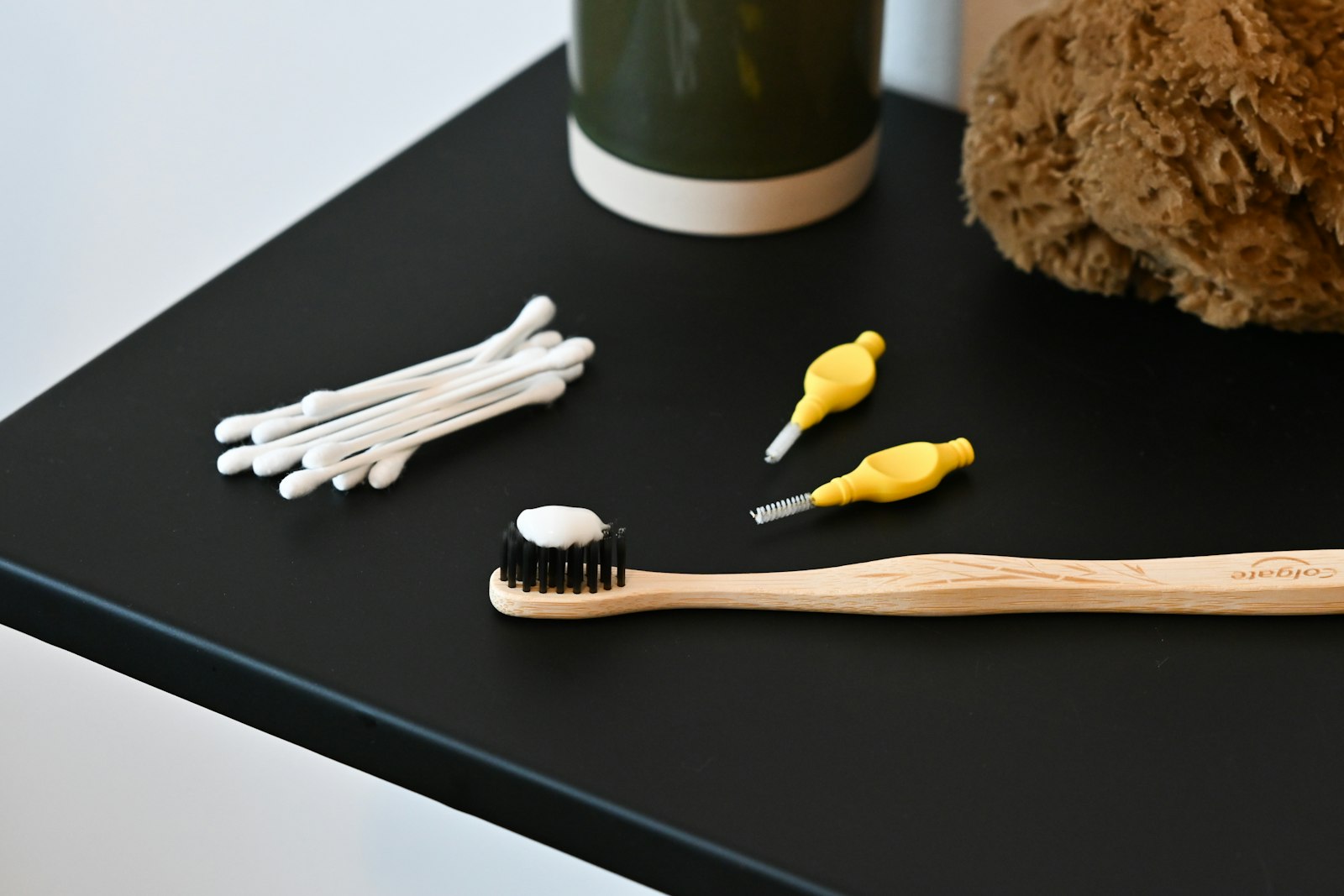
- Switch to a soft-bristled brush if you have not already, and consider an ultra-soft option if gums are particularly tender.
- Keep flossing or use interdental brushes daily, even if gums bleed a little at first. Gentle, consistent cleaning is what actually reduces the bleeding over time.
- Consider an alcohol-free antibacterial or saline mouth rinse if brushing alone feels insufficient, particularly around appointments and procedures during the cycle.
- Keep up your normal hygiene routine through egg collection and transfer. There is no need to change your oral care approach around procedure days specifically.
If you notice bleeding or swelling during your cycle
Seeing blood in the sink or noticing puffier gums partway through a cycle is a common experience and, on its own, is not a sign that anything has gone wrong with the pregnancy attempt. It reflects the hormonal amplification described above, and it is treatable with the same approach as any gingivitis: thorough cleaning, and a professional clean if it does not settle within a couple of weeks of consistent home care. If bleeding is heavy, gums are significantly swollen, or you notice a bad taste or loose-feeling teeth, it is worth having it checked rather than assuming it will resolve on its own, but there is no reason to see mild bleeding as an emergency or as something that reflects on how the cycle is going.
If you also have general dental questions about timing procedures, x-rays, or medication safety during a cycle, that broader picture is covered in our guide to IVF and dental treatment, what to do and when. This article focuses specifically on the gum side of things, since that is where hormone-driven changes are most noticeable.
Frequently Asked Questions
Is it normal for my gums to bleed more during an IVF cycle?
Yes, some increase in gum sensitivity and bleeding is a recognised, temporary effect of the elevated hormone levels used in ovarian stimulation, and it is generally treatable with consistent oral hygiene and a professional clean if needed.
Does gum disease cause infertility?
No. Gum disease has been studied as one of several factors related to systemic inflammation in fertility research, but it does not on its own cause infertility, and there is no evidence that treating gum disease improves fertility outcomes.
Should I get a dental clean before starting IVF?
Getting a check-up and clean before stimulation begins is a sensible, low-effort step that addresses existing gum inflammation before hormone changes can amplify it.
Why do my gums feel more sensitive during fertility treatment specifically?
The medications used in ovarian stimulation raise estrogen and progesterone well above natural cycle levels, and gum tissue responds to these hormones with increased blood flow and a stronger inflammatory reaction to existing plaque.
Will easing off brushing help if my gums are sore during a cycle?
No, gentle but consistent brushing and flossing is what reduces gum inflammation over time. Reducing cleaning tends to let plaque build up and makes bleeding and soreness worse.
Can I still have dental treatment during an IVF cycle?
Routine cleaning and gum care are generally fine to continue during a cycle. For guidance on other treatment types and timing around egg collection and transfer, see our detailed IVF and dental treatment guide.
If a cycle is coming up and you would like your gums assessed and any inflammation addressed beforehand, the team at Lumi Dental can help with a check-up and clean timed around your plans. See our current deals or learn more about general dentistry at Melrose Park.
This article is general information only and is not a substitute for advice from your dentist or fertility specialist about your individual circumstances.

