


If you are planning dental work after lip filler, the common guidance is to allow about 2 weeks between dental treatment and dermal filler in either direction, and up to about 4 weeks around major oral surgery such as extractions or implants. That gap gives fresh filler time to settle, lets swelling from either procedure go down, and may lower the risk of infection in the treated area. The exact timing varies between injectors and depends on the product used, so the person who did your injection is always the best guide. If you are thinking about a broader change to your smile, our cosmetic dentistry page outlines the dental options available.
Key Takeaways
- A gap of about 2 weeks between dermal filler and routine dental treatment is common advice, in either order.
- Around major oral surgery, such as extractions or dental implants, many injectors suggest waiting up to about 4 weeks.
- Dental anaesthetic injections, mouth bacteria and lip stretching during treatment are the main reasons for the gap.
- Always tell your dentist about fillers and anti-wrinkle injections, including dates and product type if you know them.
- For a smile makeover, dental shade and shape usually come first, then lip work, because lip position changes how much tooth shows.
The simple rule: give each treatment room to settle
The simple rule is this: avoid stacking dental treatment and lip or facial injectables into the same fortnight, and allow a longer gap around surgery. If dental work is urgent, such as a broken tooth or an infection, it should not be delayed because of filler. Tell your dentist about the filler, have the problem treated, and let your injector know afterwards so they can review the area if needed.
For routine care, such as a check-up and clean, a filling, or teeth whitening, book the dental visit and the filler appointment a couple of weeks apart, in whichever order suits you.
Why the timing matters
Dermal fillers used in the lips and around the mouth are commonly hyaluronic acid gels. In the first days after injection, the gel is still integrating with the surrounding tissue and the area may be swollen, tender or bruised. Several things that happen during dental treatment can affect that settling period.
Dental anaesthetic injections
Local anaesthetic for upper teeth is often given in the gum and soft tissue near the lip and cheek. A needle passing close to recently placed filler may, in theory, introduce bacteria into the area or disturb the product. Infection around filler is uncommon, but it can be difficult to treat when it does occur, which is why injectors are cautious. Numbness itself is temporary; our guide on how long dental numbness lasts explains what to expect.
Bacteria from the mouth
The mouth naturally carries large numbers of bacteria. Procedures that cause bleeding, such as a deep clean, an extraction or implant surgery, can allow bacteria to enter the bloodstream briefly. Some injectors are concerned that this may raise the risk of infection or biofilm forming around filler, particularly in the early weeks.
Stretching the lips and cheeks
Dental treatment often involves opening wide for some time, and your dentist may use cheek retractors or hold the lips aside for access and photos. Pressure and stretching on fresh filler may move or flatten it before it has settled.
Swelling can mask results
Both dental treatment and filler can cause swelling. If the two overlap, it becomes harder for either practitioner to judge the result.
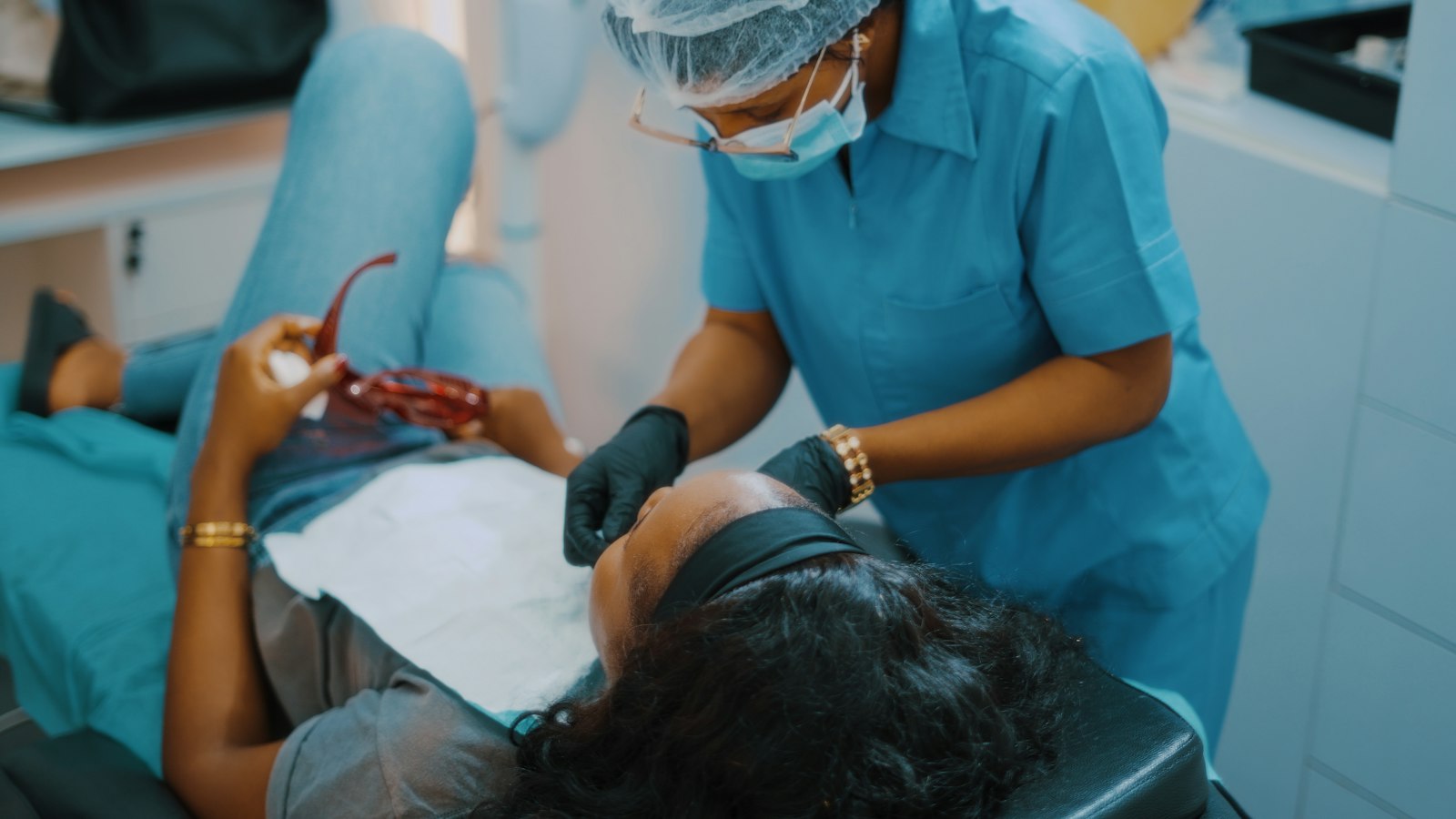
Typical timing guide
The table below summarises common guidance. It is general only. Products, techniques and individual healing differ, so follow the advice of the person who treated you.
| Dental treatment | Typical gap after lip or facial filler | Typical gap before filler | Notes |
|---|---|---|---|
| Check-up and clean | About 2 weeks | About 2 weeks | Gentle visits may be fine sooner; ask your injector |
| Fillings needing anaesthetic | About 2 weeks | About 2 weeks | Upper teeth injections sit close to the lip area |
| Teeth whitening | About 2 weeks | About 1 to 2 weeks | Retractors are often used to hold the lips back |
| Crowns, veneers or bonding | About 2 weeks | About 2 weeks | Settled lips help your dentist judge smile design |
| Extractions or wisdom teeth | Up to about 4 weeks | Up to about 4 weeks | Bleeding and swelling can be greater |
| Dental implant surgery | Up to about 4 weeks | Up to about 4 weeks | Longer procedure with more soft tissue handling |
| Dental emergency | Do not delay | Do not delay | Treat the problem and update your injector |
Anti-wrinkle injections and dental work
Anti-wrinkle injections work differently from filler. Rather than adding volume, they relax specific muscles. Injectors usually advise avoiding pressure, massage and strenuous activity on the treated area for a short time afterwards, because the product may spread to nearby muscles before it binds. Long appointments with a lot of facial handling are best planned once that window has passed.
Some people have anti-wrinkle injections in the jaw muscles for clenching, or around the lips to reduce a gummy smile. These can affect how you bite and how much gum shows when you smile. If you have had treatment in these areas, let your dentist know, because it may affect bite assessment and smile design. If gum display is a concern, our article on gummy smile causes and options explains the dental and non-dental approaches a dentist can discuss with you.
What to tell your dentist, and your injector
Good communication between your practitioners is the most useful step you can take. Before a dental appointment, tell your dentist:
- Whether you have had dermal filler or anti-wrinkle injections, and where.
- The approximate date of your last treatment.
- The product type, if you know it (for example, a hyaluronic acid filler).
- Any lumps, tenderness or swelling you have noticed in the treated area.
- Any treatment you have planned in the coming weeks.
Before an injectables appointment, tell your injector about recent or planned dental work, particularly extractions, implants, root canal treatment or a deep clean, and any current tooth or gum infection. Many injectors prefer that any active dental infection is treated before filler is placed.

Planning a smile makeover with lip treatment
Many people who are interested in lip filler are also thinking about their teeth. The order of treatment matters, because the lips frame the teeth. Lip shape and position change how much tooth shows at rest and when smiling, and teeth that are longer or brighter can change how full the lips appear.
A common sequence is:
- Dental health first. Treat decay, gum problems and infection so the foundation is stable.
- Whitening, if wanted. Whitening is usually done before any tooth-coloured restorations, so new bonding or veneers can be matched to the final shade.
- Tooth shape and shade. Composite bonding, veneers or crowns can then be designed around your natural lip line.
- Lip treatment last. Once the teeth are finalised and any swelling has settled, your injector can plan lip volume around the new smile.
If you have an event coming up, allow extra time. Our guide on teeth whitening before a wedding or event covers realistic lead times, and the smile makeover cost guide gives typical Sydney price ranges for the dental side. These vary by case, and the team at Lumi Dental can provide a written quote after an examination. You can also check current deals for any available offers.
When to seek help
Contact your injector promptly if you notice increasing pain, redness, heat, hard lumps or skin colour changes in a filler area, especially after dental treatment. Contact your dentist if you have tooth pain, gum swelling or signs of a dental infection. Severe pain, skin blanching or changes to your vision after filler need urgent medical attention.
Frequently Asked Questions
How long after filler can I go to the dentist?
Many injectors suggest waiting about 2 weeks after lip or facial filler before routine dental treatment. For extractions, implants or other oral surgery, the gap is often longer, up to about 4 weeks. Emergency dental care should not be delayed; tell your dentist about the filler and let your injector know afterwards.
Can I get dermal filler before dental work?
Yes, but it is usually better to leave about 2 weeks before routine dental work, and longer before surgery.
Can a dental injection affect my lip filler?
It may, particularly in the first couple of weeks. Anaesthetic injections for upper teeth are given close to the lip and cheek, and some injectors are concerned this could disturb fresh filler or introduce bacteria. Telling your dentist where and when you had filler lets them take extra care.
Should I whiten my teeth before or after lip filler?
Whitening first is often the better order. Lip retractors used during in-chair whitening stretch the lips, and your injector can plan lip shape around your final tooth shade. Allow about 1 to 2 weeks between whitening and filler.
Does Lumi Dental provide lip filler?
No, Lumi Dental does not provide facial injectables. The team focuses on the dental side of your smile, such as whitening, composite bonding and veneers, and is happy to plan treatment timing around injectables you have with another practitioner.
Plan your smile with the right timing
If you are considering cosmetic dental treatment alongside lip filler or anti-wrinkle injections, a planning visit can help you get the order and timing right. Book a complimentary cosmetic consultation to talk through your goals, or read more about the options on our cosmetic dentist page.
This article is general information only and is not a substitute for personalised advice from a registered dental practitioner.


