
A loose baby tooth that won't come out is usually just moving through a normal process that can take two to eight weeks from first wobble to falling out, and trying to pull one that is only slightly loose tends to cause more pain and bleeding than it saves in time. Baby teeth loosen because the root is slowly dissolving to make way for the adult tooth underneath, a process that has its own pace for every tooth and every child. Most of the time, patience and a bit of gentle encouragement are all that is needed.
Key Takeaways
- Baby teeth usually take weeks, not days, to go from first wobble to falling out, as the root gradually resorbs.
- A tooth that is only slightly loose still has root attached, so forcing it can cause unnecessary pain, bleeding, or a jagged root left behind.
- Gentle wiggling with clean fingers or the tongue, plus crunchy foods, is a safe way to encourage a ready tooth along.
- A tooth that hangs on for many weeks with no real progress, or shows any sign of infection, is worth a dental check.
- A double row of teeth (an adult tooth coming in behind a baby tooth that has not budged) is common around age six and is covered in a separate article, not this one.
How the normal loose-tooth timeline works
Baby teeth start to shed from around age five or six, and the whole process of losing baby teeth and growing adult teeth in their place generally runs through to around age twelve. Underneath every baby tooth, the adult tooth is slowly moving upward or forward, and as it does, it gradually dissolves the baby tooth's root in a process called root resorption. As the root disappears, the baby tooth loses its anchor and starts to wobble.
This is not a quick event. A front tooth might feel slightly loose for a week before becoming very loose over the following fortnight. Back baby teeth (molars), which have wider, multiple roots, often take longer to loosen fully than the smaller front teeth. There is no single "normal" number of weeks, but a general range is helpful for knowing what to expect.
| Stage of looseness | What it usually feels like | Typical time before it falls out |
|---|---|---|
| Just starting to wobble | Moves slightly side to side, still feels firm when eating | Often several weeks away |
| Noticeably loose | Wobbles easily side to side, may move a little when biting | Commonly one to three weeks |
| Very loose, hanging by a thread | Moves in multiple directions, may feel like it is barely attached | Often within a few days |
| Loose for many weeks with no change | Wobble has not progressed for a month or more | Worth a dental check rather than waiting further |
Why you shouldn't force a tooth that's only a little loose
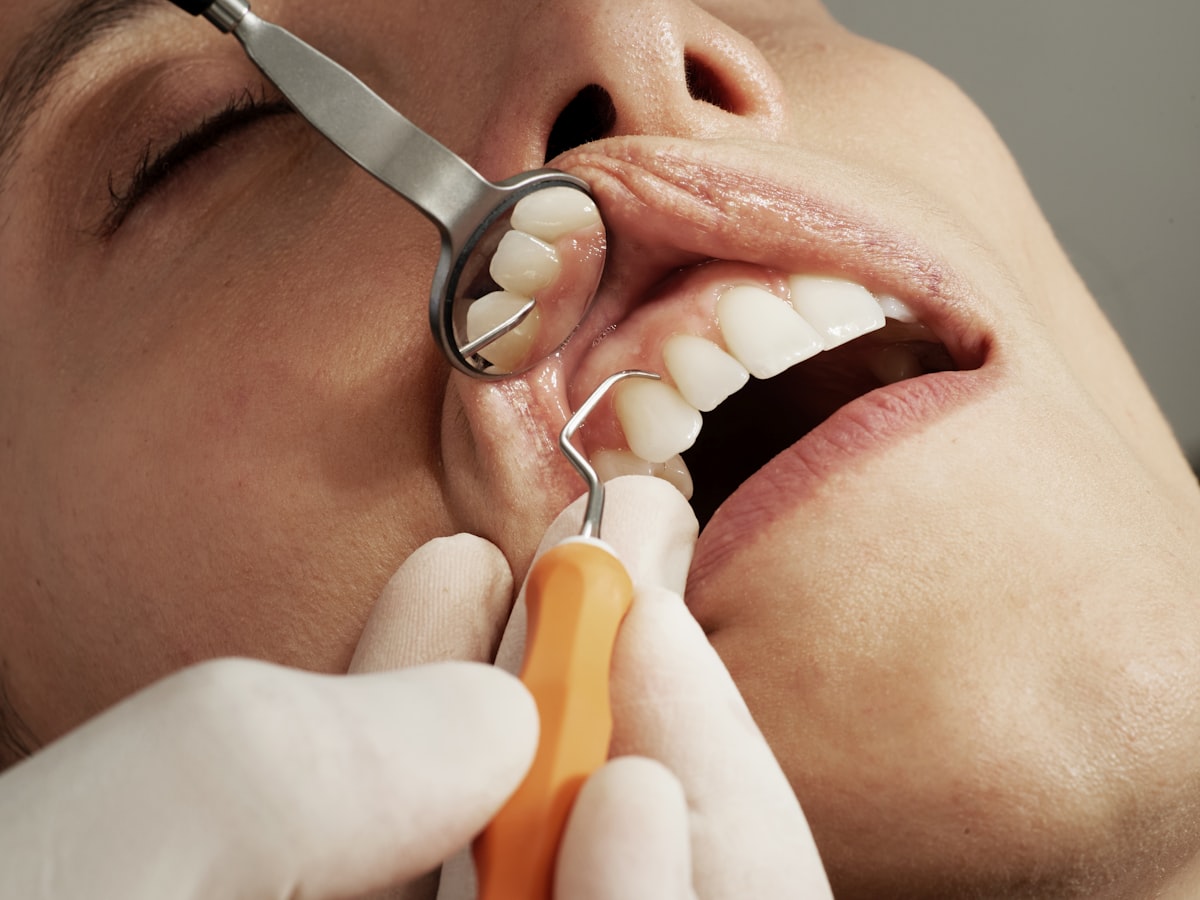
It is tempting to speed things along, especially if a wobbly tooth is bothering your child while eating or brushing. But if a tooth is only slightly loose, there is a good chance it still has part of its root attached to the jawbone or gum tissue. Pulling it before it is ready can:
- Cause more pain than waiting, since a firmly rooted tooth does not release cleanly.
- Lead to more bleeding than a natural loss would, particularly from the gum tissue around the root.
- Risk leaving a small fragment of root behind if the tooth breaks rather than comes out whole.
- Introduce a small infection risk if the extraction site is not clean or if a fragment is retained.
A tooth that is truly ready to come out usually needs only the gentlest encouragement, sometimes none at all, because the last thread of tissue holding it is minimal. If a tooth is lost earlier than expected because of decay or an injury rather than natural shedding, keeping the space open matters for the adult tooth's eruption path. See our guide on space maintainers after early tooth loss for more on that situation.
Safe ways to encourage a loose tooth at home
If a tooth is genuinely very loose and your child is keen to help it along, there are gentle, low-risk ways to do it:
- Clean-finger wiggling. With freshly washed hands, a gentle side-to-side wiggle once or twice a day is usually enough for a tooth that is truly ready.
- Tongue wiggling. Many kids naturally do this without prompting, and it is a low-force way to keep testing whether the tooth is ready.
- Crunchy, fibrous foods. Apple slices, celery, or crusty bread can nudge a very loose tooth out naturally during normal eating, without any deliberate pulling.
- Avoid string, pliers, or sudden yanking. These methods increase the chance of pain, a messy extraction, or an unnecessary trip to the dentist afterward.
Signs a loose tooth is ready to come out on its own
A few signs suggest a tooth is close to the finish line and safe to gently help along:
- It moves easily in more than one direction, not just side to side.
- There is little to no discomfort when it moves.
- It has been progressively looser over several weeks, rather than staying the same.
- Your child can wiggle it with their tongue without much resistance.
Regular check-ups and preventive care, such as dental sealants for children, help keep baby teeth healthy right up until they are ready to go naturally.
When a stubborn loose tooth needs a dentist
Most wobbly teeth sort themselves out with time, but a few situations are worth booking a check for rather than waiting indefinitely:
- The tooth has been loose for many weeks (some guides suggest around a month or more) with no real progress.
- There is swelling, redness, pus, or a bad smell around the tooth.
- Your child has ongoing pain rather than the mild, occasional discomfort typical of a normal wobble.
- The tooth was loosened by a knock or fall rather than natural shedding, since trauma needs its own assessment. Our guide on what to do with a knocked-out baby tooth covers trauma specifically.
If a baby tooth has chipped or cracked rather than just loosened, that is a different situation again, covered in our article on what to do about a chipped baby tooth.
Common Questions
Is it safe to let my child pull out their own loose tooth?
Yes, if the tooth is genuinely very loose and it comes out with only gentle pressure from clean fingers or the tongue. If it resists or causes pain, it is not ready yet and is best left alone.
How many weeks is too long for a tooth to stay loose?
There is no strict cut-off, since every tooth and child is different, but if a tooth has been loose for a month or more without becoming looser, it is reasonable to get it checked rather than keep waiting.
My child's tooth is loose but not falling out and it's bothering them at school. What can we do?
Soft foods, avoiding chewing directly on the tooth, and a gentle wiggle at home each day are usually enough. If it is genuinely painful rather than just annoying, a dental check can rule out anything unusual.
Can a loose baby tooth get infected while waiting to fall out?
It is uncommon, but possible, particularly if there is decay around the tooth or food regularly trapped near the gum line. Swelling, redness, or a bad smell are signs to get it looked at.
Does it matter if a front tooth versus a back tooth is loose?
Not in terms of safety, but back teeth (molars) often take longer to loosen fully because they have wider, multi-rooted anchors compared with the smaller single-rooted front teeth.
What if there's already an adult tooth coming in behind the loose baby tooth?
This is a separate, fairly common situation known as a double row of teeth, and it is covered in more detail in our dedicated article rather than here, since the management is a little different.
If a loose tooth has been hanging on for weeks without progress, or something about it does not look or feel right, the team at Lumi Dental is happy to take a quick look. Check current offers or learn more about our general dentistry for kids.
This article is general information and doesn't replace an individual dental assessment.