
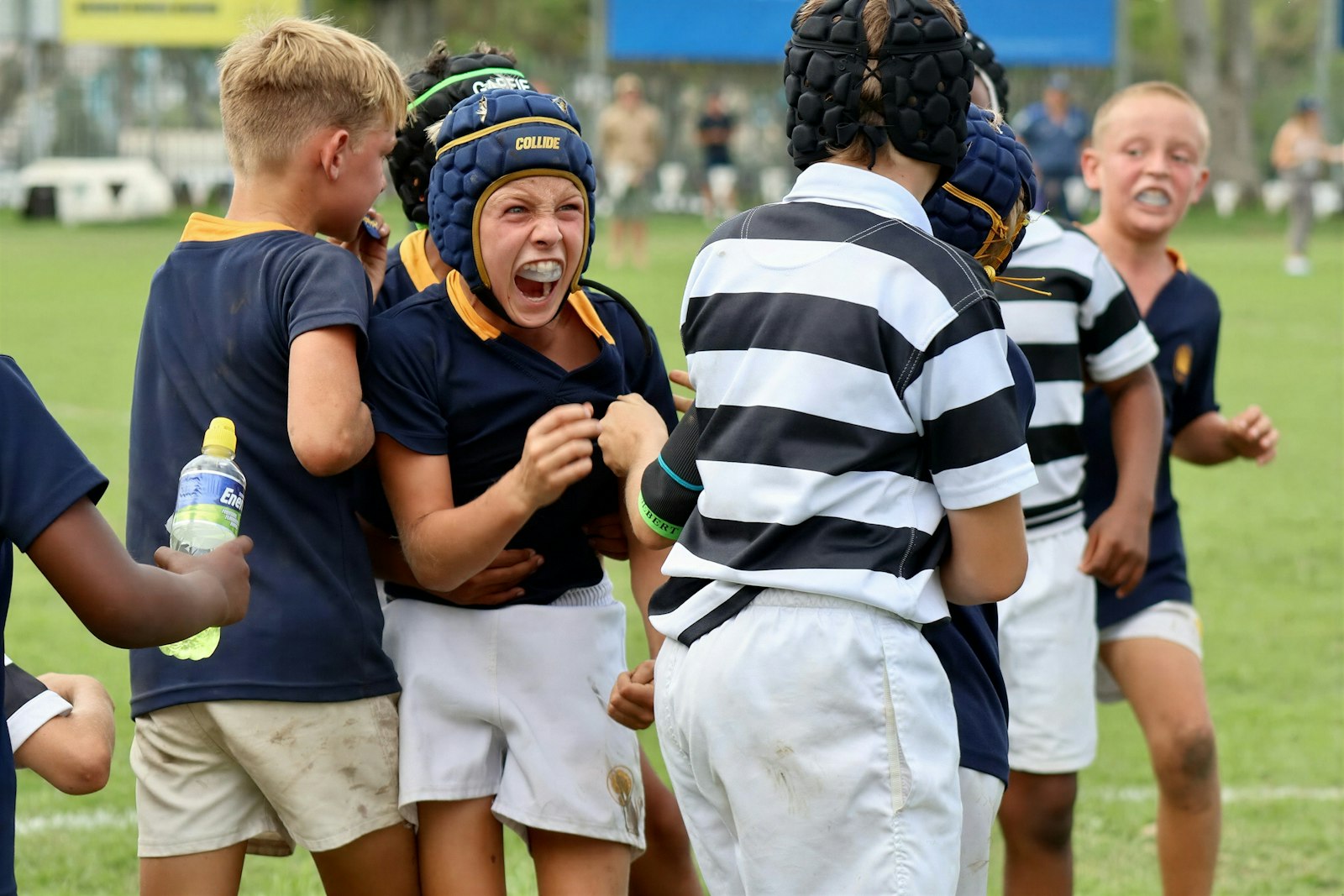

A child in fixed braces needs a mouthguard that sits over the brackets rather than one moulded tightly to the teeth, because a guard that locks onto the brackets can pull them off when it is removed. Skipping the mouthguard is not an option either. Braces turn a knock to the mouth into a lacerated lip as well as a dental injury. Choosing the right type of mouthguard with braces is the practical question every parent faces once treatment starts.
Key takeaways
- Fixed braces add risk rather than removing it, since brackets can be driven into the lip on impact.
- Standard boil and bite guards are a poor fit for fixed braces because they mould around the brackets and can dislodge them.
- Brace-specific silicone guards have a channel designed to sit over the brackets and accommodate teeth moving.
- Custom guards made from an impression or scan give the closest fit but need remaking as the teeth shift through treatment.
- Guards must be rinsed in cool water, stored in a vented case and never left in a hot car, because heat distorts them.
- The Australian Dental Association recommends a professionally fitted mouthguard for contact sport, and mouthguards are often claimable under the preventive category of extras cover.
Why braces raise the stakes
Three separate injuries in one hit
An impact to the mouth of a child in fixed braces can cause damage on three fronts at once. The brackets and wire can lacerate the inside of the lip and cheek, because they are hard, edged components pressed against soft tissue. The appliance itself can be damaged, with brackets sheared off and archwires bent or displaced, which sets treatment back and means an unscheduled orthodontic visit. And the teeth can still be chipped, loosened or knocked out, exactly as they could without braces.
The sports that matter
Rugby league, rugby union, AFL, hockey, basketball, netball, soccer, martial arts, skateboarding and BMX all carry a realistic risk of contact with an elbow, a ball, the ground or another head. Training sessions count as much as games, and a good rule is that if the guard is worn on match day it should be worn at training too, since a lot of injuries happen there.
The options, compared
Stock and boil and bite guards
Stock guards come in a few generic sizes and are held in place by biting down, which makes them bulky and unreliable. Boil and bite guards, softened in hot water then bitten into shape, work reasonably well on natural teeth but are a genuine problem in fixed braces. The softened material flows around and under each bracket and sets there, forming undercuts. Taking the guard out then puts a pulling force on the brackets, and a knocked-off bracket is a common result. The second problem is that teeth in active treatment are moving all the time, so a fit taken today may be wrong within weeks.
Orthodontic silicone guards
Brace-specific guards are made from a softer medical-grade silicone with a channel moulded along the inside to sit over the brackets and wire. They are not heat moulded, so nothing sets around the appliance, and the softness lets them adapt as the teeth move. For most children partway through treatment, this is the sensible everyday choice for school and club sport, and it is easy to replace as they grow.
Custom guards made by a dentist
A custom guard is made from an impression or a digital scan, with the technician deliberately relieving space around the brackets and wire so it fits over the appliance rather than into it. It is thicker where impacts land and thinner where it does not need to be, so it fits closely, stays in without clenching and interferes less with speech and breathing. The trade-off in braces is that teeth move, so a custom guard made at the start of a two-year treatment may need remaking part way through, which adds cost.
| Type | Fit around braces | Level of protection | Comfort and speech | Copes with teeth moving |
|---|---|---|---|---|
| Stock, over the counter | Generic shape, no adaptation to the appliance | Lowest of the four | Bulky, must be held in by biting down | Yes, but only because it never fitted closely |
| Boil and bite | Moulds around brackets and forms undercuts | Limited, and it can loosen in play | Reasonable at first, deteriorates quickly | No, the fit is often out of date within weeks |
| Orthodontic silicone, brace specific | Channel designed to sit over brackets, no heat moulding | Suitable for most school and club contact sport | Soft and forgiving, easy to get used to | Yes, designed for teeth in active treatment |
| Custom made by a dentist | Closest fit, with space relieved around brackets and wire | Highest of the four | Thin where it can be, thick where impacts land, stays in place | Needs remaking as teeth move through treatment |
Upper, lower, or both
Most players need an upper guard only, since the upper front teeth take the majority of impacts. A lower guard may be advised if there are lower braces as well, if there is a significant underbite, or in higher-impact sports such as boxing and other combat sports. It is worth asking the orthodontist directly, because the answer depends on the appliance and the sport rather than a general rule.
Looking after it, and replacing it
Care that actually matters
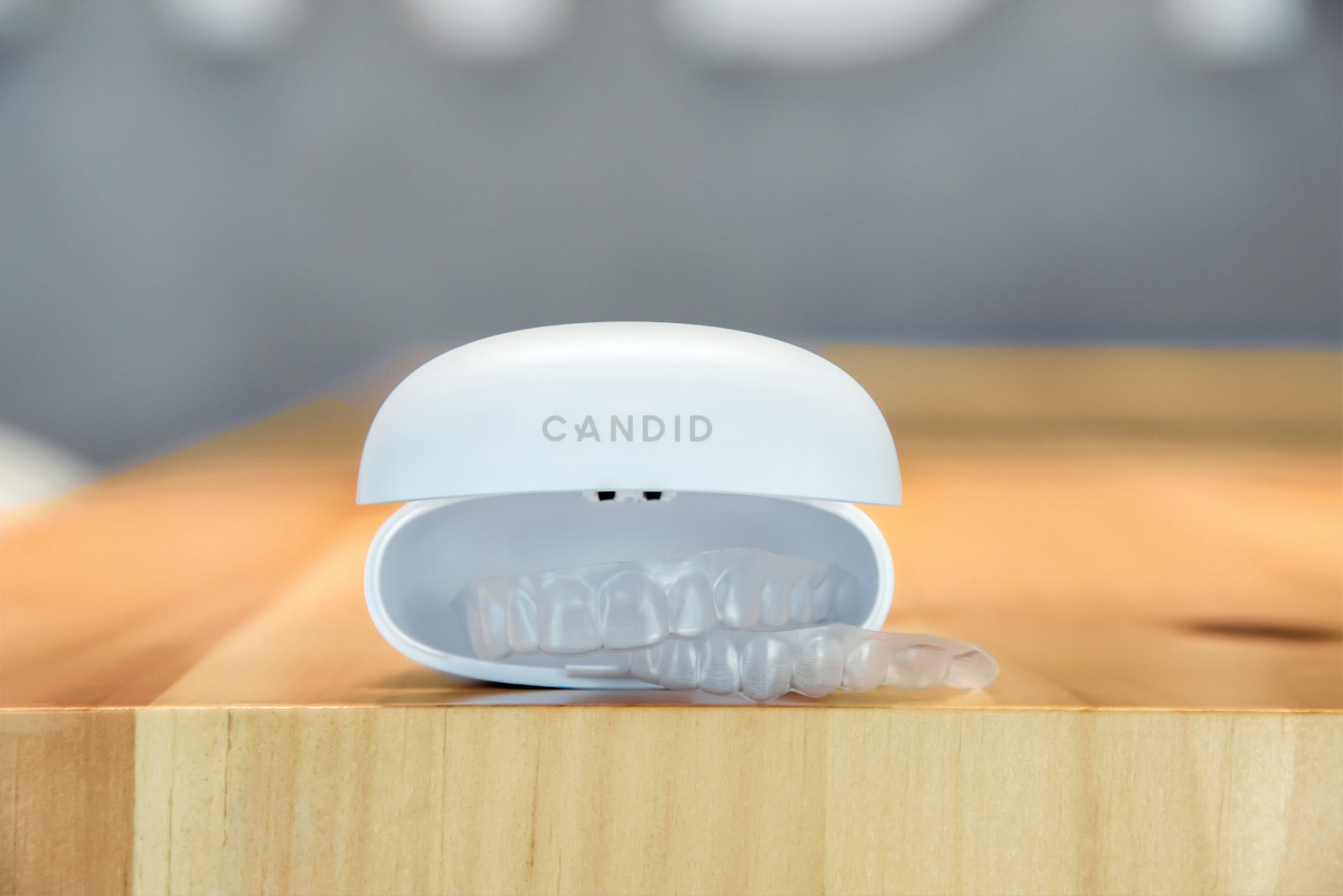
Rinse the guard in cool water before and after use, and clean it with a soft brush and mild soap rather than toothpaste, which is abrasive. Let it dry before it goes away. Store it in a vented case so it can breathe, and keep it out of the car, out of a hot school bag and away from the dashboard, because heat distorts the material permanently. Bring it along to dental and orthodontic appointments so it can be checked.
When to replace
Children in braces outgrow guards faster than adults wear them out. Expect to check the fit at every orthodontic visit and to replace the guard when it becomes loose, when the edges tear, when it has been chewed through, or after a significant impact. Growth alone often means a new guard each season. If a permanent tooth is knocked loose in a game, our guide on what to do when a tooth is loose but not out is worth reading before it happens, not after.
Health fund cover
Mouthguards are often listed under the preventive category of extras cover, and many funds pay a benefit towards a custom guard. This varies by fund and policy, so it is worth checking your own before booking.
If a bracket comes off during a game
On the day
Keep any pieces you can find, including the bracket itself, and put them somewhere safe. Do not pull, cut or bend the archwire yourself. If a wire end is poking into the cheek, orthodontic wax pressed over it is the right short-term fix, and a small piece of sugar-free chewing gum works in a pinch. Ring the orthodontist or dentist to arrange a repair appointment, and mention any injury to the teeth themselves, not just the appliance.
Check the teeth as well as the braces
It is easy to focus on the visible damage to the appliance and miss a tooth that has taken a blow. A tooth that has been knocked can darken weeks or months later, or the nerve can be affected without any obvious immediate sign, so a check-up after any significant impact is worthwhile even if everything looks fine. Younger children with baby teeth involved may also need review, since losing a baby tooth early can affect how the adult teeth come through.
Frequently asked questions
Can my child wear a normal boil and bite mouthguard over braces?
It is not recommended. The material moulds around the brackets and can pull them off when the guard is removed, and the fit stops being accurate as the teeth move.
Does a mouthguard slow down orthodontic treatment?
A guard designed for braces sits over the appliance and should not interfere with tooth movement. A poorly fitting guard that presses on the teeth is a different matter, which is another reason to have the fit checked.
Does my child need a mouthguard for training as well as games?
Yes. A meaningful share of injuries happen at training, and building the habit of wearing the guard every time is easier than deciding case by case.
What if my child says it makes them gag?
Gagging usually comes from a guard that extends too far back or is too bulky. A better fitting guard, trimmed appropriately, generally solves it, and most children adjust within a few sessions.
How often should the guard be replaced?
Check it at every orthodontic visit. Replace it when it becomes loose or damaged, after a heavy impact, or as your child grows, which in practice is often once a season.
Are mouthguards needed for non-contact sports?
Falls happen in skating, cycling, gymnastics and similar activities, and the Australian Dental Association recommends a mouthguard wherever there is a risk of contact with the ground, equipment or another person.
Book a check-up with the team at Lumi Dental
If your child is in braces and playing sport this season, the team at Lumi Dental in Melrose Park can check the fit of an existing guard, talk through the options, and take an impression or scan for a custom guard when the timing suits their treatment. Have a look at what a general dental check-up covers and at the current new-patient offers on our current deals page. The practice is open Monday to Saturday, with Sunday by appointment. If your child is also due for other work, our guide to a child's first filling explains what a visit like that involves.
This article is general information only and is not a substitute for personal dental advice. Your child's braces, bite and sport need to be assessed individually before a mouthguard is recommended.


