


A loose adult tooth is never something to shrug off. Unlike a wobbly baby tooth, a loose permanent tooth almost always signals an underlying problem, most often gum disease, and it typically needs a dentist's assessment rather than time to sort itself out.
Key Takeaways
- A loose baby tooth is a normal part of growing up. A loose adult tooth is not, and it usually points to an underlying issue.
- Gum disease (periodontitis) is the most common cause of a wobbly adult tooth, followed by trauma, teeth grinding, and bone loss.
- Sudden looseness after a knock, fall or bite injury should be treated as a dental emergency.
- Gradual looseness that builds up over months is more often linked to gum disease and needs a periodontal assessment.
- Treatment can range from a deep clean and splinting through to bone grafting or, in more advanced cases, extraction and replacement.
- Left untreated, a loose tooth can shift position, lose further bone support, and eventually be lost.
Baby Teeth vs Adult Teeth: A Different Story
Children's baby teeth are designed to loosen and fall out, their roots naturally dissolve as the permanent tooth underneath pushes through. That process is expected and generally painless.
Adult teeth work differently. A permanent tooth is anchored by a ligament and a socket of bone, and under normal conditions it should feel completely stable when you press on it with your tongue or finger. If an adult tooth starts to move, even slightly, something has changed in the tissue or bone supporting it. According to Australian Dental Association guidance, any mobility in a permanent tooth warrants a dental check rather than a wait-and-see approach.
What Causes a Loose Adult Tooth
There are several possible causes, and they are not always obvious from how the tooth feels. A dentist will usually check gum health, bite pattern, and take an X-ray to see what's happening below the gumline.
| Cause | How It Loosens the Tooth | Typical Pattern |
|---|---|---|
| Gum disease (periodontitis) | Bacteria break down the gum tissue and bone that anchor the tooth root | Gradual, over months or years |
| Trauma or injury | A knock, fall, or biting something hard can damage the ligament holding the tooth | Sudden |
| Teeth grinding (bruxism) | Repeated excess force wears down the supporting ligament over time | Gradual |
| Pregnancy hormones | Hormonal shifts can temporarily loosen the ligaments around teeth | Gradual, usually settles after pregnancy |
| Osteoporosis or bone loss | Reduced bone density can weaken a tooth's anchorage in the jaw | Gradual |
Gum disease is by far the most common cause seen in general practice. It often starts quietly, with bleeding gums when brushing, before progressing to bone loss around the roots. If you've noticed bleeding or puffy gums alongside any looseness, it's worth reading more about the causes and treatment of bleeding gums, since the two issues are closely linked. There's also a well documented connection between gum disease and other health conditions, covered in more detail in our piece on the link between gum disease and diabetes.
When It's a Dental Emergency
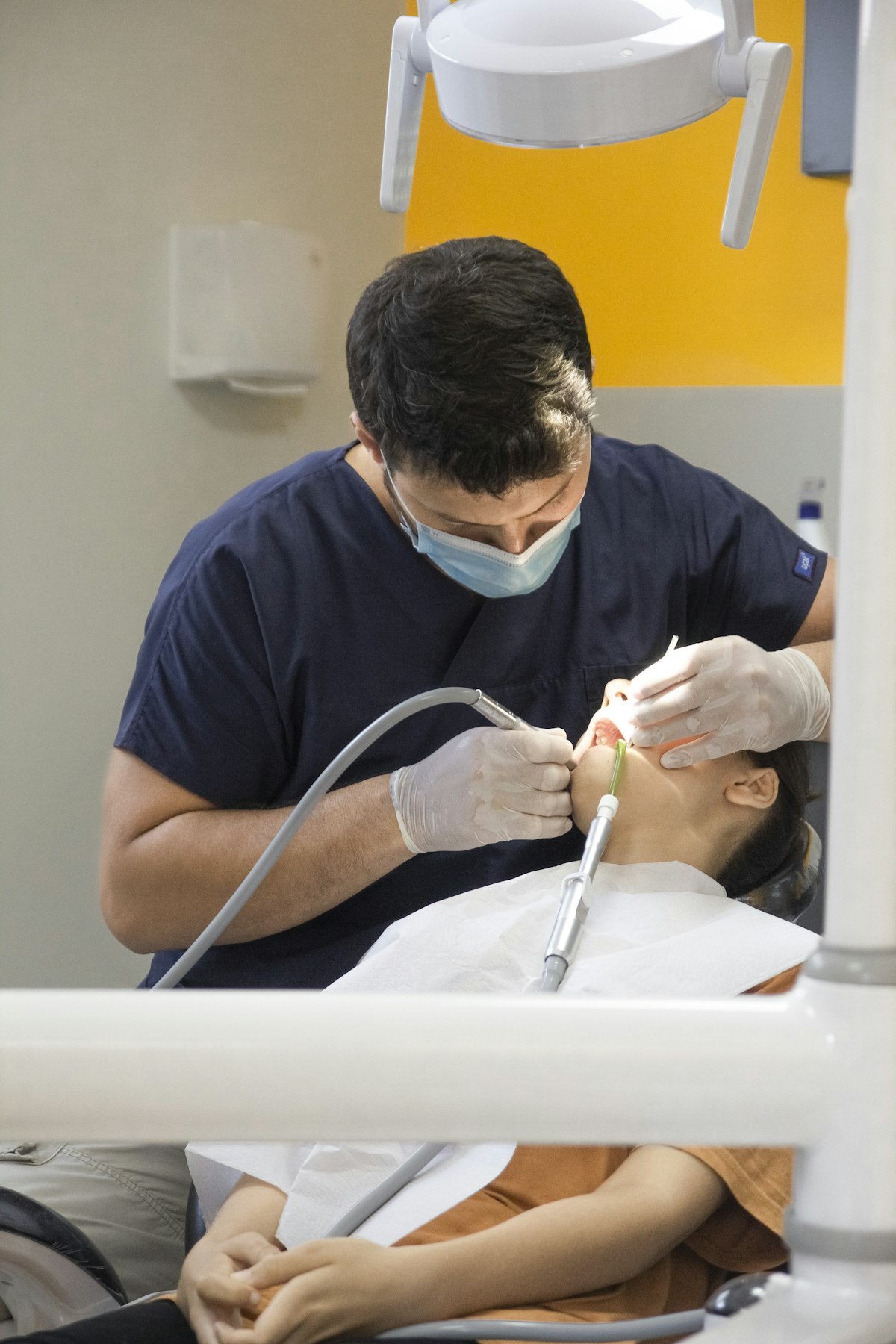
Not every loose tooth needs to be seen the same day, but some situations do. Sudden looseness following a fall, sports knock, or bite on something hard is generally considered a dental emergency, particularly if the tooth has also shifted position, if there's significant bleeding, or if the tooth feels like it might come out entirely. In these cases, seeing a dentist as soon as possible gives the best chance of saving the tooth.
Gradual looseness that has crept up over weeks or months is usually less urgent in the immediate sense, but it still needs an appointment soon. This pattern often reflects gum disease that has been progressing quietly, and the earlier it's addressed, the more bone and gum support can typically be preserved.
What a Dentist Can Do
Treatment depends entirely on the cause and how advanced it is. Options a dentist may consider include:
- Deep cleaning and scaling to remove plaque and bacterial deposits below the gumline, which can allow inflamed gum tissue to settle and reattach.
- Splinting, where the loose tooth is bonded to neighbouring teeth for support while the area heals.
- Bite adjustment or a night guard if grinding is a contributing factor.
- Bone grafting in cases where bone loss around the tooth is significant enough to threaten its long-term stability.
- Extraction and replacement if the tooth can't be saved, with options such as an implant, bridge, or denture discussed depending on the situation. If you're weighing up replacement options, our guide comparing an implant, bridge and denture covers the pros and cons of each.
None of these outcomes are guaranteed, every case is different, and a proper diagnosis is the only way to know which path applies to you.
What Happens If You Leave It Untreated
A loose tooth that isn't assessed tends to get worse rather than better. Ongoing gum disease continues to erode the bone that holds the tooth in place, and the tooth can start to drift, affecting your bite and the position of neighbouring teeth. Eventually, the tooth may become so unstable that it's lost, at which point the options for replacement, and the recovery involved, become more involved. Our overview of the tooth extraction recovery timeline gives a sense of what that process looks like if it does come to that.
Frequently Asked Questions
Can a loose adult tooth tighten back up on its own?
Sometimes, if the cause is temporary, such as pregnancy hormones or mild gum inflammation that's treated early, a tooth can regain some stability. In most cases though, a loose permanent tooth needs professional treatment to address the underlying cause.
Does a loose tooth always mean gum disease?
No. While gum disease is the most common cause, trauma, grinding, and bone density changes can all cause a tooth to loosen. A dental exam and X-ray are the only reliable way to find out which one applies to you.
Is a slightly loose tooth an emergency?
Sudden looseness after an injury is generally treated as urgent. Gradual looseness without an obvious cause is less of an immediate emergency, but it should still be checked soon rather than left.
Can a loose tooth be saved?
Many can be, particularly when the cause is identified and treated early. Deep cleaning, splinting, and bite adjustment can help stabilise a tooth affected by early to moderate gum disease. More advanced cases may be harder to save.
What does it mean if only one tooth is loose?
A single loose tooth can still be a sign of localised gum disease, a previous injury, or excess biting force on that tooth. It's worth having it checked even if the rest of your teeth feel fine.
If you've noticed any movement in a tooth, it's worth having it checked rather than waiting to see what happens. The team at Lumi Dental can assess what's going on and talk through the options. Book a check-up through our general dentistry page, and ask about our current new patient offer when you get in touch.


