


After a move, finding a dentist tends to slide down the list behind internet connections, school enrolments and change-of-address forms. Many people only start looking when a filling breaks or a tooth aches, and then they take whichever practice can fit them in. Choosing while nothing hurts gives you time to compare, and it means your first visit can be a check-up rather than an emergency.
Small problems keep growing while you are between dentists
Early decay, a filling with a cracked edge or gums that have started to bleed rarely cause pain at first. They tend to progress quietly, and a gap of a year or more between check-ups gives them room to do so. Booking in with a new practice once your address is settled means anything small is more likely to be found while it is still simple to manage.
Practical things to check first
Hours that suit your week. A practice around the corner is only convenient if you can get there. If you work standard hours, look for evening or Saturday appointments, and check that the hours on the website are the ones that are actually bookable.
How quickly you can be seen. Ask how far ahead routine check-ups are usually booked, and what happens if you call with toothache or a broken tooth. Our guide to getting seen without an appointment explains how urgent care usually works.
Getting there. Parking, public transport and lift access matter more than they seem, particularly for children, older relatives or anyone with limited mobility.
Health fund claiming. If you have extras cover, ask whether the practice can claim on the spot so you pay only the gap.
Bring your history with you
Your previous dentist holds X-rays, notes and treatment details that a new dentist will find useful. With recent X-rays in hand, a new practice may not need to repeat them, and they can see how existing fillings, crowns or gum measurements have changed over time. Some practices will request the records for you once you give consent and your old dentist's details. Others will ask you to request them. Either way, try to have them sent before your first appointment rather than after.
If you cannot get your records, or your last visit was a long time ago, that is not a barrier. The new dentist will simply start with a fresh set of findings.
Questions to ask on the phone
A short call before booking can tell you a lot about how a practice communicates. It is reasonable to ask:
- How long is a new patient appointment, and what does it include?
- Will I get a written treatment plan and cost estimate before any treatment starts?
- What payment options are available if I need more than a check-up?
- Who will I see, and does the practice have oral health therapists for cleans and prevention?
- How do you handle cases that are better seen by a specialist?
A practice that refers some complex cases to a registered specialist is doing what good general practice should, and our article on why a dentist refers you instead of treating you explains why. If cost is a concern, our guide to payment plans and affording treatment covers the common options.
What to expect from a first visit
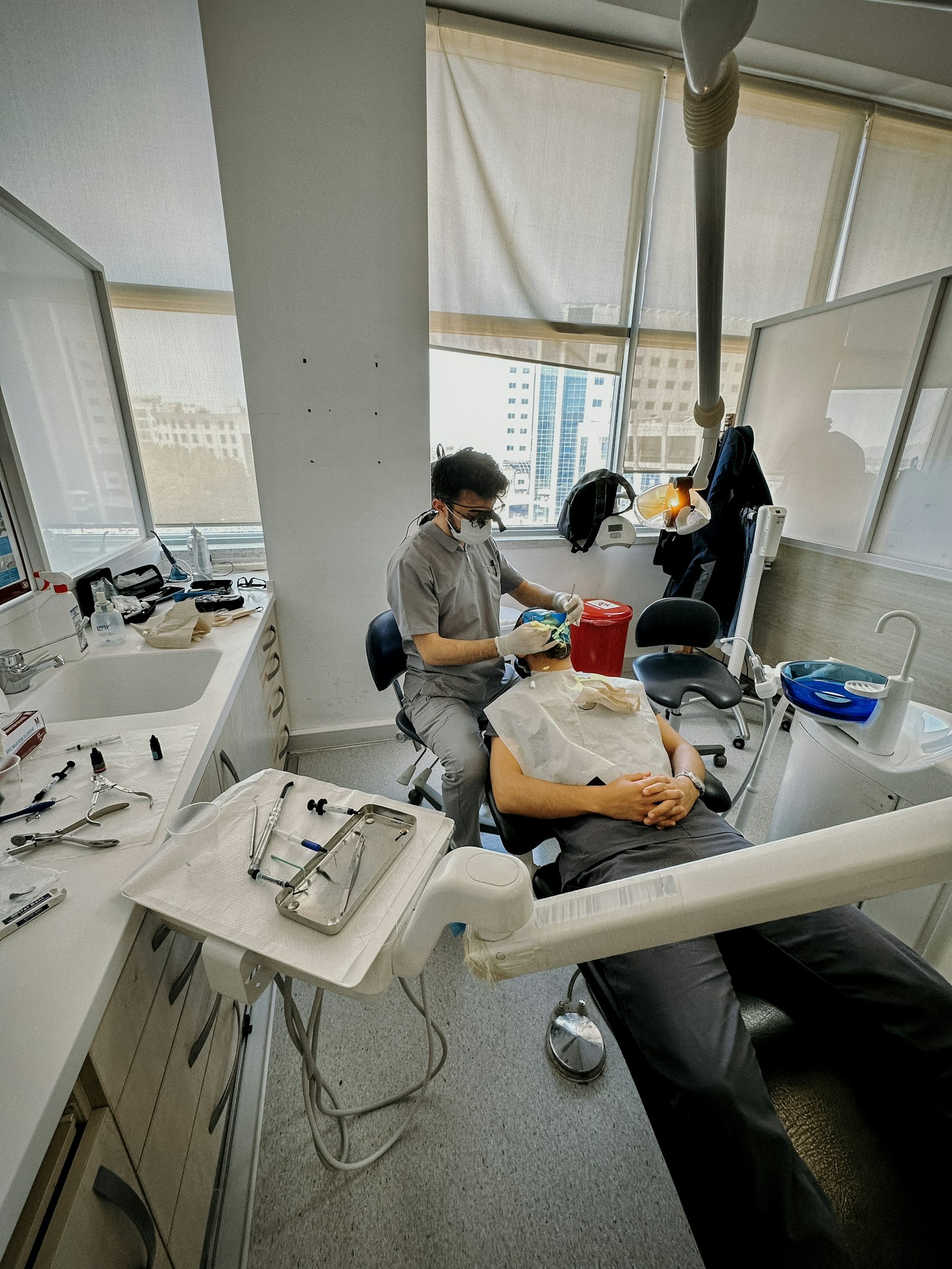
A new patient examination should give your dentist a full picture of your mouth, not just a look at the tooth you mention. That usually means a check of every tooth, the gums and the soft tissues of the mouth, a discussion of your medical and dental history, and X-rays if recent ones are not available. You should leave knowing what was found, what, if anything, needs treatment and why, and roughly what it would cost.
You should also be told when to come back. Six months is a common interval but not a rule, and your own risk of decay and gum disease should decide it. Our guide to check-up and review appointments explains how recall intervals are set.
When a plan surprises you
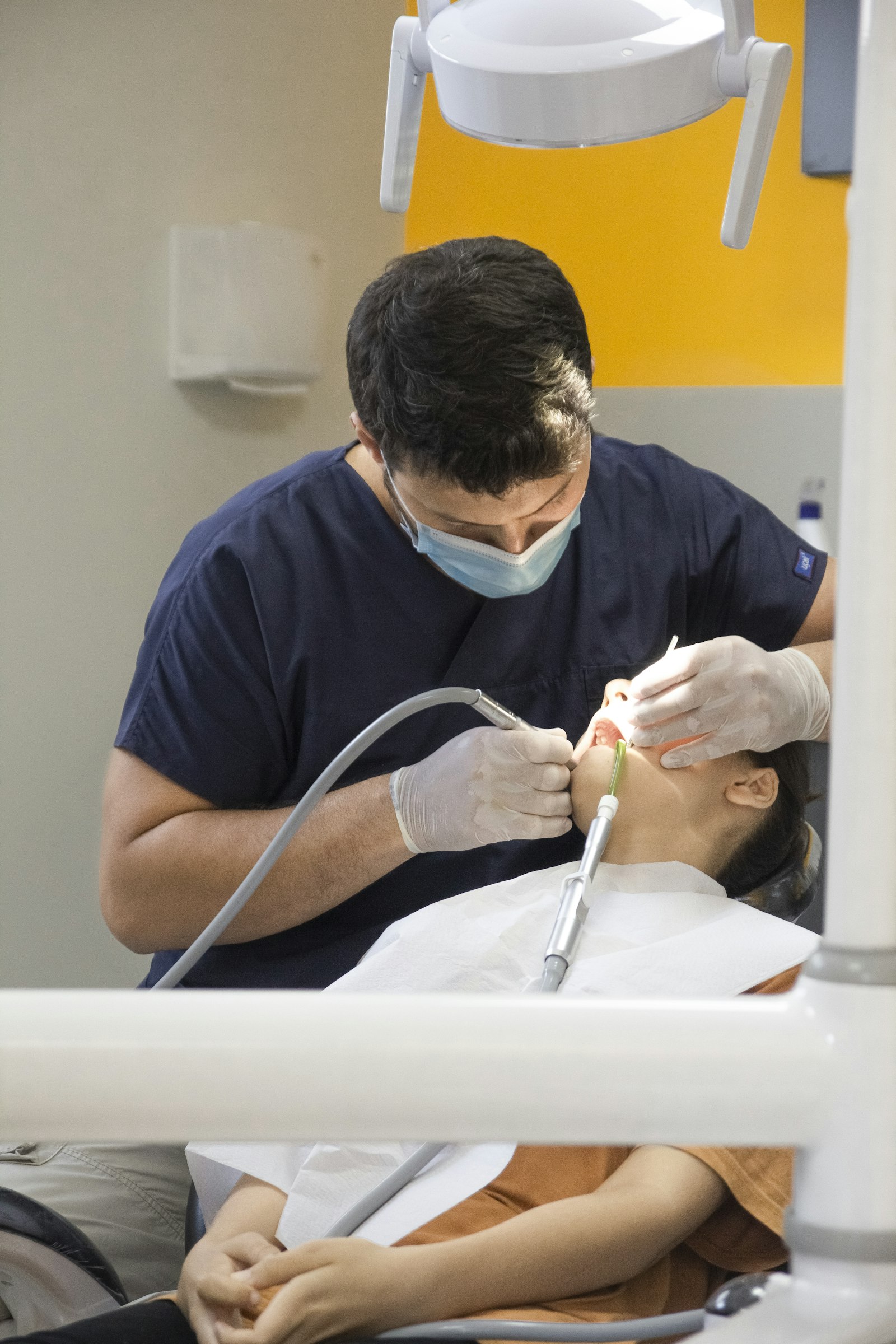
Dentists can reasonably differ on borderline decisions, such as when to replace an old filling or whether to watch a small area of early decay. If a new dentist recommends treatment you did not expect, ask them to show you what they are seeing on the X-rays or photos and to explain the options, including the option of waiting where that is safe. It is always reasonable to take a written plan home and think about it before agreeing.
On your first day
Bring your Medicare card, your health fund card, a list of any medicines you take, and your previous dentist's name and contact details. If you are due for a check-up, book the first visit around that date so your routine care stays on track. Children benefit from an early visit too, as it helps them get used to a new practice before any treatment is needed.
Common questions
Will a new dentist repeat my X-rays?
Not always. If recent, clear X-rays are sent from your previous practice, a new dentist can often use them. New ones may be needed if the old images are out of date or do not show what the dentist needs to see.
How soon after moving should I book?
Once your address is settled, or by your next due date, whichever comes first. Booking early gives you time to choose rather than taking the first available appointment when something hurts.
Are recommendations from neighbours worth following?
They are a useful starting point. Check the practicalities against your own needs too, such as hours, access and how clearly the practice explains things.
If you have recently moved nearby, Lumi Dental at Melrose Central, Melrose Park welcomes new patients. A new patient first visit is a full 60 minutes, with time to explain what we find, and you will usually receive a written treatment plan, often by email. We are open Monday to Saturday, until 9pm on Thursdays, with free undercover parking and health fund claims on the spot through HICAPS. See our current offers or read more about general dental care at Lumi Dental.
This article is general information and does not replace individual dental advice.








