

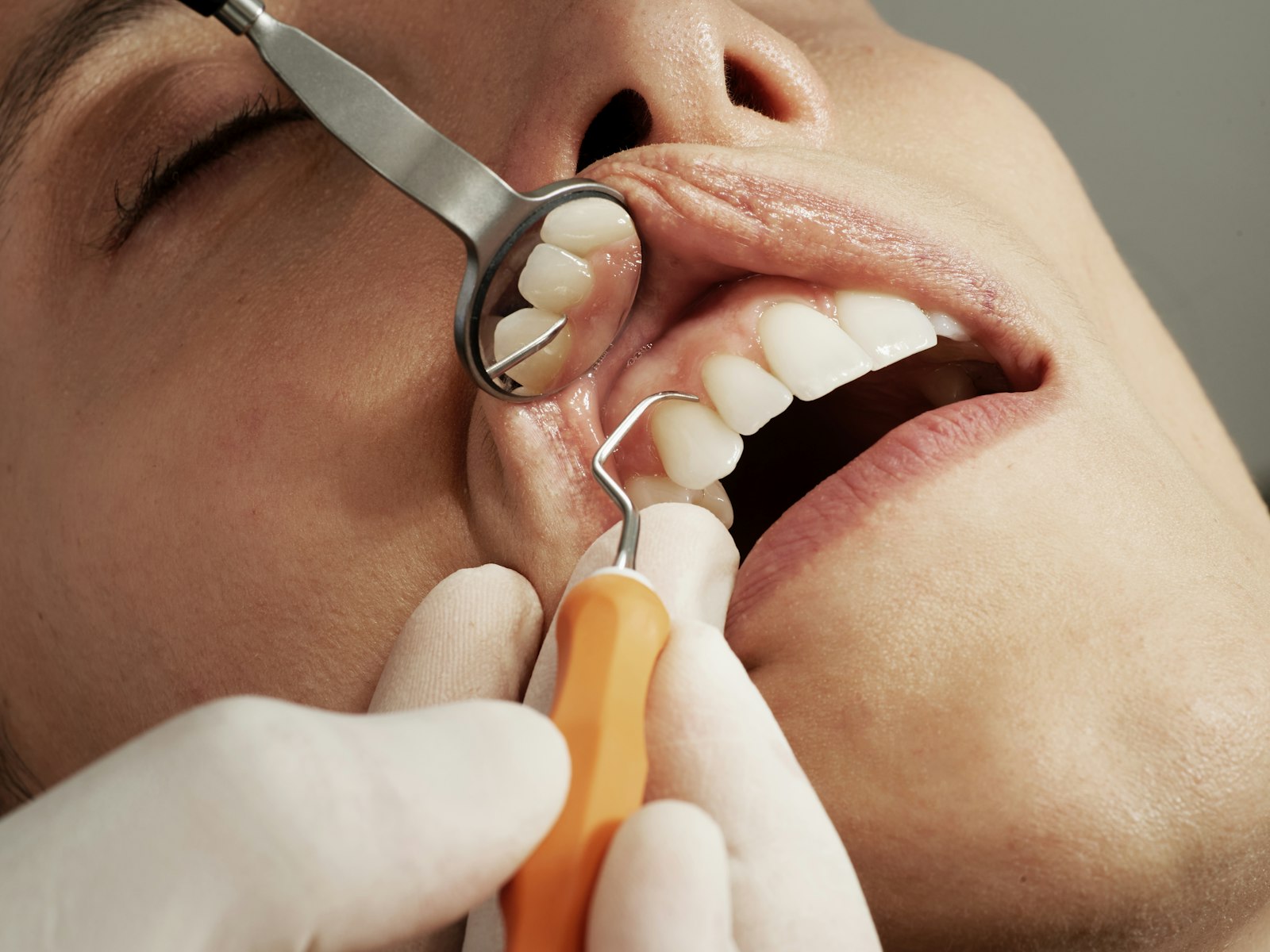

Nail-biting can chip and crack the edges of your front teeth, wear away enamel over time, and is closely linked to teeth grinding, all of which can add up to real dental wear. It's an easy habit to underestimate because it doesn't hurt in the moment. But the front teeth are thin at the biting edge, and repeatedly using them to bite something as hard and unforgiving as a fingernail takes a toll that shows up gradually, not all at once.
Key Takeaways
- Nail-biting can chip or crack the incisal (biting) edges of front teeth.
- Enamel worn away by nail-biting doesn't grow back, since enamel doesn't regenerate.
- Long-term, heavy nail-biting can contribute to minor tooth movement or bite changes.
- The habit is commonly linked with bruxism (grinding or clenching), often happening together.
- Fingernails carry bacteria that can be introduced into the mouth, a gum health consideration.
- Practical fixes exist, from bitter-tasting nail polish to addressing an underlying grinding habit.
How Nail-Biting Damages Teeth
The front teeth are designed for cutting and shearing softer things like food, not for gripping and tearing something as tough as a nail. Every time a nail is bitten off, the incisal edge of the tooth takes a small, sharp force at an awkward angle. On their own, these forces are minor. Repeated thousands of times over months and years, they start to matter.
Chips and Cracks
The most visible damage is small chips along the biting edge of the front teeth, sometimes only a millimetre or two, sometimes larger if a nail catches awkwardly or a tooth already has a weak spot. These chips can make the edge of the tooth feel rough to the tongue, and larger ones can catch on lips or other teeth.
Enamel Wear
Beyond outright chips, the constant low-grade friction of nail-biting can gradually wear down enamel, the hard outer layer that protects the tooth. This matters because enamel does not regenerate once it's gone. Unlike skin or bone, there's no natural repair process, so any wear from nail-biting is permanent unless a dentist rebuilds the shape with bonding or a similar restoration.
Tooth Movement and Bite Changes
With a heavy, long-term habit, some people develop small gaps or subtle shifts in their front teeth from the repeated pressure in the same direction. This isn't the case for everyone, and it typically takes years of a consistent habit, but it's one more reason dentists tend to flag nail-biting early rather than treat it as harmless.
The Link With Grinding and Clenching
Nail-biting and bruxism (grinding or clenching the teeth) often go hand in hand. Both are frequently linked to stress, anxiety or concentration, and both involve using the jaw and teeth outside their normal function. It's common for a dentist to notice signs of both in the same patient, such as worn incisal edges from biting combined with flattened back teeth or jaw tension from grinding.
If you already grind or clench, especially at night, nail-biting during the day can compound the wear happening on your teeth from two different directions. It's worth mentioning both habits at your next dental check so your dentist can look at the full picture rather than just one symptom. Our article on bruxism and teeth grinding in adults covers this in more depth, including how it's diagnosed and managed.
A Gum Health Consideration
It's easy to focus purely on tooth structure and forget that fingers, and the space under fingernails in particular, carry bacteria that don't belong in the mouth. Repeated nail-biting introduces these bacteria directly to the gums and teeth, which is a consideration for gum health alongside the more obvious wear-and-tear issues. This is one more reason it's worth breaking the habit rather than viewing it as purely a cosmetic concern.
What It Can Cost Over a Lifetime
The Academy of General Dentistry has previously estimated that dental damage linked to nail-biting can add a meaningful amount to a person's dental costs over a lifetime, once chipped teeth, enamel repair, and any bite-related treatment are factored in. This is a general figure used to illustrate the cumulative cost of small, repeated damage, not a quote for any specific treatment. The exact cost for an individual depends entirely on the extent of the damage and what repair work, if any, is needed.
| Common dental repair | Typical general market cost range (AUD) |
|---|---|
| Composite bonding to repair a small chip | $150 to $400 per tooth |
| Tooth contouring/reshaping | $100 to $300 per tooth |
| Custom night guard for grinding | $300 to $700 |
| Veneer (for more significant wear) | $900 to $2,200 per tooth |
These are general Australian market ranges, not a quote from Lumi Dental. If a chip or wear pattern from nail-biting needs repair, a dentist can give you a written quote after an assessment.
Practical Ways to Stop the Habit
Breaking a long-standing nail-biting habit takes time, and most people need more than one strategy at once.
- Bitter-tasting nail polish: a simple, widely available deterrent that makes the habit unpleasant in the moment it happens.
- Keep nails trimmed short: less nail to catch on and bite reduces the temptation for many people.
- Identify triggers: stress, boredom, and concentration are common triggers. Noticing when the habit happens is often the first step to interrupting it.
- Replace the action: fidget tools, chewing gum, or simply keeping hands occupied can substitute for the habit without the dental impact.
- Address grinding at the same time: if clenching or grinding is also present, a properly fitted night guard can protect teeth while you work on the nail-biting habit separately. See our comparison of night guards vs sports mouthguards for how these differ.
If teeth have already chipped or worn down from the habit, cosmetic options like bonding or veneers can restore the shape. Our guides on how long veneers last and tooth contouring and reshaping explain what's involved. If jaw clicking or discomfort has developed alongside a grinding habit, our article on TMJ and jaw clicking is also worth a read.
Frequently Asked Questions
Can nail-biting actually chip a tooth?
Yes. The biting edges of front teeth are relatively thin, and repeatedly biting something hard like a nail can chip or crack this edge over time.
Does nail-biting cause crooked teeth?
With a very heavy, long-term habit it can contribute to minor tooth movement, though this varies from person to person and typically takes years of consistent biting.
Is it too late to fix damage from years of nail-biting?
Not usually. Chips and worn edges can often be repaired with bonding, contouring or veneers depending on how significant the wear is. A dental check will clarify the best option.
Why do I bite my nails and grind my teeth?
Both habits are commonly linked to stress, anxiety or concentration, and often appear together. Addressing the underlying stressor can help with both at once.
Are bitter nail polishes actually effective?
Many people find them a useful deterrent, particularly combined with other strategies like identifying triggers or keeping nails short. They work better as part of a habit-change plan than as a standalone fix.
If nail-biting has left your teeth chipped, uneven or sensitive, it's worth having them checked rather than living with it. The team at Lumi Dental can assess any wear and talk through simple repair options. Have a look at our current deals or learn more about general dentistry at Lumi Dental. This article is general information and does not replace an individual dental assessment.

