

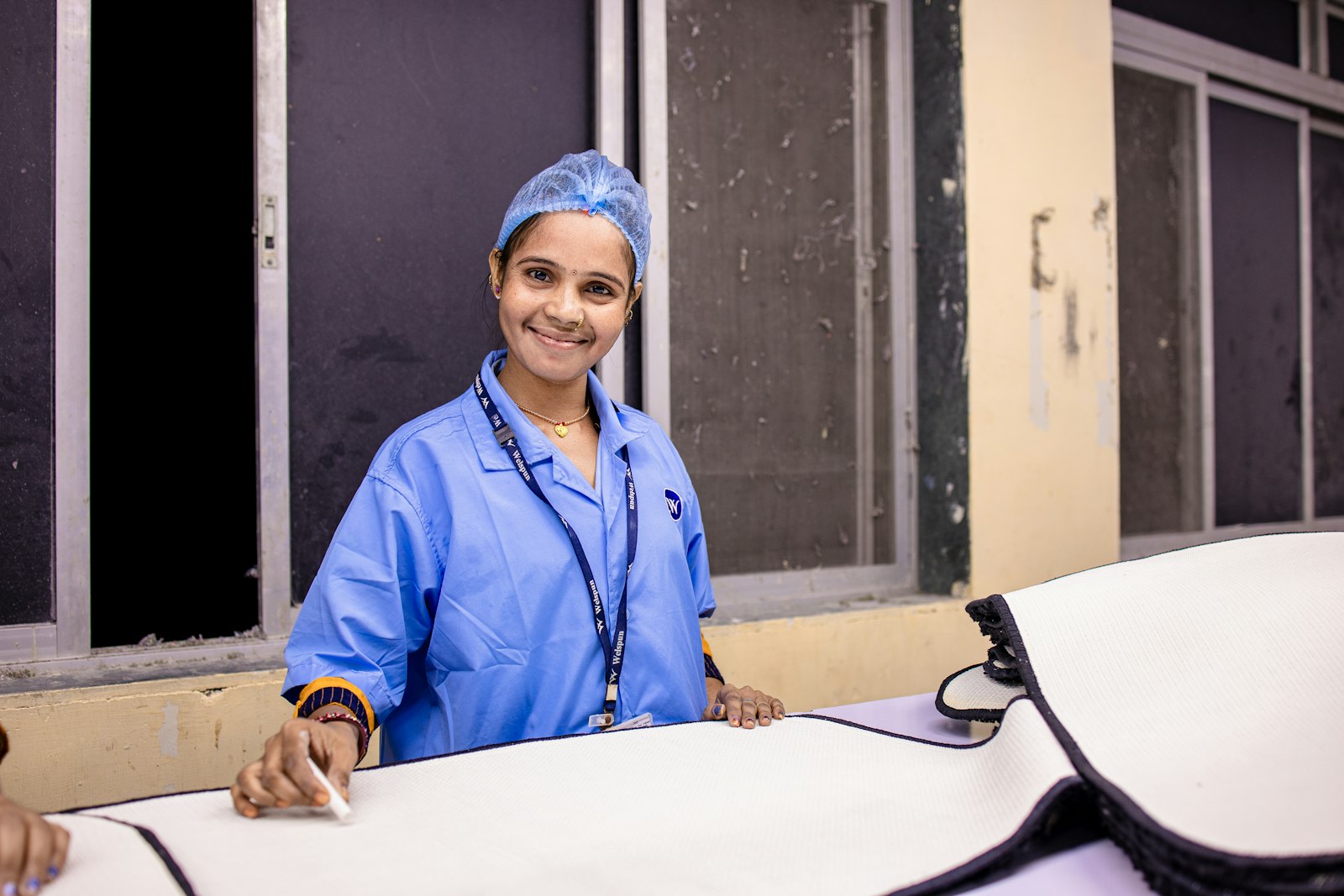

Nurses and healthcare workers often have a higher risk of dry mouth, decay and jaw strain, mostly because long masked shifts make it hard to drink water, eat regular meals and keep a normal brushing routine. If you work on the wards, in theatre, in aged care or in an emergency department, your teeth are exposed to a very particular set of habits: grazing between tasks, sweet drinks to stay alert, coffee on the run, and night rotations that turn your routine upside down. Researchers have linked shift work more broadly to higher rates of decay and gum disease, and in my experience the patients I see from healthcare are some of the most diligent people I know when it comes to other people's health, and some of the slowest to book their own check-up. This guide looks at what actually happens in the mouth during a healthcare shift and gives you a simple locker kit and a shift-by-shift routine.
Key Takeaways
- Long masked shifts can discourage drinking water, and lower saliva flow leaves teeth more exposed to acid and plaque.
- Many people breathe through their mouth behind a mask, which can dry the gums and tongue further.
- Grazing on lollies at the nurses' station and sipping sweet drinks across a shift keeps the mouth acidic for long periods.
- Night rotations and stress can disrupt brushing routines and increase jaw clenching.
- A small locker kit and a routine matched to your roster can make a meaningful difference.
- Healthcare workers often put off their own check-ups, so booking around your roster is worth doing early.
Why Healthcare Shifts Are Hard on Teeth
Most dental advice assumes a predictable day: breakfast, lunch, dinner, brushing morning and night. Clinical rosters rarely look like that. A twelve-hour shift can include a missed break, a meal eaten standing up at 4 pm and a coffee that goes cold three times. None of this is a failing on your part. It is simply the setting, and the mouth responds to it in predictable ways.
Research into shift workers has found associations between non-standard schedules and higher rates of decay and gum disease, likely through disrupted sleep, irregular eating and changed routines. One study of hospital staff also found that a sizeable proportion were already dehydrated at the start of a shift, with the number rising by the end. For teeth, dehydration matters because saliva is your built-in protection.
Saliva: the quiet protector
Saliva rinses away food, neutralises acid after eating and carries calcium and phosphate that help repair early enamel damage. When you go hours without water, saliva flow may drop and becomes thicker. Teeth then sit in acid for longer after every snack or sweet drink, which is exactly the setting in which decay starts, often along the gumline and between teeth.
Masks, Mouth Breathing and Dry Mouth
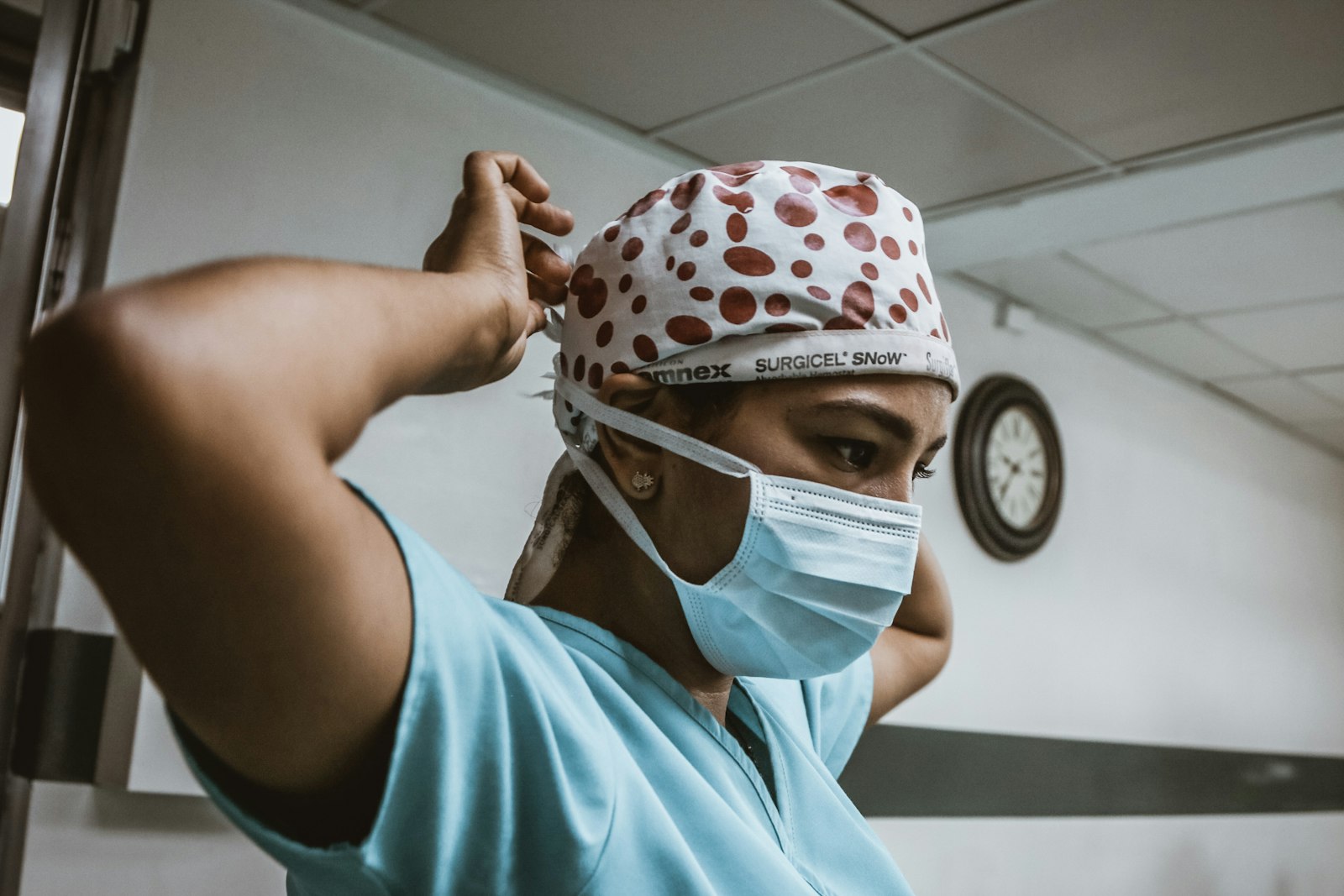
You may have heard the phrase "mask mouth". It is an informal term, not a medical diagnosis, used to describe the dry, stale feeling and bad breath some people notice after hours in a mask. The likely drivers are simple. People tend to drink less when a mask has to come off to take a sip, and many people breathe through their mouth behind a mask without realising. Mouth breathing dries the tongue, gums and inner cheeks, and a dry mouth tends to collect more plaque and odour.
Masks are important and this is not a reason to wear one less. It is a reason to build water and nose breathing into your shift deliberately. If you notice you breathe through your mouth most of the time, even off shift, our guide to mouth breathing in adults covers common causes and when to get it checked.
Grazing, Lollies and Sweet Drinks on the Ward
Almost every ward has a tin of chocolates or a bag of lollies at the nurses' station, usually a thank you from a patient's family. When breaks are missed or interrupted, a handful here and there becomes the main fuel for the shift. Add a flavoured iced coffee, a soft drink from the vending machine or an energy drink on a night shift, and the teeth may be under acid attack for most of the shift.
The total amount of sugar matters, but frequency matters just as much. Every sugary snack or sip can drop the pH in your mouth for roughly 20 to 30 minutes. Five small top-ups across a shift can mean many hours of acidic conditions, compared with one treat at a meal. Energy and sports drinks also add acidity on top of sugar, which can wear enamel directly. Our article on sports and energy drinks and your teeth explains this in more detail.
Caffeine
Coffee and tea are not the enemy, but sugar, syrups and slow sipping can be. Caffeine may also add to a dry feeling in the mouth for some people. Having your coffee with a meal, drinking it rather than nursing it for an hour, and following it with water are small changes that add up.
Night Rotations, Stress and Clenching
Night shifts change when you eat, when you sleep and when you brush. It is common for people to come off a night shift, eat something, and fall into bed without brushing. That long sleep with food residue and low overnight saliva flow can be tough on teeth.
Healthcare work is also emotionally demanding. Stress may show up as daytime clenching while you concentrate on a difficult cannula or a deteriorating patient, and as grinding during sleep. Signs include tight jaw muscles, morning headaches, flattened or chipped teeth and sensitivity. If this sounds familiar, our guide to jaw clenching versus teeth grinding explains the difference and what may help.
Your Locker Kit: What to Keep at Work
A small kit in your locker or bag removes most of the friction. Nothing here needs to be fancy.
| Item | Why it helps | Tip |
|---|---|---|
| Fluoride toothpaste (travel size) | Fluoride helps strengthen enamel and repair early damage | Spit, do not rinse, so fluoride stays on the teeth |
| Travel or folding toothbrush | Lets you brush after a meal break or before sleep after nights | Replace it every three months or when bristles splay |
| Refillable water bottle | Supports saliva flow and rinses away sugar and acid | Keep it in the staff room so every break starts with water |
| Sugar-free gum | Chewing stimulates saliva and may help neutralise acid after eating | Chew for around 10 to 20 minutes after food when you cannot brush |
| Floss or interdental brushes | Cleans between teeth where decay often starts | Once a day is enough, whenever suits your roster |
| Lip balm | Mask wear and air conditioning can dry lips | Choose a plain, unflavoured balm |
A Shift-by-Shift Routine
The aim is to brush twice a day with fluoride toothpaste, whatever the clock says, and to limit how often your teeth meet sugar. Here is how that may look across different rosters.
| Shift | Before | During | After |
|---|---|---|---|
| Day shift | Brush after breakfast, fill your water bottle | Water at every break, keep snacks to meal times, sugar-free gum after eating | Brush and floss before bed |
| Evening shift | Brush after your main meal before leaving home | Water with each break, avoid sipping sweet drinks across the shift | Brush before bed, even if it is late |
| Night shift | Brush after your pre-shift meal | Plan one proper meal, water every hour or two, limit energy drinks | Brush before you sleep, not after you wake. This is the most important one. |
If you rotate between rosters, anchor brushing to sleep rather than to the time of day: brush before your main sleep and once more after your first meal. Other shift-based workers face similar problems, and you may find useful ideas in our guides for chefs and hospitality workers and long-haul truck drivers.
Looking After Yourself as Well as Your Patients
Healthcare workers are very good at noticing symptoms in others and very good at ignoring them in themselves. A tooth that is a little sensitive gets put off until the roster eases, and the roster rarely eases. Small problems are usually simpler to treat when caught early, so it is worth booking a check-up and clean as soon as your roster is released, then treating it like any other shift.
Tell your dentist about your roster, your caffeine and snack habits, and any dry mouth or clenching. That context helps us tailor advice, such as whether a higher fluoride toothpaste or a night guard may be worth considering.
Common Questions
Can wearing a mask all day damage your teeth?
The mask itself does not damage teeth, but the habits around it can. Drinking less water and mouth breathing behind a mask may dry the mouth, and a dry mouth is more prone to plaque, bad breath and decay.
Is "mask mouth" a real condition?
It is an informal term rather than a medical diagnosis. People use it to describe dryness, bad breath or gum irritation after long periods in a mask, which are usually linked to dehydration and mouth breathing.
Should I brush my teeth before or after a night shift?
Brushing before you go to sleep after a night shift is the most important time. Saliva flow is lower during sleep, so going to bed with a clean mouth and fluoride on your teeth offers the best protection.
Is sugar-free gum a good substitute for brushing at work?
Sugar-free gum is a helpful extra, not a substitute. Chewing stimulates saliva, which can help neutralise acid after eating, but you still need to brush twice a day with fluoride toothpaste.
Why do my teeth feel sensitive after long shifts?
Sensitivity may come from enamel wear from acidic drinks, clenching under stress, or gum recession exposing the root surface. If sensitivity persists for more than a couple of weeks, it is worth having it checked.
How often should nurses see a dentist?
Most people benefit from a check-up and clean about every six to twelve months, but your dentist may suggest a different interval based on your decay risk, dry mouth or clenching.
Book a Check-Up That Fits Your Roster
If you work in healthcare and have been putting off your own dental care, the team at Lumi Dental in Melrose Park, Sydney is happy to help you get back on track with a check-up, a clean and practical advice that suits your shifts. You can see our current new patient offer on the current deals page, learn more about our general dentistry in Melrose Park, and ask about a free consult and written quote if you need any treatment beyond a routine visit.

