

Orthodontic wax is a soft, non-toxic wax you press over a bracket or wire that's rubbing your cheek or lip, and it's one of the simplest ways to get comfortable with braces fast. If you've just had braces fitted or an adjustment and a sore spot is forming, here's exactly how to use it properly.
Key takeaways
- Orthodontic wax is a soft, non-toxic, sometimes mildly flavoured wax used to cover brackets or wires that are irritating the inside of your mouth.
- It's most commonly needed in the first week after braces go on, or for a few days after an adjustment.
- Apply it to a dry bracket with a small, warmed, pea-sized piece pressed firmly over the area.
- Wax should be removed before eating and brushing, then reapplied afterward if the irritation is still there.
- If wax keeps falling off or a sore spot won't settle, it may mean a wire is broken or poking, which needs your orthodontist rather than more wax.
- In a pinch, orthodontic silicone relief or a small piece of clean cotton wool can work as a very short-term substitute.
What orthodontic wax actually is
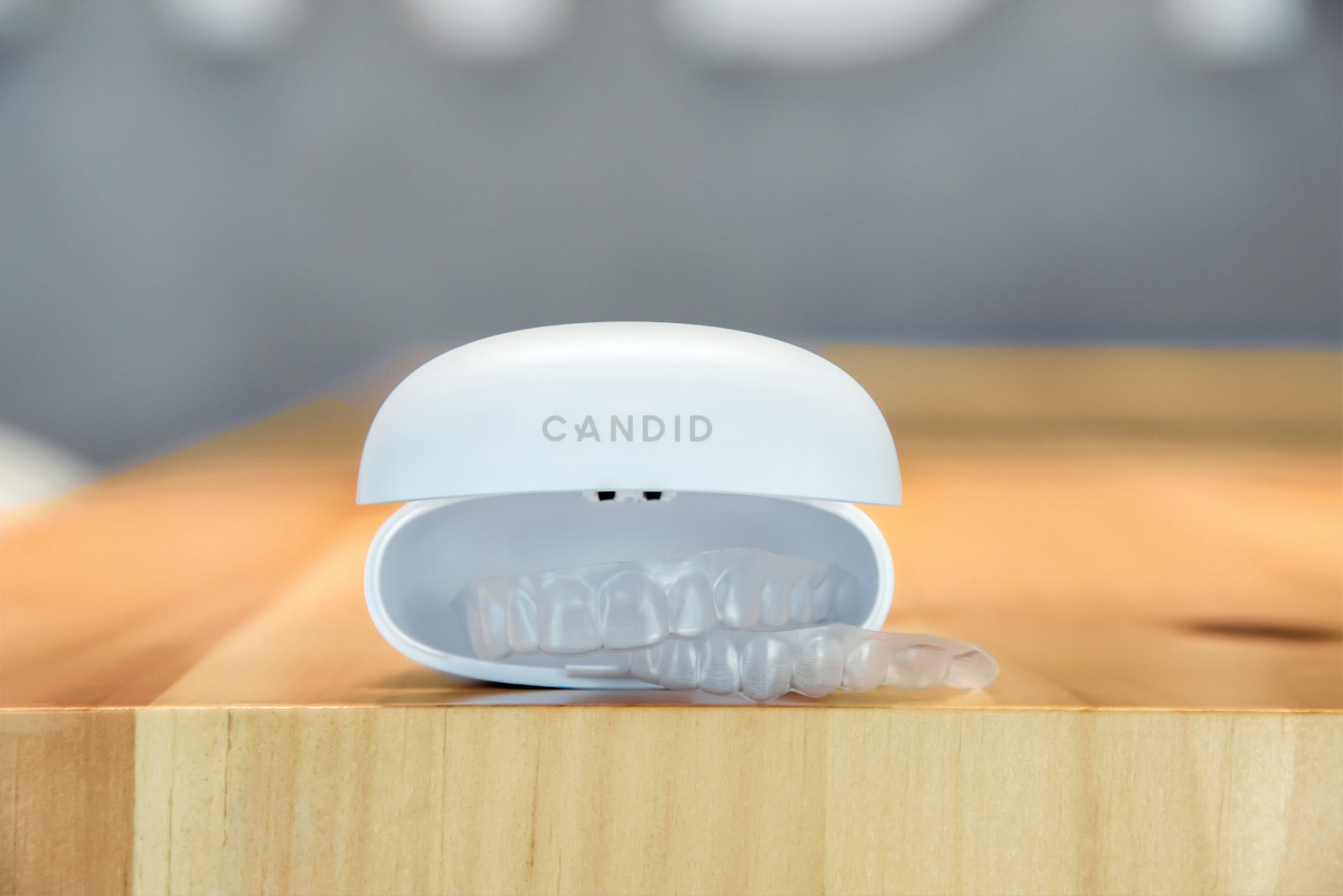
Orthodontic wax is a soft, pliable, non-toxic wax designed specifically for use around braces. It usually comes in small individual strips inside a travel-friendly case, and some brands add a mild, pleasant flavour like mint. It's completely safe if small amounts are accidentally swallowed, though it's meant to be worn, not eaten.
Its job is simple: create a smooth barrier between a bracket or wire and the soft tissue of your cheek, lip or tongue, so that everyday movement, talking, chewing, smiling, doesn't cause repeated rubbing and irritation.
When you actually need it
Not every day with braces requires wax, but certain moments make it far more likely:
- The first week after braces are fitted. Your cheeks and lips need time to adjust to the new hardware, and this is when irritation is most common.
- A few days after an adjustment. Tightened or repositioned wires can sit differently and catch on soft tissue until things settle.
- A wire end that's poking out. Sometimes a wire shifts slightly and the end pokes rather than sitting flush.
- Any time you notice a sore spot forming. Catching irritation early, before it becomes an ulcer, is far more comfortable than waiting.
How to apply orthodontic wax step by step
- Wash your hands before handling the wax.
- Dry the bracket area. Use a tissue or let the area air dry for a moment, wax sticks far better to a dry tooth surface than a wet one.
- Pinch off a small, pea-sized piece. A little goes a long way, you don't need to cover a large area.
- Roll it warm between your fingers. This softens the wax and makes it easier to shape, about 10 to 15 seconds of rolling is usually enough.
- Press it firmly over the offending bracket or wire. Flatten it down so it covers the sharp or rubbing point completely, with no rough edges left exposed.
- Check with your tongue. The area should feel smooth, if you can still feel a hard edge, add a touch more wax.

How long it lasts and when to replace it
Orthodontic wax typically stays in place for several hours during normal talking and light activity, but it will gradually wear away, especially with saliva and any contact from your tongue. Most people find they need to reapply it once or twice a day while a sore spot is settling down. It's also worth removing and replacing the wax if it becomes discoloured or starts to feel gritty, since food particles can get trapped in it over the course of a day.
Wax should come off before eating and brushing
Always remove wax before meals and before brushing your teeth. Eating with wax in place can dislodge it into your food or let food debris get trapped underneath it, and it will get in the way of a proper clean around your brackets. Once you've eaten and brushed, simply reapply a fresh piece if the sore spot is still forming or hasn't fully settled yet.
If wax keeps falling off
Wax that won't stay put, or a sore spot that isn't improving despite regular wax use, is often a sign of something more than routine irritation. A common cause is a wire that has come loose, snapped, or is protruding further than it should. This isn't something more wax can permanently fix. Contact your orthodontist so they can trim or adjust the wire properly rather than relying on wax as a long-term workaround.
Wax alternatives in a pinch
| Option | When it's useful |
|---|---|
| Orthodontic silicone or relief material | A firmer, longer-lasting alternative to wax, good for persistent rubbing spots |
| Small piece of clean cotton wool | A very short-term measure only, such as if you've run out of wax unexpectedly |
| Orthodontic wax (standard) | The most common, widely available option, ideal for day-to-day use |
These alternatives are fine occasionally, but orthodontic wax remains the most practical everyday option since it's inexpensive, portable and specifically designed for this purpose.
General hygiene reminder
Braces already create more places for food and plaque to get trapped, so keeping the wax routine tidy matters. Remove wax before brushing, clean thoroughly around each bracket, and reapply fresh wax rather than reusing an old, food-covered piece. If you're curious about other elements that can come with orthodontic treatment, our guide to Invisalign attachments covers a different but related topic worth knowing about if you're weighing up treatment options.
For more on this topic, read Mouth Ulcers From Braces and Broken Braces Wire Poking Your Cheek in Sydney.
Frequently asked questions
Is it safe to swallow orthodontic wax by accident?
Yes, it's non-toxic and designed to be safe if a small amount is accidentally swallowed. That said, it's meant to be worn on the brackets, not eaten on purpose.
How much wax should I use at once?
A small, pea-sized piece is usually enough to cover one bracket or wire section. Using too much can feel bulky and make it harder to keep the area clean.
Can I use orthodontic wax on a broken wire?
You can use it as a very short-term measure to protect your cheek from a poking wire, but a broken or displaced wire needs to be assessed and fixed by your orthodontist, ideally as soon as reasonably possible.
Why does the same spot keep getting irritated even with wax?
This can happen if the wax isn't fully covering the sharp point, or if the underlying wire or bracket has actually shifted. If a spot keeps recurring despite consistent wax use, it's worth having your orthodontist take a look.
Do I need wax for the entire time I have braces?
Not usually. Most people need it most in the first week after braces are fitted and for a few days after each adjustment. Many find they need it less as their mouth adjusts over time.
Can children use orthodontic wax safely?
Generally yes, it's designed to be safe, but younger children should be supervised when applying it to make sure it's placed correctly and not swallowed in large amounts.
Need more help with braces comfort?
If sore spots keep coming back or a wire feels wrong, don't just keep adding wax, get it checked. See current deals or find out more about general dental care at general dentistry at Lumi Dental.


